Beyond the Hard Hat: Why Every Singapore Business Needs a WSH Consultant
SEO Title: Beyond the Hard Hat: Why Singapore Businesses Need WSH Consultants
Focus Keyphrase: WSH consultant Singapore
Meta Description: Discover why every Singapore business requires a WSH consultant. We explore WSH regulations, bizSAFE, WICA, safety technology, and SEO strategies for consultancies.
Tags: WSH consultant Singapore, Workplace Safety, bizSAFE, WICA, Corporate Safety, ESG Reporting, SGX
The Shifting Landscape of Workplace Safety
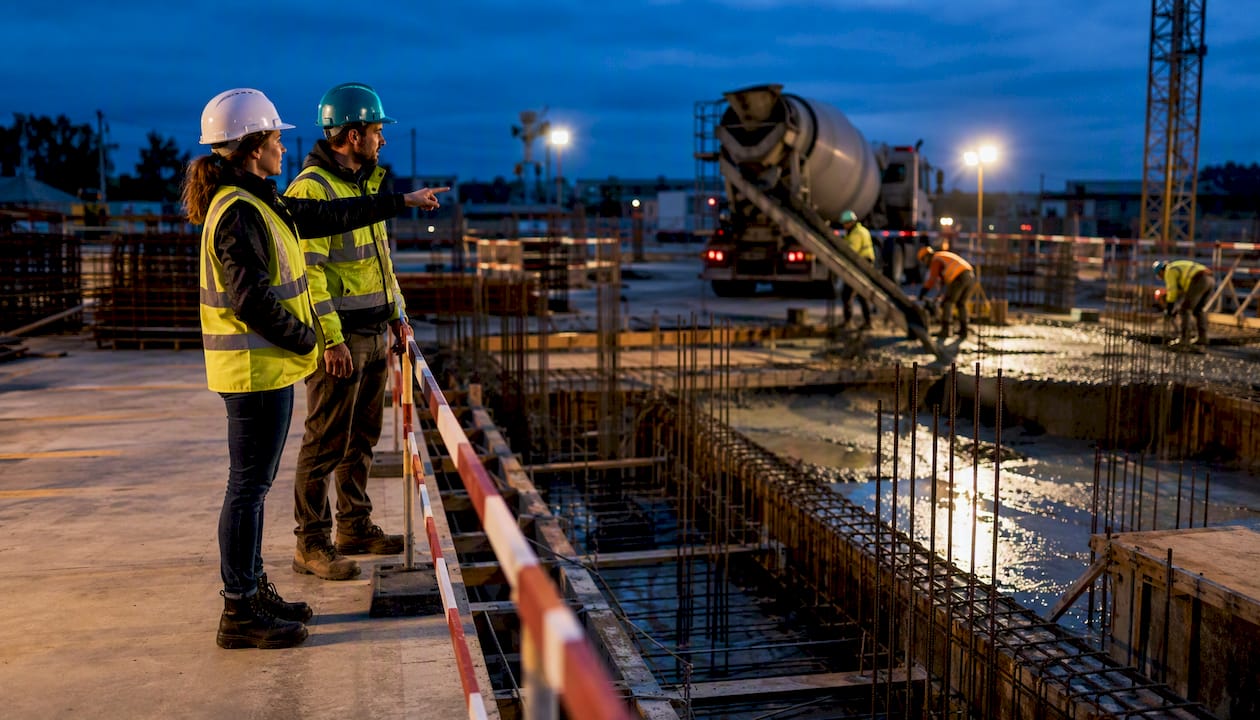
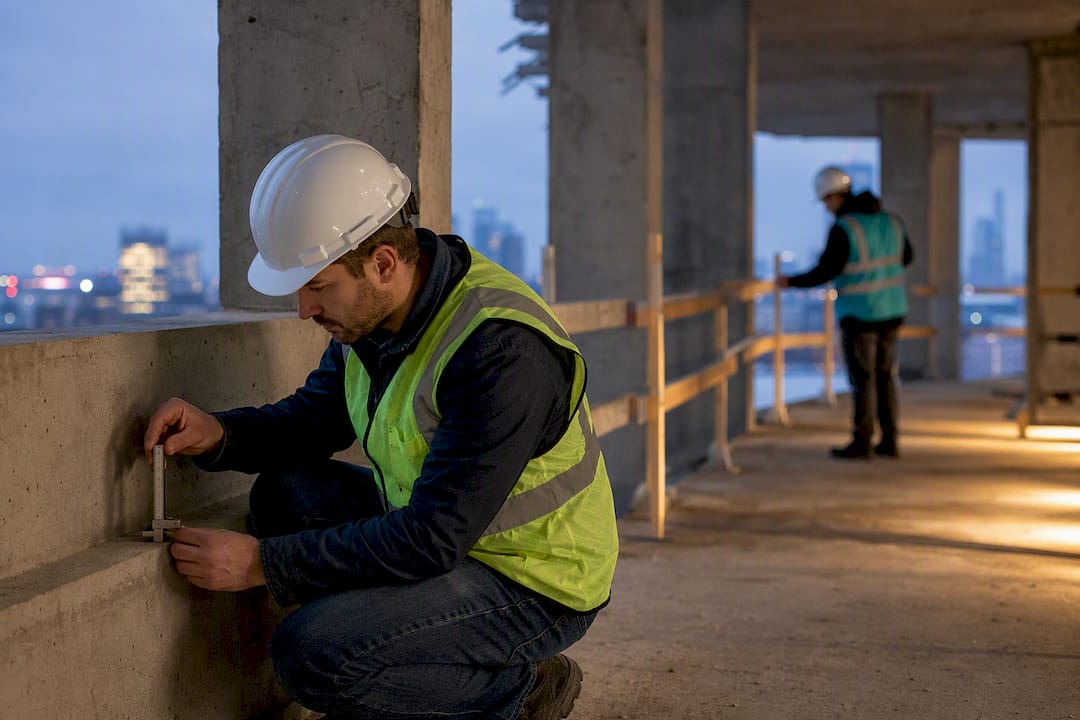
Workplace safety often evokes images of towering construction cranes. People typically picture hard hats and heavy industrial machinery. This perception is fundamentally outdated in modern business environments. Modern occupational safety encompasses all commercial and retail sectors.
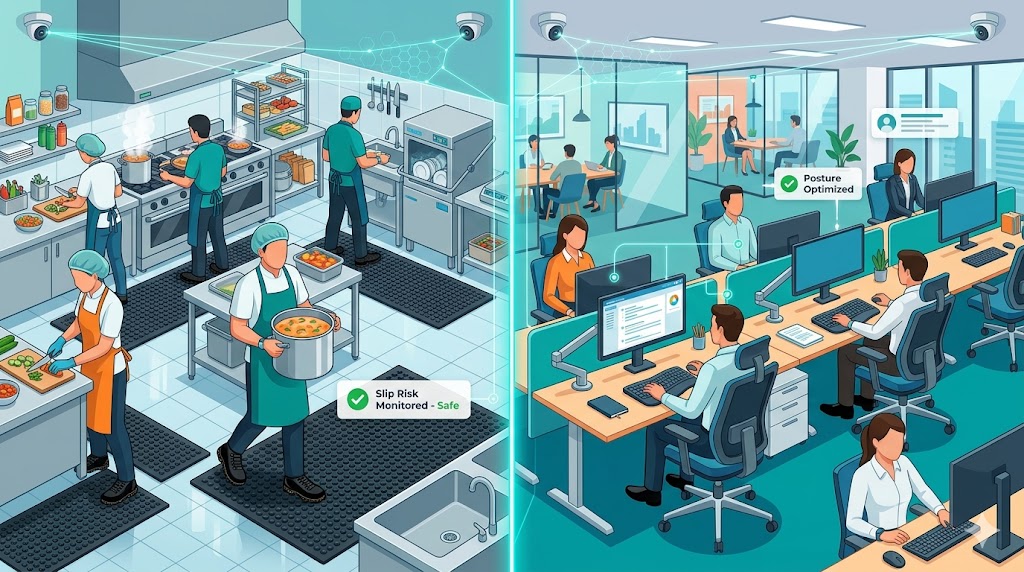
Corporate offices face distinct, insidious physical and mental risks. Furthermore, retail stores encounter unique physical and environmental hazards. Cafes manage high-pressure, fast-paced, and dangerous operational workflows daily.
Every single business in Singapore requires rigorous safety protocols. The Workplace Safety and Health Act mandates universal compliance.1 Navigating these complex obligations requires highly specialized technical knowledge.
Therefore, engaging a WSH consultant Singapore is increasingly critical. These dedicated professionals decipher extremely complex governmental regulatory frameworks. They protect employees from unseen, insidious, and chronic harm. Additionally, they shield businesses from devastating financial and legal liabilities.
Singapore maintains exceptionally stringent and robust workplace safety standards. The Ministry of Manpower aggressively enforces these vital safety laws. In 2025, overall workplace fatalities reached an impressive record low.
The fatality rate dropped to 0.96 per 100,000 workers.2 This remarkable achievement places Singapore among the safest global jurisdictions.3 Nations like the Netherlands and Sweden share this elite tier.3 However, minor and major injuries persist across non-industrial sectors.
Service industries report significant and consistent workplace accident volumes. The food and beverage sector remains particularly vulnerable here. Corporate offices frequently underreport insidious ergonomic and musculoskeletal injuries. Consequently, non-industrial sectors need robust, proactive risk management systems.
A WSH consultant provides this essential, systematic oversight and guidance. They transform mere baseline compliance into holistic operational excellence.
| Metric | 2024 Performance | 2025 Performance |
| Total Workplace Fatalities | 43 deaths 4 | 36 deaths 5 |
| Fatal Injury Rate (per 100k) | 1.2 6 | 0.96 2 |
| Total Minor Injuries | 21,527 cases 4 | Data Pending |
| Major Injury Rate (per 100k) | 15.9 6 | 15.7 7 |
Table 1: Singapore Workplace Safety and Health Key Statistics.
The provided data reveals a highly critical industry narrative. Fatalities are declining, but minor injuries remain stubbornly high. In 2024, Singapore recorded exactly 21,527 minor workplace injuries.6
The accommodation and food services sector contributed significantly here. This specific sector alone saw 3,009 minor injuries recently.6 Health and social services recorded another 3,540 individual incidents.6 These massive numbers represent immense corporate productivity and revenue losses.
They also trigger increased insurance premiums and staff shortages. Businesses simply cannot afford to ignore these glaring statistical realities.
A dedicated WSH consultant identifies underlying historical accident trends. They implement targeted, data-driven preventative strategies to reduce harm. This proactive approach saves businesses substantial capital over time.
Digital Visibility: Searching for a WSH Consultant Singapore
Finding the right safety professional requires strategic digital visibility. A WSH consultant Singapore must optimize their online presence. Businesses actively utilize search engines to locate qualified safety professionals. This highlights the vital importance of search engine optimization. Firms search for specific, long-tail keywords to find assistance.8 A long-tail keyword shows clear, highly specific commercial intent.8
Consultancies utilize advanced keyword research tools to capture traffic. Tools like Semrush analyze extensive search volume and difficulty.9 Their massive database contains over 26 billion distinct keywords.9
Alternatively, Moz offers a clean interface for corporate stakeholders.10 Ahrefs provides exceptional competitive depth for advanced intent mapping.10 Another tool, AlsoAsked, maps questions into visual intent trees.10 This reveals the specific questions businesses ask regarding safety.10
Long-tail keywords capture a highly specific corporate buyer mindset.11 Phrases like “affordable bizSAFE consultant in Singapore” drive conversions.12 These specific queries convert at much higher percentage rates.11
They often convert two to five times higher overall.11 Conversely, short-tail keywords like “safety” offer extremely low conversions.11 Broad terms typically attract casual browsers, not motivated buyers.11 They usually convert at a dismal one to two percent.11
| Keyword Strategy | Search Volume | Conversion Potential | User Intent |
| Short-Tail (e.g., Safety) | Very High | 1-2% 11 | Informational 11 |
| Mid-Tail (e.g., WSH Audit) | Moderate | Moderate | Investigation 13 |
| Long-Tail (e.g., best WSH consultant Singapore) | Low | High (2.5x-5x) 11 | Transactional 11 |
Table 2: SEO Keyword Strategy Comparison for WSH Consultancies.
Therefore, consultants seamlessly align their content with user intent. They build topical authority via structured pillar content pages.11 They target low-competition keywords to build initial domain authority.14
Low-competition keywords balance decent search volume with accessible difficulty.14 Successful consultants understand their client’s specific regulatory pain points.15 They craft digital content answering those exact compliance questions. This strategy connects vital safety expertise with vulnerable enterprises.
Food and Beverage: A High-Pressure Crucible
The F&B industry operates under intense, constant daily pressure. Commercial kitchens are chaotic, crowded, and incredibly fast-paced environments. Workers regularly interact with extreme heat and sharp instruments.
Unsurprisingly, this specific sector reports exceptionally high injury rates. In 2024, slips, trips, and falls dominated F&B incidents.6 There were 20 major injury cases directly involving falls.6 Furthermore, extreme temperature exposure caused 11 major injury cases.6
These incidents often stem directly from poor operational planning. Crowded food preparation areas severely restrict safe worker movement.6 Inadequate instructions on safe methods heavily exacerbate the risks.6
Worker complacency often profoundly compounds these underlying structural failures.6 A WSH consultant systematically deconstructs these dangerous operational workflows. They meticulously evaluate floor surface materials for slip resistance. Failing to install anti-slip mats causes severe physical falls.6
Consultants strictly ensure the enforcement of non-slip footwear policies.6 They comprehensively assess kitchen ventilation to prevent heat stress. Hot environments cause severe nausea, fatigue, and sudden dizziness.16
Consultants mandate adequate acclimatization periods for new kitchen staff.16 They schedule regular, mandatory rest breaks in cooler areas.16 Additionally, consultants diligently address severe hygiene-related public safety risks. Food contamination harms both consumers and vital corporate reputations.
Multi-Agency Compliance and Severe Penalties
Singaporean F&B operators face a daunting multi-agency compliance challenge. They must satisfy SFA, MOM, SCDF, and NEA simultaneously.17 Missing any requirement quickly leads to massive operational shutdowns.17
SFA conducts over 90,000 food establishment inspections annually.18 Hundreds of businesses face severe suspensions or massive fines.18 Chiller temperatures must remain strictly between zero and four degrees.17 Freezers must maintain temperatures at negative eighteen degrees constantly.17
In 2023, Masakan Shaik Sabri suffered a massive regulatory penalty. The court officially fined them $10,000 for hygiene lapses.19 Their catered food caused gastroenteritis in 83 affected individuals.19
Investigators discovered a severe cockroach infestation within their kitchens.19 Consequently, SFA suspended their operations for nearly two months.19 Tung Lok Millennium also faced severe legal prosecution recently. They received a $3,000 fine for breaching food regulations.20 Their washed salad failed mandated microbiological safety limit tests.20
Furthermore, their kitchen air-conditioning unit was maintained very poorly.20 During the pandemic, safe management measures were strictly enforced. Jin Jin Eating House blatantly violated these strict operational rules.
They allowed diners to consume alcohol after permitted hours.21 Similarly, 200 HCM Food faced specific penalties for identical breaches.21 A WSH consultant prevents such devastating, costly operational closures. They seamlessly integrate SFA compliance into daily risk management.
| Offending Company | Penalty/Action | Primary Violation |
| Masakan Shaik Sabri | $10,000 Fine & Suspension 19 | Cockroach infestation; 83 illnesses 19 |
| Tung Lok Millennium | $3,000 Fine 20 | Failed microbiological limits 20 |
| Jin Jin Eating House | Operational Closure 21 | Breached safe management measures 21 |
Table 3: Recent F&B Regulatory Breaches and Penalties.
Corporate Offices: The Silent Toll of Ergonomics
Corporate office environments typically lack open flames or machinery. However, they generate a massive volume of musculoskeletal disorders. Office workers spend tremendously prolonged hours in static postures.
Poorly designed workstations cause severe, cumulative, and lasting physical damage. Neck strains and severe lower back pain remain ubiquitous. Carpal tunnel syndrome frequently plagues dedicated data entry personnel. These ergonomic hazards cause gradual, highly insidious physical harm.22
They are rarely recognized until significant tissue damage occurs. Consequently, businesses lose countless productive hours to medical leave. WSH consultants specialize in identifying these subtle ergonomic risks.
They apply stringent national standards to optimize workstation layouts. Singapore Standard SS 514 provides comprehensive office ergonomics guidelines.23 This specific Code of Practice aims to prevent injuries.24 Undesirable static postures lead directly to severe muscular fatigue.24 Furthermore, poorly designed displays contribute to chronic eye strain.24
A WSH consultant implements SS 514 systematically across offices. They meticulously adjust chair heights to optimal ergonomic levels. The highly recommended chair height is between 35cm and 50cm.25
They ensure backrests recline properly between 100 and 120 degrees.25 This specific angle significantly reduces dangerous pressure on spines.25 Moreover, consultants expertly optimize computer monitor placement and distance. The monitor’s top edge must align perfectly with eye level.25 Keyboards must allow elbows to rest comfortably at 90 degrees.23
Consultants also eliminate common, overlooked office physical tripping hazards. They ensure walkways remain entirely clear of trailing cables.26 They provide safe stepladders for accessing highly elevated shelving.26
These interventions seem minor but consistently yield massive benefits. Proper ergonomics vastly improve overall worker efficiency and morale.27 They significantly reduce immense costs associated with prolonged illness.27 Engaging a consultant ensures proactive, highly effective ergonomic optimization. This effectively prevents chronic injuries from crippling the modern workforce.
Educational Facilities and Tuition Center Regulations
Private education centers face strict safety and health guidelines. The physical environment directly impacts student safety and learning. Classrooms must feature proper ventilation using large, open windows.28
Standing fans are highly discouraged due to physical safety hazards.28 Instead, mounted ceiling fans provide a highly viable, safer alternative.28 Furthermore, safe management measures enforce strict, non-negotiable capacity limits.29 No single room can ever hold more than fifty persons.29
Desks must maintain a one-meter safe distance constantly.29 Tutors must completely minimize physical contact with their students.29 Unvaccinated staff once faced mandatory testing protocols twice weekly.29
Proper lighting forms another crucial element of facility safety. The quality of light heavily influences student learning moods.28 Centers must install sufficient windows with functional blinds.28 Using pastel-coloured paints on walls significantly enhances lighting effects.28
Equipment and furniture require highly strategic, safe spatial arrangements. Arrangements must allow clear lines of sight for supervision.28 Furthermore, data protection forms a modern administrative safety requirement.
The Personal Data Protection Act governs private education institutions.30 Centers must rigorously protect sensitive student and staff information.30 A WSH consultant comprehensively audits all these diverse operational facets. They ensure complete compliance with physical and administrative regulations.
Strict Legal Mandates and Corporate Liability
Singapore’s regulatory framework demands incredibly strict, unwavering corporate accountability. The WSH Act represents the absolute legislative cornerstone here. It replaced much older, highly prescriptive factory-centric legacy laws.
The current progressive framework adopts a risk-based, performance-oriented approach. It places the ultimate onus of safety directly on stakeholders. Employers, principals, and occupiers hold very distinct legal duties. Feigned ignorance of these laws offers absolutely no legal defense.
Businesses must actively identify and relentlessly mitigate workplace risks. Failure to strictly comply invites staggering financial and legal penalties. WSH consultants seamlessly translate these complex statutes into actionable policies.
Under the WSH Risk Management Regulations, formal assessments are mandatory. Every employer must conduct a highly comprehensive risk assessment.31 This applies universally, regardless of the company’s size or sector. These assessments must be thoroughly reviewed every three years.31
They must also undergo revision following any workplace accident.31 Even a business with fewer than ten employees must comply. Failure to properly conduct risk assessments incurs immediate composition fines.
MOM frequently issues punitive fines ranging from $1,000 to $5,000.32 Missing vital safety signage consistently attracts additional heavy penalties.32 Multiple discovered violations compound rapidly during a single inspection. A workplace could easily face $25,000 in immediate cumulative fines.32
Executive Liability Under Section 48
The most critical legal aspect involves direct personal liability. The WSH Act successfully pierces the traditional corporate legal veil. Section 48 explicitly targets corporate directors and senior officers.33
When a company commits an offence, officers share total liability.33 They face the exact same severe penalties as the corporation. This means potentially facing fines up to $200,000 individually.32 It can also tragically result in two years of imprisonment.34
To completely escape conviction, officers must satisfy two strict conditions.
First, the offence must occur without their direct consent.33
Second, they must prove they exercised all possible due diligence.33
Proving due diligence is an exceptionally high, demanding legal bar. It requires extensive documented evidence of proactive safety leadership. Directors must actively allocate sufficient financial resources for risk mitigation. They must review safety performance at board meetings regularly.
The WSH Council issued a vital Approved Code of Practice.35 This ACOP details the specific safety duties of senior executives.35 It guides corporate leadership on driving the right organizational behaviors.35
Complying with this ACOP provides a highly robust legal defense.36 Conversely, utterly ignoring the ACOP demonstrates severe culpable negligence. The Two Stage Framework strictly applies to these liability assessments.37 Courts carefully examine if offending conduct possessed financial profit motivations.37
They also actively investigate if officers attempted to conceal wrongdoings.37 WSH consultants are absolutely indispensable for corporate officers here. They build the exact documentation required to definitively prove diligence.
They draft highly comprehensive WSH policies for formal board approval. They establish rigorous, internal safety auditing and reporting mechanisms. They ensure directors consistently receive timely, accurate safety incident reports. If MOM eventually prosecutes, this documentation becomes the primary defense.
| Offence Category | Potential Penalties (WSH Act) |
| Failure to conduct risk assessment | $1,000 – $5,000 Composition Fine 32 |
| First offence (Employer duty breach) | Up to $200,000 Fine 32 |
| Repeat offence (Employer duty breach) | Up to $500,000 Fine 32 |
| Causing death by negligence | Up to $500,000 Fine and/or 2 years jail 32 |
| Individual Director Liability | Up to $200,000 Fine and/or 2 years jail 34 |
Table 4: Financial and Legal Penalties for WSH Violations.
Case law provides stark, sobering examples of these severe penalties. In 2019, Ava Global Pte Ltd faced a massive penalty. The court fined the company an astonishing $210,000 overall.38 Their severe safety breaches caused a worker to become wheelchair-bound.38 Furthermore, the court jailed the site supervisor for the accident.38 In another instance, Lin Yijie faced a massive $180,000 fine.34 As a corporate officer, he failed his statutory safety duties.34 A WSH consultant effectively prevents these catastrophic legal and financial outcomes.
Financial Repercussions and WICA Reforms
Workplace accidents devastate employee morale and physical health simultaneously. They also inflict massive, lasting financial damage upon the enterprise. Direct costs represent only a tiny fraction of the loss.
Regulatory fines and hospital medical bills are highly visible expenses. However, indirect costs frequently bankrupt vulnerable small and medium enterprises. These include severe operational downtime and catastrophic productivity losses. Reputational damage destroys consumer trust and future revenue streams.
Client contracts are routinely canceled following major public safety incidents. Engaging a WSH consultant represents a highly proactive financial investment. They actively mitigate risks before catastrophic financial bleeding ever occurs.
The Work Injury Compensation Act protects vulnerable injured employees. It offers a swift, no-fault resolution system for workplace injuries.39 Courts generally interpret WICA heavily in favor of the employees.39 Recent governmental reforms significantly expanded employer financial obligations under WICA.
Compensation limits experienced substantial increases to reflect changing economic realities.40 The maximum compensation for death increased dramatically to $269,000.40 The minimum compensation for death rose to a mandatory $91,000.40
This nineteen percent increase provides families with vital financial support.40 Total permanent incapacity compensation jumped to a massive $346,000 maximum.40 The minimum permanent incapacity compensation simultaneously rose to exactly $116,000.40
| WICA Benefit Category | Previous Limit | New Increased Limit |
| Death (Maximum) | $225,000 | $269,000 40 |
| Death (Minimum) | $76,000 | $91,000 40 |
| Total Permanent Incapacity (Max) | $289,000 | $346,000 40 |
| Total Permanent Incapacity (Min) | $97,000 | $116,000 40 |
| Medical Expenses Limit | $45,000 | $53,000 40 |
Table 5: Recent Expansions to WICA Compensation Limits.
Medical expense limits also increased substantially to $53,000 per incident.40 These massive increases directly impact corporate insurance and financial planning. Higher potential payouts translate inevitably to much higher insurance premiums. Furthermore, WICA reforms mandated far better data sharing among insurers.41 Insurers now accurately price premiums based precisely on safety performance.41 Companies with poor safety records face utterly skyrocketing annual premiums.
Conversely, remarkably safe companies are rewarded with highly favorable rates. WICA also expanded mandatory coverage to include non-manual employees.41 Office workers earning up to $2,600 are now fully covered.41
Employers must also pay wages during light-duty recovery assignments.41 WSH consultants help businesses optimize their WICA premium expenditures efficiently. They achieve this by drastically reducing reportable workplace injury incidents. Fewer incidents directly and undeniably correlate with lower insurance claims.
Fraudulent Claims and Complex Investigations
Furthermore, consultants rigorously investigate claims to ensure strict factual legitimacy. Sometimes, employees submit completely unjustified claims for non-work-related injuries. In one notable instance, a construction worker claimed a back injury.39
He alleged the injury occurred while lifting extremely heavy loads.39 MSIG investigated this dubious claim rigorously using specialized claims handlers.39 Irrefutable evidence proved the worker was absent from the site.39
WhatsApp messages confirmed his presence at a completely different location.39 Therefore, the insurer successfully declined this entirely unjustified compensation claim.39 Another complex case involved Hauque Enamul and China Taiping Insurance.42
This tribunal appeal highlighted incredibly complex legal injury compensation mechanisms.42 Consultants help insurers and businesses investigate these complex safety disputes. They conduct rigorous root-cause analyses immediately following any workplace incident. This ensures rapid implementation of corrective measures to prevent recurrence.
The bizSAFE Certification Ecosystem
The bizSAFE programme is Singapore’s absolute premier WSH capability-building initiative. Administered by the WSH Council, it provides a highly structured framework. It carefully guides companies from basic awareness to world-class systems.
Achieving bizSAFE certification is no longer merely an optional enhancement. It has become a fundamental, strict prerequisite for commercial survival. However, the certification process remains highly technical and extremely rigorous. Small businesses often entirely lack the internal expertise to comply.
Therefore, outsourcing this vital function to a consultant is standard. The programme consists of five distinct, increasingly progressive certification levels. Level 1 requires top management to attend a specific workshop.43
This ensures executives understand their legal responsibilities under the WSHA. Level 2 focuses on training a Risk Management Champion internally.44 Level 3 represents the absolute most critical milestone for SMEs. It requires the implementation of a highly comprehensive Risk Management Plan.45
This specific plan must cover every single work activity performed.45 Furthermore, an approved external WSH Auditor must independently validate it.45 Level 4 involves developing a complete, robust WSH Management System.46
Finally, bizSAFE STAR recognizes full alignment with global international standards.47 This includes achieving the highly coveted ISO 45001 safety certification.47 Most Singaporean companies desperately aim for bizSAFE Level 3 certification.
This level demonstrates strict regulatory compliance with Risk Management Regulations.47 It acts as a binary pre-qualification filter for government procurement.48 Without Level 3, companies simply cannot bid for GeBIZ tenders.49
Main contractors routinely refuse to hire subcontractors without this baseline. WSH consultants actively specialize in achieving bizSAFE Level 3 rapidly. They possess extensive databases of highly industry-specific risk hazard templates.
| bizSAFE Level | Core Requirement | Estimated Consultancy Cost |
| Level 1 | Top Executive WSH Programme | Free (Workshop only) 44 |
| Level 2 | Train a Risk Management Champion | $400 – $600 (Course) 43 |
| Level 3 | Audited Risk Management Plan | $2,700 – $5,100 (Total) 43 |
| Level 4 | Develop WSH Management System | Varies based on scope |
| STAR | ISO 45001 Certification | Varies heavily |
Table 6: The bizSAFE Progression and Estimated Investment.
They conduct the required risk assessments tailored to specific operations.45 They draft the Safe Work Procedures required by the auditors.45 Developing this dense documentation from scratch completely overwhelms internal staff.
Consultants ensure the documentation meets strict audit-ready standards immediately.45 Furthermore, they expertly handle complex coordination with external MOM-approved auditors.45 If an audit uncovers deficiencies, the consultant rectifies them promptly.50
Business owners often hesitate regarding the initial consultancy fees involved. Understanding the precise cost breakdown completely demystifies the financial investment. The bizSAFE application itself is entirely free of any charge.43
The costs arise from required training, consultancy, and external auditing. The Level 2 training course costs approximately $400 to $600.43 The independent Risk Management Audit costs between $800 and $1,500.43 WSH consultancy fees range broadly from $1,500 to $3,000.43
Total estimated costs sit safely between $2,700 and $5,100.43 While $5,000 seems significant, the long-term ROI is truly massive. Firstly, it prevents unexpected fines that could easily exceed $10,000. Secondly, it unlocks highly lucrative corporate catering or B2B contracts.
Corporate clients demand bizSAFE certification to protect their own liabilities. Thirdly, progressive insurers offer preferential rates to bizSAFE-certified companies.49 Finally, the government provides substantial, accessible funding support for SMEs. Consultants assist businesses in navigating these highly complex grant applications.
Psychosocial Hazards and Employee Burnout
Traditionally, safety consultants focused almost exclusively on physical workplace hazards. They thoroughly assessed machinery guards, toxic chemicals, and fall protection. Today, the definition of a safe workplace has expanded dramatically.
Mental health and psychosocial hazards are now highly critical components. Prolonged stress leads directly to physical exhaustion and fatal cognitive errors. Fatigued employees make incredibly dangerous mistakes around heavy, hazardous equipment. Mental health is no longer solely an isolated HR issue.
It is a fundamental, urgent workplace safety and health priority. Singapore’s workforce faces a severe, rapidly escalating mental burnout crisis. According to a 2024 report, 61% of employees feel exhausted.51
This represents one of the highest exhaustion rates measured globally.51 The Ministry of Manpower openly acknowledges the severity of this issue. Approximately one-third of all workers experienced severe work-related stress.52 This burnout crisis inflicts massive economic damage on the entire nation.
It costs the Singapore economy an estimated $15.7 billion annually.51 This staggering loss stems directly from absenteeism and plummeting productivity.51 High turnover rates stifle vital innovation and degrade corporate competitiveness.51
Furthermore, unchecked psychosocial factors directly contribute to severe physical ailments. Excessive workload and monotonous tasks generate extreme, continuous mental stress.24 Unrealistic expectations and poor work relationships severely exacerbate the situation.24
iWorkHealth Diagnostics
This stress manifests physically as tension, severe headaches, and chronic fatigue. ISO 45001 explicitly addresses these insidious, damaging mental health hazards.53 It focuses heavily on identifying risks like excessively long working hours.53
Workplace bullying is also categorized as a severe, actionable safety hazard.53 To combat this, MOM developed the highly innovative iWorkHealth assessment.54 Created alongside the Institute of Mental Health, it is highly effective.54
iWorkHealth is a company-administered online psychosocial health assessment platform.54 It identifies common workplace stressors affecting employee mental well-being accurately.55 The tool comprises 71 questions covering specific stress-related workplace factors.55
These include job demands, job control, and overall organizational culture.55 It evaluates relationships with supervisors and potential workplace harassment incidents.55 The iWorkHealth survey reveals widely varying stress levels across demographics.
Employees aged twenty to twenty-nine scored extremely highly for stress.56 Their mean stress score reached 127.11 in recent sample reports.56 Conversely, workers aged forty to forty-nine scored much lower overall.56 Their mean score was recorded at merely 68.00 in 2025.56
This indicates younger workers experience significantly higher, more dangerous burnout rates. WSH consultants utilize iWorkHealth to conduct deep, actionable organizational diagnostics. Companies with over eight respondents receive aggregated, highly anonymized reports.55
These detailed reports highlight the exact departments suffering from extreme burnout.55 Consultants carefully analyze this data to recommend targeted, structural organizational interventions.
They might highly suggest improved flexible working hours for better balance.57 They might actively advocate for enhanced supervisor training or communication protocols. By addressing these root causes, consultants drastically reduce expensive staff turnover. Employees receive completely personalized reports to manage their own mental well-being.55
ESG Reporting and SGX Sustainability Mandates
Corporate safety is no longer an isolated, siloed operational function. It is deeply integrated into global corporate governance and financial sustainability. Environmental, Social, and Governance criteria heavily drive modern business strategies.
Global investors demand absolute transparency regarding how companies treat human capital. Excellent workplace safety remains the absolute cornerstone of the Social metric. Therefore, WSH metrics heavily influence corporate valuation and global investment potential. WSH consultants are crucial in navigating this entirely new reporting landscape.
The Singapore Exchange mandates rigorous, highly comprehensive corporate sustainability reporting.58 Since 2016, SGX required sustainability reporting on a comply-or-explain basis.58 These requirements have progressively become far stricter and much more demanding. Listed companies must publicly disclose material ESG factors and performance targets.59
They must provide a board statement detailing sustainability governance structures clearly.59 Workplace safety and health are core, non-negotiable components of these disclosures.
SGX is currently phasing in mandatory, strict climate-related financial disclosures.58 These align perfectly with the International Sustainability Standards Board (ISSB) standards.58 IFRS S1 requires disclosure of all sustainability-related risks and commercial opportunities.58
This explicitly includes the strategic management of human capital and safety. Poor WSH performance directly threatens corporate access to finance and capital.58 High accident rates signify extremely poor management controls to institutional investors.
Therefore, WSH consultants play a highly vital role in ESG reporting. They ensure safety data is incredibly accurate, auditable, and continuously improving. They help corporate boards craft compelling, factual narratives around safety culture.
This operational transparency vastly boosts market value and satisfies regulatory demands. Furthermore, large private corporations adopt similar highly progressive procurement practices. The WSH Council launched the excellent WSH Advocate Programme very recently.60
This specific initiative encourages major industry players to uplift their contractors.61 These “queen bee” companies prefer awarding lucrative contracts to safer vendors.60 They strictly require all subcontractors to hold at least bizSAFE Level 3.60
They put substantial, deciding weightage on past WSH performance during evaluations.61 ExxonMobil, Chevron, and Jurong Port actively participate in this excellent programme.62 A WSH consultant ensures your business easily meets these elite standards.
Embracing Advanced WSH Technology and Robotics
The future of workplace safety relies incredibly heavily on digital innovation. Traditional safety management depended entirely on manual inspections and paper checklists. This outdated approach is highly reactive, terribly slow, and error-prone.
The national WSH 2028 Strategy heavily promotes advanced technology-enabled safety solutions.63 Technology completely transforms WSH practices from reactive mitigation to proactive prevention. Small enterprises often hesitate to adopt these modern, digital safety tools.
They mistakenly believe WSH tech is exclusively for massive construction projects.64 WSH consultants dispel these myths and facilitate highly seamless digital integration. Technology constantly reshapes the modern Singaporean workplace and operational safety landscape.
Robots are increasingly prevalent in white-collar office settings and retail spaces.65 In South Korea, robots deliver meals and fetch coffee for employees.65 They cruise around completely independently using dedicated, specialized robot-only elevators.65
Singapore also utilizes advanced humanoid robots for front-desk corporate receptionist tasks.65 The NAO robot can answer queries and communicate fluently in English.65 However, these highly autonomous machines introduce entirely new workplace collision hazards.
WSH consultants must meticulously assess risks involving dynamic human-robot physical interactions. Video analytics represent another massive, revolutionary leap forward in safety monitoring.63 Digital solutions analyze live video feeds to detect safety violations instantly.63
They easily identify workers without helmets or proper fall-arrest safety harnesses.66 They monitor restricted zones and alert supervisors to dangerous unauthorized entry.66 This provides continuous, completely tireless surveillance across highly complex operational environments.63
Wearable technology offers another incredibly powerful layer of proactive worker protection. Smartwatches precisely track critical health indicators like excessive, dangerous human fatigue.67 They actively monitor heart rates to prevent severe heat stress incidents.67
If a worker shows physical signs of distress, supervisors receive alerts. Furthermore, electronic permit-to-work systems eliminate incredibly dangerous administrative paperwork lapses.63 They ensure all safety protocols are verified before hazardous work begins.63
The government actively and financially supports the adoption of these tools. The Productivity Solutions Grant subsidizes WSH technology implementations extremely heavily.68 Furthermore, NTUC LearningHub provides massive training resources for these new technologies.
They have successfully helped over 29,000 organizations upskill their modern workforces.69 They achieved more than 2.6 million training places across numerous courses.69
WSH consultants expertly evaluate a company’s specific needs to recommend solutions. They assist in procuring necessary grants to offset the initial expenditure. By strategically integrating technology, consultants build highly resilient, future-proof safety ecosystems.
Conclusion
The persistent myth that workplace safety is solely for construction is dangerous. Every commercial enterprise in Singapore operates amidst inherent, highly distinct hazards. From scalding liquids in cafes to ergonomic strains, risks abound everywhere.
The legal framework surrounding these environments is complex and aggressively enforced. The WSH Act holds directors personally, criminally liable for severe organizational failures. Simultaneously, agencies like the SFA impose incredibly rigid standards on hygiene. Attempting to navigate this extremely intricate web internally is remarkably risky.
A dedicated WSH consultant provides indispensable, highly specialized, and strategic guidance. They seamlessly translate abstract legislation into practical, daily operational safe procedures. They relentlessly protect the workforce from physical injuries and psychological burnout.
By facilitating bizSAFE certification, they instantly unlock access to lucrative tenders. They ensure strict compliance with evolving ESG reporting mandates for growth. Furthermore, they drastically reduce the financial devastation of inevitable workplace accidents. The investment in a WSH consultant pays completely unparalleled dividends over time. It completely transforms regulatory compliance from a burden into a competitive advantage.
Works cited
- Workplace Safety and Health Act – MOM, accessed May 3, 2026, https://www.mom.gov.sg/workplace-safety-and-health/workplace-safety-and-health-act
- Workplace Safety and Health Report 2025 – Singapore – MOM, accessed May 3, 2026, https://www.mom.gov.sg/-/media/mom/documents/safety-health/reports-stats/wsh-national-statistics/wsh-national-stats-2025.pdf
- 0325 WSH Report 2025 – Singapore – MOM, accessed May 3, 2026, https://www.mom.gov.sg/newsroom/press-releases/2026/0325-wsh-report-2025
- Workplace deaths in Singapore rise to 43 in 2024; major injury rate at its lowest, accessed May 3, 2026, https://www.straitstimes.com/singapore/workplace-deaths-in-spore-rise-to-43-in-2024-major-injury-rate-at-its-lowest-mom
- 36 workplace deaths in Singapore in 2025, down from previous year – CNA, accessed May 3, 2026, https://www.channelnewsasia.com/singapore/workplace-deaths-major-injuries-construction-manufacturing-mom-6013966
- Workplace Safety and Health Report 2024 – MOM, accessed May 3, 2026, https://www.mom.gov.sg/-/media/mom/documents/safety-health/reports-stats/wsh-national-statistics/wsh-national-stats-2024.pdf
- Workplace fatal injuries in Singapore drop to record-low rate | Human Resources Director, accessed May 3, 2026, https://www.hcamag.com/asia/specialisation/workplace-health-and-safety/workplace-fatal-injuries-in-singapore-drop-to-record-low-rate/569868
- Long-Tail Keywords: The Ultimate 2026 Guide – Yotpo, accessed May 3, 2026, https://www.yotpo.com/blog/long-tail-keywords-guide/
- FREE Keyword Research Tool: Check Search Volume + More – Exploding Topics, accessed May 3, 2026, https://explodingtopics.com/tools/keyword-research
- Best Keyword Research Tools – First Page Digital Singapore, accessed May 3, 2026, https://www.firstpagedigital.sg/resources/seo/keyword-research-tools/
- Long-Tail Keywords vs Short-Tail Keywords: What Every Singapore Business Needs to Know, accessed May 3, 2026, https://www.bestseo.sg/blog/long-tail-vs-short-tail/
- Keywords in SEO: A Complete Guide for Businesses in Singapore – Absolute Digital, accessed May 3, 2026, https://www.absolutedigital.sg/post/keywords-in-seo-a-complete-guide-for-businesses-in-singapore
- 30 Types of Keywords in SEO and How They Actually Impact Your Rankings, accessed May 3, 2026, https://www.bestseo.sg/blog/types-keywords-seo/
- How to Find Low-Competition Keywords in 2026: Easiest Ways – SeoProfy, accessed May 3, 2026, https://seoprofy.com/blog/low-competition-keywords/
- Find Low Competition Keywords In 2026 (SEO Blueprint) – Harsh Raj Yadav, accessed May 3, 2026, https://digitalharshraj.com/low-competition-keywords/
- Hospitality and Entertainment Industries – Workplace Safety and Health Guidelines, accessed May 3, 2026, https://www.tal.sg/wshc/-/media/tal/wshc/resources/publications/wsh-guidelines/files/wsh_guidelines_hospitality_and_entertainment_industries.pdf
- Singapore Restaurant Compliance Checklist | SFA, SCDF, NEA – Infodeck, accessed May 3, 2026, https://www.infodeck.io/sg/resources/fnb-compliance-checklist/
- Food Safety Violations in Singapore: Lessons from SFA Enforcement Actions and Prosecution Data, accessed May 3, 2026, https://sageshield.com/food-safety-violation-singapore-fine-sfa-enforcement-case-study/
- Masakan Shaik Sabri Pte. Ltd. fined $10,000 for multiple food safety lapses, accessed May 3, 2026, https://www.sfa.gov.sg/news-publications/newsroom/2024/masakan-shaik-sabri-pte–ltd–fined-for-multiple-food-safety-lapses
- Firms fined in Singapore for breaching food safety rules, accessed May 3, 2026, https://www.foodsafetynews.com/2024/04/firms-fined-in-singapore-for-breaching-food-safety-rules/
- 234 Individuals and 17 Food and Beverage Premises Penalised for Breaching Safe Management Measures | Ministry of Sustainability and the Environment, accessed May 3, 2026, https://www.mse.gov.sg/latest-news/individuals-and-food-and-beverage-premises-penalized-for-breaching/
- Common Workplace Safety Hazards in Singapore | Employer’s WSH Guide – AnjouHealth, accessed May 3, 2026, https://www.anjouhealth.com/common-workplace-safety-hazards-singapore/
- Office Ergonomics Guide Singapore | Best Practices & Tips – Aleyda Academy, accessed May 3, 2026, https://academy.aleyda.com.sg/what-is-office-ergonomics
- SS 514 : 2005 Office ergonomics – Singapore Standards, accessed May 3, 2026, http://www.singaporestandardseshop.sg/data/ECopyFileStore/060420185639Preview%20-%20SS%20514-2005.pdf
- Work-Related Musculoskeletal Disorders: Code of Practice for Office Ergonomics – HealthXchange.sg, accessed May 3, 2026, https://www.healthxchange.sg/how-to-prevent/office-ergonomics/work-related-musculoskeletal-disorders-code-practice-office-ergonomics
- Office Safety and Health, accessed May 3, 2026, https://www.tal.sg/wshc/topics/office-safety-and-health/office-safety-and-health
- About Workplace Ergonomics, accessed May 3, 2026, https://www.tal.sg/wshc/topics/ergonomics/about-workplace-ergonomics
- GUIDELINES FOR STUDENT CARE CENTRES – Ministry of Social and Family Development (MSF), accessed May 3, 2026, https://www.msf.gov.sg/docs/default-source/student-care/guidelines-for-sccs.pdf
- Safe management measures for private tuition and enrichment in P2(HA) – MOE, accessed May 3, 2026, https://www.moe.gov.sg/news/press-releases/20210610-safe-management-measures-for-private-tuition-and-enrichment-in-phase-2-heightened-alert
- ADVISORY GUIDELINES FOR THE EDUCATION SECTOR – PDPC, accessed May 3, 2026, https://www.pdpc.gov.sg/-/media/files/pdpc/pdf-files/advisory-guidelines/advisory-guidelines-for-education-sector_25-apr-2024.pdf
- workplace safety and health (risk management) regulations 2006 – ILO NATLEX Database, accessed May 3, 2026, https://natlex.ilo.org/dyn/natlex2/natlex2/files/download/73713/SGP73713.pdf
- Workplace Safety Fines in Singapore: MOM Penalties and How to Avoid Them, accessed May 3, 2026, https://sageshield.com/workplace-safety-fines-mom-singapore/
- Workplace Safety and Health Act 2006 – Singapore Statutes Online, accessed May 3, 2026, https://sso.agc.gov.sg/Act/WSHA2006?ProvIds=P110-
- List of Offenders Convicted under Workplace Safety and Health Act, 2024 – MOM, accessed May 3, 2026, https://www.mom.gov.sg/-/media/mom/documents/safety-health/reports-stats/list-of-offenders-convicted-under-wsha-2024.pdf
- Frequently Asked Questions: Code of Practice on Chief Executives’ and Board of Directors’ Workplace Safety and Health Duties, accessed May 3, 2026, https://www.tal.sg/wshc/-/media/tal/wshc/resources/publications/codes-of-practice/files/acop-faq-20220919.ashx
- Workplace Safety and Health Implications of the Upcoming Approved Code of Practice on the Duties of CEOs and Board Directors, accessed May 3, 2026, https://www.twobirds.com/en/insights/2022/singapore/workplace-safety-and-health-implications-of-the-upcoming-approved-code-of-practice
- [2025] SGHC 179 – :: eLitigation ::, accessed May 3, 2026, https://www.elitigation.sg/gd/s/2025_SGHC_179
- Company Fined $210,000 and Supervisor Jailed for Accident that Caused Worker to be Wheelchair-Bound – MOM, accessed May 3, 2026, https://www.mom.gov.sg/newsroom/press-releases/2019/0522-company-fined-and-supervisor-jailed-for-accident-that-caused-worker-to-be-wheelchair-bound
- Case study: Protecting our insured from unwarranted claims under WICA | MSIG Singapore, accessed May 3, 2026, https://www.msig.com.sg/corporate-news/claims-wica-construction
- WICA Changes Nov 2025: Higher Compensation Limits – Mavenside Consulting, accessed May 3, 2026, https://www.mavenside.co/blog/wica-changes-november-2025-raise-cover-update-incident-playbook
- Singapore expands work injury insurance protections – Mercer, accessed May 3, 2026, https://www.mercer.com/insights/law-and-policy/singapore-expands-work-injury-insurance-protections/
- [2018] SGHC 118 – :: eLitigation ::, accessed May 3, 2026, https://www.elitigation.sg/gd/s/2018_SGHC_118
- bizSAFE Level 3 Singapore: Requirements & Certification Guide (2026) – AnjouHealth, accessed May 3, 2026, https://www.anjouhealth.com/bizsafe-level-3-singapore-guide/
- bizSAFE Level 3 Cost in Singapore: What You Will Actually Pay in 2026, accessed May 3, 2026, https://sageshield.com/bizsafe-level-3-cost-in-singapore-what-you-will-actually-pay-in-2026/
- bizSAFE Level 3 Requirements Singapore: Complete Checklist & Guide (2026), accessed May 3, 2026, https://sageshield.com/bizsafe-level-3-requirements-checklist/
- What is bizSAFE: Certifications, Processes, Benefits and Requirements – SCAL Academy, accessed May 3, 2026, https://scal-academy.com.sg/courses/course_detail/What-is-bizSAFE-Certifications-Processes-Benefits-and-Requirements
- About bizSAFE, accessed May 3, 2026, https://www.tal.sg/wshc/programmes/bizsafe/about-bizsafe
- accessed May 3, 2026, https://mosaicsafety.com.sg/bizsafe-certification-singapore-2025-guide-for-smes/#:~:text=In%20the%20modern%20procurement%20process,safety%20culture%20of%20every%20bidder.
- bizSAFE Singapore: Complete Guide to All Levels & Certification – AnjouHealth, accessed May 3, 2026, https://www.anjouhealth.com/bizsafe-singapore-complete-guide/
- WSH Consultancy Services Singapore | Advanced Safe, accessed May 3, 2026, https://www.advancesafe.com.sg/wsh-services/
- The December reset: Why burnt-out Singapore workers can’t afford to skip this break – NTUC, accessed May 3, 2026, https://www.ntuc.org.sg/ucarecentre/news/december-break-for-burnt-out-workers/
- 1 in 3 S’pore workers reported facing work-related stress or burnout: Data from MOM online tool | The Straits Times, accessed May 3, 2026, https://www.straitstimes.com/singapore/politics/1-in-3-spore-workers-reported-facing-work-related-stress-or-burnout-data-from-mom-online-tool
- 5 things to know about the new SS ISO 45001 – Enterprise Singapore, accessed May 3, 2026, https://www.enterprisesg.gov.sg/resources/blog/5-things-to-know-about-the-new-ss-iso-45001
- iWorkHealth, accessed May 3, 2026, https://www.iworkhealth.gov.sg/
- Helping Companies and Employees Identify and Manage Workplace Stressors – MOM, accessed May 3, 2026, https://www.mom.gov.sg/-/media/mom/documents/budget2021/factsheet-iworkhealth.pdf
- Company iWorkHealth Report, accessed May 3, 2026, https://www.tal.sg/wshc/-/media/tal/wshc/programmes/files/iworkhealth-company-report-sample_20251125.pdf
- Annual QBE survey finds Singapore SMEs remain underinsured despite concerns over multiple business risks; and a major employer of workers over 65 years old, accessed May 3, 2026, https://www.qbe.com/sg/newsroom/press-releases/qbe-singapore-sme-survey-results-work-safety-and-talent-retention
- ESG Reporting Requirements in Singapore — Complete Guide 2026 | Sage Shield, accessed May 3, 2026, https://sageshield.com/esg-reporting-requirements-singapore-guide/
- Sustainability Reporting – Singapore Exchange (SGX), accessed May 3, 2026, https://www.sgx.com/sustainable-finance/sustainability-reporting
- WSH Advocate, accessed May 3, 2026, https://www.tal.sg/wshc/programmes/wsh-advocate
- WSH Council Launches WSH Advocate Programme for Major Industry Players to Enhance WSH Standards in Singapore, accessed May 3, 2026, https://www.tal.sg/wshc/media/press-releases/2024/wsh-council-launches-wsh-advocate-programme-for-major-industry-players-to-enhance-wsh-standards
- 18 companies to preferentially award contracts to SMEs with good workplace safety records and practices, accessed May 3, 2026, https://www.otcinstitute.org.sg/news/18-companies-to-preferentially-award-contracts-to-SMEs-with-good-workplace-safety-records/
- Workplace Safety and Health (WSH) Technology – Singapore – MOM, accessed May 3, 2026, https://www.mom.gov.sg/workplace-safety-and-health/wsh-technology
- Debunking Myths, Boosting Safety: Guide to WSH Tech & Grants for SMEs – Hubble.Build, accessed May 3, 2026, https://hubble.build/newsroom/workplace-safety-health-wsh-tech-sme-grants-guide
- Robots at the Workplace: Considerations from a Workplace Safety Perspective – NUS Law, accessed May 3, 2026, https://law.nus.edu.sg/trail/robots-at-the-workplace/
- Major workplace injury rate hit all-time low in 2024, but fatalities rose: MOM – YouTube, accessed May 3, 2026, https://www.youtube.com/watch?v=xdgm5jwvVZk
- WSH Tech for Facilities Management, accessed May 3, 2026, https://www.tal.sg/wshc/-/media/tal/wshc/resources/event-resources/presentation-slides/files/20211126-wshi-wsh-tech-for-facilities-management.pdf
- 1104 Written Answer to PQ on WSH Advocate Programme – MOM, accessed May 3, 2026, https://www.mom.gov.sg/newsroom/parliament-questions-and-replies/2025/1104-written-answer-to-pq-on-wsh-advocate-programme
Most Employers Open to WSH Technology and Sustainability Training to Meet the Evolving WSH Landscape – PR Newswire, accessed May 3, 2026, https://www.prnewswire.com/apac/news-releases/most-employers-open-to-wsh-technology-and-sustainability-training-to-meet-the-evolving-wsh-landscape-301999977.html