
Part 1: The Unseen Epidemic: Understanding the Pervasive Threat of STFs in Singapore
1.1. The Gravity of a Simple Fall: More Than Just a Bruise
In the complex landscape of Workplace Safety and Health (WSH), Slips, Trips, and Falls (STFs) are often perceived as minor, almost mundane incidents. This perception is dangerously misleading. While they may seem less dramatic than industrial accidents involving heavy machinery or falls from great heights, the consequences of STFs are severe, far-reaching, and can be utterly devastating for both the employee and the business. A simple loss of footing can initiate a cascade of events leading to life-altering injuries and, in the most tragic cases, death.1
A slip occurs when there is insufficient friction between footwear and the walking surface, often caused by contaminants like water, oil, or dust. A trip happens when a person’s foot collides with an object, causing a loss of balance, or when stepping unexpectedly to a different surface level. A fall is the resulting downward movement, which can be to the same level or from a height.2
The spectrum of injuries resulting from these seemingly simple events is broad and alarming. At the lower end, an STF can cause sprains, strains, and contusions that lead to medical leave and temporary disability. However, the potential for severe harm is significant. An employee trying to break their fall can easily suffer fractures to the wrists, arms, or hips.
The impact of landing can cause debilitating back and spinal injuries. If the fall occurs near workplace hazards, the outcomes can be even worse: severe cuts and lacerations from sharp objects, third-degree burns from contact with hot surfaces or fluids in a kitchen environment, or traumatic brain injuries if the head strikes a hard surface.1 In the most extreme scenarios, such as a slip near an unguarded edge or opening, an STF can become a fatal fall from height.4
The reality is that STFs are not just a nuisance; they are a potent source of serious harm and a significant threat to the well-being of Singapore’s workforce.
1.2. The Statistical Reality: A Data-Driven Look at STFs in Singapore
The pervasive nature of STFs is not anecdotal; it is a stark reality reflected in Singapore’s national WSH statistics. Year after year, data from the Ministry of Manpower (MOM) and the WSH Council confirms that STFs are a primary driver of workplace injuries, consistently ranking as a top cause for both major and minor incidents across all industries.1
Analysis of recent data reveals a persistent trend. In 2024, while Singapore registered its lowest rate of major workplace injuries on record, STFs remained one of the top causes, alongside machinery incidents and falls from height.6 This consistency underscores the challenge that STFs pose. Even as performance in other safety areas improves, STFs remain a stubborn and significant problem. The 2024 report highlighted 587 major injuries, defined as severe non-fatal outcomes like amputations and paralysis, and STFs were a leading contributor.6
This pattern is not new. In 2022, STFs were the single top cause of major injuries, accounting for 200 incidents, or 33% of all major injuries that year.7 Historical data from 2014 to 2018 showed that STFs were responsible for over a quarter of all workplace injuries, affecting more than 3,000 employees annually.1 The sheer volume of these incidents is staggering. In 2024 alone, there were 21,527 minor workplace injuries reported—defined as any incident requiring medical leave or light duties—and STFs, along with machinery incidents and being struck by moving objects, accounted for half of these cases.6
This data reveals a critical dynamic in workplace safety management. While incidents with high fatality risks, such as vehicular accidents or falls from height (classified by MOM as Type A incidents), rightly command significant attention, it is the lower-fatality-risk incidents (Type B), particularly STFs, that constitute the bulk of the harm experienced by the workforce.9
In 2023, Type B incidents accounted for 392 fatal and major injuries, compared to 234 for Type A.9 This creates a potential blind spot for organizations that focus exclusively on preventing fatalities. While preventing deaths is paramount, ignoring the most frequent cause of injury leads to significant, tangible costs in the form of medical expenses, insurance premium hikes, lost workdays, and decreased productivity. The evidence is clear: STFs are not a secondary issue but a primary operational and financial risk that demands a strategic, data-informed response.
To provide a clear overview of this persistent challenge, the following table consolidates key injury statistics from recent years, with a specific focus on the contribution of STFs.
Table 1: Singapore Workplace Injury Statistics (2022-2024) with a Focus on STFs
| Year | Total Fatalities | Total Major Injuries | Major Injuries from STFs | Total Minor Injuries | Minor Injuries from STFs (as a top cause) |
| 2024 | 43 | 587 | Top 3 Cause | 21,527 | Top 3 Cause (accounted for 50% with 2 other causes) |
| 2023 | 36 | 590 | Top Cause (Type B) | 22,161 | N/A |
| 2022 | 46 | 614 | 200 (33% of total) | N/A | Top Cause (28% of total) |
Data synthesized from MOM National WSH Statistics Reports.6 Note: Specific numerical breakdowns for STF-related minor injuries are not always published, but their status as a top cause is consistently reported.
1.3. High-Risk Battlegrounds: Identifying Singapore’s Most Vulnerable Industries
While STFs can occur in any workplace, from a corporate office to a retail store, MOM’s data consistently points to a concentration of risk in specific sectors. These industries, due to the nature of their work environments and processes, are the primary battlegrounds in the fight against STFs. Companies operating in these sectors must exercise heightened vigilance and implement more robust and targeted control measures.6
The top contributing industries to major and minor injuries, where STFs are a dominant cause, are:
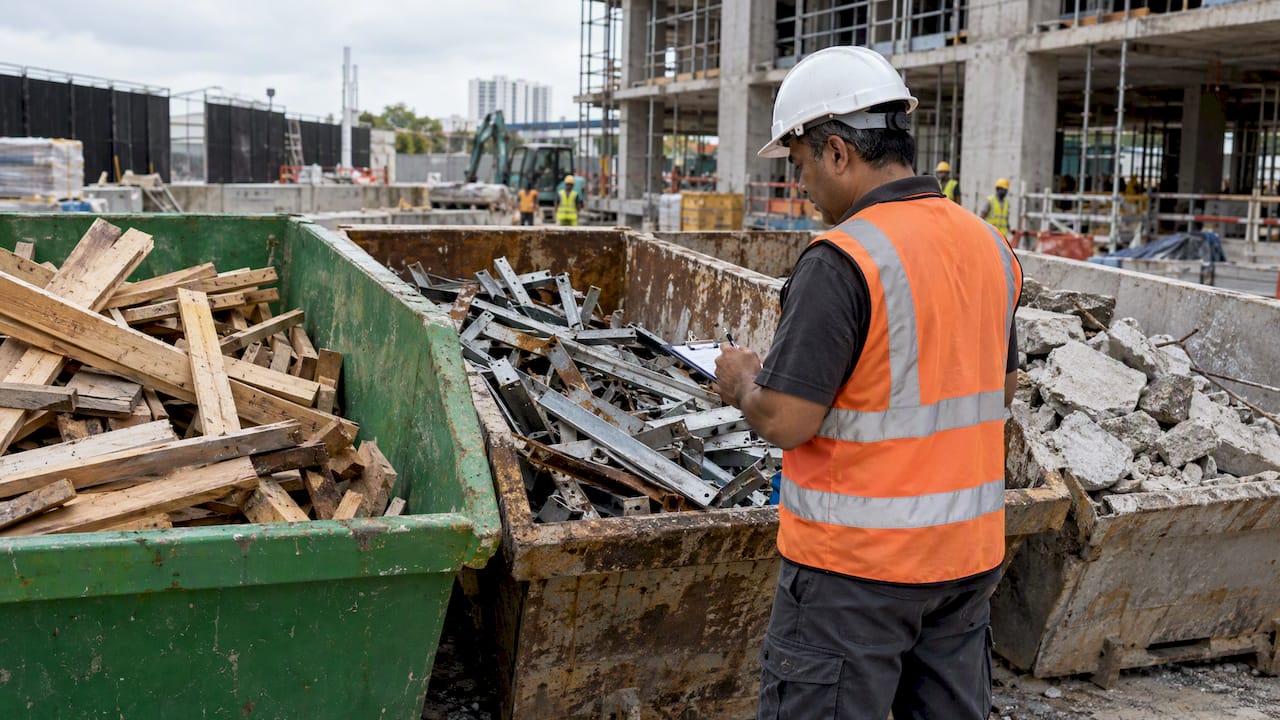
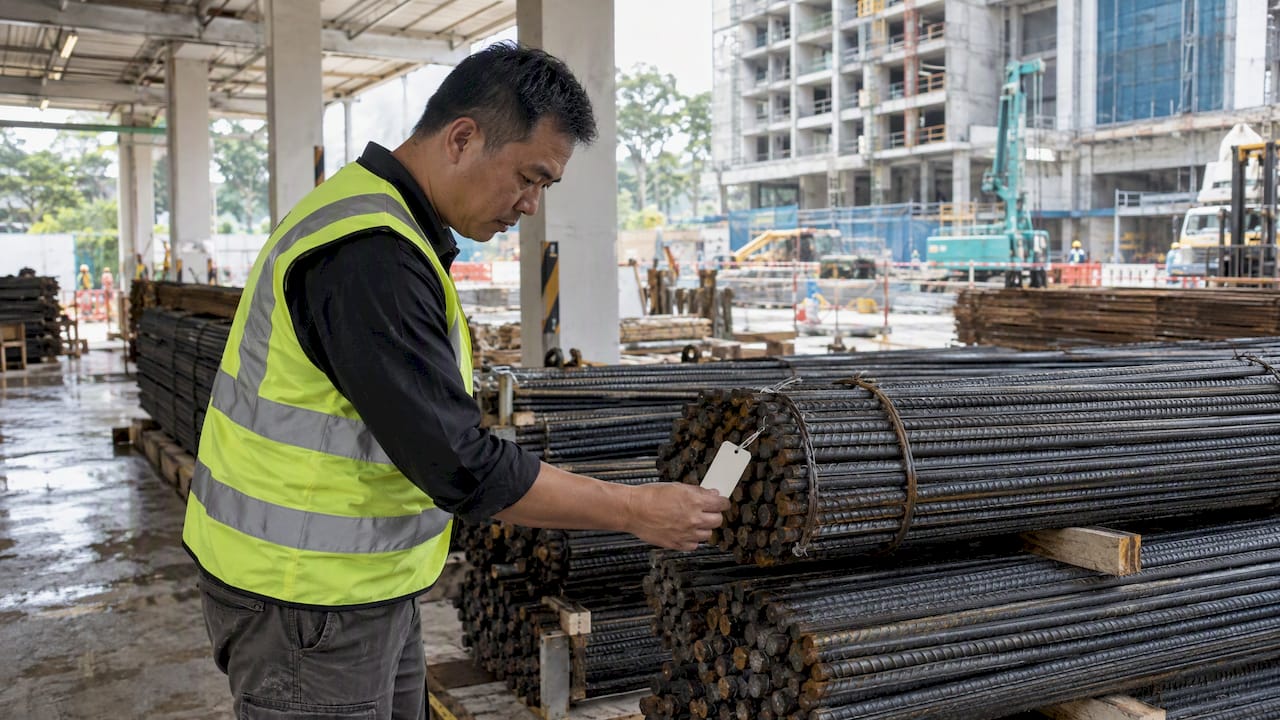
- Construction: This sector is a perennial high-risk environment. Construction sites are dynamic, constantly changing, and often exposed to the elements. Workers navigate uneven terrain, cluttered walkways, temporary structures, and surfaces that can become slippery with water, mud, or construction dust. The presence of debris, tools, and materials creates constant tripping hazards.13 In 2024, the construction and manufacturing sectors together accounted for nearly half of all major workplace injuries.6
- Manufacturing: Manufacturing facilities, particularly in sub-sectors like food manufacturing and metalworking, present significant STF risks. Floors can become contaminated with oils, coolants, water, or fine powders, creating dangerously slick surfaces. The movement of materials and the presence of machinery can lead to obstructed walkways and tripping hazards from cables and hoses.15 The manufacturing sector was a top contributor to fatal and major injuries in 2023 and saw 123 major injuries in 2024.6
- Accommodation and Food Services (F&B): The F&B industry is a hotbed for STFs. Kitchens are fast-paced environments where wet and greasy floors are a constant reality. Spills of water, oil, and food are frequent. Staff are often rushing, carrying hot items, which can obstruct their view and increase the risk of a fall. The constant cleaning with water and detergents can also leave floors slippery if not managed correctly.17 This sector, along with construction and manufacturing, was responsible for 54% of all major workplace injuries in 2024.6
- Transportation and Storage: Warehouses and logistics hubs are also high-risk zones. These environments involve the constant movement of goods, pallets, and vehicles like forklifts. Walkways can become cluttered, and spills from damaged goods can create slip hazards. Loading docks, in particular, can be dangerous due to changes in elevation and exposure to weather.9
The consistent appearance of these industries in MOM reports underscores the need for sector-specific interventions. A one-size-fits-all approach to STF prevention is insufficient. The control measures implemented must be tailored to the unique hazards present in a construction trench, a bustling restaurant kitchen, or a busy factory floor.
Part 2: The WSH Act and Your Legal Obligations: Beyond Compliance, Towards Responsibility
Preventing Slips, Trips, and Falls in Singapore is not merely a matter of good practice or corporate social responsibility; it is a fundamental legal requirement enshrined in the nation’s primary safety legislation.
The Workplace Safety and Health (WSH) Act establishes a comprehensive legal framework that places clear, enforceable duties on all workplace stakeholders. Understanding these obligations is the first and most critical step for any business leader, manager, or safety professional aiming to build a safe and compliant workplace. Failure to do so can result in severe legal, financial, and reputational consequences.
2.1. The Foundation of Safety: Core Principles of the WSH Act
The WSH Act, which replaced the outdated and prescriptive Factories Act in 2006, represents a modern, progressive approach to occupational safety.20 It moves away from a simple checklist-based compliance model to a more dynamic, performance-based system founded on risk management. The legislation is built on three core principles that every organization must internalize 21:
- Reduce Risk at the Source: The Act’s primary philosophy is that those who create risks are best placed to manage and control them. This principle requires stakeholders to proactively identify potential hazards—such as a slippery floor or a cluttered walkway—and implement measures to eliminate or minimize the risk before an incident can occur.
- Instill Greater Industry Ownership: The WSH Act promotes a shift in mindset from passive compliance to active ownership of safety outcomes. It encourages industries and individual companies to develop their own robust safety management systems tailored to their specific operations, rather than simply waiting for regulators to dictate requirements.
- Impose Higher Penalties for Poor Safety Management: To ensure that safety is taken seriously, the Act provides for significant penalties for non-compliance and risky behavior. This strong deterrent underscores the message that compromising on safety is not an acceptable business practice and will have serious repercussions.20
These principles collectively create a legal environment where proactivity is mandated, responsibility is shared, and negligence is costly.
2.2. Defining Duties: The Roles and Responsibilities of Every Stakeholder
The WSH Act is unequivocal in its distribution of duties. It recognizes that a safe workplace is the result of a collective effort and assigns specific, legally binding responsibilities to various stakeholders. For preventing STFs, these duties are particularly relevant.23
- Duties of Employers: The employer bears the primary responsibility for the safety and health of their employees. This duty is extensive and requires them to take all reasonably practicable measures, which include:
- Conducting thorough risk assessments to identify STF hazards and implementing effective controls.24
- Providing and maintaining a safe work environment, which directly relates to ensuring floors are kept in good condition, walkways are clear, and lighting is adequate.24
- Ensuring all machinery, equipment, and processes are safe, which includes preventing leaks or spills that could cause slip hazards.24
- Developing and implementing procedures for emergencies, including how to respond to an STF incident.27
- Providing workers with sufficient instruction, training, and supervision on how to work safely and avoid STF hazards.24
- Duties of Occupiers: This category includes building owners, facilities managers, or any party with control over a premise. Their duty extends beyond their own employees to every person within the workplace, including contractors, visitors, and tenants’ staff. An occupier must ensure that:
- The workplace itself, including common areas, is safe and without risk.24
- All means of access and egress, such as corridors, lobbies, and staircases, are safely maintained.24 This is a critical duty for preventing STFs caused by issues like damaged flooring, poor lighting, or worn-out anti-slip surfaces in shared spaces.
- Duties of Principals: This typically refers to main contractors or companies that engage other contractors. A principal has a duty to ensure that the contractors they hire are competent and have the resources to perform the work safely.24 They cannot simply hire a subcontractor and absolve themselves of safety responsibility for the work being done on their project.
- Duties of Employees: Safety is a shared responsibility, and employees have their own legal duties under the Act. Every worker must:
- Follow all established safe work procedures and safety rules.24
- Use any provided Personal Protective Equipment (PPE), such as anti-slip footwear, correctly and not tamper with it.24
- Not engage in any unsafe or negligent act that could endanger themselves or others, such as running on a wet floor or being distracted by a mobile phone while walking.4
- Report any identified hazards, unsafe conditions, or near-miss incidents to their supervisor promptly so that action can be taken.26
A crucial and often overlooked aspect of this legal framework is the concept of extended liability. A company’s responsibility does not end with its own direct employees. The distinct duties assigned to occupiers and principals mean that liability for an STF incident can be shared.
For instance, if an employee of a cleaning contractor slips and falls in a mall’s common corridor due to poorly maintained, slippery tiles, the mall owner (as the occupier) could be held legally responsible for the incident because they failed in their duty to ensure the premises were safe.24
Similarly, if a subcontractor’s worker trips over debris left in a common work area on a construction site, the main contractor (as the principal) could be held liable for failing to ensure a safe system of work. This demonstrates that safety management cannot be siloed; it must extend to procurement processes, contractor management, and a comprehensive oversight of all activities occurring on a company’s premises.
2.3. The Mandate for Proactivity: The Central Role of Risk Assessment
The engine that drives the WSH Act is the WSH (Risk Management) Regulations. These regulations make it mandatory for every workplace to conduct a Risk Assessment (RA) for all work activities and processes.2 This legal requirement codifies the principle of proactivity—it is not enough to simply react to accidents after they happen. Companies must actively anticipate and control risks.
For STFs, the RA process involves a systematic approach:
- Hazard Identification: The first step is to methodically inspect the workplace to identify all potential STF hazards. This includes looking for contaminated floors (water, oil, dust), poor housekeeping (clutter, trailing cables), environmental factors (poor lighting, uneven surfaces), and unsafe behaviors (rushing, carrying bulky items that obstruct vision).4
- Risk Evaluation: Once hazards are identified, the team must evaluate the risk associated with each one. This involves assessing both the likelihood of an STF incident occurring and the potential severity of the injury that could result. A wet spot in a low-traffic storeroom has a different risk level than a greasy floor in a busy kitchen.
- Risk Control: Based on the evaluation, the company must implement control measures to either eliminate the hazard completely or reduce the risk to a level that is “as low as reasonably practicable” (ALARP). These controls should follow the hierarchy of controls, prioritizing more robust solutions like engineering changes over reliance on PPE.27
- Implementation and Communication: The control measures must be implemented effectively, and all relevant employees must be informed of the risks and the procedures in place to manage them.
- Record Keeping and Review: The entire RA process, including the findings and control measures, must be documented. These records must be kept for a minimum of three years and be available for inspection by MOM.26 The RA is not a one-time exercise; it must be reviewed at least every three years, or whenever there is a significant change in work processes or after any incident occurs.27
2.4. The Cost of Negligence: Penalties for Non-Compliance
The WSH Act backs its requirements with substantial penalties to ensure that organizations take their duties seriously. The consequences of negligence are not just theoretical; they are actively enforced by MOM and can have a crippling effect on a business.28
- Financial Penalties (Fines): Companies found in breach of WSH regulations face significant monetary fines. The amount depends on the severity of the offense and the company’s history of compliance.28 For example, a targeted MOM enforcement operation on STF hazards from June to July 2019 resulted in 144 composition fines totaling $164,000.12 For more severe breaches of subsidiary legislation that could lead to death or serious injury, maximum fines have been raised to $50,000 to strengthen deterrence.29 Individuals can also be fined, with penalties for certain offenses reaching up to $20,000 for repeat offenders.30
- Imprisonment: In the most egregious cases of non-compliance, particularly where a serious incident results from gross negligence, responsible individuals within the company, including directors and managers, may face imprisonment.28
- Stop-Work Orders (SWO): MOM has the authority to issue an SWO, which forces a company to cease all or part of its operations until critical safety lapses are rectified.28 During an STF-focused enforcement operation, four such SWOs were issued.12 An SWO can be financially devastating, leading to project delays, contractual penalties, and a complete halt in revenue generation.
- Reputational Damage: Beyond the direct legal and financial penalties, a serious WSH incident can cause irreparable harm to a company’s reputation. It can lead to a loss of trust among clients, investors, and the public, making it difficult to secure future business and attract talent.28
These penalties make it unequivocally clear that investing in STF prevention is not a cost but an essential investment in business continuity, legal compliance, and corporate integrity.
Part 3: The Practitioner’s Playbook: A Systematic Approach to Eliminating STF Hazards
Understanding the statistical threat and legal obligations of STFs is the foundation. The next step is implementation. This section provides a detailed, practical playbook for WSH practitioners, facility managers, and business owners to systematically identify and control STF hazards in their workplaces.
The approach is structured around the internationally recognized Hierarchy of Controls, a framework that prioritizes the most effective and reliable risk reduction measures. By applying this hierarchy, organizations can move beyond simply reacting to incidents and begin to proactively engineer safety into their environment and work processes.
3.1. The Hierarchy of Control: A Framework for Effective Intervention
The Hierarchy of Controls is a systematic approach to managing workplace risks. It ranks control measures from the most effective to the least effective. The principle is that it is always better to eliminate a hazard altogether than to rely on workers to protect themselves from it. The hierarchy, in descending order of effectiveness, is as follows 31:
- Elimination: Physically remove the hazard. This is the most effective control.
- Substitution: Replace the hazard with a safer alternative.
- Engineering Controls: Isolate people from the hazard by modifying the physical environment or equipment. These controls are highly reliable as they do not depend on human behavior.
- Administrative Controls: Change the way people work through procedures, training, and signage. These are less effective as they rely on people following rules.
- Personal Protective Equipment (PPE): Protect the worker with equipment like safety shoes or harnesses. This is the last line of defense and the least effective control, as it does not remove the hazard and relies on correct and consistent use by the worker.
A robust STF prevention program will utilize a combination of these controls, with a strong emphasis on the more effective measures at the top of the hierarchy.
3.2. Engineering the Hazard Out: Modifying the Physical Environment
Engineering controls are the cornerstone of a physically safe workplace. They are designed to remove the hazard at its source or create a barrier between the worker and the hazard, making them inherently more reliable than controls that depend on human action.
3.2.1. The Foundation of Safety: Flooring and Walking Surfaces (SS 485)
The single most important surface in any workplace is the floor. Its condition and properties are a primary determinant of STF risk. In Singapore, the key standard governing this is SS 485: Specification for slip resistance classification of pedestrian surface materials.33 This standard, which is an identical adoption of Australian Standard AS 4586, provides a systematic way to classify and select flooring based on its slip resistance, ensuring it is fit for purpose.33
Understanding and correctly applying SS 485 is a critical engineering control. The standard uses two primary testing methods to classify flooring:
- The Pendulum Test (P-Rating): This test simulates the slipping of a shod heel on a wet surface. It uses a pendulum arm with a rubber slider to measure the friction of the floor when wet. The result is a classification from P0 (very high slip potential) to P5 (very low slip potential).35 This rating is crucial for areas prone to water spills, such as toilets, walkways exposed to rain, and general indoor areas. The P-ratings correspond to an older V, W, X, Y, Z classification system, which is still sometimes referenced.35
- The Oil-Wet Ramp Test (R-Rating): This test is more aggressive and is designed for environments where more viscous contaminants like oil and grease are expected. A person wearing standard footwear walks on an oil-covered, inclined ramp made of the test flooring. The angle of the ramp is increased until the person slips. The maximum angle achieved determines the R-rating, from R9 (lowest slip resistance) to R13 (highest slip resistance).37 This rating is essential for commercial kitchens, food processing areas, and industrial workshops.
Choosing the correct flooring is not a matter of guesswork; it is a risk-based decision. Annex ZA of SS 485 provides a detailed guide for selecting materials based on location.35 For example, a commercial kitchen, with its constant exposure to grease and water, requires a much higher slip resistance (e.g., R11/P4) than a dry office corridor (e.g., R9/P1). Choosing a floor with an inadequate rating for its environment is a fundamental failure in engineering controls.
Where replacing flooring is not feasible, other engineering solutions can be applied, such as installing high-quality anti-slip mats in high-risk areas (e.g., entrances, wet work areas) or applying microscopic etching treatments or non-slip coatings to enhance the floor’s coefficient of friction.4
The following table translates the technical guidance from SS 485 into a practical selection tool for common workplace areas.
Table 2: Guide to SS 485 Slip Resistance Ratings for Workplace Application
| Location/Work Area | Foreseeable Contaminants | Recommended Pendulum Rating (P-Value) | Recommended Ramp Rating (R-Value) |
| Office Corridor / Dry Indoor Area | Dust, occasional minor water spills | P1 (Z) | R9 |
| Building Entrance / Foyer (prone to being wet) | Rainwater, dirt | P3 (X) | R10 |
| General Outdoor Walkway / Porch | Rainwater, leaves | P4 (W) | R11 |
| Internal Stair Treads & Landings | Water, cleaning solutions | P3 (X) | R10 |
| External Ramps & Stairs | Rainwater | P4 (W) | R11 |
| Commercial Kitchen / Food Canteen | Water, grease, oil, food debris | P4 (W) | R11 |
| Toilets / Shower Rooms | Water, soap | P3 (X) | R10 |
| Industrial Workshop / Loading Bay | Oil, coolants, water, dust | P4 (W) or higher | R11 or R12 |
Data synthesized from SS 485:2022 Annex ZA 35 and commercial guides.37 Note: The P and R ratings are from different tests and are not directly equivalent; specifiers should choose the appropriate test method based on the primary contaminant expected.
3.2.2. Illuminating the Path: Lighting for Safety (SS 531)
Poor lighting is a significant contributor to STF incidents. It can obscure hazards on the floor, mask changes in elevation, and create shadows that deceive the eye.4 Providing adequate and appropriate lighting is a fundamental engineering control and a legal duty for the occupier of a workplace under the WSH (General Provisions) Regulations.42
The governing standard in Singapore is SS 531: Code of Practice for Lighting of Work Places.43 This standard provides detailed recommendations on the quantity and quality of light needed for safety and performance. Key considerations for STF prevention include:
- Illuminance Level (Lux): This is the measure of how much light falls on a surface. SS 531 specifies minimum maintained illuminance levels for different areas. Insufficient light makes it difficult to spot trip hazards. For example, the standard recommends at least 100-150 lux for general circulation areas like corridors and stairs, 300 lux for reception desks, and 500 lux for general office work.43
- Uniformity: It is not enough to have bright spots; the light must be evenly distributed. Poor uniformity creates dark patches and shadows, which can hide hazards. SS 531 recommends a uniformity ratio (minimum illuminance divided by average illuminance) of at least 0.4 for general areas and 0.7 for task areas.47
- Glare Reduction: Excessive glare, whether direct from a light source or reflected off a shiny surface, can cause visual discomfort and temporarily impair vision, increasing the risk of missing a hazard. Lighting design should minimize glare.
- Consideration for an Ageing Workforce: It is a well-established ergonomic principle that older individuals require more light to see clearly. For workplaces with older employees, illuminance levels may need to be significantly higher than the standard recommendation to ensure safety.43
Regularly inspecting and maintaining the lighting system, including cleaning fixtures and replacing burnt-out lamps promptly, is essential to ensure these standards are consistently met.
The following table provides a quick reference to the minimum lighting levels recommended by SS 531 for areas relevant to STF prevention.
Table 3: Recommended Minimum Illuminance Levels (Lux) as per SS 531
| Work Area/Activity | Recommended Maintained Illuminance (Em, lux) |
| Corridors & Stairs | 100 |
| Archive / Storerooms | 200 |
| Filing, Copying, Circulation Areas | 300 |
| Reception Desk | 300 |
| Conference & Meeting Rooms | 500 |
| General Office Work (Writing, Reading, Data Processing) | 500 |
| Technical Drawings | 750 |
Data extracted from SS 531 recommendations cited in various sources.43
3.2.3. Safe Passage: Stairways, Handrails, and Guardrails
Stairs are a common location for falls, and falls from open edges can be fatal. Proper design and protection of these areas are critical engineering controls. WSH regulations and international standards provide clear requirements:
- Stair Design: Stairs must have uniform riser heights and tread depths to avoid disrupting a person’s gait. A sudden, unexpected change in step height is a classic trip hazard. Stairs must also be of adequate width (minimum 22 inches or 56 cm between barriers) and be strong enough to support the anticipated loads.50
- Handrails: Handrails provide crucial support and stability. They are mandatory on any stairway with four or more risers or rising more than 30 inches (76 cm).51 The top of the handrail should be between 36 inches (91.5 cm) and 37 inches (94 cm) above the front edge of the stair treads. They must be securely fixed and provide adequate handhold clearance from the wall.4
- Guardrails and Toe-boards: To prevent falls from height, any open side of a platform, walkway, or workplace from which a person could fall more than 2 meters must be protected by a guardrail system.54 A standard system includes a top rail at least 1 meter high, a mid-rail located midway between the top rail and the floor, and a toe-board at least 90 mm high at the base to prevent tools or materials from being kicked off the edge and creating a hazard for people below.14
3.3. Administrative Controls: Implementing Safe Systems and Procedures
While engineering controls modify the physical environment, administrative controls modify how people work within that environment. They are essential for managing risks that cannot be engineered out completely and involve establishing policies, procedures, and training.
3.3.1. The First Line of Defence: A Culture of Good Housekeeping
Poor housekeeping is a leading cause of STFs and was one of the top contraventions found during MOM’s targeted enforcement operations.12 Good housekeeping is more than just occasional tidying; it is a systematic and continuous process that should be ingrained in the workplace culture. Key elements of a robust housekeeping program include:
- Clear Walkways: All aisles, corridors, stairways, and work areas must be kept free of clutter, materials, equipment, and debris at all times. Trailing cables and hoses must be covered with proper ramps or re-routed away from walkways.1
- Immediate Spill Response: All spills, whether wet (water, oil, chemicals) or dry (powders, dust, granules), must be cleaned up immediately. A clear procedure should be in place, with spill kits and cleaning materials readily available.1
- Scheduled Cleaning and Inspections: Regular, documented cleaning schedules should be implemented for all areas. This should be supplemented by routine housekeeping inspections to identify and rectify any lapses promptly.53 The WSH Council provides sample housekeeping checklists that can be adapted for this purpose.58
- Designated Storage: Proper and clearly marked areas for tools, materials, and waste must be provided and consistently used to prevent them from encroaching on traffic routes.14
3.3.2. Making Hazards Visible: Effective Signage and Demarcation
When a hazard cannot be eliminated, it must be clearly communicated. Visual warnings are a simple but effective administrative control. This includes:
- Warning Signs: Using universally understood safety signs, such as the “Caution: Wet Floor” sign, is essential for alerting people to temporary slip hazards like a freshly mopped floor or a recent spill.1
- Floor Markings: Using durable floor marking tape to clearly demarcate pedestrian walkways, vehicle routes, hazardous areas, and designated storage zones helps to organize the workspace and guide people away from potential dangers.59
- Highlighting Elevation Changes: Applying high-visibility, contrasting color tape to the edges of steps, kerbs, and ramps makes these potential trip hazards much more conspicuous, especially in areas with low or changing light levels.4
3.3.3. Building Competence: Training and Supervision
Providing safe equipment and writing safe procedures are futile if workers do not know how to follow them. Training and supervision are critical administrative controls that bridge the gap between policy and practice. A comprehensive training program for STF prevention should cover 27:
- Hazard Identification: Training workers to recognize the specific STF hazards in their work environment.
- Safe Work Procedures: Instruction on specific safety protocols, such as maintaining three-points-of-contact when using a ladder, proper techniques for carrying loads to ensure a clear line of sight, and the importance of not rushing.
- Use of PPE: Demonstrating the correct way to wear, inspect, and maintain PPE like anti-slip footwear.
- Reporting and Emergency Procedures: Ensuring every worker knows how and to whom they should report a hazard or a near-miss, and what to do in the event of an STF incident.
The WSH Council’s STF Resolution initiative encourages companies to formalize this process by committing to “Take Time to Check” for hazards, “Take Time to Clean,” and “Take Time to Share” safety messages regularly with their workforce.61
3.4. The Last Line of Defence: Personal Protective Equipment (PPE)
Positioned at the bottom of the hierarchy, PPE is the last line of defense. It does not remove the hazard itself but provides a barrier between the worker and the hazard. While less effective than engineering or administrative controls, it is an essential component of a comprehensive safety program, particularly when residual risk remains after other controls have been implemented.
3.4.1. Stepping Safely: A Guide to Selecting Anti-Slip Footwear (SS 513)
For STF prevention, the most critical piece of PPE is appropriate footwear. In Singapore, safety footwear is governed by SS 513: Specification for personal protective equipment – Footwear, which is an identical adoption of the international standard ISO 20345.63 Selecting the right footwear is a technical decision that must be based on a risk assessment of the specific workplace.
Key selection criteria include:
- Compliance and Certification: Always ensure that safety footwear is certified to SS 513 / EN ISO 20345. This will be indicated on the product label and ensures it has met rigorous testing standards for features like toe protection, puncture resistance, and more.65
- Slip Resistance Rating: This is the most critical feature for STF prevention. Under the EN ISO 20345:2011 standard, footwear was tested and marked with SRA (tested on ceramic tile with soap), SRB (tested on steel with glycerol), or SRC (passed both tests).68 The newer EN ISO 20345:2022 standard has revised this; slip resistance is now a mandatory basic requirement, with an optional, more stringent “SR” marking for footwear that passes an additional test on a glycerine-contaminated tile.69 When procuring footwear, look for these ratings to ensure a high level of slip resistance.
- Suitability for the Environment: The design of the outsole is crucial. A sole with deep, open cleats is better for loose, outdoor surfaces like mud or gravel, as it provides grip and sheds debris. Conversely, a sole with a flatter, high-surface-contact pattern is better for smooth indoor floors that may be wet or oily, as it maximizes the contact area for friction.69 The sole material is also important; rubber and polyurethane (PU) soles generally offer better slip resistance than vinyl or leather.71
- Fit and Comfort: This is a critical safety factor. Ill-fitting footwear can cause pain, fatigue, and distraction, which in itself increases the risk of an STF. When selecting footwear, ensure there is adequate toe space, the shoe flexes with the foot, and it is appropriate for the worker’s foot width.72
The following table provides a guide for selecting appropriate safety footwear based on the specific hazards found in different high-risk industries.
Table 4: SS 513 Safety Footwear Selection Guide based on Workplace Hazards
| Industry/Environment | Primary STF Hazard | Recommended Footwear Features | SS 513/EN ISO 20345 Category |
| F&B / Commercial Kitchen | Water, grease, oil, food spills | High slip resistance (SRC/SR), oil-resistant sole, water-resistant upper. | S2 |
| Construction Site | Mud, water, uneven ground, sharp objects (nails) | High slip resistance (SRC/SR), deep-cleated outsole, puncture-resistant midsole, protective toecap. | S3 |
| Manufacturing Plant (Wet Process) | Water, chemicals, oils, coolants | High slip resistance (SRC/SR), oil and chemical-resistant sole, water-resistant upper, protective toecap. | S2 or S3 (if puncture risk exists) |
| Logistics / Warehouse | Smooth concrete floors, occasional spills, falling objects | High slip resistance (SRC/SR), protective toecap, good shock absorption. | S1 or S1P (if puncture risk exists) |
| Healthcare / Hospitals | Wet floors from cleaning, spills | High slip resistance (SRC/SR), comfortable and supportive, closed-heel design. | OB or O1 (Occupational Footwear) |
Data synthesized from SS 513 overview 63, commercial guides 67, and product specifications.66 Safety categories (S1, S2, S3) include basic requirements like a protective toecap and add features like puncture resistance (P) and water resistance.
Part 4: Building a Resilient Safety Culture: From Mandate to Mindset
Implementing the technical controls and administrative procedures detailed in the previous section is essential for STF prevention. However, these measures alone are not enough to create a truly safe and resilient workplace. The most sophisticated engineering controls can be bypassed, and the most detailed procedures can be ignored.
The ultimate success of any WSH program depends on cultivating a strong, positive safety culture—an environment where safety is not just a set of rules to be followed, but a shared value that informs every decision and action, from the boardroom to the factory floor. This requires moving beyond a mindset of mere compliance to one of genuine commitment and shared responsibility.
4.1. Leadership in Action: Management’s Role in Driving Safety
A robust safety culture is not a grassroots movement; it is built from the top down. The commitment of senior leadership is the single most important factor in shaping an organization’s attitude towards safety. When employees see that their leaders prioritize safety, they are more likely to do so themselves. This commitment must be visible, consistent, and genuine.25
Visible leadership in safety involves more than just approving a budget for new equipment. It means:
- Integrating WSH into Business Strategy: Leadership must treat safety and health as a core business function, on par with profitability, productivity, and quality.73 This means including WSH performance in management meetings, setting clear safety key performance indicators (KPIs), and holding managers accountable for the safety performance of their teams.
- Active and Visible Participation: Leaders should regularly walk the ground, engage with workers on safety issues, participate in safety committee meetings, and lead safety initiatives. Their physical presence sends a powerful message that safety is not just a departmental issue but a company-wide priority.
- Resource Allocation: Demonstrating commitment means providing the necessary resources—time, money, and personnel—to effectively implement and maintain the WSH program. This includes investing in training, engineering controls, and proper PPE.
- Leading by Example: Leaders and managers must adhere to all safety rules themselves, without exception. When a manager walks through a mandatory PPE area without the proper gear, it undermines the entire safety message.
Recognizing the pivotal role of senior management, the WSH Council has published an Approved Code of Practice (ACOP) on Chief Executives’ and Board of Directors’ WSH Duties. This document provides clear guidance on the actions that company leaders must take to fulfill their legal and moral safety obligations, and in the wake of safety incidents, MOM has mandated that CEOs and directors of companies with serious lapses attend in-person WSH training.25
4.2. Empowering the Frontline: Encouraging Employee Participation and Reporting
While leadership sets the tone, a safety culture can only thrive if it is embraced by the entire workforce. Employees are on the front line; they are often the first to spot a hazard or witness an unsafe act. An effective safety culture empowers them to act on this knowledge without fear of reprisal.74
A key element of this empowerment is the shift from a “blame culture” to a “just culture.” In a blame culture, a worker who reports a near-miss or an incident is often reprimanded or punished, which creates a powerful disincentive to report.
As a result, management remains blind to underlying risks until a serious accident occurs. A “just culture,” in contrast, recognizes that human error is inevitable and focuses on learning from incidents and near-misses to improve the system.3 An employee who reports a slip hazard is not blamed but thanked for identifying a weakness in the system that can now be fixed.
To foster this culture, organizations must establish clear, accessible, and non-punitive systems for reporting.4 This includes:
- Multiple Reporting Channels: Provide various ways for employees to raise concerns, such as directly to a supervisor, through a safety committee representative, or via an anonymous suggestion box or digital portal.
- Near-Miss Reporting: Actively encourage the reporting of near-misses—incidents that could have caused harm but did not.75 Analyzing near-misses is one of the most powerful proactive safety tools, as it allows a company to fix a problem before it leads to an actual injury.
- Protecting Worker Rights: Reinforce that under the WSH Act, employees have the right to report unsafe conditions and even refuse to perform work they reasonably believe poses an imminent danger to their safety and health, without fear of being penalized by their employer.28
4.3. Learning from Lapses: Case Studies in STF Prevention
Analyzing past incidents, both within the organization and across the industry, is a powerful way to learn and prevent recurrence. Case studies make the consequences of safety failures tangible and highlight the specific control measures that could have prevented the tragedy.
A particularly sobering example comes from Singapore’s F&B industry. A restaurant worker was fatally injured after slipping on a wet and greasy kitchen floor while carrying a tray of glasses. The fall caused the glasses to shatter, and a shard inflicted a fatal wound to his neck.19 A subsequent investigation by MOM revealed a cascade of systemic failures:
- Poor Housekeeping: The floor was greasy and slippery, a clear violation of basic housekeeping duties.
- Inadequate Engineering Controls: There were no anti-slip mats, and damaged non-slip tiles had been replaced with standard, less-resistant tiles.
- Failure in Administrative Controls: The company had failed to conduct a proper risk assessment, which would have easily identified the glaring STF hazards in the kitchen.
- Insufficient PPE: While the worker had been issued safety boots, they were not adequate to prevent a slip under such hazardous conditions.
This single incident tragically illustrates how a failure at every level of the hierarchy of controls can lead to the worst possible outcome. The company was subsequently convicted and fined, with the Commissioner for WSH noting that the employer’s absence of risk assessment and safety measures contributed to the “tragic and unnecessary loss of a life”.19
Learning from such cases is a vital part of building a safety culture. The WSH Council regularly publishes case studies, WSH Alerts, and WSH Advisories that detail recent incidents and provide recommendations for prevention.76 Organizations should actively use these resources in their training programs and safety committee meetings to ensure that the lessons from past failures are not forgotten.
4.4. Leveraging National Programmes: The bizSAFE Journey
For many companies, especially Small and Medium-sized Enterprises (SMEs), developing a comprehensive WSH management system from scratch can seem daunting. To address this, the WSH Council established the bizSAFE programme, a nationally recognized, five-step framework designed to help companies progressively build their WSH capabilities.76
The bizSAFE journey guides companies through:
- Level 1: A workshop for top management to demonstrate their commitment.
- Level 2: Training a Risk Management Champion to develop and implement a risk management plan.
- Level 3: Achieving certification for the implementation of the Risk Management system by an independent auditor.
- Level 4: Training a WSH Management System Champion.
- Level 5 (bizSAFE STAR): Achieving certification for a comprehensive WSH Management System, equivalent to standards like ISO 45001.
Participating in bizSAFE provides a clear, structured path to WSH compliance and excellence. It also offers significant business advantages. Many government agencies and large corporations require their contractors and suppliers to be at least bizSAFE Level 3 certified, making it a commercial necessity.
Success stories from the program show that bizSAFE-certified companies experience tangible benefits, including fewer accidents, reduced downtime, lower insurance premiums, and an enhanced corporate reputation, which helps them secure more business.74 By embarking on the bizSAFE journey, companies demonstrate a credible commitment to safety that is recognized across industries, reinforcing the principle that good safety is good business.
Part 5: The Future of STF Prevention: Innovation and Continuous Improvement
The landscape of Workplace Safety and Health is not static. As industries evolve, new risks emerge, and new solutions are developed. A forward-thinking organization understands that achieving WSH excellence is an ongoing journey of continuous improvement, not a final destination. Embracing innovation, leveraging technology, and adopting a holistic view of worker well-being are key strategies that will define the future of STF prevention in Singapore. These approaches enable a shift from a reactive or even proactive stance to a truly predictive model of safety management.
5.1. The Technological Edge: Innovations in Hazard Detection and Prevention
Technology is rapidly becoming a powerful ally in the fight against STFs, offering new ways to identify hazards, monitor risks, and even eliminate dangerous tasks altogether. Singaporean companies and institutions are at the forefront of this wave of innovation.
A prime example of eliminating a hazard through technology is the “Safe Infill Cleaner” (SIC), an innovation by Keppel DHCS. This project won a WSH Innovation Award in 2024 for its ingenious solution to a hazardous maintenance task.80 Cleaning the in-fill areas of large cooling towers traditionally required workers to perform manual washing at height, exposing them to significant risks of both falls from height and STFs on wet, slippery surfaces.
The SIC is an automated, robotic washing system that cleans the cooling tower in-fills without any need for human entry. This innovation is a perfect application of the highest level of the hierarchy of controls—Elimination. It doesn’t just make the task safer; it completely removes the hazardous human-environment interaction, effectively eliminating all associated STF and fall-from-height risks and minimizing operational downtime.80
Beyond eliminating specific tasks, other technologies are emerging to provide real-time data and insights:
- Wearable Sensors: Researchers at the National University of Singapore (NUS) have developed a smart insole equipped with pressure sensors and an inertial measurement unit.82 This device can detect subtle changes in a person’s balance and gait in real-time. It can identify the precise moment a slip or trip occurs, even if it doesn’t result in a fall (a near-miss). This data can be transmitted to supervisors, allowing for immediate intervention. Over time, this data can be aggregated to identify “hot spots” in the workplace where people frequently lose their balance, pinpointing specific ramps, floor surfaces, or corners that require engineering improvements.82
- Video Analytics and AI: Advanced camera systems paired with Artificial Intelligence (AI) can continuously monitor work areas. These systems can be trained to detect STF hazards, such as spills or clutter, and send automated alerts to cleaning crews. They can also detect near-miss incidents or unsafe behaviors, providing valuable data for targeted training and intervention without relying solely on manual reporting.84
- Robotics: In sectors like cleaning and logistics, autonomous robots can take over tasks that involve extensive walking, such as floor scrubbing or material transport. This not only improves efficiency but also reduces worker fatigue, which is a known contributor to STF risk.84
These technological advancements signal a paradigm shift in safety management. Traditional safety models are reactive, analyzing incidents after they occur. A proactive model implements controls for known risks. These new technologies, however, enable a predictive approach.
By capturing and analyzing real-time data on precursor events like near-misses and momentary losses of balance, organizations can identify latent risks and intervene before they escalate into injury-causing incidents.75 This data-driven strategy allows for the precise targeting of resources, moving from blanket safety policies to surgical interventions based on predictive analytics, marking the next frontier in WSH management.
5.2. A Holistic Approach: Integrating Worker Health with Safety (Total WSH)
Another crucial evolution in safety thinking is the move towards a more holistic model that recognizes the inextricable link between a worker’s health and their safety. The Total Workplace Safety and Health (Total WSH) concept, championed by the WSH Council and academic institutions like the NUS Saw Swee Hock School of Public Health, is a framework that integrates occupational safety, occupational health, and general health promotion.76
The rationale is simple: a worker who is unwell, fatigued, or under stress is more likely to make an error or have an accident. Research and official reports have highlighted that poorly managed chronic health conditions, such as diabetes or hypertension, can lead to symptoms like dizziness or loss of consciousness, which can directly cause a fall.28 Similarly, worker fatigue, whether from long hours, poor sleep, or physical exertion, impairs cognitive function, slows reaction times, and reduces situational awareness, making an STF more likely.86
A Total WSH approach to STF prevention, therefore, looks beyond the physical hazards in the workplace and considers the condition of the worker. It involves:
- Managing Fatigue: Implementing fair work schedules, ensuring adequate rest periods, and educating workers on sleep hygiene.
- Health Promotion: Offering health screenings to detect chronic conditions, providing support for managing these conditions, and promoting healthy lifestyle choices like proper nutrition and exercise.
- Mental Well-being: Creating a supportive work environment that addresses workplace stress and provides access to mental health resources.
By investing in the overall health and well-being of their employees, companies are also making a direct investment in their safety. A healthy, alert, and well-rested workforce is the most resilient defense against any workplace hazard, including slips, trips, and falls.
5.3. Your Path Forward: Creating a Sustainable STF Prevention Programme
Eliminating Slips, Trips, and Falls is not a one-time campaign but an ongoing process of commitment and continuous improvement. For businesses in Singapore, the path forward is clear and supported by a wealth of national resources and frameworks. A sustainable and effective STF prevention program is built on three core pillars: unwavering Legal Compliance, robust multi-layered Risk Controls, and a positive, proactive Safety Culture.
This comprehensive report has provided the blueprint. The immediate call to action for every organization is to:
- Conduct a Comprehensive STF Audit: Use the information, checklists, and tables within this guide as a starting point. Walk your premises with a critical eye. Assess your flooring against SS 485 standards. Measure your lighting levels against SS 531. Scrutinize your housekeeping procedures. Review your incident and near-miss logs. Identify the gaps between your current state and best practice.
- Commit to the WSH Council’s STF Resolution: Formalize your commitment by participating in this national initiative. Dedicate specific, scheduled time to Check for hazards, Clean your work areas systematically, and Share safety messages and learnings with your entire team.61 This simple framework helps to embed STF prevention into your regular operational rhythm.
- Embrace Continuous Improvement: Safety is a journey, not a destination. Establish a cycle of regular review. Analyze every incident and near-miss to understand its root causes. Solicit feedback and suggestions from your employees—they are your best source of on-the-ground intelligence. Stay informed about new technologies and evolving best practices.
Preventing slips, trips, and falls is one of the most impactful actions a company can take to protect its people. It is a direct reflection of an organization’s values and its commitment to operational excellence. By moving beyond mere compliance and embracing a holistic, proactive, and data-driven approach, Singaporean workplaces can effectively mitigate this pervasive risk, safeguarding their employees, enhancing their productivity, and strengthening their business for a safer, more resilient future.
Works cited
- According to the statistics from the Ministry of Manpower, Slips, Trips & Falls (STF) remains one of the top causes of major injuries in Singapore, accessed July 1, 2025, https://www.ntu.edu.sg/docs/librariesprovider123/safety-documents/sam-poster/aug-2021-prevention-of-slips-trips-and-falls-(stf).pdf?sfvrsn=b1659971_2
- About Slips Trips and Falls, accessed July 1, 2025, https://www.tal.sg/wshc/topics/slips-trips-and-falls/about-slips-trips-and-falls
- Slips, Trips and Falls Prevention Sharing, accessed July 1, 2025, https://www.tal.sg/wshc/-/media/tal/wshc/resources/event-resources/presentation-slides/files/stf-prevention-tips-for-town-council.ashx
- Preventing Slips Trips and Falls, accessed July 1, 2025, https://www.tal.sg/wshc/topics/slips-trips-and-falls/preventing-slips-trips-and-falls
- Health and and personal safety , occupational safety | PPT – SlideShare, accessed July 1, 2025, https://www.slideshare.net/slideshow/health-and-and-personal-safety-occupational-safety/265726272
- Workplace deaths in Singapore rise to 43 in 2024; major injury rate at its lowest, accessed July 1, 2025, https://www.straitstimes.com/singapore/workplace-deaths-in-spore-rise-to-43-in-2024-major-injury-rate-at-its-lowest-mom
- SINGAPORE WORKPLACE SAFETY & HEALTH REPORT – MOM, accessed July 1, 2025, https://www.mom.gov.sg/-/media/mom/documents/safety-health/reports-stats/wsh-national-statistics/wsh-report-2022.pdf
- 2022 National WSH Statistics, accessed July 1, 2025, https://www.tal.sg/wshc/media/announcements/2023/2022-national-wsh-statistics
- Workplace Safety and Health Report 2023 – MOM, accessed July 1, 2025, https://www.mom.gov.sg/-/media/mom/documents/safety-health/reports-stats/wsh-national-statistics/wsh-national-stats-2023.pdf
- Workplace Safety and Health Report 2022 – MOM, accessed July 1, 2025, https://www.mom.gov.sg/-/media/mom/documents/safety-health/reports-stats/wsh-national-statistics/wsh-national-stats-2022.pdf
- Workplace Safety and Health Report 2024 – MOM, accessed July 1, 2025, https://www.mom.gov.sg/-/media/mom/documents/safety-health/reports-stats/wsh-national-statistics/wsh-national-stats-2024.pdf
- FACTSHEET ON ENFORCEMENT OPERATION AIMED AT … – MOM, accessed July 1, 2025, https://www.mom.gov.sg/-/media/mom/documents/speeches/2019/0826-annex-factsheet-on-mom-stf-enforcement-operation.pdf
- Understanding Safety Protocols In The Construction Industry – LearnCollab, accessed July 1, 2025, https://www.learncollab.com.sg/construction-safety/
- Slips, Trips, and Falls Safety Training in the Construction Industry – HSI, accessed July 1, 2025, https://hsi.com/blog/slips-trips-and-falls-in-the-construction-industry
- Manufacturing Sector Urged to Stay Vigilant Amid Potential Rise in Workplace Injuries, accessed July 1, 2025, https://www.tal.sg/wshc/media/announcements/2025/manufacturing-sector-urged-to-stay-vigilant-amid-potential-rise-in-workplace-injuries
- The Most Common Accidents and Injuries Affecting Factory Workers – Kee Safety, accessed July 1, 2025, https://keesafety.sg/news/the-most-common-accidents-and-injuries-affecting-factory-workers
- Workplace Safety and Health in Food and Beverage Operations, accessed July 1, 2025, https://www.assuresafety.com.sg/workplace-safety-and-health-in-food-and-beverage-operations/
- Preventing Slips, Trips, and Falls in Restaurants: Tips for Ensuring Workplace Safety in Singapore – SKILLMASTER Training Centre Pte Ltd, accessed July 1, 2025, https://skillmastertc.com/food-safety/preventing-slips-trips-and-falls-in-restaurants-tips-for-ensuring-workplace-safety-in-singapore/
- food & beverage management association, singapore – inspired passion – hospitality knows no boundaries, accessed July 1, 2025, https://www.tal.sg/wshc/-/media/TAL/Wshc/Resources/Event-Resources/Presentation-Slides/Files/2–WSH-in-the-Food-and-Beverage-Industry–Dennis-Ng.pdf
- Workplace Safety and Health Act – Wikipedia, accessed July 1, 2025, https://en.wikipedia.org/wiki/Workplace_Safety_and_Health_Act
- Workplace Safety and Health Act: what it covers – MOM, accessed July 1, 2025, https://www.mom.gov.sg/workplace-safety-and-health/workplace-safety-and-health-act/what-it-covers
- Workplace Safety and Health Act in Singapore: HR Guide – QuickHR, accessed July 1, 2025, https://quickhr.co/resources/blog/workplace-safety-and-health-act
- Workplace Safety and Health Act 2006 – Singapore Statutes Online, accessed July 1, 2025, https://sso.agc.gov.sg/Act/WSHA2006
- WSH Act: responsibilities of stakeholders – MOM, accessed July 1, 2025, https://www.mom.gov.sg/workplace-safety-and-health/workplace-safety-and-health-act/responsibilities-of-stakeholders
- Roles and Responsibilities under the Workplace Safety and Health Act – Dentons Rodyk, accessed July 1, 2025, https://dentons.rodyk.com/en/insights/alerts/2023/february/16/roles-and-responsibilities-under-the-workplace-safety-and-health-act
- Cleaning and Custodial Services – Workplace Safety and Health Guidelines, accessed July 1, 2025, https://www.tal.sg/wshc/-/media/TAL/Wshc/Resources/Publications/WSH-Guidelines/Files/WSH_Guidelines_Cleaning_and_Custodial_Services.pdf
- Workplace Safety and Health Act: Compliance requirements – IR Global, accessed July 1, 2025, https://irglobal.com/article/workplace-safety-and-health-act-compliance-requirements/
- Singapore’s Workplace Safety and Health Act Guide – Omni HR, accessed July 1, 2025, https://www.omnihr.co/blog/workplace-safety-and-health-act
- HSB WSHE PERFORMANCE FOR YEAR 2022, accessed July 1, 2025, https://www.hwaseng.com.sg/Resources/Images/NewHighLights/51897e597bcf48d88e18d11f62c92ed5.pdf
- Workplace Safety and Health (Incident Reporting) Regulations – Singapore Statutes Online, accessed July 1, 2025, https://sso.agc.gov.sg/SL/WSHA2006-RG3?DocDate=20140102&ProvIds=P1IV-
- The Measures For Controlling Slip, Trip And Fall Hazards At Work, accessed July 1, 2025, https://advancedct.com/the-measures-for-controlling-slip-trip-and-fall-hazards-at-work/
- Code of Practice for, accessed July 1, 2025, https://www.tal.sg/wshc/-/media/TAL/Wshc/Resources/Publications/Codes-of-Practice/Files/WSH-Code-of-Practice-2013_ebook.pdf
- SS 485-2022 Endorsement Notice | PDF – Scribd, accessed July 1, 2025, https://www.scribd.com/document/680234084/SS-485-2022-Endorsement-notice
- Singapore Standards, accessed July 1, 2025, https://www.singaporestandardseshop.sg/Product/SSPdtDetail/e70b3f3a-de06-49a5-ba9a-4692d8c9f376
- Specification for slip resistance classification of pedestrian surface …, accessed July 1, 2025, https://www.singaporestandardseshop.sg/Product/GetPdf?fileName=221011155548SS%20485-2022%20Endorsement%20notice.pdf&pdtid=e70b3f3a-de06-49a5-ba9a-4692d8c9f376
- Method Statement For Slip Resistance Test (SS 485-2011 Annex A – Ver4) | PDF – Scribd, accessed July 1, 2025, https://www.scribd.com/document/601236313/Method-Statement-for-Slip-Resistance-Test-SS-485-2011-Annex-A-ver4
- Slip Resistance Explained | Tiles Designs & Stone Manufacturer Singapore, accessed July 1, 2025, https://www.whitehorse.com.sg/news-media/slip-resistance-explained
- Anti Slip Ceramic Tile Features – Tiling Contractor Singapore, accessed July 1, 2025, https://floorfitters.biz/anti-slip-ceramic-tile-features/
- What is Slip Resistance Flooring? Anti-Slip Tiles R9-R13 – Anti Slip Floor Treatment, accessed July 1, 2025, https://antislipsolution.sg/anti-slip-floor-coating/anti-slip-tiles-r9-r13-slip-resistance/
- Anti Slip Treatment – Bathtub Restoration, accessed July 1, 2025, https://www.ifrestoration.com.sg/anti-slip-treatment/
- No Skidding® Anti-Slip Floor Treatment – Jestac Singapore, accessed July 1, 2025, https://www.jestac.com/our_product/no-skidding-anti-slip-floor-treatment/
- Workplace Safety and Health (General Provisions) Regulations – Singapore Statutes Online, accessed July 1, 2025, https://sso.agc.gov.sg/SL/WSHA2006-RG1?DocDate=20110909&ProvIds=pr6-
- The Ultimate Office Lighting Design Guide – Screed, accessed July 1, 2025, https://www.screed.com.sg/the-ultimate-office-lighting-design-guide/
- BCA Green Mark – Certification Standard for New Buildings, accessed July 1, 2025, https://www1.bca.gov.sg/docs/default-source/docs-corp-buildsg/sustainability/gm_certification_std2010.pdf
- Code of practice for lighting of work places – Singapore Standards, accessed July 1, 2025, https://www.singaporestandardseshop.sg/Product/GetPdf?fileName=180331110851SS%20531-1-2006%282013%29_Preview.pdf&pdtid=df67737c-a95c-4a21-acfb-a52b086e37b4
- How to Calculate How Many Lights You Need to Install | Brite Insider – Brite LED Lighting Singapore, accessed July 1, 2025, https://www.brite.sg/post/how-to-calculate-how-many-lights-you-need-to-install-brite-insider
- SS 531-2006 (Code of Practice For Lighting of Work Places Part 1) – Scribd, accessed July 1, 2025, https://www.scribd.com/doc/174049966/SS-531-2006-Code-of-Practice-for-Lighting-of-Work-Places-Part-1
- Lighting Levels Part2 | PDF – Scribd, accessed July 1, 2025, https://www.scribd.com/document/409684927/Lighting-Levels-Part2
- Working from Home: Are the Lighting Conditions Ideal?, accessed July 1, 2025, https://www.a-star.edu.sg/nmc/news-articles/news-and-articles/research-spotlight/working-from-home-are-the-lighting-conditions-ideal
- 1910.25 – Stairways. | Occupational Safety and Health Administration, accessed July 1, 2025, https://www.osha.gov/laws-regs/regulations/standardnumber/1910/1910.25
- 1926.1052 – Stairways. | Occupational Safety and Health Administration, accessed July 1, 2025, https://www.osha.gov/laws-regs/regulations/standardnumber/1926/1926.1052
- OSHA Stair, Ladder, Handrail Quick Reference Guide – ErectaStep, accessed July 1, 2025, https://www.erectastep.com/osha-stair-requirements/
- Preventing Slips, Trips, and Falls (STFs) at Your Premises – Eversafe Academy, accessed July 1, 2025, https://eversafe.edu.sg/preventing-slips-trips-and-falls-stfs-at-your-premises/
- Workplace Safety and Health (Work at Heights) Regulations 2013 – Singapore Statutes Online, accessed July 1, 2025, https://sso.agc.gov.sg/SL/WSHA2006-S223-2013?DocDate=20140409&ProvIds=P1II-
- Workplace Safety and Health (Scaffolds) Regulations 2011 – Singapore Statutes Online, accessed July 1, 2025, https://sso.agc.gov.sg/SL/WSHA2006-S518-2011?DocDate=20110909&ProvIds=pr22-
- CCOHS: Workplace Housekeeping – Checklist for Construction Sites – Canadian Centre for Occupational Health and Safety, accessed July 1, 2025, https://www.ccohs.ca/oshanswers/hsprograms/housekeeping/cklstcon.html
- 4 Best Practices For Preventing Slips Trips And Falls, accessed July 1, 2025, https://www.wfa.edu.sg/blog/4-Best-Practices-For-Preventing-Slips-Trips-And-Falls
- Safety Time Out sample checklist for Workplace Housekeeping, accessed July 1, 2025, https://www.tal.sg/wshc/resources/publications/checklists-and-articles/safety-time-out-sample-checklist-for-workplace-housekeeping
- Slips, Trips, and Falls Standards and Prevention | BRADY Singapore, accessed July 1, 2025, https://www.bradyid.com.sg/applications/slip-trips-and-falls
- Preventing Slips, Trips, and Falls in the Office – Workplace Safety & Health News Blog, accessed July 1, 2025, https://workplacesafety.sg/preventing-slips-trips-and-falls-in-the-office/
- Slips, Trips and Falls resolution 2022, accessed July 1, 2025, https://survey.wshc.sg/Community/se/705E3EE878943FE6
- The STF Resolution – YouTube, accessed July 1, 2025, https://www.youtube.com/watch?v=bEIHhspimEs
- SS 513-1:2024 Specification for personal protective equipment – Footwear – Part 1 : Safety footwear – Singapore Standards, accessed July 1, 2025, https://www.singaporestandardseshop.sg/Product/SSPdtDetail/915ea739-92b9-4d80-8480-8a49979cdae9
- Specification for personal protective equipment – Footwear – Singapore Standards, accessed July 1, 2025, https://www.singaporestandardseshop.sg/Product/GetPdf?fileName=241121223154SS%20513-1-2024%20Preview.pdf&pdtid=915ea739-92b9-4d80-8480-8a49979cdae9
- Aplus Lowcut Safety Shoes | Setsco SS 513 Approved | Sizes 6 to 9 – Singapore Online Home DIY Hardware Tools Shop, accessed July 1, 2025, https://www.myhomebeaver.com/product/aplus-lowcut-footwear-setsco-ss-513-approved-sizes-6-to-9/
- Safety Jogger RENA SS513 S3 3E Wide Steel Toe Cap Safety Shoes – Safety Solutions Singapore, accessed July 1, 2025, https://www.safetysolutions.com.sg/products/safety-jogger-rena-s3-3e-wide-steel-toe-cap-safety-shoes
- Safety Shoes Singapore Safety Standard: Everything You Need to Know, accessed July 1, 2025, https://safetycare.sg/safety-shoes-singapore-safety-standard-everything-you-need-to-know/
- Foot Protection, accessed July 1, 2025, https://safetyware.com/catalogues/files/Foot-Protection.pdf?_hsenc=p2ANqtz-8vjFmFq-IamcOaJxHi4_3zqgPpe2Y7sPLxI93iPm5y–asgC5JvnP6Lf-3tIwfAvzXJ3Zo/1000
- Understanding Slip Ratings – V12 Footwear Blog, accessed July 1, 2025, https://blog.v12footwear.com/understanding-slip-ratings
- EN ISO 20345:2011 Explained, Safety Footwear Standards Explained – RockFall, accessed July 1, 2025, https://www.rockfall.com/conformity/standards-and-testing/
- Slips, trips and falls – Safe Work Australia, accessed July 1, 2025, https://www.safeworkaustralia.gov.au/safety-topic/hazards/slips-trips-and-falls
- Ultimate Guide to Steel Toe Boots in Singapore | Safety Care, accessed July 1, 2025, https://safetycare.sg/the-ultimate-guide-to-steel-toe-boots-in-singapore/
- S’pore sets new safety record, but there is still room for progress, says WSH Council chairman | The Straits Times, accessed July 1, 2025, https://www.straitstimes.com/singapore/singapore-sets-new-safety-record-for-fatality-rate-workplace-safety-and-health-council
- Workplace Safety in Singapore: Case Studies of Success and Lessons Learned, accessed July 1, 2025, https://workplacesafety.sg/workplace-safety-in-singapore-case-studies-of-success-and-lessons-learned/
- Learning from Workers’ Near-miss Reports to Improve Organizational Management – PMC, accessed July 1, 2025, https://pmc.ncbi.nlm.nih.gov/articles/PMC7458492/
- Workplace Safety and Health Council (WSHC), accessed July 1, 2025, https://www.tal.sg/wshc
- Workplace safety and health best practices – Singapore – MOM, accessed July 1, 2025, https://www.mom.gov.sg/workplace-safety-and-health/wsh-best-practices
- Success Stories: Real Businesses Thriving with bizSAFE – ISO …, accessed July 1, 2025, https://sageshield.com/success-stories-real-businesses-thriving-with-bizsafe/
- bizSAFE Case Studies: Real-Life Success Stories – Sage Shield Safety Consultants Pte Ltd, accessed July 1, 2025, https://sageshield.com/bizsafe-case-studies-real-life-success-stories/
- Keppel wins four awards at WSH Awards 2024 – Keppel – Global asset manager and operator creating solutions for a sustainable future, accessed July 1, 2025, https://www.keppel.com/media/keppel-wins-four-awards-at-wsh-awards-2024/
- Workplace Safety and Health Performance (Gold) Awards Asiabuild Construction Pte Ltd, accessed July 1, 2025, https://www.tal.sg/wshc/-/media/tal/wshc/awards-and-competitions/files/wsh-awards-2024-awards-recipients.ashx
- Reducing workplace slips, trips and falls with a smart insole | GlobalSpec, accessed July 1, 2025, https://insights.globalspec.com/article/19981/reducing-workplace-slips-trips-and-falls-with-a-smart-insole
- Singapore Researchers Develop Smart Insole to Mitigate Slips, Trips and Falls, accessed July 1, 2025, https://opengovasia.com/2023/02/09/singapore-researchers-develop-smart-insole-to-mitigate-slips-trips-and-falls/
- Using technology to prevent slips, trips and falls – Singapore – MOM, accessed July 1, 2025, https://www.mom.gov.sg/-/media/mom/files/pdf/wshi-owlinks/issue-82.pdf
- Total Workplace Safety and Health (Total WSH) – Saw Swee Hock School of Public Health, accessed July 1, 2025, https://sph.nus.edu.sg/partnerships/twsh/
- Rise in injuries from slips, falls in F&B sector a worry: Zaqy | The Straits Times, accessed July 1, 2025, https://www.straitstimes.com/singapore/rise-in-injuries-from-slips-falls-in-fb-sector-a-worry-zaqy
Slips, trips and falls at a chemical manufacturing company – Oxford Academic, accessed July 1, 2025, https://academic.oup.com/occmed/article/64/2/120/1518355