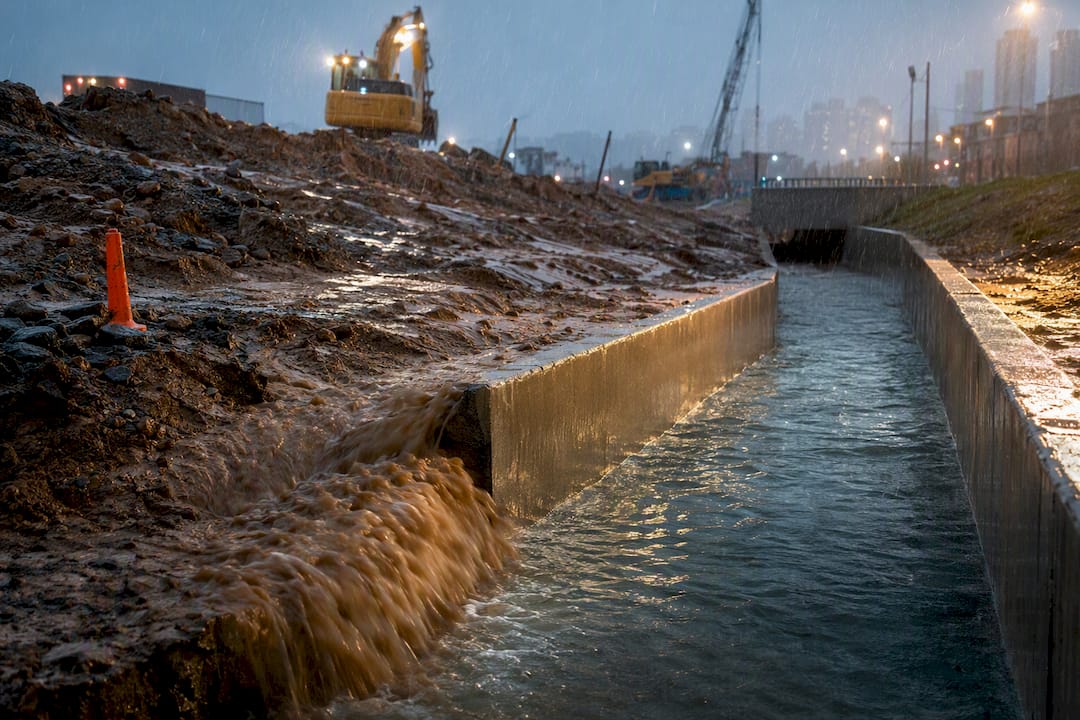

A safety walkthrough should not feel like a rushed inspection performed to satisfy a checklist. On an active construction or industrial site, conditions can change by the hour: a new subcontractor arrives, work shifts to another elevation, materials are relocated, or weather affects access routes. When leaders conduct workplace safety walkthroughs with a clear purpose, they can identify these changing risks before they result in an injury, stop-work event, client concern, or regulatory finding.
For contractors and operational leaders, the value is not simply identifying what is wrong. A well-managed walkthrough creates accountability, verifies that controls are working in the field, and gives supervisors a practical way to reinforce safe work expectations without disrupting productive work.
Start With the Work, Not the Form
A checklist is useful, but it should support observation rather than replace it. The strongest walkthroughs begin with an understanding of the day’s activities, work locations, workforce changes, equipment in use, and higher-risk operations. Before entering the site, review the current work schedule, permits, risk assessments, incident reports, near misses, and outstanding corrective actions.
This preparation helps the person conducting the walkthrough focus attention where it is most needed. If workers are performing lifting operations, working at height, excavation, hot work, energized work, or confined-space entry, a general site inspection is not enough. The walkthrough should test whether the specific controls identified in the risk assessment are present and effective.
For example, a lifting plan may be approved and available in the site office. The field question is whether the lifting supervisor is present, the exclusion zone is maintained, rigging is inspected, communication is understood, and nearby trades are protected. Documents show intent. Site conditions show whether that intent has become operational control.
Define the Purpose and Scope of Each Walkthrough
Not every walkthrough needs the same depth. A daily supervisor round may focus on housekeeping, access, personal protective equipment, and immediate changes in work conditions. A weekly EHS walkthrough may examine compliance trends, subcontractor performance, and the status of corrective actions. A pre-audit walkthrough may require a more detailed review of documentation, implementation, and evidence for client, certification, or regulatory requirements.
Set the scope before beginning. Identify the areas to be covered, who will participate, how findings will be recorded, and which issues require immediate escalation. This keeps the exercise focused and prevents the common problem of finding too many minor observations while overlooking a serious exposure.
For larger or complex projects, divide the site into manageable zones and rotate the focus. One walkthrough may concentrate on scaffold access and fall prevention. Another may examine temporary electrical installations, equipment maintenance, material storage, traffic management, or environmental controls. The approach depends on the project stage and risk profile.
Observe Work as It Is Actually Performed
Walkthroughs are most useful when they occur while work is underway. A clean and orderly site during a scheduled client visit does not necessarily reflect normal operating conditions. Observe the sequence of work, worker positioning, interactions between trades, movement of vehicles, use of tools, and response to changing conditions.
Ask practical questions in a respectful manner. Workers and front-line supervisors often understand emerging site risks before they appear in a formal report. Questions such as “What could go wrong during this task?” or “What changed since the work briefing?” can reveal gaps in planning, communication, supervision, or resource availability.
The objective is not to catch individuals making mistakes. It is to determine whether the work system enables people to perform safely. If workers repeatedly bypass a control, the cause may be unclear instructions, insufficient time, unsuitable equipment, poor access, or a mismatch between the written procedure and field reality. Addressing the underlying cause produces a stronger result than issuing repeated reminders alone.
Focus on High-Consequence Exposures
While all hazards deserve attention, leaders should prioritize conditions with the potential for severe injury, fatality, major property damage, or significant environmental impact. On construction and industrial sites, this often includes falls from height, struck-by hazards, moving plant, lifting operations, electrical hazards, unstable excavations, uncontrolled energy, and fire risks.
Look beyond the obvious physical condition. A guardrail may be installed, but is it complete and secure? A worker may be wearing a harness, but is there a suitable anchorage point and a rescue plan? A forklift may appear serviceable, but are pedestrian routes separated and are operators following site traffic controls? Effective walkthroughs examine the full control chain.
Record Findings Clearly and Consistently
A finding that says “poor housekeeping” rarely leads to meaningful action. A useful record identifies the exact location, condition, risk, required control, responsible person, and due date. Photographs can help establish the condition observed, particularly where the hazard may be corrected before the report is issued.
Good records also distinguish between an immediate danger, a nonconformance, an improvement opportunity, and a positive observation. Positive observations matter because they reinforce behaviors and controls worth repeating. If a subcontractor demonstrates effective barricading, clear task briefings, or disciplined equipment checks, acknowledge it. Safety culture improves when teams see that good performance is recognized as well as deficiencies.
Avoid allowing reports to become a collection of vague comments. The assigned corrective action should be specific enough that another competent person can verify closure. “Improve ladder safety” is unclear. “Remove damaged extension ladder from service, inspect all ladders in Zone C, and brief affected workers on inspection requirements before resuming elevated access work” establishes a measurable expectation.
Close Actions Before They Become Recurring Risks
The walkthrough itself is only the first stage. Its value depends on what happens afterward. High-risk findings need immediate control, followed by confirmation that the issue has been resolved. Less urgent findings should be assigned to an accountable owner with realistic deadlines and appropriate support.
A recurring issue should trigger a deeper review. Repeated blocked access ways, missing edge protection, incomplete equipment inspections, or inadequate housekeeping may indicate weak supervision, poor planning, insufficient storage capacity, or unclear subcontractor responsibilities. Treating each instance as isolated can create a cycle of correction without prevention.
Regularly review open actions with project management and supervisors. Monitor overdue items, verify evidence of closure, and check whether the corrective action has worked in practice. For significant findings, a follow-up walkthrough is often more reliable than accepting a photograph or email confirmation.
Use Walkthrough Data to Improve Management Systems
Patterns from walkthroughs can guide better decisions at both project and company level. If several projects report similar gaps in work-at-height controls, the issue may require revised procedures, targeted training, stronger supplier requirements, or additional competent supervision. If inspections consistently identify incomplete risk assessments, the planning process may need to be improved before work starts.
Track findings by hazard category, work area, subcontractor, severity, and closure time. The goal is not to create unnecessary reporting. It is to identify where management attention will reduce risk most effectively. Trend data can also support internal audits, client reporting, certification readiness, and management review discussions.
For organizations working toward structured safety systems such as BizSAFE, ISO, or client-specific standards, walkthrough evidence demonstrates that policies are being implemented in daily operations. It connects management commitments with what workers experience on site.
Make Leadership Presence Constructive
When managers join safety walkthroughs, their behavior sets the tone. A leader who only asks why a problem exists may encourage people to hide concerns. A leader who asks what support is needed to correct it encourages earlier reporting and more honest communication.
This does not mean lowering standards. Serious noncompliance must be addressed promptly and consistently. It means pairing accountability with practical problem-solving. Supervisors need authority, resources, and clear expectations to manage safety in real work conditions.
MOSAIC supports contractors and industrial organizations with practical WSH inspection, audit, documentation, and implementation support designed around site realities. Independent technical input can be particularly valuable when a project has recurring gaps, growing operational complexity, or upcoming client and certification assessments.
The most effective walkthrough is one that changes what happens after the visitor leaves. When observations lead to prompt action, stronger planning, and better worker involvement, each round becomes part of the site’s operating discipline rather than another compliance exercise.