Introduction
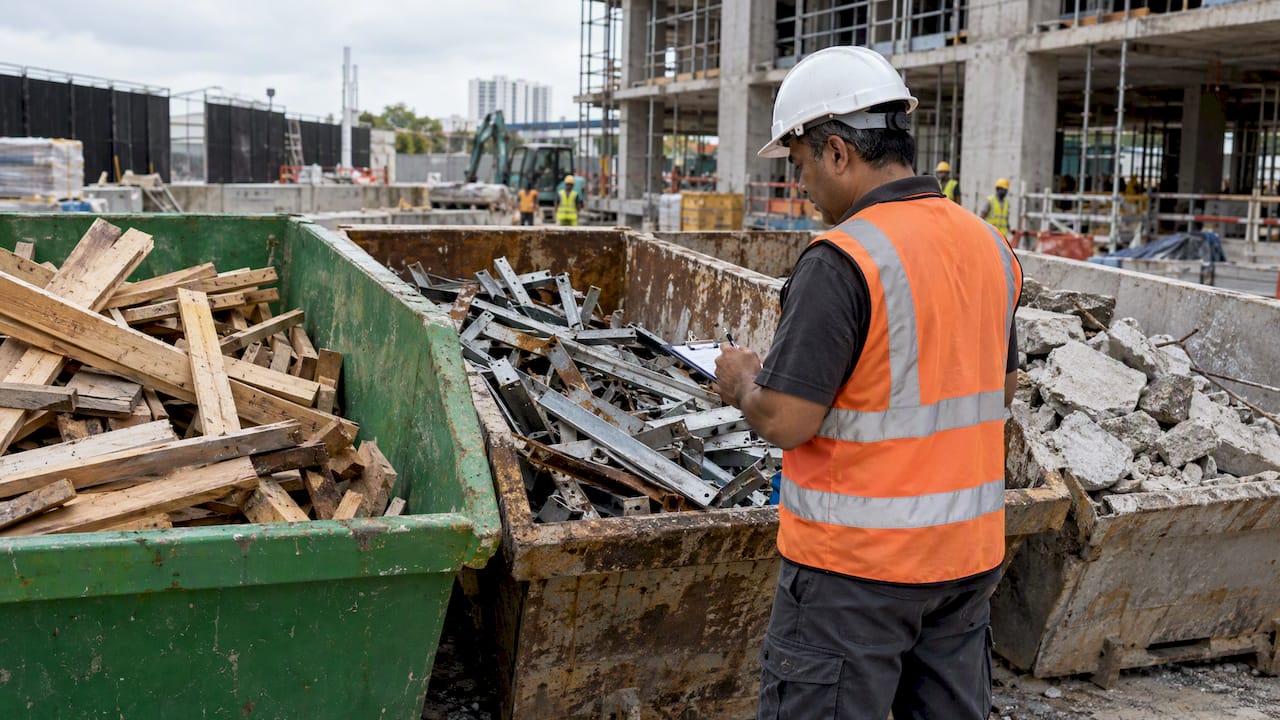
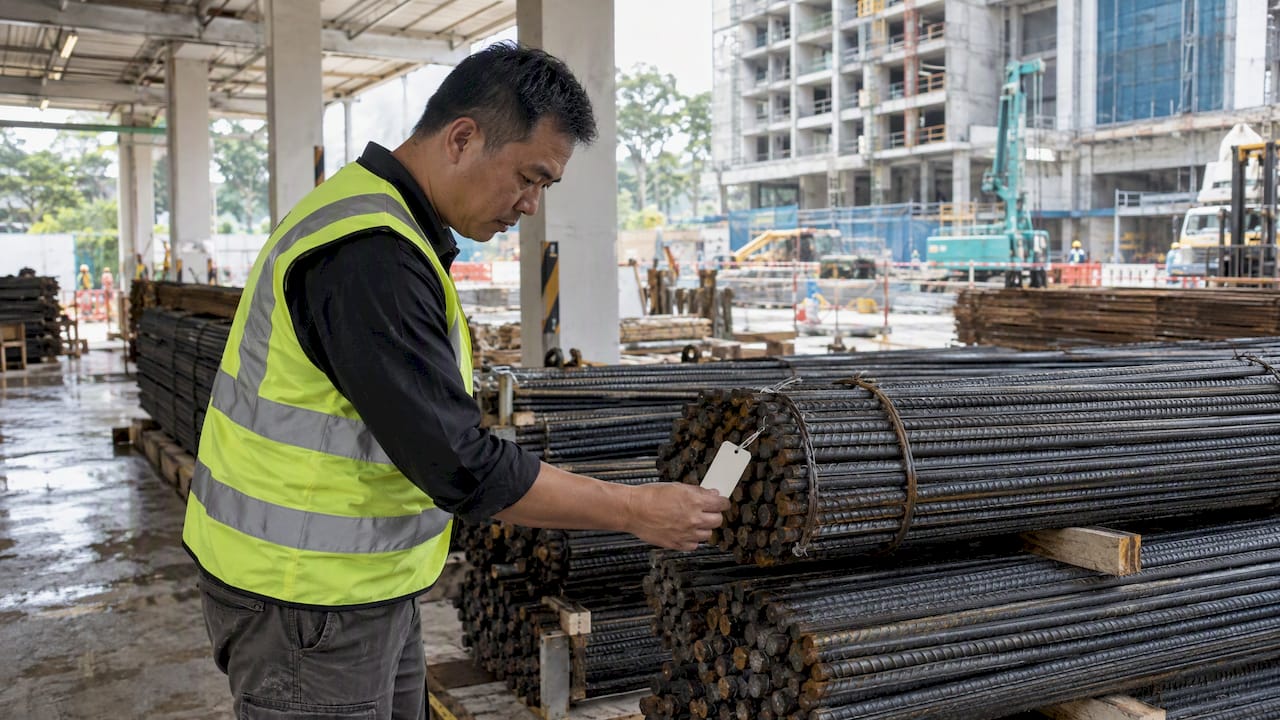
When Ministry of Manpower inspectors arrive at your construction site – scheduled or unannounced – the first thing they ask for is documentation. Ministry of Manpower inspectors enforce workplace safety and health standards in Singapore. MOM inspectors primarily examine the DfS Register, risk assessment documentation, safety meeting records, design change logs, and evidence that approved design intent matches actual on site conditions. Having these documents current, authenticated, and cross-referenced is non negotiable for avoiding fines, stop work orders, and project delays.
This article focuses exclusively on construction phase documentation – not design-phase submissions to BCA or pre-construction plan approvals. If you are a construction manager, project manager, or Design for Safety Professional preparing for an MOM site visit, this is your operational reference to help project teams address documentation issues before an inspection and avoid delays or enforcement action. The stakes are real: during an MOM campaign inspecting 500 worksites from June to August 2024, approximately S$165,100 in fines and two stop work orders were issued, many linked directly to missing or unordered safety documentation.
By the end of this checklist guide, you will understand:
-
The eight core documentation categories MOM inspectors verify during construction inspections
-
How inspectors cross-reference documents to detect inconsistencies and non compliance
-
The most common documentation pitfalls that trigger legal penalties – and how to eliminate them
-
A practical 30-day inspection readiness timeline you can implement immediately
-
How proactive documentation management protects your company from a reactive scramble
Understanding DFSP Documentation Requirements
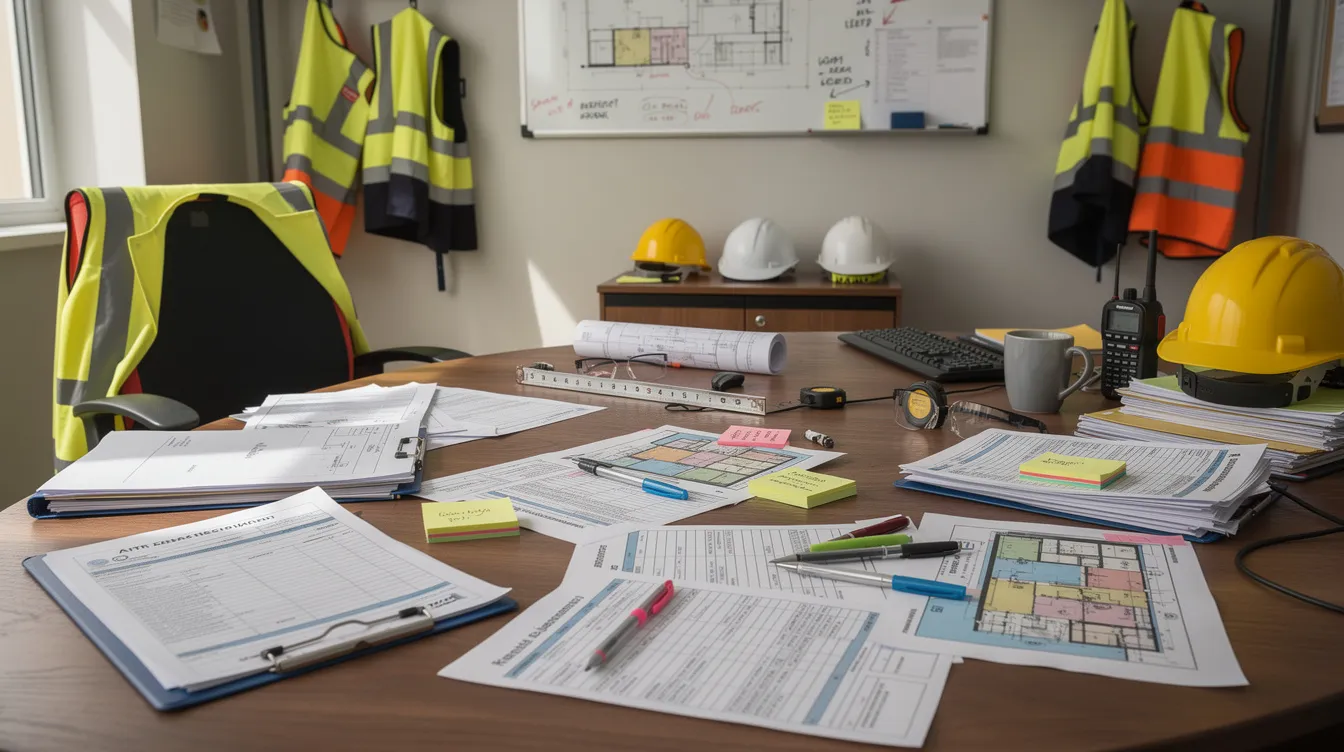
The Design for Safety framework was formalized in Singapore in 2015 through the Workplace Safety and Health (Design for Safety) Regulations, which came into force on 1 August 2016. Under the WSH Act, the DfS Regulations apply to construction projects with a contract value over S$10 million, requiring a Design for Safety Professional (DFSP) to be appointed for compliance; wider project approvals may also sit within the broader Planning Act framework. The DFSP role was established by the 2015 DfS Regulations to embed workplace safety upstream – at the design and planning stages of a development – so that potential hazards are addressed during development planning before workers ever set foot on site.
DfS aims to prevent risks during the design phase. But the DFSP’s responsibilities do not end when construction begins. DFSPs are responsible for safety from project inception to demolition. During the construction phase, the documentation shifts from design review outputs to active oversight records: updated registers, site visit logs, site supervision records, risk assessment revisions, and evidence that the project team is implementing what was planned. The DFSP must be involved early for effective risk mitigation, and inspectors will flag projects where the DFSP was brought in late or disengaged during construction.
The DfS Register as Primary Documentation
The DfS Register is a legal requirement under Regulation 7 of the DfS Regulations. It functions as a live document tracking all safety and health issues identified during design reviews, the mitigation actions taken, and any residual risks that could not be eliminated through design changes. The DfS Register must contain records of all DfS review meetings and decisions.
Inspectors expect to see a current DfS Register during inspections – not a static artifact from the design phase. They verify that the register reflects actual site conditions, includes entries for every design modification made during construction, and carries proper DFSP sign-off. An outdated register with no entries after construction commenced is one of the most significant red flags an inspector can find.
Construction Phase Documentation Categories
Beyond the DfS Register, MOM inspectors review several interconnected documentation categories during construction inspections. These include:
-
Risk assessments updated to reflect actual construction methods and site-specific conditions
-
Safety meeting minutes demonstrating regular DFSP participation and hazard tracking
-
Design change documentation with traceable approvals and risk evaluations
-
Compliance verification records comparing approved designs against as-built conditions
-
Competency and qualification records for the DFSP, site supervisors, and contractors, including whether each key role is assigned to a competent person where required
-
Permit-to-Work systems for high risk activities such as deep excavation, lifting, and confined space work
-
Emergency procedures and Safety Management System (SMS) documents
-
Inspection records including logs of incident investigations and internal safety audits
Each category does not stand alone. Inspectors cross-reference entries across documents – a hazard in the DfS Register should appear in meeting minutes, trigger a risk assessment update, and produce visible controls on site. These records also help companies comply with inspection expectations across linked document sets. Construction safety documentation is reviewed alongside DfS records during inspections, and this interconnection is where many companies fail. Understanding what inspectors verify first helps prioritize your documentation efforts.

Core Documents MOM Inspectors Examine First
MOM conducts scheduled and surprise inspections on construction sites. Whether planned or unannounced, inspectors follow a consistent hierarchy when reviewing DFSP documentation. Here are the three document sets they reach for first.
Updated DfS Register with Construction Modifications
The register must reflect the current state of the project, not the original design assumptions. Inspectors check that risks identified in the DfS phase are implemented on site. Design changes must trigger new DfS reviews and updates to the DfS Register – whether the change involves structural elements, temporary structures like scaffolding and formwork, or alterations to construction sequencing.
Inspectors specifically verify:
-
That new risk entries exist for every design modification post-construction start
-
That residual risks are documented with clear mitigation strategies
-
That residual risks have been communicated to contractors and future users of the project
-
That the DFSP has reviewed and signed off on all modifications
-
That documentation is dated, version-controlled, and traceable to design stages
A well-maintained DfS Register bridges the gap between design intent and construction reality. When inspectors find a register that hasn’t been updated since groundbreaking, it signals systemic failure in safety management.
Safety Review Meeting Documentation
Regular safety inspections help identify workplace hazards, and safety meeting records are the paper trail proving those hazards are being addressed. Inspectors examine meeting minutes for:
-
Frequency and attendance records – Are meetings happening at the required intervals? Is the DFSP present and contributing, or merely listed as an attendee?
-
Specificity of action items – Vague entries like “improve safety” carry no weight. Inspectors want to see concrete hazards identified, specific controls assigned to named persons, and documented deadlines.
-
Follow-up and closure – Were previous action items resolved? What evidence exists that identified hazards were mitigated? Recurring unresolved hazards are a critical red flag.
Involving all levels of staff in inspections is crucial, and meeting minutes should reflect input from site supervisors, contractors, and workers – not just management. MOM enforces that risk mitigation must be implemented and known to workers, so clear writing in the minutes should show what was decided, who is responsible, and what follow-up is required for the trades executing the work.
Risk Assessment Updates, Risk Assessments, and Site-Specific HIRARC
Risk assessments must be specific to the physical site conditions and current work stage. Inspectors routinely reject generic assessments that list “working at height” without specifying fall distances, scaffold types, weather conditions, or the specific construction methods being used. Active documentation is essential for safe work procedures linked to identified hazards.
Key verification points include:
-
Evidence that the hierarchy of controls (elimination, substitution, engineering, administrative, PPE) has been applied – not just documented but implemented on site
-
Updates triggered by near misses, incidents, or changes in construction methodology
-
Input from trades and workers who understand actual site conditions
-
Alignment between risk assessment controls and what is physically observable during the inspector’s site walkthrough
In severe cases, failure to maintain current risk assessments has resulted in stop work orders. In June 2026, a construction firm received a stop-work order after an MOM inspection found risk assessments that had not been updated in two years, alongside unqualified personnel operating cranes and inadequate safety training documentation.

The MOM Inspection Process: Document Verification Procedures
Understanding how MOM inspectors systematically review documentation helps you structure your records for efficient retrieval and withstand scrutiny. Inspectors verify not just the presence of documents but their authenticity, completeness, and consistency across the entire documentation framework.
Document Authentication and Completeness Check for Workplace Safety and Health
When inspectors request your DFSP documentation, they conduct a structured authentication process:
-
DFSP qualification verification – The Design for Safety framework requires registered Design for Safety Professionals to be appointed. A DFSP is typically a registered Professional Engineer or Architect who has completed the required mandatory training course. Competent persons must be appointed to identify and manage design risks. Inspectors will ask for the appointment letter, certificate of competency, and proof that the person fulfilling DFSP duties is actually qualified.
-
Signature and endorsement verification – Every critical document must carry dated signatures from the responsible person. DfS Register entries need DFSP sign-off. Design change approvals must be traceable to named individuals in the project organization chart. Unsigned or undated documents are treated as incomplete.
-
Version control review – Inspectors check that when updates are made, previous versions are archived with dates and a change log exists. This is especially critical for the DfS Register and risk assessments, where outdated versions in circulation create confusion and compliance gaps.
-
Statutory compliance confirmation – Beyond DfS-specific documents, inspectors verify compliance with subsidiary legislation including the WSH (Construction) Regulations 2007. This includes safety induction records that prove all workers receive mandatory site-specific safety training, Permit-To-Work systems that must be complete and authorized for high-risk activities, and first aid provisions – construction sites must have one first aider per 100 workers, with Occupational First Aid courses lasting 2 years and being MOM compliant, as the Singapore Resuscitation and First Aid Council sets first aid training standards.
-
DFSPs must complete mandatory training to guide the DfS process – inspectors confirm this through certificate review and cross-referencing with MOM’s records of registered professionals.
Cross-Reference Verification Process
The most sophisticated element of an MOM inspection is the cross-reference check. Inspectors compare entries across multiple documents to detect inconsistencies that reveal whether your documentation management is genuine or performative. Inspectors verify that the Design for Safety process is integrated with on-site hazard mitigation – not existing as a parallel paper exercise.
|
Document Type |
Cross-Reference Check |
Red Flags |
|---|---|---|
|
DfS Register |
Entries compared against actual site conditions and as-built drawings |
Outdated entries, no entries for recent design changes, missing residual risk records, no DFSP sign-off |
|
Meeting Minutes |
Action items checked against implementation evidence on site |
Vague or unresolved safety issues, no DFSP involvement, hazards identified but no mitigation documented |
|
Risk Assessments |
Documented controls verified against observable site practices |
Theoretical controls not implemented, generic assessments not reflecting site-specific hazards, old assessments unchanged after methodology changes |
|
Qualification Records |
Named persons checked against actual roles and valid certificates |
Missing certificates, DFSP not registered, site supervisors not verified as competent |
|
Design Change Logs |
Modifications checked against DfS Register updates and approved drawings |
On-site condition deviates from drawings with no documentation; temporary structures lacking approved design documents |
When inspectors find that the DfS Register lists a hazard mitigated by one control method, but safety meeting minutes reference a different control, and the risk assessment describes yet another approach, they identify this as systemic poor coordination – a significant compliance failure that can escalate to enforcement action.
According to MOM data for 2022, hoisting operations were frequently flagged during inspections, with common contraventions including failure to ensure lifting equipment was properly tested, lacking lifting plans, and inadequate planning – all documentation issues tied to high risk activities.
Common Documentation Pitfalls and Solutions
Safety inspections can lead to fines for non compliance, and many of these fines result from preventable documentation errors rather than genuine safety failures. Here are the three most common pitfalls and concrete remedies.
Outdated DfS Register Entries
The problem: The DfS Register remains frozen at the design stage. Construction begins, methods change, design modifications occur, but the register stays untouched. This is the single most common documentation deficiency found during MOM inspections.
The solution:
-
Implement monthly register reviews tied to physical site walkthroughs. The DFSP should walk the site, compare current conditions against register entries, and update accordingly
-
Attach photographic evidence to register entries – this creates verifiable proof that observations correspond to documented risks
-
Link every Request for Information (RFI) or change order to a mandatory register entry. No design change proceeds without a corresponding DfS Register update
-
Use digital platforms with version history and change tracking to maintain an auditable trail and eliminate manual errors
Missing DFSP Site Visit Documentation
The problem: The DFSP is appointed but visits are infrequent, undocumented, or lack substance. Inspectors checking the DFSP’s key responsibilities will look for evidence of regular, meaningful engagement – not token appearances.
The solution:
-
Create standardized site visit report templates capturing: date, areas inspected, hazards observed, design-safety advice provided, follow-up actions required, and stakeholder sign-offs
-
Maintain a chronological visit log showing the frequency of DFSP engagement relative to the project’s risk profile. Higher-risk phases (structural works, deep excavation, crane operations) warrant more frequent visits
-
Include photographic documentation of observations and any non compliance noted, creating a visual record that supports written findings
-
Ensure visit reports are distributed to the project team within 48 hours and tracked through the next safety meeting
Incomplete Safety Meeting Integration
The problem: Safety meetings happen, but DFSP participation is absent or superficial. Minutes do not reflect design-related safety input. Action items from previous meetings remain unresolved without explanation.
The solution:
-
Require the DFSP to chair or co-chair the design safety portion of every safety meeting, with a dedicated agenda item for DfS issues
-
Ensure minutes explicitly record the DFSP’s input on design-related risks, including specific advice given and decisions made
-
Implement an action item tracking system: each item must have an owner, deadline, and documented resolution before it can be closed
-
Cross-check meeting outputs against risk assessment updates and DfS Register entries to maintain consistency across all documentation
Building a culture where documentation is part of daily operations – not a pre-inspection scramble – is what separates companies that pass inspections from those that receive enforcement notices. Proper safety management systems embed these practices into routine workflows.
Inspection Preparation Checklist and Next Steps
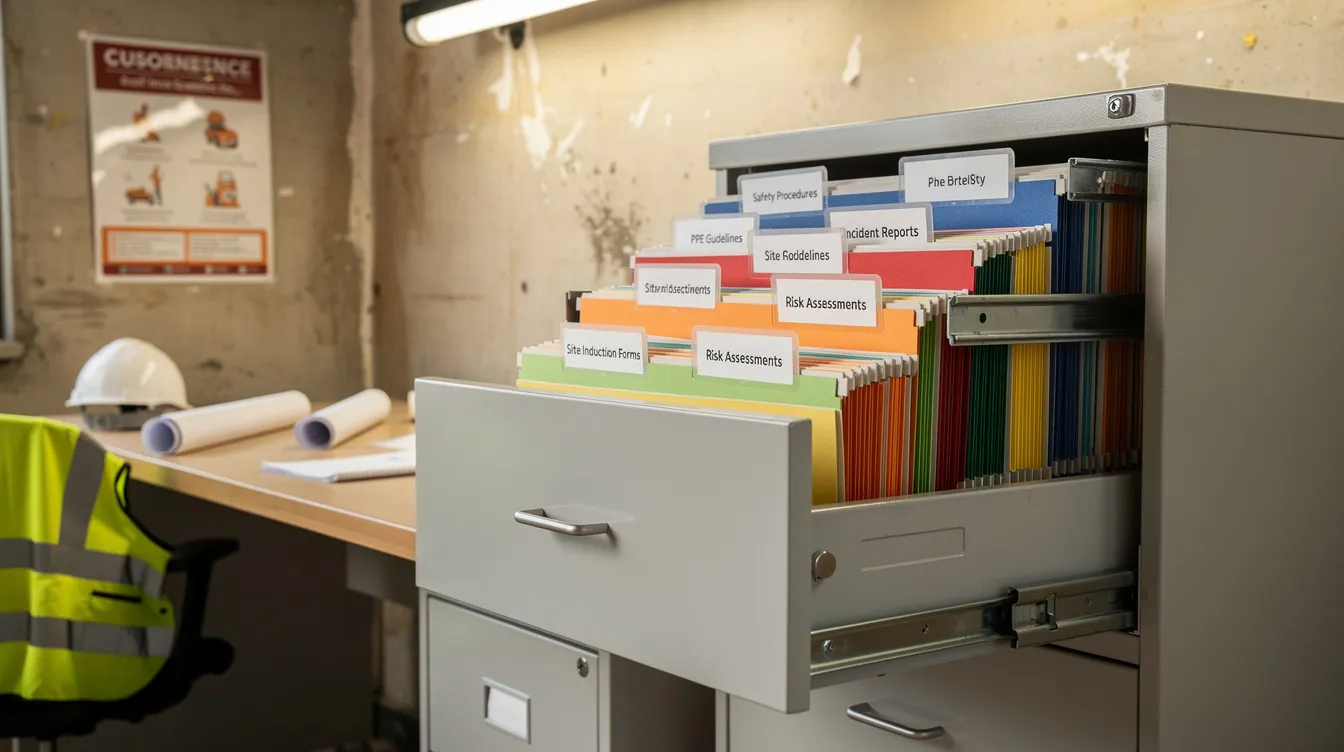
Proper DFSP documentation demonstrates more than compliance – it signals a proactive safety culture that protects workers, prevents incidents, and supports building safety across the project lifecycle. It also provides tangible business benefits: cleaner safety records help win tenders, support certifications like bizSAFE, and prevent the project delays and fines that result from enforcement actions. In severe cases, non compliance leads to stop work orders that halt an entire project.
30-Day Inspection Readiness Timeline
Use this weekly structure to maintain continuous audit readiness:
-
Week 1 – DfS Register Review: Verify all entries are current. Confirm every design change since the last review has a corresponding register entry. Check that residual risks carry DFSP sign-off and have been communicated to relevant contractors and supervisors.
-
Week 2 – Risk Assessment and Design Change Audit: Review all risk assessments for site specificity. Confirm that design change approvals are complete with documented risk evaluations. Verify that controls listed in assessments are physically implemented on site.
-
Week 3 – Meeting Records and DFSP Site Visit Logs: Check safety meeting minutes for completeness, attendance records, and documented follow-ups. Review DFSP site visit logs for frequency, detail, and evidence of meaningful engagement. Confirm that meeting action items align with register and risk assessment entries.
-
Week 4 – Competency Records, Permits, and SMS: Verify all qualification certificates are current and accessible. Confirm Permit-To-Work documents are complete and authorized for all high risk activities. Check that the Safety Management System is documented with incident reporting procedures and internal audit records. Ensure a minimum of one trained first aider is available for every 100 workers on site.
-
Final Day – Simulated Inspection: Walk the site as an inspector would. Compare every document to observable conditions. Identify and resolve any discrepancies before they become enforcement findings.
Monthly Documentation Maintenance Routine
Beyond inspection preparation, establish a monthly cycle:
-
Document owners review and reconcile all safety documentation for consistency
-
Confirm closure of outstanding action items from safety meetings
-
Spot-check that field personnel – including employees of subcontractors – understand the relevant entries in the DfS Register and current risk assessments
-
Update the competency matrix when personnel change, ensuring every critical role has a verified, qualified person assigned
-
Archive superseded document versions with clear dating and maintain the change log
For related guidance on post-construction handover documentation, long-term DfS Register maintenance, and how site inspections connect to broader safety management frameworks, explore the resources linked throughout this guide.
Professional DFSP Documentation Support
Maintaining inspection-ready DFSP documentation throughout the construction phase demands specialized expertise, systematic processes, and deep understanding of what MOM inspectors prioritize. Many project teams find that the coordination between design documentation, site oversight records, and regulatory compliance requirements exceeds their internal resources – particularly on complex, high-value construction projects.
MOSAIC Safety provides expert DFSP services with a specific focus on construction phase safety oversight and compliant documentation. Their team brings specialized knowledge of MOM inspection procedures and documentation standards, ensuring that your DfS Register, risk assessments, safety meeting integration, and site visit records meet regulatory requirements without the reactive scramble that undermines both efficiency and safety. From systematic record keeping to proactive identification of compliance gaps, professional DFSP support transforms documentation from an administrative burden into a genuine building safety asset.