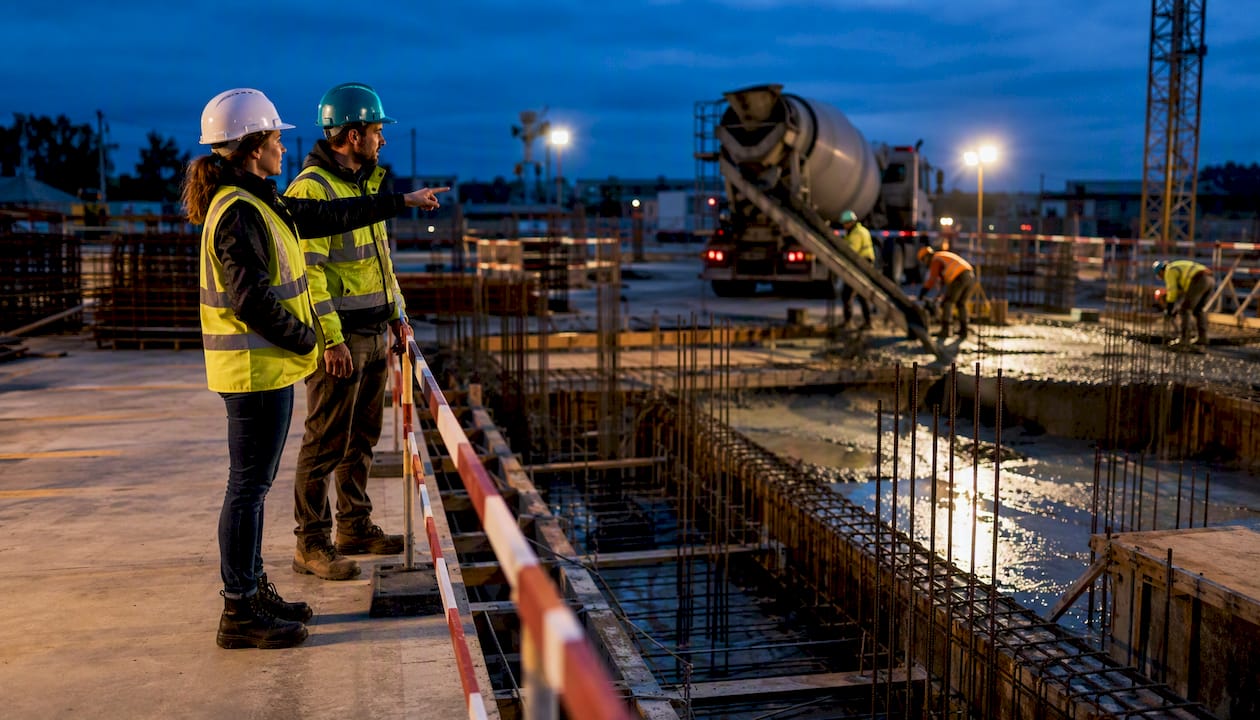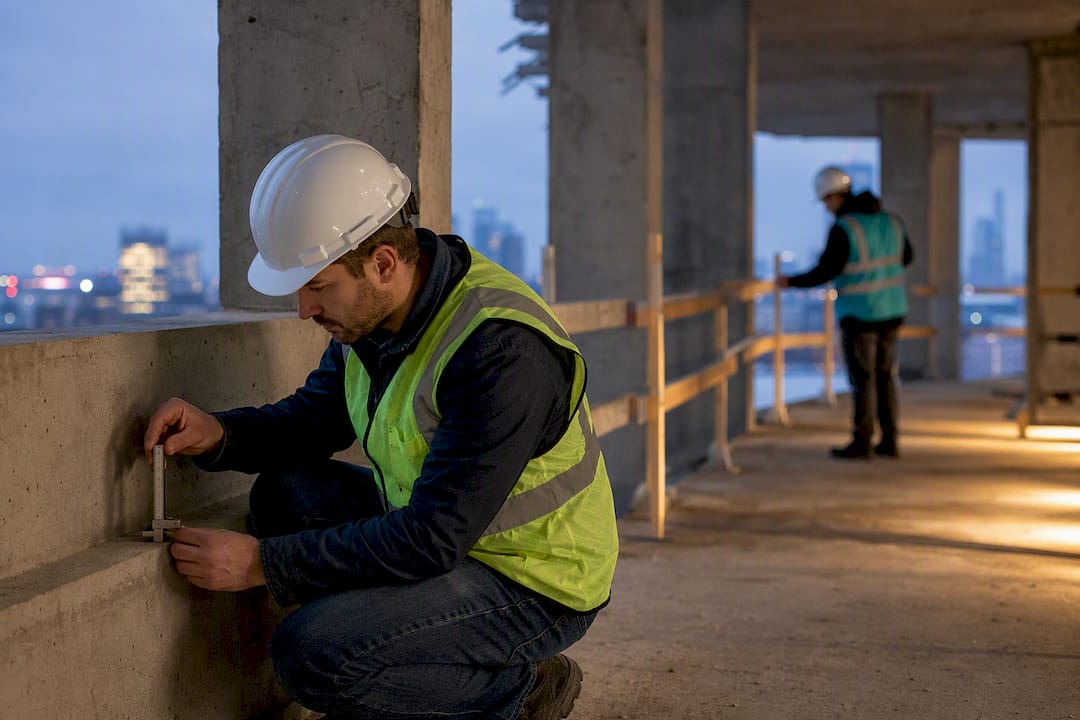

A site can have method statements, permits, toolbox talks, and inspection checklists in place and still suffer repeat unsafe behaviors. In most cases, the gap is not paperwork. It is supervision. That is why safety leadership coaching for supervisors matters so much in construction, manufacturing, and other high-risk operations. Supervisors set the pace for how standards are applied, how hazards are escalated, and how seriously frontline teams take safety expectations.
For many companies, supervisors are promoted because they know the work. They understand sequencing, manpower, productivity, equipment, and subcontractor coordination. What they often have not received is structured coaching in how to lead safety performance under real operating pressure. Managing output and leading safe behavior are related, but they are not the same skill.
Why supervisors shape safety outcomes
Supervisors sit at the point where policy becomes practice. Senior management may define the rules, and EHS teams may create systems, but supervisors decide what happens when delivery pressure rises, workers take shortcuts, or permit conditions are not fully met. They are the first line of intervention and, just as importantly, the first line of normalization. What they ignore today becomes accepted behavior tomorrow.
This is why companies that invest in supervisor coaching often see stronger results than those that rely only on periodic training. Training transfers information. Coaching changes day-to-day decisions, habits, and conversations. A supervisor who learns how to stop a task, question an unsafe setup, and address resistance constructively can influence dozens of small moments that determine whether a site remains under control.
There is also a compliance dimension. In regulated environments, weak supervision shows up quickly during inspections, audits, incident reviews, and client assessments. Repeated housekeeping lapses, inconsistent permit controls, poor briefings, and incomplete follow-up actions are rarely isolated technical failures. They usually indicate a leadership gap at the operational level.
What safety leadership coaching for supervisors should address
Effective coaching is not motivational speaking with a safety label. It should focus on observable leadership behaviors that improve control of work. That includes how supervisors prepare teams before tasks begin, how they verify critical controls, how they respond to non-compliance, and how they communicate when conditions change.
A practical coaching program usually starts by assessing current supervisory behavior. Some supervisors are highly experienced but too reactive. Others are confident in production matters but avoid difficult safety conversations. Some know the rules well but struggle to influence subcontractors or multilingual work crews. Coaching is most effective when it addresses these real gaps instead of delivering the same message to everyone.
Core behaviors that matter on site
Supervisors need to lead with visibility. That means being present where the work is, not relying only on reports after the fact. They need to ask sharper questions, such as whether the control in place is actually effective for the task being done at that moment, not merely whether a form was completed.
They also need judgment. Stopping work is not always simple, especially when delays affect milestones and downstream trades. Coaching helps supervisors make better calls under pressure, balancing productivity demands with non-negotiable risk controls. The goal is not to create hesitation. It is to create disciplined decision-making.
Communication is another core area. Many incidents are preceded by assumptions, vague instructions, or unchallenged misunderstandings. Supervisors should know how to brief work clearly, test understanding, and correct behavior without escalating every conversation into conflict. That takes practice, especially in fast-moving environments.
The business case for coaching, not just training
Organizations often ask whether coaching is necessary when supervisors already attend safety courses. The answer depends on what problem the business is trying to solve. If the issue is awareness of regulatory duties, classroom training may be enough. If the issue is inconsistent site discipline, weak intervention, or repeat findings across projects, coaching is usually the better investment.
Coaching works because it happens closer to the job. It links expectations to actual site conditions, crew interactions, permit checks, inspections, and near-miss response. Instead of discussing leadership as an abstract concept, it develops practical supervisory actions that can be observed and reinforced.
There is a commercial benefit as well. Better supervisor performance supports fewer disruptions, cleaner audits, stronger client confidence, and more stable project delivery. In sectors where contractor prequalification, WSH performance, and certification readiness affect tender opportunities, supervisory capability is not just an internal people issue. It is part of operational credibility.
How to structure safety leadership coaching for supervisors
The strongest programs are built around operations, not around a training calendar. They begin with clear expectations from management, because coaching fails when supervisors hear one message in the classroom and another on the site. If production targets are treated as urgent and safety controls as optional, no coaching program will hold.
A good structure usually combines observation, feedback, guided practice, and follow-up. Supervisors should be observed during pre-task planning, site walks, toolbox talks, permit verification, and work interventions. Feedback needs to be direct and specific. General comments such as be more proactive do not help much. Specific feedback such as verify edge protection before the crew mobilizes to level six is actionable.
Coaching methods that deliver better results
One-to-one coaching is often the most effective because it addresses the supervisor’s actual work environment and leadership style. Group sessions still have value, especially when several supervisors face similar issues, but they should be tied to examples from current operations.
Scenario-based discussion also works well. Supervisors need to talk through what they would do if a lifting plan changes mid-shift, if a subcontractor bypasses a permit condition, or if weather introduces new hazards after work has started. These are the moments that test leadership.
Short coaching cycles are usually better than one-off interventions. A supervisor who receives feedback, applies it the same week, and is reviewed again builds capability faster than someone who attends a half-day session and returns to business as usual. Consistency matters more than volume.
Common obstacles and why they matter
Some companies assume experienced supervisors do not need coaching. In reality, experience can cut both ways. It often brings strong operational judgment, but it can also bring overconfidence, routine-based blind spots, or tolerance for informal shortcuts that no longer match current standards.
Another obstacle is treating supervisors as rule enforcers only. That narrow view misses the leadership part of their role. If workers see supervisors as people who only check compliance after problems appear, trust and reporting quality suffer. Coaching should help supervisors become better at setting expectations early, reinforcing good practice, and creating a culture where concerns are raised before they become incidents.
Language and workforce diversity can also complicate implementation. On many sites, supervisors manage crews with different levels of literacy, technical understanding, and safety maturity. Coaching needs to account for this. The best supervisor in theory may still struggle if instructions are not adapted to the audience.
What companies should expect from results
The first improvement is usually behavioral. Supervisors become more visible, more consistent, and more willing to intervene. Near-miss reporting often improves because teams see that concerns are taken seriously. Pre-job briefings become sharper. Follow-up actions close faster.
Harder performance indicators typically improve over time rather than immediately. You may see better inspection scores, fewer repeated findings, more disciplined permit compliance, and stronger audit readiness before injury rates show a clear change. That does not mean the coaching is not working. It usually means the organization is improving the conditions that prevent incidents in the first place.
For companies in construction and industrial operations, this is where external support can be valuable. A specialist partner such as MOSAIC Ecoconstruction Solutions Pte Ltd can assess supervisory practices objectively, align coaching with compliance requirements, and tie leadership development to broader EHS management, audit readiness, and operational control.
When to start safety leadership coaching for supervisors
The best time is not after a serious incident, though many companies begin there. The better time is when warning signs appear. Repeated minor events, inconsistent corrective actions, weak site discipline, and recurring audit observations usually point to a supervisory capability issue that will not be fixed by more paperwork.
Coaching is especially useful during growth, when new projects, new supervisors, or new subcontractor interfaces strain existing systems. It is also valuable before major client reviews, certification efforts, or operational transitions, when the business needs more consistency in how standards are applied on the ground.
Strong safety performance is rarely built by policy alone. It is built by supervisors who know what good control looks like, who speak up early, and who lead with consistency when the pressure is real. If you want safer operations, better compliance, and fewer unpleasant surprises during inspections or audits, start where the work is being directed every day.