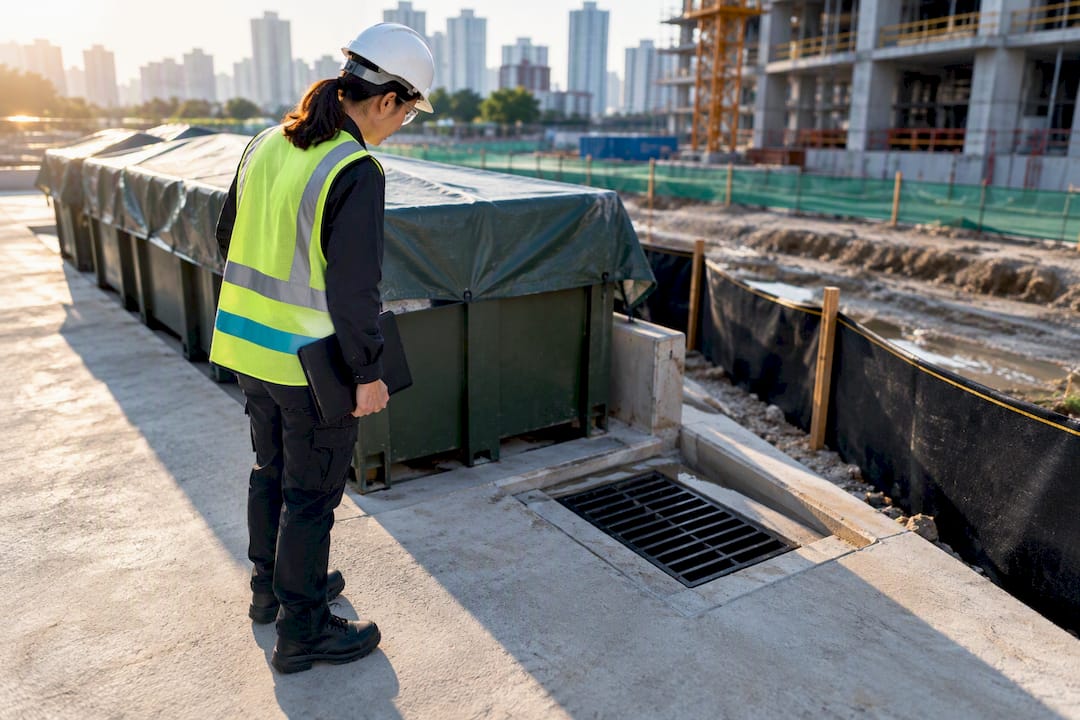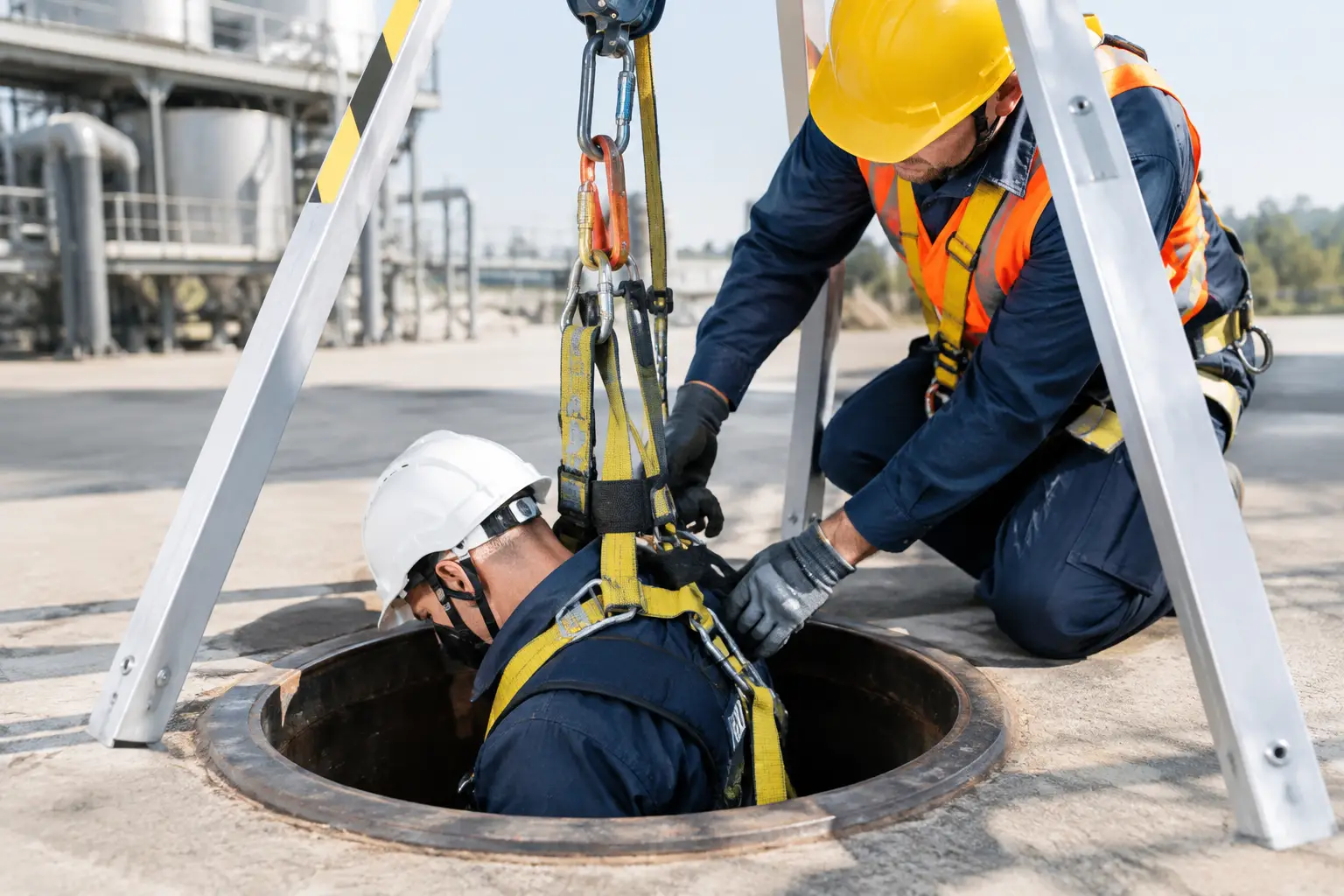

A safety culture improvement program is tested long before an audit, certification review, or client inspection. It is tested when a supervisor must decide whether to stop a task, when a worker identifies an unsafe condition, and when project pressure conflicts with a control that takes time to implement. For construction and industrial organizations, culture is not a poster campaign. It is the practical standard that shapes decisions at the worksite.
A strong program helps organizations move beyond reactive incident management. It creates clear expectations, provides workers with a trusted way to raise concerns, and gives leaders evidence that controls are working in the field. The result is better compliance, stronger operational discipline, and a safer workplace that is more prepared for inspections and certification requirements.
Why safety culture needs a structured program
Many companies already have safety policies, risk assessments, toolbox talks, and personal protective equipment requirements. These are necessary controls, but they do not automatically create a healthy safety culture. A workforce can attend training and still hesitate to report a near miss. Supervisors can complete checklists while treating them as paperwork rather than a tool for controlling risk.
The gap is usually not a lack of documents. It is the difference between written requirements and daily behavior. A structured safety culture improvement program closes that gap by connecting leadership expectations, workforce participation, field verification, and corrective action.
This matters particularly on sites with changing work fronts, multiple subcontractors, tight schedules, and high-risk activities. In these environments, informal habits can quickly override formal procedures. If workers believe production always takes priority, or that raising an issue will lead to blame, hazards remain hidden until an incident or inspection exposes them.
A program should therefore focus on how work is actually performed. It should ask whether controls are understood, available, supervised, and followed under real site conditions. That is a more useful measure than simply confirming that a procedure exists.
Start with an honest baseline assessment
Improvement begins with a clear view of the current state. Senior leaders should avoid assuming that low injury rates alone indicate a strong culture. Low reported incidents may reflect effective controls, but they can also indicate underreporting, limited supervision, or a workforce that does not feel comfortable speaking up.
A baseline assessment should combine document review with direct engagement at the workplace. Review past incidents, near misses, safety observations, inspection findings, corrective action records, training attendance, and recurring nonconformities. Then compare those records with what supervisors and workers describe during site walks, interviews, and toolbox discussions.
The most valuable questions are often straightforward: Do workers know how to stop unsafe work? Are supervisors consistent when enforcing rules? Are corrective actions completed on time? Do subcontractors receive the same safety expectations as direct employees? Are lessons from incidents shared across projects?
Patterns matter more than isolated findings. For example, repeated housekeeping observations may indicate weak planning, unclear ownership, inadequate storage arrangements, or schedule pressure. Repeated work-at-height deviations may point to an equipment availability issue, weak permit controls, insufficient competence, or poor supervisory follow-up. A credible assessment identifies the underlying cause rather than repeatedly treating the symptom.
Leadership must make safety visible in decisions
Safety culture follows what leaders consistently reward, question, and correct. A company director or project manager does not need to be present at every work activity, but the workforce should see that leadership understands site risks and acts when standards are not met.
Visible leadership includes regular site engagement, meaningful review of leading indicators, and timely removal of barriers that prevent safe work. If a supervisor requests additional edge protection, lifting equipment, or competent manpower, the response from management sends a powerful cultural message. Delays without explanation can suggest that safety controls are negotiable.
Leaders should also examine how production targets are communicated. Schedule commitments are commercially important, especially in construction. However, messages that focus only on speed, output, or recovery plans can unintentionally encourage shortcuts. The better approach is to set production expectations alongside explicit requirements for approved methods, adequate resources, and stop-work authority.
Consistency is essential. A minor rule breach ignored because a project is behind schedule can weaken weeks of safety communication. Fair enforcement, paired with practical coaching, is more effective than either excessive punishment or passive tolerance.
Give supervisors the authority and support to act
Frontline supervisors translate management systems into daily site control. They need more than a checklist and a responsibility statement. They need sufficient time to inspect work, authority to pause unsafe tasks, access to competent advice, and confidence that management will support a safety-based decision.
This is especially relevant where supervisors are coordinating several trades. They should understand interfaces between work activities, changing site conditions, and the conditions under which permits, method statements, or risk assessments must be reviewed. When work changes, the safety conversation must change with it.
Build worker participation into everyday control
Workers are often the first to notice a damaged access route, conflicting work activity, unsuitable equipment, or a control that is impractical in the field. A program that only communicates downward misses this operational intelligence.
Participation should be simple and credible. Workers need clear reporting channels, prompt feedback, and evidence that raising concerns leads to action. Safety observations, near-miss reports, pre-task discussions, and worker-led inspections can all help, provided they are not treated as administrative quotas.
The quality of feedback matters. When someone reports an issue, acknowledge it, assess the risk, explain the action taken, and communicate the outcome where relevant. If the issue cannot be resolved immediately, state why and identify the interim control. Closing this loop builds trust and increases future reporting.
Language and workforce diversity also require attention. On many construction sites, the workforce may have different levels of technical literacy and speak multiple languages. Critical safety information must be understood, not simply issued. Visual materials, demonstrations, supervisor checks, and translated instructions may be necessary depending on the activity and workforce profile.
Turn training into verified competence
Training is a core element of any safety culture improvement program, but attendance is not competence. A worker may sign a training record without being able to identify the hazards of a specific task or apply the required control correctly.
Effective training is task-focused and reinforced at the point of work. Toolbox talks should address current site activities, recent findings, weather conditions, equipment changes, and lessons from near misses. For higher-risk work, practical demonstrations and competency assessments are often more valuable than classroom-only instruction.
Supervisors should verify understanding through observation and questioning. Ask workers to explain the safe sequence of work, identify the critical controls, and describe what they would do if conditions change. This provides better assurance than asking whether they attended a briefing.
Training also needs to reach subcontractors. Different employers may bring different safety standards onto the same project. A coordinated onboarding process, shared site rules, and clear accountability for subcontractor supervision reduce the risk of fragmented control.
Measure the behaviors that prevent incidents
Lagging indicators such as injuries, lost workdays, and enforcement notices remain important. They show the consequences of failure. However, they are not enough to manage culture because they report what has already happened.
Leading indicators show whether preventive activity is taking place. Useful measures may include the quality and closure rate of safety observations, timely completion of corrective actions, supervisor site engagement, near-miss reporting, pre-task risk review, inspection trends, and repeat findings. The right mix depends on the nature of the work and the organization’s current maturity.
Avoid measuring activity for its own sake. A target for a high number of observations can encourage superficial reports. It is better to assess whether observations identify meaningful risks, whether actions are assigned to the right person, and whether recurring issues decline over time.
Management reviews should convert these measures into decisions. If data shows repeated deficiencies in scaffolding, lifting operations, or permit compliance, leaders should review resources, planning, competence, contractor controls, and supervision. Metrics are useful only when they trigger improvement.
Make corrective action reliable
A common weakness in safety systems is the open corrective action that remains unresolved long after the inspection or incident review. This creates a false sense of control and increases exposure during audits.
Every corrective action should have a clearly defined owner, due date, risk priority, and verification method. For significant issues, completion should be confirmed through a site check rather than relying only on a document update or email response. If the action changes a method, training, or equipment standard, affected personnel must be informed and the change embedded into routine work.
Some issues require immediate correction. Others require a longer-term solution involving design changes, procurement, engineering review, or revised work planning. A practical program distinguishes between these timelines while ensuring interim controls protect workers in the meantime.
Align culture with compliance and project delivery
Safety culture is not separate from compliance. Well-managed culture makes compliance more reliable because people understand why controls exist and take ownership of their application. This supports readiness for client audits, regulatory inspections, ISO systems, contractor prequalification, and workplace safety certification requirements.
For organizations with limited internal EHS resources, external support can bring structure and independent field perspective. MOSAIC Ecoconstruction Solutions helps construction and industrial clients assess gaps, strengthen documentation, train personnel, conduct audits, and support implementation without losing sight of site realities.
The goal is not to create more forms or meetings. It is to create a working system where hazards are surfaced early, controls are applied consistently, and leaders can demonstrate due diligence with confidence. Start with one high-risk work area, listen closely to the people doing the work, and make the first improvements visible. Trust grows when the workforce sees that safety concerns lead to real change.