
A missed permit review, an outdated risk assessment, or a site inspection that exposes repeated unsafe behavior can quickly turn a manageable issue into a costly disruption. That is why the question of safety consultant vs safety officer matters to contractors, manufacturers, and project leaders who are accountable for both compliance and day-to-day operational control.
These two roles are related, but they are not interchangeable. One is typically brought in for specialist guidance, system improvement, audits, certification support, or temporary expertise. The other is usually embedded in operations, overseeing site-level safety implementation, monitoring work activities, and helping ensure workers follow established controls. If a business confuses the two, it often ends up with gaps in either strategy or execution.
Safety consultant vs safety officer: the basic difference
The simplest way to understand safety consultant vs safety officer is this: a safety consultant advises, evaluates, and strengthens the safety management framework, while a safety officer supports implementation and monitoring on the ground.
A safety consultant is often engaged to solve a defined business need. That could include preparing for certification, reviewing compliance gaps, improving documentation, conducting audits, supporting incident investigations, or building a stronger safety management system. Consultants are commonly used when a company needs an independent expert view, does not have enough internal capability, or wants experienced support without hiring a full-time specialist.
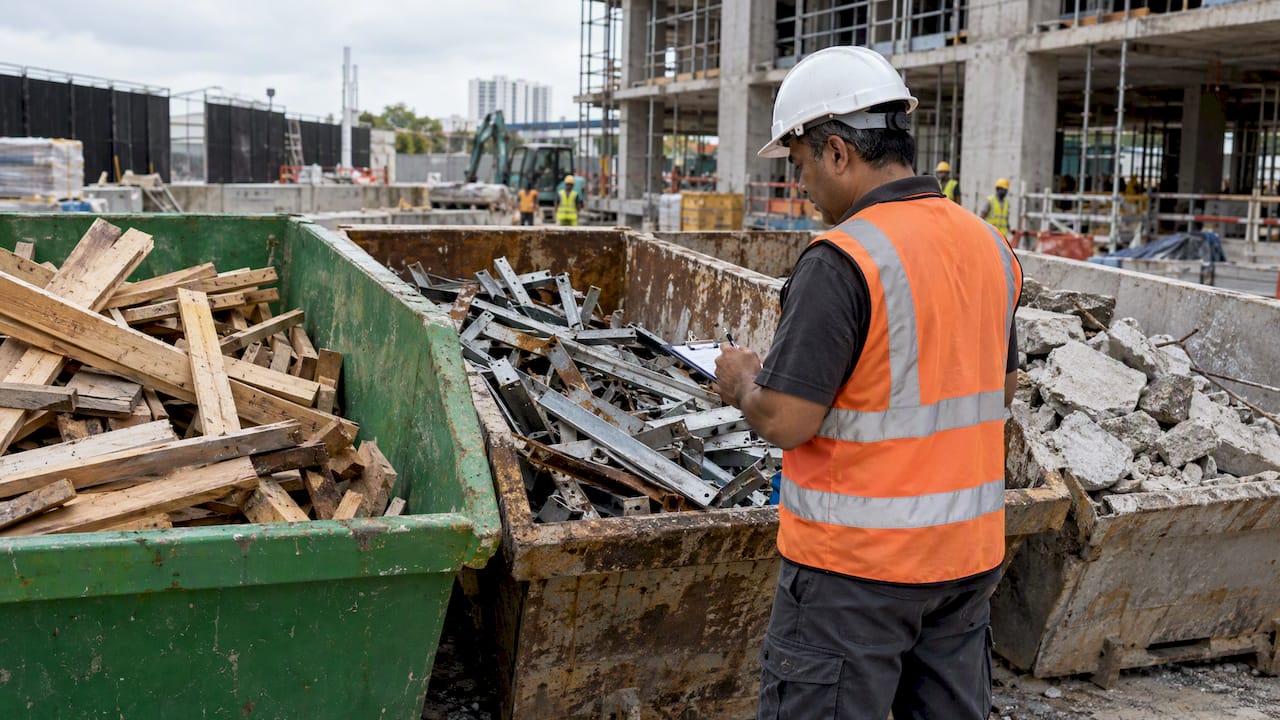
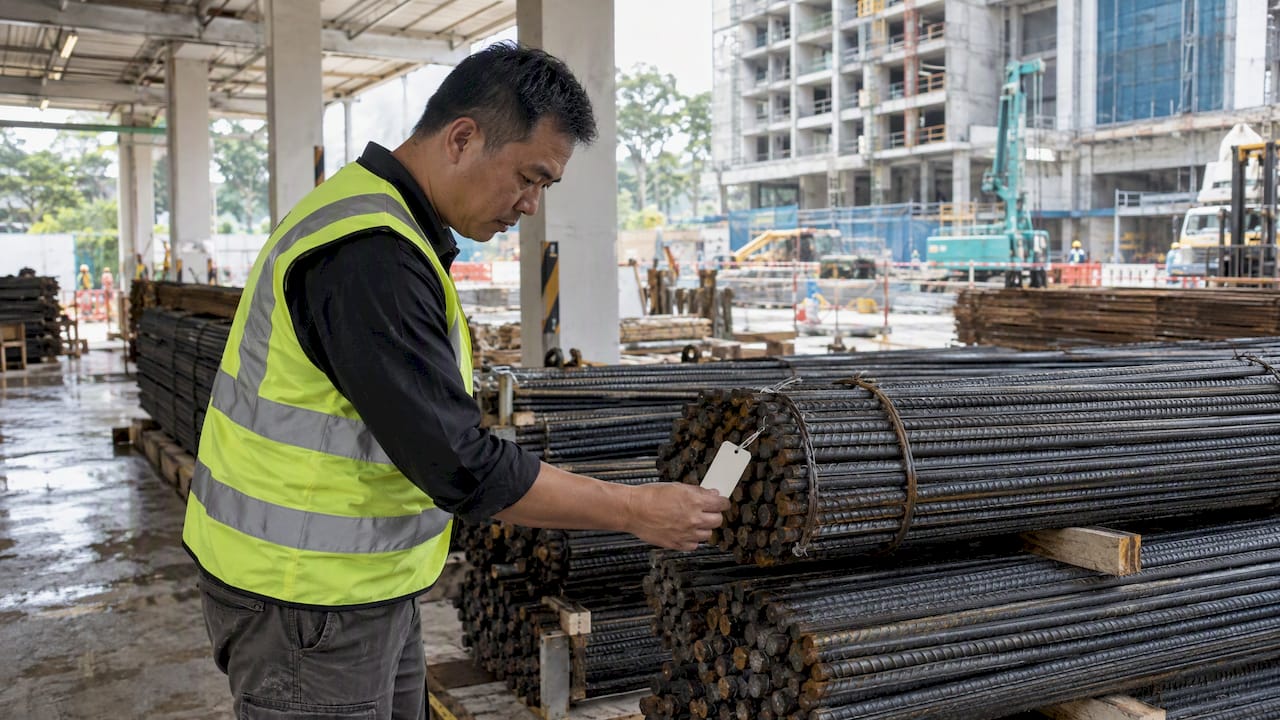
A safety officer, by contrast, is more closely tied to daily operations. This role is often responsible for routine site inspections, toolbox meeting support, hazard reporting follow-up, permit monitoring, worksite coordination, and practical enforcement of safety procedures. In many organizations, the safety officer is the person workers and supervisors interact with most often on safety matters.
That distinction matters because safety performance depends on both design and discipline. A strong system on paper will not help much if controls are not applied consistently in the field. At the same time, active site monitoring alone will not solve deeper issues in policy, legal compliance, training structure, contractor management, or audit readiness.
What a safety consultant typically does
A safety consultant usually works at the management system and advisory level, although many also spend time on site to verify how work is actually being done. The role is broader than many clients first assume.
In practice, a consultant may review legal obligations, assess whether existing procedures align with current standards, identify weaknesses in documentation, and recommend corrective actions. They may also help prepare for external audits, client prequalification, or internal management reviews. In construction and industrial settings, consultants are often brought in when a company is scaling up, bidding for larger projects, or responding to repeated findings from inspections or audits.
A good consultant does more than produce reports. The value comes from translating regulations and standards into workable controls that fit the client’s operations. That means understanding site realities, subcontractor coordination, deadlines, and the difference between a document that satisfies an auditor and a process that people can realistically follow.
This is also where external perspective helps. Internal teams can become used to recurring weaknesses and stop seeing them clearly. A consultant is often able to identify patterns across training, supervision, documentation, and field behavior that point to a bigger systemic issue.
What a safety officer typically does
A safety officer is usually closer to the front line. The role supports the everyday management of workplace risks and helps ensure that established procedures are followed consistently.
Depending on the industry and project type, this can include inspecting work areas, checking PPE compliance, observing high-risk activities, following up on unsafe conditions, assisting with incident reporting, and coordinating with supervisors on immediate corrective actions. In project environments, the safety officer often plays an important part in keeping site operations aligned with approved risk controls.
This position is critical because many safety failures do not happen from lack of policy. They happen when people drift from the approved method, when conditions change on site, or when work pressure starts overriding established controls. A safety officer helps close that gap by maintaining visibility, reinforcing expectations, and responding quickly when conditions become unsafe.
That said, a safety officer’s effectiveness depends heavily on management support. If the business expects the officer to carry safety alone, without operational accountability from line supervisors and managers, the role becomes reactive. The best outcomes happen when safety officers are supported by leadership, clear procedures, and a system that gives them authority to act.
When a business should hire a safety consultant
A consultant is often the right choice when the challenge is not simply manpower, but capability, objectivity, or strategic improvement.
For example, if your business is preparing for BizSAFE, ISO alignment, a client audit, or a regulatory review, a consultant can help assess readiness, close documentation gaps, and structure the process properly. If incident trends suggest deeper failures in risk management, training, or contractor control, consultant support can help diagnose root causes beyond the immediate event. The same applies when a company enters a new market, starts a larger project, or needs Design for Safety input, WSH audit support, or broader EHS advisory services.
Consultants are also useful for SMEs that do not need a full-time senior specialist but still need reliable expertise. In those cases, outsourced support gives access to practical guidance without the fixed cost of building a larger internal team.
Still, a consultant is not a substitute for daily site ownership. If your immediate problem is weak field supervision, repeated unsafe acts, or lack of consistent monitoring, advisory support alone may not be enough.
When a business should appoint a safety officer
A safety officer is usually the better fit when operational exposure is continuous and the business needs regular on-site oversight. Construction projects, plant activities, maintenance shutdowns, and high-risk industrial work often fall into this category.
If there are multiple work fronts, subcontractors moving in and out, frequent permit-controlled tasks, or dynamic site conditions, someone needs to stay close to the work. That is where the safety officer role becomes essential. This person helps maintain control at the point where risk is actually created.
The role is also important when the organization already has a basic safety system in place but needs stronger execution. In that situation, the issue is often not a lack of policies but inconsistent application. A safety officer can help build routine discipline, improve reporting, and support supervisors in managing safety expectations more consistently.
However, appointing a safety officer does not automatically solve compliance problems. If procedures are weak, responsibilities are unclear, or documentation does not reflect actual operations, the officer may end up managing symptoms rather than causes.
Why many companies need both
For many businesses, safety consultant vs safety officer is not really an either-or decision. It is a question of how to combine strategic expertise with operational presence.
A consultant can review the system, identify gaps, improve documentation, support audits, and strengthen the overall framework. A safety officer can help make sure those controls are visible in the field and applied day to day. One builds and refines the structure. The other helps sustain it in practice.
This combination is especially useful during periods of change – when a company is preparing for certification, taking on larger contracts, recovering from audit findings, or improving performance after incidents. In those moments, leadership needs both a higher-level view and consistent operational follow-through.
This is where integrated support can make a practical difference. A firm like MOSAIC Ecoconstruction Solutions Pte Ltd can support businesses not only with advisory, audits, and compliance planning, but also with outsourced safety expertise that helps close the gap between paperwork and site implementation.
Cost, flexibility, and business impact
Cost is often part of the discussion, but the cheaper option on paper is not always the lower-risk decision.
A consultant may be more cost-effective when the need is temporary, specialized, or project-based. You pay for targeted expertise, not permanent headcount. This works well for gap assessments, certification preparation, documentation upgrades, training support, or periodic audits.
A safety officer may be the better investment when the work environment requires constant oversight. If risks are active every day, relying only on periodic consultant visits may leave too much unmanaged between reviews.
The real comparison should not be limited to fees. It should include the cost of incidents, failed audits, delayed certifications, client dissatisfaction, and lost productivity from weak safety coordination. In many cases, the right role pays for itself by reducing disruption and strengthening compliance confidence.
How to choose the right model
The best choice depends on what problem you are trying to solve. If your business needs independent review, stronger systems, certification support, or specialized compliance guidance, a consultant is likely the better starting point. If your challenge is active worksite control, routine monitoring, and day-to-day enforcement, a safety officer is usually essential.
If both system weaknesses and field inconsistency are present, which is common, then combining both functions is often the smartest approach. Start by looking honestly at where failures occur. Are issues appearing in audits, in documentation, in leadership processes, or at the workface? That answer usually points to the right resourcing model.
Safety performance rarely improves because of job titles alone. It improves when responsibilities are clear, expertise matches the risk profile, and support is built around the way the business actually operates. Choosing between a safety consultant and a safety officer is less about hierarchy and more about fit. When the role matches the need, compliance becomes easier to manage and safer work becomes easier to sustain.