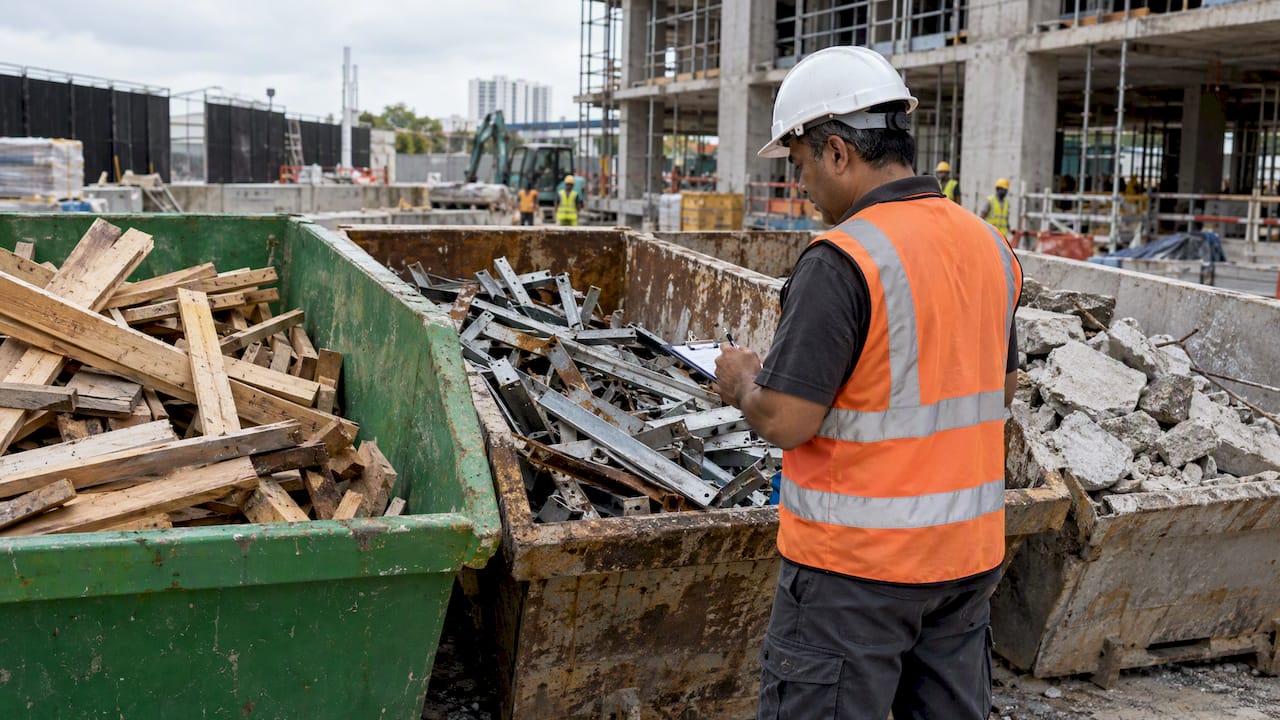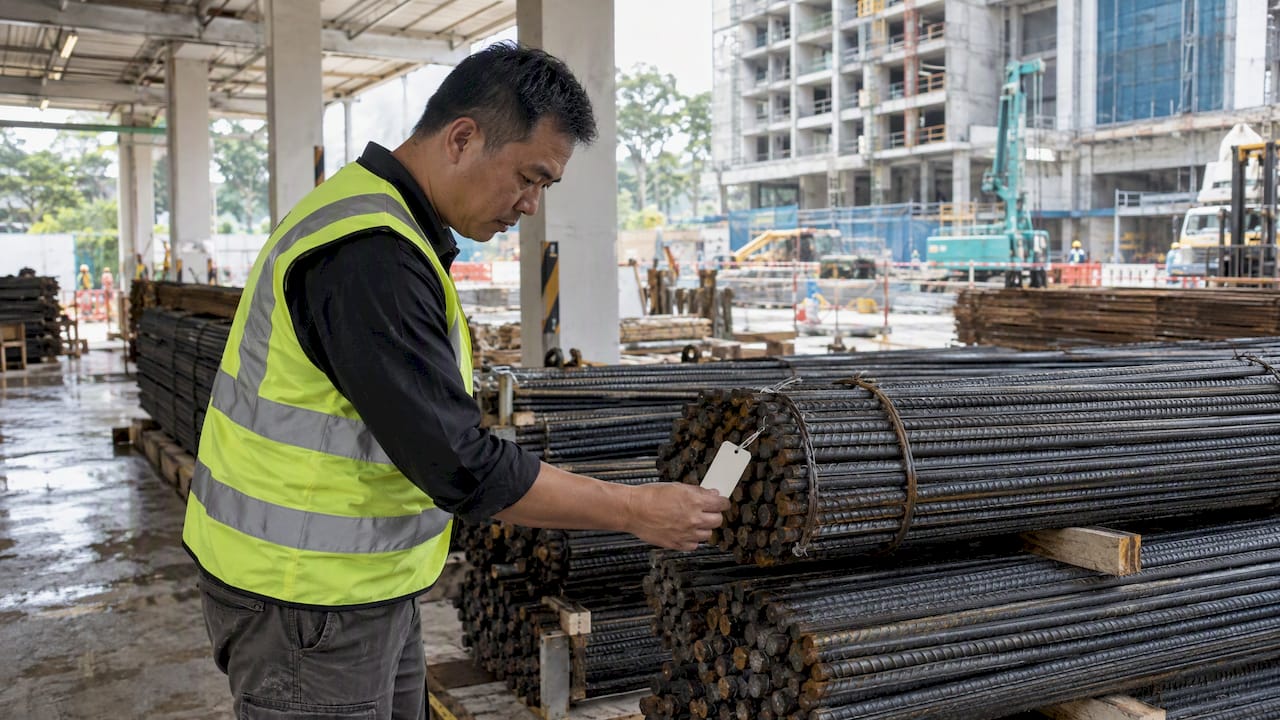

Singapore’s construction sector operates under one of the most structured Workplace Safety and Health (WSH) regulatory frameworks in the Asia-Pacific region, and compliance is not discretionary. The Workplace Safety and Health Act, together with the Workplace Safety and Health (Construction) Regulations 2007, establishes binding obligations on every party in the project chain, from developers and designers to main contractors and their subcontractors at every tier. Key compliance elements include permit-to-work systems for high-risk activities, site-specific safety training, structured risk assessments, and mandatory incident reporting. The Safety Disqualification (SDQ) Framework, effective from April 1, 2024, adds a direct commercial consequence to poor safety performance by barring contractors from public tenders. Design for Safety (DfS) principles, governed by the WSH (Design for Safety) Regulations 2015, extend these obligations upstream into the design and planning phases.
The core compliance obligations that every construction professional must understand are:
- Permit-to-work (PTW) system: Mandatory for all high-risk construction work; supervisors must submit applications detailing safety precautions before work commences.
- Safety Disqualification (SDQ) Framework: Applies to main contractors for projects between $90,000 and $1 million, and to all contractor levels for projects above $1 million.
- Mature WSH technology adoption: Required for public sector projects valued at or above $3 million, including electronic permit-to-work (ePTW) systems and vehicular safety technology (VST).
- WSH Bonus Scheme: Available for projects at or above $50 million, rewarding contractors who maintain high safety standards throughout the construction phase.
- Design for Safety (DfS) obligations: Developers and designers must identify and mitigate risks at the design stage under the WSH (Design for Safety) Regulations 2015.
- Site-specific WSH training: Main contractors must identify and implement training tailored to site activities and the specific workforce on site.
- Subcontractor compliance enforcement: Main contractors bear responsibility for ensuring all subcontractors at every level comply with WSH requirements, including SDQ checks via the CheckSafe system.
- Incident reporting and documentation: Statutory obligations govern the timely reporting of workplace accidents, dangerous occurrences, and occupational diseases to the Ministry of Manpower (MOM).
- Risk assessments and method statements: All subcontractors must conduct risk assessments and comply with approved method statements before executing any construction activity.
What the WSH legal framework actually requires of Singapore construction parties
The statutory backbone of construction safety in Singapore is the Workplace Safety and Health Act (Cap. 354A), which imposes a duty of care on every person who, by their acts or omissions, could affect the safety of workers or others at a worksite. The Act operates on the principle that those who create risk bear primary responsibility for managing it. Developers, designers, main contractors, subcontractors, and even suppliers of plant and equipment each carry defined obligations under this framework.
The Workplace Safety and Health (Construction) Regulations 2007 operationalize these duties at the worksite level. They apply to all worksites in Singapore where building operations or engineering construction works are carried out, regardless of whether the project is government-funded or privately commissioned. The Regulations establish the permit-to-work system as a non-negotiable control mechanism for high-risk construction work, which includes activities such as work at height, excavation, demolition, lifting operations, and work in compressed air environments.
Permit-to-work system requirements
Under the Construction Regulations, project managers must issue permits only after conducting a formal risk assessment and confirming that all necessary safety measures are in place. Supervisors are required to submit permit applications that detail the specific safety precautions and risk mitigation measures applicable to the task. Safety assessors then inspect the site and endorse the permit only after confirming that the worksite is in compliance. This sequential process is not administrative formality; it is a statutory gatekeeping mechanism that prevents high-risk work from commencing until competent personnel have verified site conditions.
The key permit-to-work obligations under the Construction Regulations are:
- Supervisors must submit PTW applications specifying all safety precautions before high-risk work begins.
- Project managers must conduct or commission a risk assessment prior to issuing any permit.
- Safety assessors must physically inspect the site and endorse the permit only upon confirming compliance.
- Workers must be briefed on the hazards identified in the permit before commencing work.
- Permits must be displayed at the work location for the duration of the activity.
Safety Disqualification Framework and tender evaluation
The SDQ Framework, which became operative on April 1, 2024, represents a structural shift in how Singapore’s public sector manages contractor safety performance. Under this framework, contractors with poor WSH records are temporarily barred from tendering for public sector construction projects. The SDQ applies to main contractors for project sums between $90,000 and $1 million, and extends to all contractor levels, including every tier of subcontractor, for projects above $1 million.
Main contractors carry an affirmative obligation to use the CheckSafe system to verify that no disqualified party is engaged on their project, both at the point of appointment and throughout the construction stage. Where a disqualified subcontractor is discovered after appointment, the main contractor must remove that party from the project. Failure to enforce this obligation exposes the main contractor to regulatory sanction.
Beyond the SDQ, government agencies have expanded safety-related tender evaluation criteria. For construction contracts above $1 million, safety-related criteria carry a minimum weightage of 5% in tender evaluation. For contracts evaluated under the Building and Construction Authority’s (BCA) Price Quality Method (PQM) framework, the minimum weightage for safety criteria is 15% of the “Quality” score or 5% of the overall PQM score, whichever is higher. Tenderers may also be required to submit proposals for safety enhancements, extending the evaluation scope beyond historical safety performance into forward-looking safety innovation.
Reporting, documentation, and penalties
The WSH Act mandates that workplace accidents resulting in death, serious injury, or dangerous occurrences be reported to MOM within prescribed timeframes. Failure to report constitutes a criminal offense under the Act. Employers and occupiers must maintain records of all incidents, near-misses, and safety inspections, and these records must be available for inspection by MOM officers at any time.
Penalties for non-compliance are substantial. Individuals convicted of WSH offenses face fines and, in cases of reckless endangerment, imprisonment. Corporate entities face fines calibrated to the severity of the breach and the degree of negligence demonstrated. Repeat offenders and those whose non-compliance results in fatalities face the most severe sanctions under the Act’s enhanced penalty provisions.
How to implement risk management and control measures on Singapore construction sites
Effective risk management in Singapore construction is not a one-time exercise conducted at project inception. It is a continuous, site-specific process that must adapt as work conditions, personnel, and activities change throughout the project lifecycle. The foundational process follows a structured sequence: identify hazards, assess the associated risks, implement controls, and review those controls as circumstances evolve.
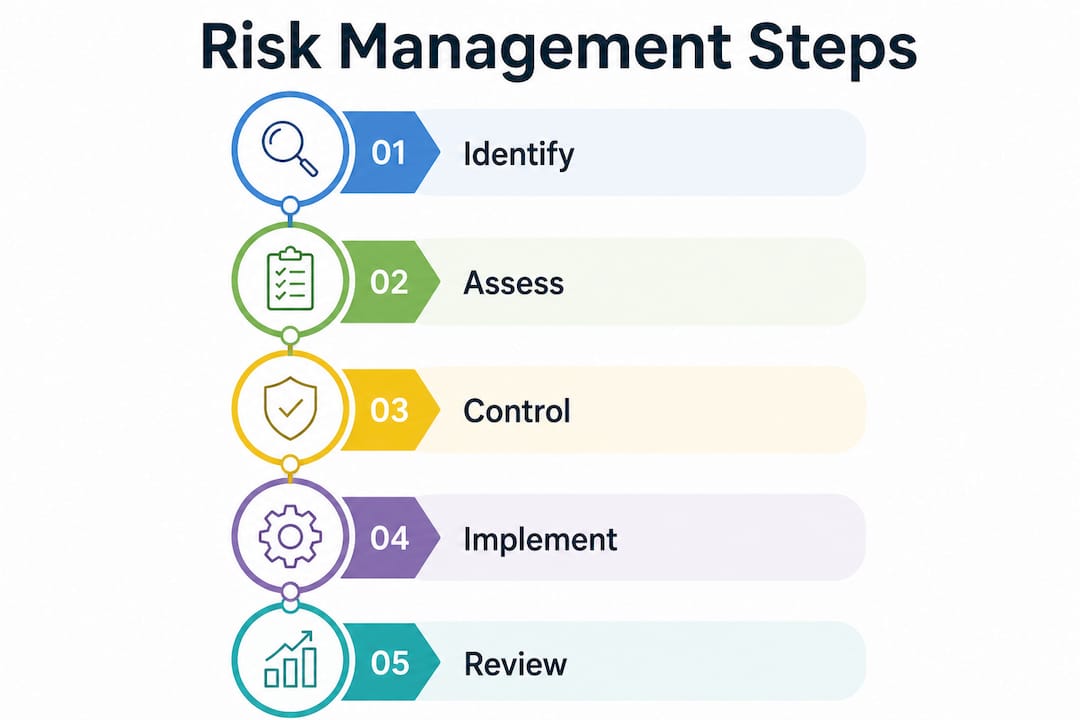
The hierarchy of control measures provides the governing logic for selecting and prioritizing interventions. Starting with elimination at the apex and descending through substitution, isolation, engineering controls, administrative controls, and personal protective equipment (PPE) as the last resort, this hierarchy of control ensures that the most reliable and protective measures are always pursued first. PPE alone is never an acceptable primary control on a Singapore construction site; it supplements higher-order measures, not replaces them.
Site-specific risk management plans
Generic risk assessments do not satisfy Singapore’s regulatory requirements. Risk management plans must be tailored to the specific activities, layout, workforce composition, and environmental conditions of each worksite. For public sector projects above $1 million, main contractors must also conduct risk assessments and ensure all subcontractors comply with approved method statements. Periodic WSH performance reporting and engagement sessions with poor-performing subcontractors are mandatory under the standardized conditions of contract for these projects.
The practical components of a site-specific risk management plan include:
- Hazard identification register: A living document updated as new work activities commence or site conditions change.
- Risk assessment matrix: Evaluating each identified hazard by likelihood and consequence to determine priority for control.
- Control measure schedule: Specifying the selected control for each hazard, the responsible party, and the implementation timeline.
- Monitoring and review protocol: Defining how and when controls will be inspected, and the trigger conditions for review.
- Worker consultation records: Documenting that workers have been consulted in the risk assessment process, as required under the WSH Act.
Mature WSH technology requirements for public projects
For public sector construction projects valued at or above $3 million, contractors must adopt mature WSH technology as a condition of tendering. The two mandated technology categories are the Electronic Permit-to-Work System (ePTW) and Vehicular Safety Technology (VST). The ePTW provides full visibility of all ongoing high-risk activities across the site and flags conflicting works that could create compound hazards. VST detects driver and operator fatigue and reduces the risk of collisions involving heavy plant and vehicles, which remain a leading cause of fatal incidents on Singapore construction sites.
For projects at or above $50 million, the WSH Bonus Scheme provides a financial incentive for contractors who achieve and sustain high safety standards throughout the construction phase. Main contractors are expected to distribute a portion of any bonus received to workers, including those engaged through subcontractors, recognizing that safety performance is a collective outcome.
Pro Tip: Deploy your ePTW system before the first high-risk activity commences, not after the first incident. Retrospective implementation is a regulatory red flag and eliminates the system’s primary value: real-time conflict detection across concurrent work fronts.
Training and certification requirements
WSH training in Singapore construction must be site-specific, not generic. Main contractors must identify the training needs of their workforce based on the actual activities being performed on that site, and implement training programs accordingly. This obligation extends to subcontractors at all levels. Workers performing high-risk activities must hold the relevant competency certifications, and supervisors overseeing such work must be qualified to assess and endorse permit-to-work applications.
Beyond site-specific training, the broader regulatory framework requires that construction workers complete general construction induction training before commencing work on any Singapore worksite. Supervisors and safety officers must hold qualifications recognized by MOM, and safety assessors who endorse permits must be registered with the relevant authorities. Maintaining current training records for all personnel on site is both a legal obligation and a practical necessity during MOM inspections.
Common construction hazards in Singapore and how to mitigate them effectively
Singapore’s construction sector presents a consistent profile of high-priority hazards, shaped by the density of urban worksites, the prevalence of high-rise construction, and the complexity of concurrent trades operating in confined spaces. Understanding which hazards generate the most severe outcomes, and which regulatory controls apply to each, is the starting point for any credible site safety management guide.
The categories of high-risk construction work requiring Safe Work Method Statements (SWMS) include demolition, excavation, lifting operations, work in compressed air environments, and work at height. Each SWMS must identify hazards and risk controls specific to that activity, specify how controls will be implemented and monitored, and be prepared before the high-risk work commences.
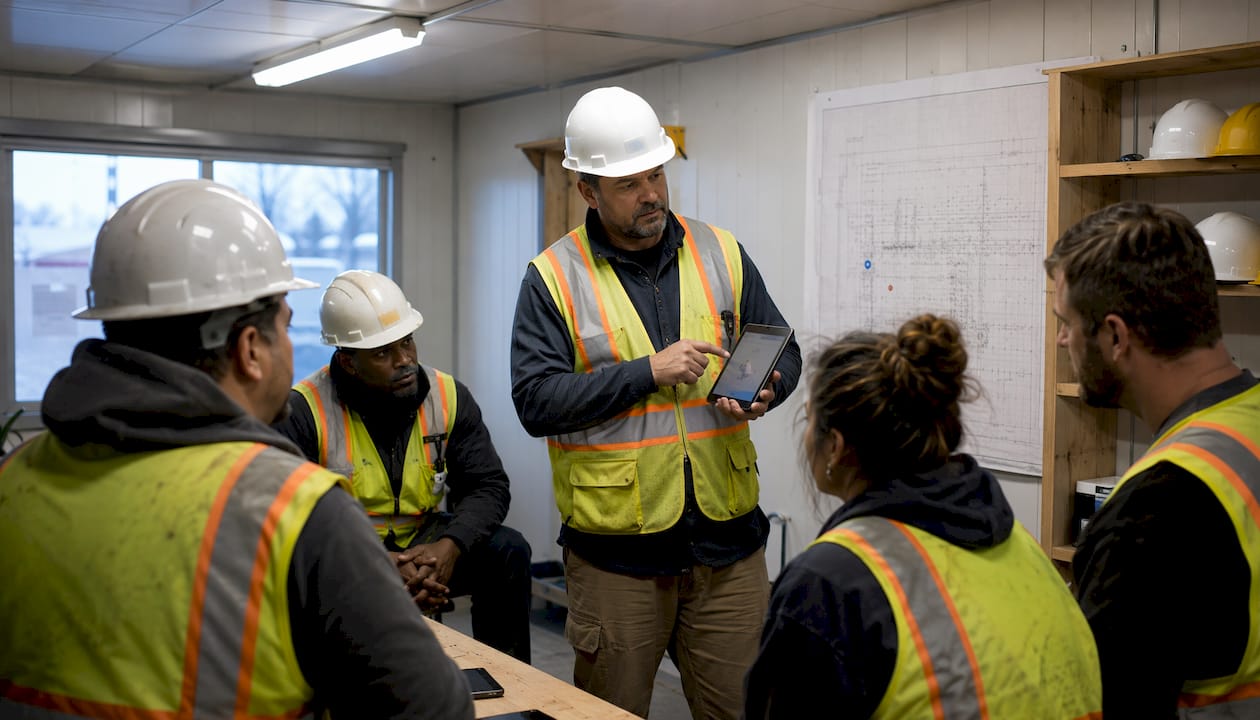
Falls from height
Falls remain the leading cause of construction fatalities in Singapore. Regulatory controls require physical barriers, including guardrails and safety nets, as the primary engineering controls. Work-at-height permits must be issued and endorsed before any elevated work begins. Workers must be trained in the correct use of fall arrest systems, and anchor points must be inspected and certified before use. Administrative controls such as exclusion zones beneath elevated work areas supplement but do not replace physical barriers.
Electrical hazards
Electrocution risk is elevated on sites where temporary electrical installations are common and where workers may inadvertently contact buried or overhead services. Isolation of electrical sources before any excavation or penetration work is mandatory. Temporary electrical installations must comply with the relevant Singapore Standards and be inspected by a licensed electrical worker. Residual current devices (RCDs) must be installed on all temporary power supplies.
Confined space entry
Work in confined spaces, including excavations, tanks, and enclosed structures, requires a confined space entry permit under Singapore’s WSH (Confined Spaces) Regulations. Atmospheric testing for oxygen levels, flammable gases, and toxic contaminants must be conducted before entry and continuously monitored during work. A trained standby person must be stationed outside the confined space at all times during entry operations, and rescue equipment must be immediately available.
Heavy plant and vehicular hazards
Collisions between heavy plant and pedestrian workers account for a disproportionate share of serious injuries on Singapore construction sites. Segregation of plant and pedestrian routes is the primary engineering control, supplemented by physical barriers, banksmen for reversing operations, and VST on all heavy vehicles. The mandatory adoption of VST for projects above $3 million directly addresses this hazard category.
Lifting operations
Crane and lifting operations require a lifting plan prepared by a competent person, approved by the site supervisor, and communicated to all workers in the lift zone. Exclusion zones must be established and enforced for the duration of any lift. Lifting gear must be inspected before each use and certified at the intervals prescribed by the WSH (Lifting Operations) Regulations.
Structural collapse and excavation
Excavation work deeper than 1.5 meters requires shoring or battering to prevent collapse, and a geotechnical assessment may be required for deep excavations adjacent to existing structures. Temporary works designs must be prepared and certified by a Professional Engineer registered in Singapore. Daily inspections of excavation support systems are mandatory, with records maintained on site.
Emergency preparedness and response
Every Singapore construction site must have a documented emergency response plan (ERP) covering fire, medical emergencies, structural collapse, and chemical spills relevant to the site’s activities. The ERP must designate emergency coordinators, specify assembly points, and include contact details for emergency services and MOM. Emergency drills must be conducted at defined intervals, and records of drills must be maintained. First aid facilities and trained first aiders must be available on site at all times during working hours, with the ratio of first aiders to workers meeting the minimum prescribed by MOM.
The role of subcontractors in emergency preparedness is frequently underestimated. Every subcontractor’s workforce must be inducted into the site ERP, not merely the main contractor’s direct employees. Main contractors bear responsibility for ensuring this induction occurs and is documented before any subcontractor worker commences activities on site.
Noise and vibration
Prolonged exposure to construction noise above 85 dB(A) triggers mandatory hearing conservation requirements under Singapore’s WSH (Noise) Regulations. Noise monitoring must be conducted where workers are regularly exposed at or above this threshold, and audiometric testing must be provided to exposed workers. Engineering controls, such as acoustic enclosures for noisy plant, take precedence over hearing protection as the primary control measure.
Hazardous substances
Construction activities involving silica dust, asbestos, lead-based paints, and chemical solvents require specific control measures under the WSH (General Provisions) Regulations and the WSH (Asbestos) Regulations. Material safety data sheets must be available on site for all hazardous substances, and workers handling these materials must receive substance-specific training. Respiratory protective equipment must be selected based on the specific contaminant and its airborne concentration, not on generic availability.
Musculoskeletal hazards from manual tasks
Hazardous manual tasks, including heavy lifting, repetitive movements, and sustained awkward postures, generate a high volume of lost-time injuries in Singapore construction. Engineering controls such as mechanical lifting aids and adjustable work platforms reduce exposure at the source. Task rotation and job redesign are the primary administrative controls where engineering solutions are not practicable.
Psychological and fatigue risks
Extended working hours, shift work, and high-pressure project timelines create fatigue-related risk that is increasingly recognized in Singapore’s WSH framework. The VST mandate for projects above $3 million specifically targets operator fatigue as a precursor to vehicular incidents. Main contractors must also monitor working hours across their subcontractor workforce and implement fatigue management protocols as part of their site safety management obligations.
Using a construction compliance checklist that maps each hazard category to its required control measures and responsible party is one of the most practical tools for maintaining consistent compliance across a complex, multi-trade worksite.
How Design for Safety principles transform construction risk management in Singapore
Design for Safety (DfS) is the most upstream intervention available in Singapore’s WSH regulatory framework, and it is also the most consequential. By identifying and eliminating or reducing hazards at the design and planning stages, DfS reduces the volume and severity of risks that workers must manage during construction, rather than relying on administrative controls and PPE to manage hazards that could have been designed out entirely.
The regulatory basis for DfS in Singapore is the WSH (Design for Safety) Regulations 2015, which impose statutory duties on developers and designers to proactively identify and reduce risks at the design stage. These obligations apply to construction projects that meet prescribed thresholds, and they require that DfS considerations be integrated into every phase of the design process, from concept through detailed design and into the construction documentation stage.
Stakeholder duties under the DfS framework
The DfS framework distributes responsibilities across the project hierarchy in a manner that mirrors the broader WSH Act’s risk-owner principle. Developers must appoint a Design for Safety Professional (DFSP) who is registered with the WSH Council and who carries responsibility for coordinating DfS activities across the design team. Designers, including architects, structural engineers, and mechanical and electrical engineers, must identify foreseeable construction hazards arising from their design decisions and document residual risks that cannot be eliminated through design changes.
The key DfS obligations by stakeholder are:
- Developers: Appoint a registered DFSP; ensure DfS is integrated from project inception; maintain a DfS register documenting all identified hazards and residual risks.
- Designers: Identify construction and maintenance hazards arising from design decisions; apply the hierarchy of control to eliminate or reduce risks through design; document residual risks with recommended controls.
- Main contractors: Receive and review the DfS register from the design team; communicate residual risk information to all subcontractors; verify that subcontractors understand and can manage the risks assigned to their scope.
- Subcontractors: Acknowledge receipt of residual risk information; implement the controls specified in the DfS register for their work activities; report any new hazards identified during construction to the main contractor.
The critical role of information transfer
The most frequently overlooked element of DfS compliance is the transfer of residual risk information from designers to contractors and from main contractors to subcontractors. The WSH Guidelines on Design for Safety are explicit: passing residual risk information to main contractors, who must then ensure subcontractors understand and can manage these risks, is a statutory obligation, not a recommended practice. In practice, this information transfer often fails at the main contractor-to-subcontractor interface, where the DfS register may be filed rather than communicated, and subcontractors commence work without awareness of the specific residual risks their activities generate.
Effective information transfer requires more than distributing the DfS register as a document. Main contractors must conduct structured briefings with each subcontractor’s supervisory team before work commences, confirm that the subcontractor’s workforce has been trained on the specific residual risks relevant to their scope, and document this confirmation in the project safety records.
Benefits of early DfS integration
The WSH Council’s promotion of upstream safety efforts through DfS reflects a well-established principle: hazards eliminated at the design stage cost a fraction of what they cost to manage through controls during construction, and a fraction of the human and financial cost of the incidents they prevent. Designs that eliminate the need for work at height, for example, by specifying prefabricated elements assembled at ground level, remove an entire category of fall risk from the construction phase without requiring any permit-to-work system, fall arrest equipment, or elevated work platform.
For practitioners seeking to implement DfS effectively, the following steps represent the minimum required under Singapore’s regulatory framework:
- Appoint a registered DFSP at project inception, before design options are committed.
- Integrate DfS workshops into the design program at concept, schematic, and detailed design stages.
- Maintain a live DfS register that is updated as design decisions are made and as residual risks are identified.
- Transfer the completed DfS register to the main contractor at the point of contract award, not at the commencement of construction.
- Require main contractors to demonstrate, in their pre-construction safety plan, how each residual risk in the DfS register will be managed during construction.
Understanding who needs Design for Safety on a given project, and at what project value thresholds DfS obligations are triggered, is the first practical question any developer or designer must answer before project planning begins.
DfS and the broader compliance ecosystem
DfS does not operate in isolation from the other elements of Singapore’s WSH framework. A well-executed DfS process reduces the number and severity of hazards that appear in site-specific risk assessments, simplifies the permit-to-work process by eliminating certain high-risk activities entirely, and supports the SDQ Framework by reducing the likelihood of safety incidents that would trigger disqualification. For contractors bidding on public sector projects where safety criteria carry significant tender evaluation weightage, a demonstrably strong DfS process is a competitive differentiator, not merely a compliance obligation.
The practical steps for implementing DfS in Singapore construction projects are well-documented, and practitioners who engage a registered DFSP early in the project lifecycle consistently report fewer design-stage revisions driven by constructability and safety concerns, and fewer construction-phase incidents attributable to design-generated hazards.
How Com supports WSH compliance across Singapore construction projects

Com, operating as MOSAIC Ecoconstruction Solutions, provides specialist WSH consultancy, auditing, training, and manpower outsourcing services tailored to Singapore’s construction sector regulatory environment. For contractors navigating the SDQ Framework, the ePTW and VST technology mandates, and the DfS obligations under the WSH (Design for Safety) Regulations 2015, Com offers structured compliance support across the full project lifecycle.
Com’s safety audit services are aligned with Singapore’s regulatory inspection criteria, providing construction professionals with an independent assessment of their compliance posture before MOM inspections or tender evaluations. For organizations pursuing BizSAFE certification or ISO 45001 alignment, Com’s consultancy team provides end-to-end support from gap analysis through certification audit preparation.
Contractors and developers seeking to integrate DfS into their project programs can engage Com’s registered Design for Safety Professionals, who bring direct experience with Singapore’s WSH (Design for Safety) Regulations 2015 and the practical demands of multi-stakeholder design coordination. Contact Com through the MOSAIC Ecoconstruction Solutions website to discuss your project’s specific compliance requirements.
Key Takeaways
Singapore’s WSH construction sector regulatory framework imposes binding obligations on every project stakeholder, from developers and designers through main contractors and all subcontractor tiers, with commercial and criminal consequences for non-compliance.
| Point | Details |
|---|---|
| SDQ Framework scope | Applies to main contractors for projects between $90,000 and $1 million; extends to all contractor levels above $1 million. |
| Technology mandate threshold | Projects at or above $3 million must adopt ePTW and VST as conditions of tendering for public sector work. |
| WSH Bonus Scheme eligibility | Available for projects at or above $50 million, with main contractors required to share bonuses with workers and subcontractors. |
| DfS information transfer | Main contractors must communicate residual design risks to every subcontractor tier before work commences, not merely file the DfS register. |
| Hierarchy of control priority | Elimination and engineering controls must be pursued before administrative controls or PPE in all site risk management decisions. |
Recommended
- Singapore’s 2025 WSH (Design for Safety) Guide for Developers – MOSAIC Eco-construction Solutions Pte Ltd
- Essential Guide: Singapore Construction Safety Standards
- Implementing Effective Workplace Safety And Health Management Systems In Singapore Construction Industry – MOSAIC Eco-construction Solutions Pte Ltd
- Your Guide to BizSafe and Beyond: How WSH Consultants Fast-Track Certifications – MOSAIC Eco-construction Solutions Pte Ltd