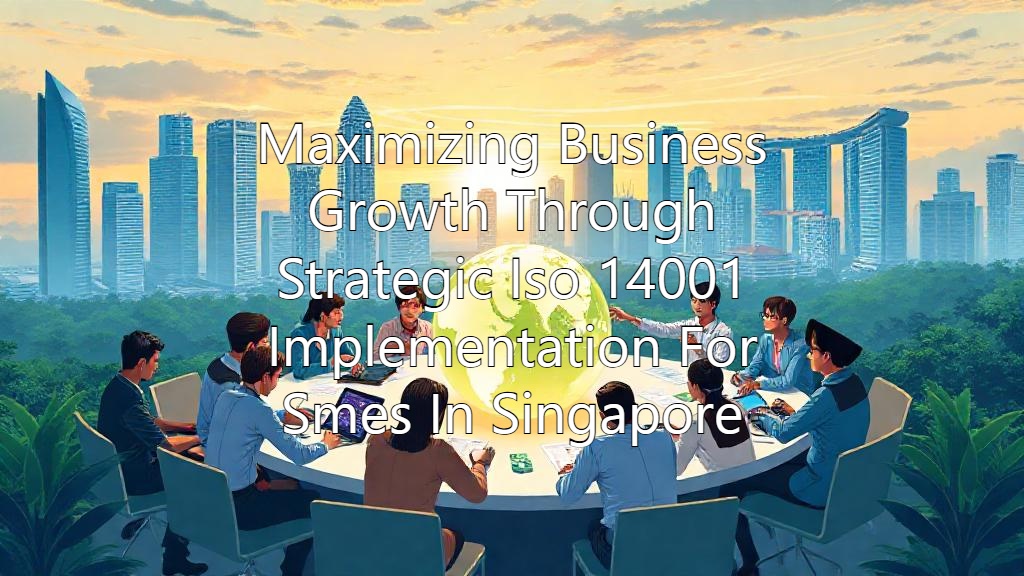
As a small to medium-sized enterprise (SME) in Singapore, navigating the complex landscape of environmental regulations and standards can be challenging.
With the city-state’s strong emphasis on sustainability and environmental stewardship, SMEs are under increasing pressure to demonstrate their commitment to reducing their ecological footprint.
Implementing the ISO 14001 standard, a globally recognized framework for environmental management systems (EMS), can be a strategic move for SMEs to stay ahead of the curve and maximize their business growth.
The ISO 14001 standard provides a framework for organizations to develop and implement an effective environmental management system, enabling them to reduce their environmental impact and improve their overall performance.
By integrating ISO 14001 into their operations, SMEs can minimize their environmental impact, unlock new business opportunities, enhance their reputation, and stay ahead of the competition.
Implementing Iso 14001 Certification For Small And Medium Enterprises In Singapore Effectively
Implementing ISO 14001 certification can be beneficial for small and medium enterprises (SMEs) in Singapore, enabling them to reduce their environmental footprint while enhancing their reputation and bottom line.
By adopting this international standard, SMEs can demonstrate their commitment to environmental responsibility and gain a competitive edge in the market.
Environmental benefits can be achieved through the implementation of ISO 14001, such as reducing waste and pollution.
Cost savings can be realized by reducing energy consumption and minimizing the use of natural resources.
Implementing ISO 14001 certification can also enhance brand reputation and increase customer trust.
Understanding The Benefits Of Iso 14001 Environmental Management Systems For Smes

As SMEs navigate the complexities of running a business in Singapore, they are likely no stranger to the numerous challenges that come with managing their environmental footprint.
Implementing an environmental management system (EMS) can seem daunting, but it doesn’t have to be.
Breaking down the process into manageable steps and understanding the benefits of ISO 14001 can help SMEs make informed decisions about their environmental strategy.
By adopting this international standard, SMEs can ensure they are operating in an environmentally responsible manner, which can lead to cost savings, improved brand reputation, and increased customer trust.
Enhancing Business Credibility Through Strategic Iso 14001 Compliance And Certification
A notable example of the benefits of ISO 14001 certification is the case of a Singaporean manufacturing firm that reduced its environmental footprint by 30% and increased its market share by 25% after obtaining the certification.
This was achieved through the implementation of an environmental management system that minimized waste and optimized resource utilization.
The company’s commitment to environmental sustainability not only enhanced its reputation but also resulted in significant cost savings.
By achieving ISO 14001 certification, the firm demonstrated its dedication to responsible business practices and appealed to environmentally conscious customers.
Streamlining Environmental Management Processes With Iso 14001 Implementation Guidelines
Implementing ISO 14001 is like navigating a complex maze, where a clear understanding of the guidelines is the thread that leads to a successful environmental management system.
The standard provides a framework for companies to identify and control environmental impacts, ensuring compliance with regulatory requirements and stakeholder expectations.
By following the ISO 14001 implementation guidelines, businesses can establish a systematic approach to environmental management, resulting in a cohesive and effective system.
This can lead to cost savings, enhanced reputation, and increased competitiveness in the market.
Identifying Key Performance Indicators For Successful Iso 14001 Implementation In Smes
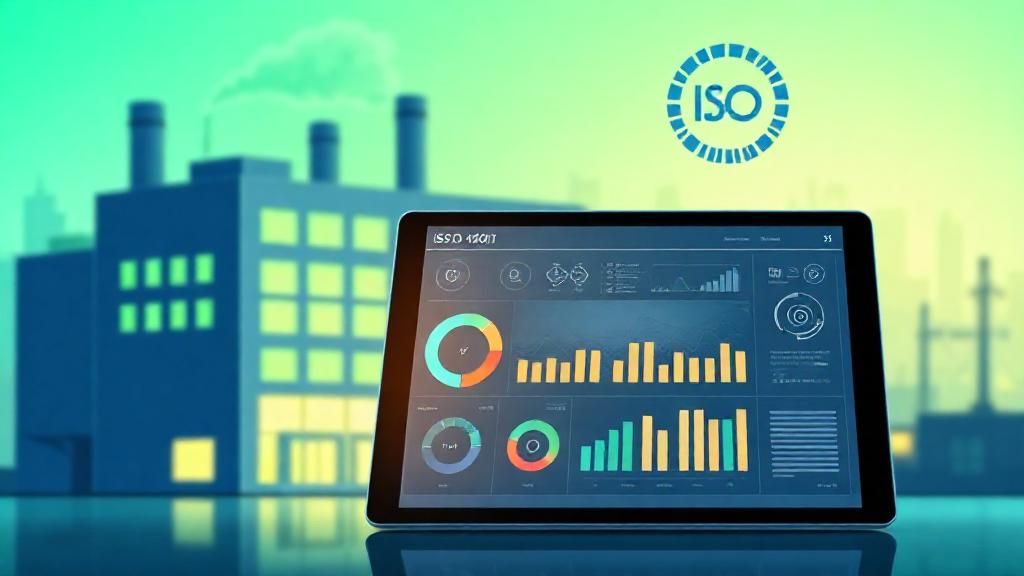
To ensure a successful ISO 14001 implementation, it is crucial to identify and track key performance indicators (KPIs) that align with the organization’s environmental objectives.
These KPIs can include metrics such as energy consumption, water usage, and waste reduction, which can be used to measure the effectiveness of the environmental management system.
By tracking these KPIs, SMEs can identify areas for improvement and make data-driven decisions to enhance their environmental performance.
Developing A Comprehensive Iso 14001 Business Case For Singaporean Small Businesses
To develop a strong business case, Singaporean small businesses must consider several key factors, including implementing environmental management systems, conducting cost-benefit analyses, identifying key stakeholders, and establishing clear goals and objectives.
By considering these factors, Singaporean small businesses can create a comprehensive business case for ISO 14001 certification, ultimately leading to improved environmental performance and increased competitiveness.
Improving Supply Chain Management Through Iso 14001 Certification And Compliance
Implementing ISO 14001 can lead to significant cost savings and improved brand reputation.
A thorough analysis of the supply chain is necessary to identify areas for improvement and prioritize them.
By achieving ISO 14001 certification, companies can reduce their environmental footprint and improve their overall supply chain management, resulting in increased efficiency and profitability.
Overcoming Common Challenges Faced By Smes During Iso 14001 Implementation Process
Contrary to popular belief, small and medium-sized enterprises (SMEs) can successfully implement ISO 14001 without breaking the bank or getting bogged down in bureaucratic red tape.
In fact, many SMEs have found that the benefits of certification far outweigh the costs.
By streamlining processes and reducing waste, SMEs can actually increase efficiency and cut costs.
Leveraging Iso 14001 Certification To Gain Competitive Advantage In The Singaporean Market
Implementing ISO 14001 certification can significantly enhance a company’s reputation and credibility in the Singaporean market, as it demonstrates a commitment to environmental responsibility and sustainability.
By adopting this international standard, organizations can reduce their environmental footprint, improve resource efficiency, and mitigate potential environmental risks, ultimately leading to cost savings and increased competitiveness.
As Singaporean SMEs continue to navigate the complexities of environmental sustainability, the adoption of ISO 14001 remains a pivotal step in maximizing business growth.
By embracing this international standard, SMEs can not only reduce their environmental footprint but also enhance their reputation, improve operational efficiency, and access new markets.
Ultimately, the journey towards environmental excellence will require ongoing innovation, collaboration, and a deep commitment to sustainability, and it is here that Singaporean SMEs can truly thrive and make a lasting impact on the environment and the economy.