
1. Introduction: The Imperative of Chemical Safety in Singapore’s Industries
In the dynamic and technologically advanced industrial landscape of Singapore, chemicals are an indispensable component of progress and economic vitality. From the sprawling petrochemical complexes on Jurong Island and the precision electronics manufacturing sector to the innovative life sciences laboratories and the ubiquitous use of paints, adhesives, and detergents in construction and services, hazardous substances are integral to daily operations.1
While these chemicals drive innovation and productivity, they also present significant risks. An accidental release, an uncontrolled reaction, or improper exposure can lead to catastrophic consequences: debilitating injuries, chronic occupational diseases, environmental contamination, and severe business disruption.
Recognizing these high stakes, Singapore has established one of the world’s most robust and comprehensive frameworks for workplace safety and health. At its core is the Workplace Safety and Health (WSH) Act, which champions a fundamental principle of shared responsibility.4
This principle dictates that creating a safe working environment is not the sole duty of a safety officer but a collective obligation that extends from the highest levels of senior management to every worker on the ground. Effective chemical management is therefore not merely a matter of regulatory compliance; it is a critical pillar of operational excellence, business resilience, and corporate stewardship.
This guide is designed to serve as a definitive resource for WSH officers, compliance managers, and business leaders navigating the complexities of chemical hazard management in Singapore. It provides an exhaustive examination of the entire chemical lifecycle, structured around four essential pillars:
- The Legal Framework (The “Why”): A detailed exploration of the WSH Act and the distinct roles of the key regulatory bodies—the Ministry of Manpower (MOM), the National Environment Agency (NEA), and the Singapore Civil Defence Force (SCDF).
- Hazard Communication & Risk Management (The “What” and “How Bad”): A deep dive into the Globally Harmonised System (GHS) for classifying and communicating hazards, and the mandatory process of risk assessment.
- Safe Operations: Storage, Handling & Disposal (The “How-To”): Practical, compliant procedures for the physical management of chemicals, from storage and segregation to handling, ventilation, and final disposal.
- Building a Resilient Safety Culture (The “Who” and “How Often”): An analysis of the “human factor,” focusing on competency, training, emergency preparedness, and the indispensable role of leadership.
A distinguishing feature of Singapore’s approach is its emphasis on a systematic, “cradle-to-grave” management philosophy.5 Regulators are increasingly focused not just on individual points of compliance, but on the existence and effectiveness of a holistic
Management of Hazardous Chemicals Programme.6 This signifies a move away from a simple checklist mentality towards the implementation of integrated, documented systems that manage chemical risks at every stage—from procurement and selection to storage, use, and final waste disposal.6 For businesses, this means demonstrating that robust processes are in place, not just that a few rules are being followed. An audit will scrutinize the system’s integrity, a far more demanding standard.
This guide is also critically timed. The year 2025 marks a period of significant regulatory evolution. Businesses must prepare for several key updates, including the mandatory transition to the 7th Revision of the GHS, new controls on persistent organic pollutants, and the formal inclusion of combustible dust as a hazardous substance under the WSH Act.9 This document will provide the detailed analysis necessary to navigate these changes, ensuring your operations remain compliant, safe, and resilient in the years to come.
2. Navigating the Legal Labyrinth: Key Legislation and Authorities
To effectively manage chemical hazards in Singapore, one must first understand the intricate legal and regulatory framework that governs them. This framework is not a single set of rules but a multi-agency structure with distinct, yet often overlapping, responsibilities. This section provides a clear map of the principal legislation and the specific roles of the key authorities, enabling businesses to navigate their compliance obligations with confidence.
2.1. The Workplace Safety and Health (WSH) Act: The Foundation
The Workplace Safety and Health (WSH) Act, which came into force on 1 March 2006, serves as the cornerstone of Singapore’s occupational safety regime, replacing the antiquated Factories Act and extending its protective ambit to cover all workplaces.4 Its primary objective is to prevent workplace incidents by fostering a proactive safety culture built on sound risk management principles. The Act is founded on three key tenets 4:
- Responsibility: It places the primary responsibility for reducing risks on those who create them. This means that employers, principals, and manufacturers who have control over workplace safety are legally obligated to manage those risks.
- Industry Ownership: The Act encourages industries and organizations to take ownership of their safety and health outcomes by implementing robust management systems, rather than relying solely on regulatory prescription.
- Effective Enforcement: The framework is backed by significant penalties for non-compliance, reinforcing the seriousness of WSH obligations. As of June 1, 2024, maximum fines for serious offenses leading to death or severe injury have been increased to $50,000, holding business leaders more accountable.4
The WSH Act clearly delineates the duties of all stakeholders, establishing a system of shared accountability 4:
- Employers and Occupiers: Have a primary duty of care to ensure, so far as is reasonably practicable, the safety and health of their employees and any other person affected by their work. This includes providing and maintaining a safe work environment, implementing safe systems of work, conducting comprehensive risk assessments, ensuring the safe use of machinery and substances, and providing adequate instruction, training, and supervision.4
- Employees: Are responsible for their own safety and the safety of others. They must cooperate with their employer’s safety initiatives, follow all established safety procedures, use provided personal protective equipment (PPE) correctly, and report any hazards or unsafe conditions to their supervisor.4
2.2. Critical Subsidiary Legislation Under the WSH Act
While the WSH Act provides the overarching principles, the specific, actionable requirements for chemical safety are detailed in its subsidiary legislation. Understanding these regulations is essential for day-to-day compliance.
- WSH (Risk Management) Regulations: This is arguably the most critical piece of subsidiary legislation. It legally mandates that every employer, self-employed person, and principal must conduct a risk assessment for all work activities to identify hazards and implement control measures.1 This process is the starting point and foundation of all chemical safety management.
- WSH (General Provisions) Regulations: This regulation contains the technical heart of chemical safety requirements for all workplaces. Key provisions include 6:
- The requirement for all hazardous substances to be placed under the control of a competent person who has adequate knowledge of their properties and dangers.
- The legal basis for hazard communication, mandating the use of warning labels and Safety Data Sheets (SDS) in accordance with Singapore Standards.
- The mandate to implement all reasonably practicable measures to control toxic airborne contaminants and ensure worker exposure does not exceed the Permissible Exposure Levels (PELs) specified for nearly 700 toxic substances.6
- WSH (Medical Examinations) Regulations: This regulation protects workers from the long-term health effects of certain chemicals. It requires employers to provide pre-employment and periodic medical examinations for any worker exposed to a list of 17 prescribed toxic substances, which include materials like arsenic, benzene, lead, and asbestos.1
- WSH (Incident Reporting) Regulations: This establishes the legal duty for employers or occupiers to report workplace incidents to the Ministry of Manpower (MOM). This includes any accident that leads to a fatality or injury (resulting in more than 3 consecutive days of medical leave), any diagnosed case of an occupational disease, or any dangerous occurrence, such as a major chemical spill or fire.1
2.3. The Tripartite of Regulators: Understanding Who Controls What
A critical challenge for compliance officers is that the regulatory framework is not monolithic; rather, it is a web of interconnected but distinct obligations from multiple agencies. A single hazardous chemical can be subject to controls from MOM, NEA, and SCDF simultaneously, each with a different focus. Understanding this division of labour is crucial to avoid compliance gaps.6
- Ministry of Manpower (MOM): MOM is the primary regulator for workplace safety and health. Its focus is on protecting people at work from all hazards, including chemical exposure. MOM administers the WSH Act and its subsidiary legislation, mandating risk assessments, hazard communication (GHS), control of airborne contaminants below PELs, and worker training for any substance classified as hazardous.6
- National Environment Agency (NEA): The NEA is the guardian of environmental and public health. Under the Environmental Protection and Management Act (EPMA) and its regulations, the NEA controls a specific list of hazardous substances that pose a significant threat to the environment or public health if released.6 This involves a separate licensing regime for the import, sale, storage, use, and disposal of these controlled substances.6
- Singapore Civil Defence Force (SCDF): The SCDF is the authority on fire and public safety. Under the Fire Safety Act (FSA), the SCDF regulates the storage and transport of petroleum and flammable materials to prevent fires and explosions.6 This includes its own licensing system based on the quantity and flashpoint of the materials stored.27
The practical implication of this tripartite system is profound. For example, a company using a flammable and toxic solvent must navigate three sets of rules. It must obtain a P&FM Storage Licence from SCDF if it exceeds the exemption quantity. It may need a Hazardous Substance Licence from NEA if the solvent is on their controlled list.
And regardless of those two licenses, it must comply with all of MOM’s WSH Act requirements—including GHS labelling, providing an SDS, conducting a risk assessment, training workers, and ensuring exposure is below the PEL. Compliance with one agency does not absolve a company of its duties to the others. This necessitates an integrated compliance approach for every chemical introduced to the workplace.
To clarify these overlapping responsibilities, the following table provides a high-level summary.
Table 2.1: Regulatory Oversight of Chemicals in Singapore
| Regulatory Agency | Primary Legislation | Core Focus | Key Controls | Primary Compliance Document |
| Ministry of Manpower (MOM) | Workplace Safety and Health (WSH) Act | Worker Safety & Health | Risk Assessment, GHS, PELs, Training, Medical Surveillance | Risk Assessment Record, Safety Data Sheet (SDS) |
| National Environment Agency (NEA) | Environmental Protection and Management Act (EPMA) | Environmental & Public Health | Licensing of controlled substances, Toxic Waste Disposal regulations | NEA Hazardous Substances (HS) Licence/Permit |
| Singapore Civil Defence Force (SCDF) | Fire Safety Act (FSA) | Fire & Public Safety | Licensing of Petroleum & Flammable Materials (P&FM), Fire Code compliance | SCDF P&FM Storage Licence, Approved Building Plans |
3. Decoding the Language of Safety: The Globally Harmonised System (GHS) in Singapore
Effective chemical management begins with a clear and universal understanding of the hazards involved. Before the adoption of the Globally Harmonised System of Classification and Labelling of Chemicals (GHS), this was a significant challenge. Different countries used different symbols, terms, and formats, creating confusion that could lead to serious accidents, especially in a global trade hub like Singapore.2
The GHS, developed by the United Nations, solves this problem by creating a standardized, universal language for hazard communication.2 In Singapore, adherence to GHS is not just a best practice; it is a legal requirement under the WSH Act and a cornerstone of modern chemical safety.2
3.1. Singapore Standard SS 586: The Rulebook for GHS
The implementation of GHS in Singapore is codified in the Singapore Standard SS 586: Specification for hazard communication for hazardous chemicals and dangerous goods. This standard is the definitive rulebook for industry and is composed of three critical parts 1:
- SS 586-1: Transport and storage of dangerous goods: This part aligns with the UN Recommendations on the Transport of Dangerous Goods (UNRTDG) and specifies requirements for the safe transport and storage of materials classified as dangerous goods.29
- SS 586-2: Globally harmonised system of classification and labelling of chemicals – Singapore’s adaptations: This is the core document for GHS classification and labelling in the workplace. It details how chemicals must be classified based on their hazards and specifies the exact elements required on a GHS label.22 It also outlines which “building blocks” of the international GHS standard Singapore has chosen
not to adopt, such as Flammable Liquids Category 4 and Acute Toxicity Category 5.22 - SS 586-3: Preparation of safety data sheets (SDS): This part prescribes the mandatory 16-section format and content requirements for Safety Data Sheets, ensuring that comprehensive information is provided in a consistent and predictable manner.22
3.2. CRITICAL UPDATE: The Transition from GHS Rev. 4 to Rev. 7
Singapore is in the process of a significant upgrade to its GHS standards. On February 6, 2023, new versions of SS 586-2 and SS 586-3 were released, aligning Singapore with the 7th Revised Edition of the UN GHS (GHS Rev. 7), an update from the previous GHS Rev. 4.10 A two-year transition period was provided, which means that full compliance with the new GHS Rev. 7 standards will be
mandatory from February 6, 2025.33
This transition is more than a paperwork exercise; it introduces substantive changes that require businesses to re-evaluate their chemical inventories and hazard communication programs. Key changes include 10:
- Adoption of New Hazard Classes/Categories:
- Desensitised Explosives: A new physical hazard class has been adopted in its entirety.
- Flammable Gases: Category 1 is now sub-divided into Categories 1A and 1B, and a new category for Pyrophoric Gases has been added.
- New Labelling Requirement for Combustible Dust: If a chemical poses a combustible dust hazard, the label must now include the statement: “Warning: May form explosive dust-air mixtures if dispersed”.32 This aligns with the WSH Act’s formal recognition of “Combustible dust” as a hazardous substance from January 1, 2025.9
- Changes to Classification Rules: The generic cut-off values used to classify mixtures for certain hazards, such as acute toxicity, have been adjusted to align with GHS Rev. 7.32
The introduction of these new hazard classifications has direct operational consequences. It means that some substances or processes previously not considered hazardous may now fall under GHS regulations. For instance, a food processing facility handling large quantities of flour, sugar, or other organic powders must now consider the “combustible dust” hazard.
This requires them to conduct risk assessments for dust explosions, update their SDS and labels, and potentially implement new engineering controls like dust extraction systems—a fundamental shift in their risk perception and management.
3.3. GHS in Practice Part 1: Labels and Pictograms
The GHS label is the most immediate form of hazard communication. Under SS 586-2, a compliant label in a Singaporean workplace must contain seven mandatory elements 14:
- Product Identifier: The name of the chemical, matching the name used in the SDS.
- Pictogram(s): Diamond-shaped symbols that provide a quick visual reference of the hazards.
- Signal Word: Either “DANGER” for more severe hazards or “WARNING” for less severe hazards.
- Hazard Statement(s): Standardized phrases that describe the nature of the hazard (e.g., “Highly flammable liquid and vapour”).
- Precautionary Statement(s): Standardized phrases that advise on measures to prevent or minimize adverse effects (e.g., “Keep away from heat/sparks/open flames,” “Wear protective gloves”).
- Supplementary Information: Any additional useful information (e.g., “Empty uncleaned drums can still be dangerous”).
- Supplier Information: The name, address, and emergency contact number of the Singapore-based manufacturer or supplier.14
Labels must be in English, but should also be in other languages understood by all workers on site.14 Furthermore, SS 586 specifies minimum label dimensions based on the container’s capacity.14
For certain situations, a Reduced Workplace Label is permitted. This applies to containers that are 125ml or smaller, chemicals decanted into secondary containers for immediate use, or chemicals used in laboratories. A reduced label only needs to include the product name and the GHS pictogram(s). However, before implementing this, employers must train workers to interpret the reduced label and know where to find the full hazard information on the SDS.14
Table 3.1: GHS Pictograms and Their Meanings
| Pictogram | Name | Hazards Represented |
| Flame | Flammables, Pyrophorics, Self-Heating, Emits Flammable Gas, Self-Reactives, Organic Peroxides | |
| Flame Over Circle | Oxidizers | |
| !(https://upload.wikimedia.org/wikipedia/commons/thumb/2/24/GHS-pictogram-explos.svg/120px-GHS-pictogram-explos.svg.png) | Exploding Bomb | Explosives, Self-Reactives, Organic Peroxides |
| Gas Cylinder | Gases Under Pressure | |
| Corrosion | Skin Corrosion/Burns, Eye Damage, Corrosive to Metals | |
| !(https://upload.wikimedia.org/wikipedia/commons/thumb/0/02/GHS-pictogram-skull.svg/120px-GHS-pictogram-skull.svg.png) | Skull and Crossbones | Acute Toxicity (fatal or toxic) |
| Exclamation Mark | Irritant (skin and eye), Skin Sensitizer, Acute Toxicity (harmful), Narcotic Effects, Respiratory Tract Irritation | |
| Health Hazard | Carcinogen, Mutagen, Reproductive Toxicity, Respiratory Sensitizer, Target Organ Toxicity, Aspiration Toxicity | |
| Environment | Hazardous to the Aquatic Environment |
Source: 37
3.4. GHS in Practice Part 2: The Safety Data Sheet (SDS)
The Safety Data Sheet (SDS) is the most comprehensive technical document for a hazardous chemical. It provides detailed information on the substance’s properties, hazards, and safe handling procedures. Under SS 586-3, an SDS must follow a strict 16-section format.36
The WSH Act and its regulations place clear duties on employers regarding the SDS 7:
- Obtain an SDS for every hazardous chemical used in the workplace.
- Make the SDS readily available to all workers who may be exposed to the chemical. This can be in hard copy or digital format, but must be accessible during their work shifts.
- Use the information in the SDS to conduct risk assessments and develop safe work procedures.
Singapore has specific requirements for SDS that businesses must follow 22:
- Local Format and Language: All SDS used in Singapore must be in English and conform to the SS 586-3 standard. An SDS from an overseas supplier must be reviewed and adapted to meet local requirements.
- Local Supplier Information: For imported chemicals, the SDS must include the name, address, and contact number of a local supplier or responsible party in Singapore.
- Validity and Review: An SDS does not have an indefinite validity period. It must be reviewed at least every five years from its date of issue. Furthermore, if any significant new information about the chemical’s hazards becomes available, the SDS must be revised and re-issued within six months.
4. The Heart of Prevention: Risk Management and the Hierarchy of Controls
While GHS provides the language to understand hazards, risk management is the engine that drives their prevention. It is a proactive, systematic process for identifying, evaluating, and controlling workplace risks. In Singapore, this is not merely a best practice but a fundamental legal obligation that forms the core of the WSH framework.
4.1. The Legal Mandate: WSH (Risk Management) Regulations
The WSH (Risk Management) Regulations legally compel every employer, self-employed person, and principal to conduct a thorough risk assessment for all work activities, both routine and non-routine.1 This process is cyclical and dynamic. The regulations mandate that every risk assessment must be reviewed and, if necessary, revised 41:
- At least once every three years.
- After any accident, near-miss, or dangerous occurrence.
- When there is a significant change in work processes, procedures, or substances used.
- When new information on WSH risks becomes known.
This requirement for periodic review transforms the risk assessment from a static, one-time document into a living tool for continuous improvement. A mature safety culture uses this review cycle to challenge existing controls and assumptions. For example, a team should ask, “We have relied on PPE for this task for three years. Has a safer substitute chemical become available? Is there a new, more affordable engineering control we could implement?” This approach turns a compliance duty into a strategic opportunity to enhance safety and operational efficiency.
4.2. Conducting a Chemical Health Risk Assessment (CHRA): A Step-by-Step Guide
The process of risk assessment, often referred to as a Chemical Health Risk Assessment (CHRA) in the context of chemical hazards, is a structured methodology. While the term “CHRA” is used more formally in some jurisdictions, the process aligns with the risk assessment requirements mandated by MOM.43
Step 1: Preparation and Team Formation
The first step is to assemble a competent, multi-disciplinary team. This team should include representatives from management, process or facility engineers, supervisors, operators who perform the tasks, maintenance staff, and safety personnel.15 The team leader must be formally trained and competent in risk assessment methodologies. The team must then gather all relevant information, including a complete inventory of chemicals, detailed work procedures, and, most critically, the Safety Data Sheets (SDS) for every substance involved.42
Step 2: Hazard Identification
This is the process of systematically identifying everything with the potential to cause harm. For each work activity involving chemicals, the team must identify all potential hazards by 42:
- Reviewing the SDS: Section 2 (Hazards Identification) and Section 11 (Toxicological Information) are primary sources.
- Considering Hazard Categories: Systematically check for Physical hazards (e.g., flammability, reactivity), Health hazards (e.g., toxicity, corrosivity, carcinogenicity), and Environmental hazards.1
- Identifying Exposure Routes: Observe the work process to determine how a worker could be exposed—through inhalation of vapors or dust, absorption via skin or eye contact, accidental ingestion, or injection through a cut or puncture wound.7
Step 3: Risk Evaluation
Once hazards are identified, the team must evaluate the level of risk associated with each one. This is done by analyzing two factors 42:
- Likelihood: The probability that an incident or exposure will occur.
- Severity: The seriousness of the injury or ill-health that could result.
A crucial part of this step for health hazards is comparing potential worker exposure to the Permissible Exposure Levels (PELs). The WSH (General Provisions) Regulations list PELs for approximately 700 toxic substances.18 PELs represent the maximum concentration of an airborne contaminant that a worker can be exposed to over a specified period without adverse health effects. To do this accurately, the regulations may require a competent person to conduct
hygiene monitoring (e.g., air sampling in the worker’s breathing zone) to get quantitative data on exposure levels.6
This creates a data-driven compliance cycle: Assess the task, monitor the exposure, compare the data to the legal PEL, and then determine if existing controls are adequate. If monitoring shows that exposure exceeds the PEL, the employer is legally non-compliant and must implement more effective controls until subsequent monitoring can prove that exposure is safely below the limit.17 This process cannot be based on guesswork; for substances with a PEL, objective proof of safety may be required.
Step 4: Risk Control
Based on the risk evaluation, the team must determine and implement reasonably practicable control measures to eliminate or reduce the risk. The selection of these measures must be guided by the Hierarchy of Controls.15
4.3. The Hierarchy of Controls: The Guiding Principle for Risk Reduction
The Hierarchy of Controls is a systematic and prioritized approach to managing risk, ranking control measures from the most effective to the least effective. Employers are legally required to consider and apply controls from the top of the hierarchy downwards.42
- Elimination: The most effective and preferred control measure is to completely remove the hazard. This is the only control that guarantees zero risk.
- Example: Redesigning a manufacturing process to completely remove the need for a toxic cleaning solvent.49
- Substitution: If elimination is not possible, the next best step is to replace the hazardous substance or process with a less hazardous one.
- Example: Replacing a highly toxic and carcinogenic solvent like benzene with a less toxic, non-carcinogenic alternative such as heptane for a cleaning task.6
- Engineering Controls: These are physical modifications to the workplace, equipment, or process that isolate workers from the hazard. They are designed to be inherently protective and do not rely on worker behavior.
- Examples:
- Installing a local exhaust ventilation (LEV) system, such as a fume hood or an extractor arm, to capture hazardous vapors at their source before they can enter the breathing zone of the worker.17
- Using closed-loop systems for transferring chemicals to prevent any release into the work environment.17
- Placing barriers or splash guards around a process to protect workers from chemical splashes.52
- Administrative Controls: These are changes to work practices, policies, and procedures to reduce the duration, frequency, or intensity of exposure.
- Examples:
- Developing and strictly enforcing Safe Work Procedures (SWPs) for all tasks involving chemicals.7
- Implementing comprehensive training programs on chemical hazards and safe handling practices.2
- Restricting access to areas where highly hazardous chemicals are used or stored.17
- Placing clear warning signs and labels.51
- Practicing good housekeeping to prevent spills and contamination.7
- Personal Protective Equipment (PPE): This is the last line of defense and the least effective control measure. PPE should only be used when higher-level controls are not reasonably practicable, as a temporary measure, or to supplement existing controls. Its effectiveness depends entirely on correct selection, proper fit, consistent use, and regular maintenance.
- Examples: Chemical-resistant gloves, safety goggles, face shields, and respirators.42
5. Safe Storage and Segregation: A Place for Everything and Everything in its Place
Proper storage is a cornerstone of chemical safety. It is a static activity, but one fraught with potential energy—improper storage can lead to fires, explosions, toxic releases, and environmental damage. In Singapore, chemical storage is tightly regulated through a dual-licensing system involving the SCDF and NEA, underpinned by stringent fire safety codes and the critical principle of chemical segregation.
5.1. The Twin Pillars of Storage Licensing: SCDF and NEA
Before storing any hazardous chemical, a business must determine its licensing obligations with both the SCDF and the NEA, as their jurisdictions are distinct and can overlap.20
5.1.1. SCDF Petroleum & Flammable Materials (P&FM) Storage Licence
Governed by the Fire Safety Act (FSA), this licence is required for the storage of petroleum products and flammable materials with a flash point below 93°C.27 The key concept here is the
exemption quantity. A licence is only required if the amount of flammable material stored on-site exceeds specified limits, which vary by the class of the substance (e.g., LPG, Class I/II/III petroleum) and the type of workplace (e.g., factory, restaurant).27 If quantities are below these thresholds, a licence is not needed, but all other safety requirements under the WSH Act still apply.
For quantities exceeding the exemption, an application must be made via the GoBusiness portal, which typically requires submission of approved building plans showing the storage location and may involve an SCDF inspection before the licence is granted.27
5.1.2. NEA Hazardous Substances (HS) Licence & Permit
Governed by the Environmental Protection and Management Act (EPMA), this licensing scheme applies to a specific list of controlled hazardous substances that pose a significant risk to public or environmental health.21 Unlike the SCDF licence, this is not based on flammability but on a defined list of chemicals. The NEA system has two main approval types 21:
- HS Licence: Required for any company that wishes to import, sell, or export controlled hazardous substances.
- HS Permit: Required for any company that wishes to purchase, store, or use controlled hazardous substances.
A crucial condition for obtaining an NEA HS Licence or Permit is a demonstration of competency. The applicant, or a designated competent person within the company, must have successfully completed the WSQ “Manage Hazardous Substances” (MHS) course.24 This requirement acts as a significant regulatory gatekeeper, ensuring that a demonstrably qualified individual oversees the management of these high-risk chemicals.
It professionalizes the role of the chemical manager, mandating a level of expertise that goes far beyond simple administrative oversight. For businesses, this means they must either hire a pre-qualified individual or invest in the comprehensive training of an existing employee, a strategic decision with cost and human resource implications that ultimately elevates the standard of safety management.
5.2. Fire Safety in Chemical Warehouses: SCDF Fire Code
For facilities storing chemicals, particularly those requiring a P&FM licence, compliance with the SCDF Fire Code is mandatory. The appendices of the Fire Code provide detailed, prescriptive requirements for chemical and hazmat warehouses.58 Key requirements include:
- Compartmentation: Incompatible chemicals and different hazard classes must be stored in separate fire compartments constructed of materials with a minimum 2-hour fire rating. This is to prevent the spread of fire and to stop incompatible materials from mixing during an emergency. Storage of hazardous materials in basements is strictly prohibited.58
- Storage Location and Height: As a general rule, highly hazardous materials like compressed gases (Class 2), flammable liquids (Class 3), and certain reactive solids and oxidizers (Classes 4 and 5) must be stored only on the ground floor of a building, with at least one external wall for ventilation and access.58 Storage height is also limited, depending on whether the warehouse is protected by an automatic sprinkler system.
- Fire Protection Systems: The Fire Code mandates a tiered approach to fire protection based on the hazard grade of the chemicals and the size of the storage compartment. This can range from a simple manual alarm system for a small, low-risk store, to a full-scale automatic foam-water sprinkler system for a large warehouse storing highly flammable liquids.58
5.3. The Critical Rule of Segregation: Preventing Disaster
One of the most fundamental rules of chemical storage is segregation. Storing incompatible chemicals together is a recipe for disaster. A leak or spill could cause them to mix, leading to violent reactions, fires, explosions, or the release of highly toxic gases.60
The primary source of information for chemical compatibility is the Safety Data Sheet (SDS). Specifically, Section 7 (Handling and storage) and Section 10 (Stability and reactivity) will list known incompatible materials.61 This information must be used to plan the layout of any chemical storage area.
Practical segregation methods include 60:
- Storing different hazard classes in separate, dedicated cabinets.
- Using physical distance to separate incompatible groups.
- Employing secondary containment (e.g., spill trays or bunded areas) to ensure that leaks from different containers cannot mix.
- For larger warehouses, using separate fire-rated compartments as required by the SCDF Fire Code.
The following table provides a simplified guide for segregating common chemical hazard classes. Note: This is a general guide only. The specific Safety Data Sheet for each chemical must always be consulted as the ultimate authority on compatibility.
Table 5.1: Chemical Segregation and Compatibility Quick Guide
| Flammable | Oxidizer | Corrosive (Acid) | Corrosive (Base) | Toxic/Poison | Water-Reactive | |
| Flammable | OK | SEPARATE | SEPARATE | OK | OK | SEPARATE |
| Oxidizer | SEPARATE | OK | SEPARATE | SEPARATE | SEPARATE | SEPARATE |
| Corrosive (Acid) | SEPARATE | SEPARATE | OK | SEPARATE | SEPARATE | OK |
| Corrosive (Base) | OK | SEPARATE | SEPARATE | OK | OK | OK |
| Toxic/Poison | OK | SEPARATE | SEPARATE | OK | OK | OK |
| Water-Reactive | SEPARATE | SEPARATE | OK | OK | OK | OK |
Key:
- OK: May be stored together, but always check SDS for specific incompatibilities.
- SEPARATE: Must be stored in separate cabinets or have significant physical separation.
6. In-Practice: Safe Handling, Ventilation, and Personal Protective Equipment (PPE)
Once chemicals are correctly stored, the focus shifts to their active use. Safe handling practices are paramount to preventing exposure and incidents during tasks like decanting, mixing, processing, and transport within the workplace. This requires a combination of documented procedures, effective engineering controls like ventilation, and the correct use of personal protective equipment as the final barrier.
6.1. From Theory to Practice: Developing Safe Work Procedures (SWPs)
A Safe Work Procedure (SWP) is a formal, documented set of step-by-step instructions that describes how to perform a task safely. Under the WSH Act, employers are obligated to develop and implement these procedures for all work involving hazardous chemicals.7 An effective SWP should be clear, concise, and readily available to the workers performing the task.
The development of an SWP must be directly informed by the risk assessment and the chemical’s SDS. It should detail 61:
- The specific chemicals and equipment involved.
- The potential hazards at each step of the task.
- The required control measures, including specific engineering controls to use (e.g., “Perform this task inside the fume hood”) and the exact PPE to be worn.
- Steps to take in case of a minor spill or emergency.
- Proper disposal procedures for any resulting waste.
6.2. Clearing the Air: Workplace Ventilation Requirements
Controlling airborne contaminants is a critical aspect of chemical safety, legally mandated by the WSH (General Provisions) Regulations to ensure worker exposure remains below the established PELs.17 Ventilation is a primary engineering control for achieving this. There are two main types of ventilation systems:
- General (or Dilution) Ventilation: This involves moving large quantities of air through a workspace to dilute the concentration of contaminants. It is generally only suitable for chemicals with low toxicity and when emissions are from diffuse, non-point sources.51
- Local Exhaust Ventilation (LEV): This is the far more effective and preferred method for controlling hazardous airborne substances. An LEV system is designed to capture contaminants at or very near their source of generation, preventing them from escaping into the general work environment and the worker’s breathing zone.17 Examples of LEV include fume cupboards, biological safety cabinets, and extractor arms. The WSH regulations stipulate that LEV systems must be properly designed, constructed, operated, and maintained to be effective.17
The design and maintenance of these systems are also governed by broader standards, such as SS 553 for mechanical ventilation and SS 554 for indoor air quality, which provide a comprehensive framework for ensuring a healthy indoor environment.64 The SCDF Fire Code also has specific requirements for ventilation in hazmat storage areas to prevent the buildup of flammable vapors.58
6.3. The Last Line of Defense: Selecting and Using Personal Protective Equipment (PPE)
As established by the Hierarchy of Controls, Personal Protective Equipment (PPE) is the final barrier between a worker and a chemical hazard. It should never be the first or only control measure considered.42 Employers have a legal duty to conduct a hazard assessment to determine the need for PPE, provide the appropriate equipment at no cost to employees, provide comprehensive training on its proper use, and ensure it is regularly inspected and maintained.4
The selection of PPE must be specific to the hazard, and Section 8 (Exposure controls/personal protection) of the SDS is the primary reference for this. A practical guide to selecting PPE for chemical hazards includes:
- Eye and Face Protection: For handling liquid chemicals, chemical splash goggles that form a seal around the eyes are the minimum requirement. Standard safety glasses are not sufficient as they do not protect against splashes. For tasks with a high risk of splashing, a face shield should be worn in addition to goggles to protect the entire face.69
- Hand Protection: This is one of the most critical and complex areas of PPE selection. No single glove material can protect against all chemicals. The choice of glove material must be based on the specific chemical being handled. Common materials include 69:
- Nitrile: Offers good general chemical resistance and excellent protection against punctures and abrasions.
- Neoprene: Provides good resistance to a broad range of chemicals, including acids, caustics, and oils.
- Butyl/Viton: Offer superior resistance to highly aggressive or corrosive chemicals and organic solvents, but may be less dexterous.
It is essential to consult the glove manufacturer’s chemical resistance chart to verify that the chosen glove is suitable for the chemical and the duration of contact.
- Body Protection: The level of body protection depends on the risk of splashes or contamination. This can range from a chemical-resistant lab coat or apron for minor tasks to a full-body, liquid-proof chemical suit (e.g., made from Tychem®) for handling large quantities of corrosive or highly toxic substances.69
- Respiratory Protection: Selecting the correct respirator is vital and depends on the identity of the airborne contaminant, its concentration, and the oxygen level in the atmosphere.
- Air-Purifying Respirators (APRs): These use cartridges or filters to remove specific contaminants from the air. They can only be used when the contaminant and its concentration are known, and there is sufficient oxygen. The correct cartridge type must be selected for the specific chemical vapor or particulate.69
- Supplied-Air Respirators (SARs): These provide clean air from an independent source (like a cylinder or compressor) and are required for work in oxygen-deficient atmospheres or when concentrations of toxic substances are unknown or immediately dangerous to life or health (IDLH).
The effectiveness of any PPE is contingent upon a comprehensive program that includes medical clearance for respirator use, initial and periodic training, and mandatory fit-testing for tight-fitting respirators to ensure a proper seal.75
7. Preparing for the Worst: Emergency Response and First Aid
Despite the best preventive measures, incidents can still occur. A robust chemical safety program must therefore include comprehensive plans for responding to emergencies, whether it is a chemical spill or an accidental human exposure. Being prepared can mean the difference between a minor, controlled event and a major disaster. In Singapore, emergency preparedness is not just a prudent measure; it is supported by specific legal requirements.
7.1. When Spills Happen: The Emergency Response Plan (ERP)
An Emergency Response Plan (ERP) is a documented, systematic plan of action to be taken in the event of an emergency. For companies that transport or store hazardous substances controlled by the NEA, having an ERP that is submitted to and approved by the authorities is a legal requirement under the Environmental Protection and Management (Hazardous Substances) Regulations.76 This legal requirement serves as a best-practice model for all workplaces that handle significant quantities of hazardous chemicals.
An effective ERP is not just a document; it is a complete system that integrates plans, people, and equipment. A failure in any one of these components renders the entire system ineffective. For example, a well-written plan is useless if the spill kit is empty, the emergency shower is blocked, or the designated responders are not properly trained. An audit of emergency preparedness will likely scrutinize all three aspects.
This means that preparedness requires a recurring operational budget for training, equipment maintenance and replenishment, and facility inspections, not just a one-off effort to write a plan.
The essential components of a chemical spill ERP include 76:
- Identification and Assessment: Clear procedures for immediately identifying the spilled chemical (by referencing labels and the SDS) and evaluating the scale and severity of the risk. This determines whether the spill is minor (can be handled by trained local staff) or major (requires evacuation and external emergency services).
- Notification and Activation: A clear chain of command and contact list for alerting the internal response team (often called the Company Emergency Response Team or CERT) and, if necessary, external agencies like the SCDF (995) and the NEA.76
- Containment and Cleanup: Detailed, step-by-step procedures for safely managing the spill. This includes cordoning off the area, containing the spill using appropriate materials like absorbent booms or neutralizing agents, and cleaning up the residue.77 Procedures should differentiate between handling acids, bases, solvents, and other chemical types.
- Decontamination and Disposal: Procedures for the safe decontamination of personnel, equipment, and the affected area. It must also specify that all contaminated materials (absorbents, PPE, etc.) are to be collected and disposed of as toxic industrial waste through a licensed collector.77
- Emergency Equipment: The ERP must list all available emergency response equipment, such as spill kits, fire extinguishers, and specialized PPE, and ensure these are maintained and readily accessible.76
- Training and Drills: The plan is only effective if people know how to execute it. The ERP must be supported by regular training and drills to ensure all personnel, from first responders to general staff, understand their roles and can act competently and calmly during a real event.81
7.2. Immediate Care: First Aid for Chemical Exposure
When a worker is exposed to a hazardous chemical, immediate and correct first aid can significantly reduce the severity of the injury. The WSH (First-Aid) Regulations provide the legal framework for first aid provision in Singaporean workplaces.5
A critical and specific requirement of these regulations is that any workplace where persons may come into contact with toxic or corrosive substances must provide and maintain suitable facilities for the quick drenching or flushing of the eyes and body. This means that readily accessible, unobstructed, and properly functioning emergency showers and eyewash stations are a legal necessity in such environments.5
For any chemical exposure, the first and most important source of information is Section 4 (First-aid measures) of the chemical’s SDS.38 This section provides specific, authoritative instructions for that particular substance. General first aid principles for common chemical exposures include:
- Skin Contact: Immediately begin flushing the affected area with copious amounts of cool, running water for at least 15-20 minutes. While flushing, carefully remove any contaminated clothing or jewelry to prevent further contact with the skin.78
- Eye Contact: Lead the victim to an eyewash station and flush the eyes continuously with water for at least 15 minutes. It is crucial to hold the eyelids open to ensure water reaches all surfaces of the eye and under the lids. If contact lenses are worn, they should be removed if possible, but flushing should not be delayed.85
- Inhalation: Immediately move the victim to an area with fresh air, away from the contaminated source. If the victim’s breathing is difficult or has stopped, call for emergency medical services and provide artificial respiration or CPR if trained to do so.78
- Ingestion: Do not induce vomiting unless specifically instructed to do so by a medical professional or the SDS. Have the victim rinse their mouth with water. Seek immediate medical attention.78
For workplaces with more than 25 employees, the regulations require the appointment of trained first-aiders. These individuals must have successfully completed an MOM-accredited Occupational First Aid Course (OFAC). This comprehensive course covers not only standard first aid but also specific topics relevant to industrial settings, including industrial toxicology and managing chemical exposures, ensuring that designated responders have the specialized knowledge needed for workplace incidents.86
8. The Final Stage: Compliant Chemical Waste Disposal
The “cradle-to-grave” responsibility for chemical management extends beyond the use of a chemical to its final disposal. Chemical waste, if managed improperly, can pose severe risks to public health and the environment. In Singapore, the disposal of such waste is a highly regulated activity overseen primarily by the National Environment Agency (NEA).
8.1. NEA’s Environmental Public Health (Toxic Industrial Waste) Regulations
The Environmental Public Health (Toxic Industrial Waste) Regulations is the key piece of legislation governing the collection, treatment, and disposal of hazardous waste.25 The entire process is built on a foundation of accountability, starting with the waste generator.
The first and most critical step for any business is Waste Identification and Characterization. The company that generates the waste is legally responsible for correctly identifying and classifying it according to the list of Toxic Industrial Wastes (TIW) defined in the regulations.87 This classification will determine the required handling, treatment, and disposal methods.
8.2. Engaging Licensed Collectors
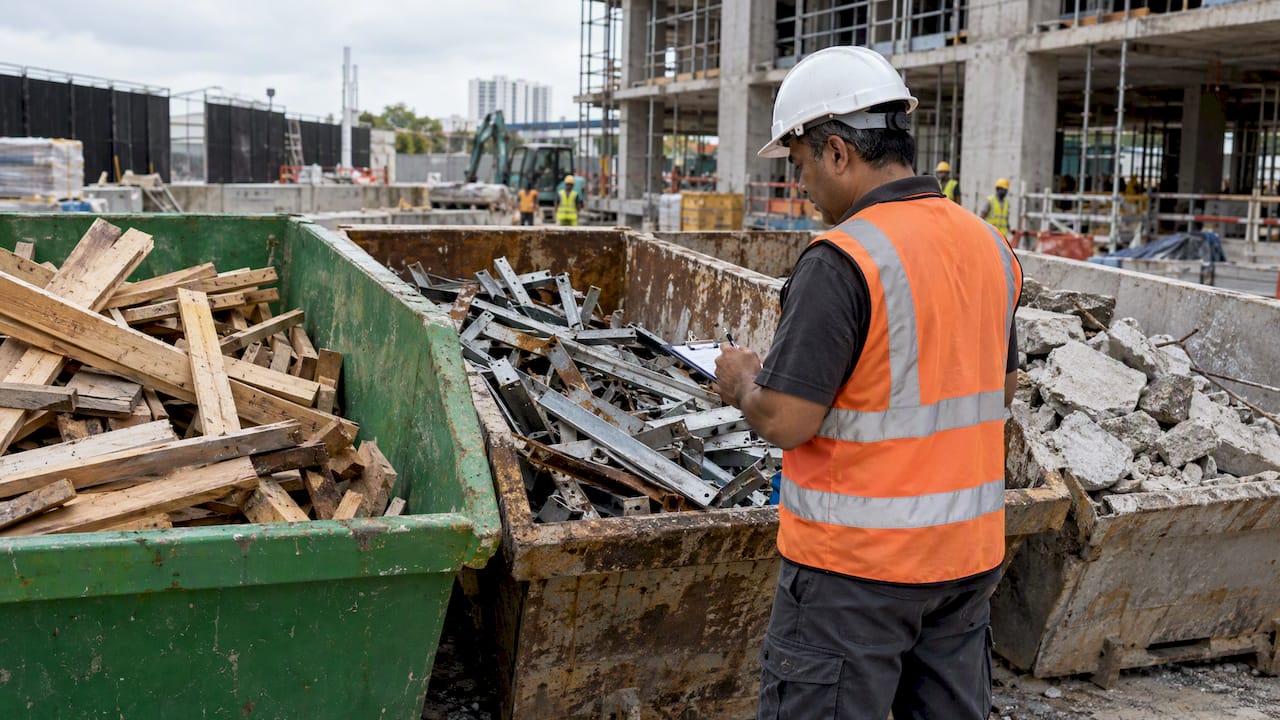
It is strictly illegal to dispose of toxic industrial waste through general waste streams or unlicensed channels. Businesses are legally obligated to engage a Toxic Industrial Waste Collector (TIWC) that is licensed by the NEA to handle the specific type of waste they generate.6
This legal requirement underscores the principle of “cradle-to-grave” accountability. A business’s responsibility for its waste does not end when it is handed over to a contractor. The generator remains liable for the waste until its final, compliant disposal. If an unlicensed collector is engaged and subsequently dumps the waste illegally, the generating company can be held legally and financially responsible.
Therefore, performing due diligence on waste disposal vendors is a critical risk management step. Businesses must verify that their chosen TIWC holds a valid and current NEA licence that specifically covers the types of waste they are collecting.
8.3. On-site Management of Waste
While awaiting collection by a licensed TIWC, chemical waste must be managed safely on-site. The principles for storing waste are similar to those for storing new chemicals 87:
- Segregation: Different types of chemical waste must not be mixed. Incompatible waste streams must be kept separate to prevent dangerous reactions.
- Labeling and Packaging: All waste containers must be clearly and correctly labeled, indicating their contents and associated hazards. They must be stored in suitable, sealed containers to prevent leaks or spills during storage and transport.
- Storage: Waste should be stored in a designated, secure area that is equipped with appropriate secondary containment (e.g., bunding) to contain any potential spills.
8.4. Documentation and Transboundary Movement
Maintaining a clear paper trail is essential for demonstrating compliance and accountability. Businesses must keep accurate records of all waste disposal activities, including the types and quantities of waste generated, and documentation from the TIWC confirming its collection and proper disposal.87 These records are subject to inspection by the NEA.
For companies involved in international trade, it is also important to be aware of regulations governing the movement of hazardous waste across borders. The Basel Convention on the Control of Transboundary Movements of Hazardous Wastes and Their Disposal is an international treaty that regulates this activity. Any import, export, or transit of hazardous waste into or out of Singapore requires a separate Basel Permit from the NEA’s Chemical Control and Management Department (CCMD).91 This is a distinct control measure from the local TIW disposal system.
9. Cultivating a Culture of Safety: Competency, Training, and Leadership
Regulations, procedures, and engineering controls form the skeleton of a robust chemical safety system. However, the system’s true strength and resilience depend on its lifeblood: a positive and proactive safety culture. Such a culture is not accidental; it is intentionally built and sustained through a commitment to three interconnected pillars: developing competent people, providing continuous and relevant training, and demonstrating visible and unwavering leadership.
9.1. The Legal Duty to Train
The WSH Act places a clear and unambiguous legal duty on every employer to provide whatever information, instruction, training, and supervision is necessary to ensure the safety and health of their employees.4 This is not a passive responsibility. For chemical safety, this means implementing a structured training program that equips every worker who handles or may be exposed to hazardous substances with the knowledge to protect themselves and their colleagues.
Essential topics for a comprehensive chemical safety training program include 2:
- The WSH legal framework and the specific duties of employers and employees.
- How to read and interpret GHS labels and Safety Data Sheets (SDS).
- The specific physical and health hazards of the chemicals used in their direct work area.
- The established Safe Work Procedures (SWPs) for handling, storing, and disposing of these chemicals.
- The proper selection, use, limitations, and maintenance of Personal Protective Equipment (PPE).
- Emergency response procedures for chemical spills, fires, and personal exposure.
9.2. Defining and Developing Competency
The regulations frequently refer to the need for tasks to be performed by a “competent person”—an individual who has sufficient knowledge, training, and experience to perform the work safely.6 In Singapore’s WSH framework, competency is not just an abstract concept; it is often defined by formal qualifications and a tiered system of expertise.
This tiered structure is evident in the various training requirements:
- Awareness Level: All workers handling chemicals require foundational training, such as a “Chemical Safety Awareness” course, to understand GHS, SDS, and basic safe practices.92
- Specialized Roles: Individuals with specific safety duties require certified training. For example, designated first-aiders must pass the MOM-accredited Occupational First Aid Course (OFAC) 86, and risk assessment team leaders need formal training in risk management methodologies.15
- Expert Level: At the highest level of chemical-specific competency is the individual who has passed the advanced WSQ Manage Hazardous Substances (MHS) course. This rigorous, multi-day course covers toxicology, industrial hygiene principles, risk management, and legal requirements in depth.57 Successful completion of this course is a mandatory prerequisite for obtaining an NEA Hazardous Substances Licence, making it the official benchmark for advanced chemical management competency in Singapore.24
A well-managed organization recognizes this tiered system and develops a training matrix that maps roles and responsibilities to the required level of competency. This ensures that the right expertise is available at all levels, from general awareness on the shop floor to expert-level management of the most hazardous substances.
9.3. The Critical Role of Leadership
A safety program, no matter how well-designed, will fail without the active and visible commitment of senior leadership. The WSH Council’s guidelines explicitly state that a Management of Hazardous Chemicals Programme must be led by a senior management staff member to ensure its effectiveness.6
Leadership’s role is not passive. It involves 4:
- Formulating Policy: Establishing a clear, written chemical safety policy for the organization.
- Providing Resources: Allocating the necessary budget and personnel to implement the safety program effectively.
- Delegating Responsibility: Appointing competent persons to manage the various elements of the program.
- Demonstrating Commitment: Prioritizing safety in decision-making, participating in safety walk-throughs, and holding all levels of the organization accountable for safety performance.
A strong safety culture is a top-down phenomenon. When workers observe that management consistently prioritizes safety over production shortcuts and invests in the necessary tools and training, they are far more likely to internalize these values and comply with safety procedures. This leadership commitment is the ultimate driver of a safe and resilient workplace.
10. Conclusion: Proactive Chemical Management as a Business Imperative
Navigating the landscape of chemical hazard management in Singapore requires a deep understanding of an integrated, multi-agency legal framework, a commitment to the universal language of the Globally Harmonised System, and the disciplined application of risk management principles across the entire “cradle-to-grave” lifecycle of a chemical.
The Singaporean model is built on the core tenets of shared responsibility, industry ownership, and a data-driven approach to controlling risks, from adhering to Permissible Exposure Levels to conducting systematic risk assessments.
The journey through this guide has demonstrated that effective chemical management is far more than a series of compliance tasks. It is a holistic system that intertwines legal obligations with operational best practices.
Success hinges on recognizing the distinct yet overlapping roles of MOM, NEA, and SCDF; mastering the communication tools of GHS labels and Safety Data Sheets; and embedding the Hierarchy of Controls as the guiding principle for all risk reduction efforts.
It demands that emergency preparedness be viewed as a complete system of Plans, People, and Plant, and that waste disposal be managed with the same diligence as the procurement of new materials.
Ultimately, achieving excellence in chemical safety delivers benefits that extend far beyond regulatory compliance. A workplace with a robust safety culture is one with higher employee morale, engagement, and productivity.4 It is a business that avoids the immense direct and indirect costs of accidents, including fines, operational downtime, and reputational damage.
As we look towards 2025 and beyond, the regulatory landscape continues to evolve, demanding even greater vigilance and proactivity from businesses. The imperative is clear, and the following call to action is urgent for all organizations handling hazardous chemicals in Singapore:
- Conduct an Immediate Gap Analysis: Review your current chemical management program against the critical regulatory changes taking effect in 2025. This must include:
- The mandatory transition to GHS Revision 7 by the February 6, 2025 deadline, focusing on new hazard classes and labelling requirements.10
- The new regulations for Combustible Dust, effective January 1, 2025, which may bring previously unconsidered materials like organic powders under the WSH Act.9
- The new controls on persistent chemicals like LC-PFCAs and MCCPs, effective August 1, 2025, which will impact supply chains and require new licensing from the NEA.23
- Invest in Competency and Technology: Identify and close any gaps found in your analysis. This may require investing in advanced training for key personnel, such as the WSQ Manage Hazardous Substances course, or adopting digital tools to better manage your chemical inventory, SDS library, and risk assessments.
- Seek Expert Guidance: The regulatory environment is complex. Do not hesitate to engage with WSH professionals, industrial hygiene consultants, and the regulatory agencies themselves to clarify obligations and validate your control measures.
In Singapore’s highly competitive and meticulously regulated economy, excellence in Workplace Safety and Health is not an optional extra. It is a fundamental prerequisite for operational continuity, corporate responsibility, and sustainable success. Proactive, systematic, and comprehensive chemical management is not a cost center—it is a strategic investment in the resilience and future of your business.
Works cited
- About Chemicals, accessed July 11, 2025, https://www.tal.sg/wshc/topics/chemicals/about-chemicals
- Globally Harmonized System (GHS) in Singapore – PEER, accessed July 11, 2025, https://www.wsh-peer.com/en/globally-harmonized-system-ghs-in-singapore/
- Manage Chemical Hazards in Workplace – SCAL Academy, accessed July 10, 2025, https://scal-academy.com.sg/courses/course_detail/Manage-Chemical-Hazards-in-Workplace
- Workplace Safety and Health Act in Singapore: HR Guide – QuickHR, accessed July 10, 2025, https://quickhr.co/resources/blog/workplace-safety-and-health-act
- Workplace Safety and Health Guidelines, accessed July 11, 2025, https://li.eversafe.com.sg/HTIM/11.%20Laboratories%20Handling%20Chemicals.pdf
- Workplace Safety and Health Guidelines, accessed July 11, 2025, http://li.eversafe.com.sg/HTIM/12.%20Management%20of%20Hazardous%20Chemicals.pdf
- Preventing Chemical Hazards, accessed July 11, 2025, https://www.tal.sg/wshc/topics/chemicals/preventing-chemical-hazards
- WSH Guidelines MHCP | PDF | Dangerous Goods | Personal Protective Equipment – Scribd, accessed July 11, 2025, https://www.scribd.com/document/73957537/WSH-Guidelines-MHCP
- WSH Act: hazardous substances – Singapore – MOM, accessed July 11, 2025, https://www.mom.gov.sg/workplace-safety-and-health/workplace-safety-and-health-act/hazardous-substances
- Singapore Adopts GHS 7th Edition into its Labelling and SDSs – UL Solutions, accessed July 11, 2025, https://www.ul.com/news/singapore-adopts-ghs-7th-edition-its-labelling-and-sdss
- Regulatory Changes in the APAC Region: Key Updates for 2025 – 3BL Media, accessed July 11, 2025, https://www.3blmedia.com/news/regulatory-changes-apac-region-key-updates-2025
- Legislation for workplace safety and health – Singapore – MOM, accessed July 10, 2025, https://www.mom.gov.sg/legislation/workplace-safety-and-health
- Workplace Safety and Health Guidelines for General Waste Management, accessed July 11, 2025, https://www.wmras.org.sg/wp-content/uploads/2023/11/WSH-Guidelines-for-General-Waste-Management_Final_compressed-1.pdf
- Globally Harmonised System of Classification and Labelling of …, accessed July 11, 2025, https://www.tal.sg/wshc/topics/chemicals/globally-harmonised-system-of-classification-and-labelling-of-chemicals
- Risk management – Singapore – MOM, accessed July 11, 2025, https://www.mom.gov.sg/workplace-safety-and-health/safety-and-health-management-systems/risk-management
- NUS LABORATORY CHEMICAL SAFETY MANUAL, accessed July 11, 2025, https://medicine.nus.edu.sg/bch/wp-content/uploads/sites/13/2020/03/Manual-chemical-safety-2015.pdf
- Workplace Safety and Health (General Provisions) Regulations – Singapore Statutes Online, accessed July 11, 2025, https://sso.agc.gov.sg/SL/WSHA2006-RG1?DocDate=20110909&ProvIds=P1IV-
- Singapore Statutes Online – 1 – Workplace Safety and Health (General Provisions) Regulations | PDF | Science & Mathematics – Scribd, accessed July 10, 2025, https://www.scribd.com/document/330851172/Singapore-Statutes-Online-1-Workplace-Safety-and-Health-General-Provisions-Regulations
- Permissible Exposure Levels of Toxic Substances under Singapore WSH General Provisions – Institute of Ergonomics and Hygiene, accessed July 10, 2025, https://ieh.sg/tool/1211-2/
- What are the storage and safety requirements for managing highly volatile chemicals or mixtures? – MOM, accessed July 11, 2025, https://www.mom.gov.sg/faq/hygiene-monitoring/what-are-the-storage-and-safety-requirements-for-managing-highly-volatile-chemicals-or-mixtures
- Introduction to Chemical Regulations in Singapore – ChemSafetyPro.COM, accessed July 11, 2025, https://www.chemsafetypro.com/Topics/GHS/Introduction_to_Chemical_Regulations_in_Singapore.html
- GHS in Singapore – ChemSafetyPro.COM, accessed July 11, 2025, http://www.chemsafetypro.com/Topics/GHS/GHS_in_Singapore.html
- Singapore Regulates Two Persistent Chemicals – SGS, accessed July 10, 2025, https://www.sgs.com/en/news/2025/02/safeguards-03025-singapore-regulates-two-persistent-chemicals
- Hazardous Substances (HS) Licence – GoBusiness Singapore, accessed July 11, 2025, https://www.gobusiness.gov.sg/browse-all-licences/national-environment-agency-(nea)/hazardous-substances-(hs)-licence
- Toxic Industrial Waste (TIW) Collector’s Licence, accessed July 11, 2025, https://www.gobusiness.gov.sg/browse-all-licences/national-environment-agency-(nea)/toxic-industrial-waste-(tiw)-collector’s-licence
- Circular: Safe Storage and Handling of Flammable Substances – MOM, accessed July 11, 2025, https://www.mom.gov.sg/-/media/mom/documents/safety-health/circulars/2024/circular-20240206-safe-storage-and-handling-of-flammable-substances.pdf
- Petroleum / Flammable Materials Storage Licence, accessed July 11, 2025, https://www.gobusiness.gov.sg/browse-all-licences/singapore-civil-defence-force-(scdf)/petroleum—flammable-materials-storage-licence
- Globally Harmonised System of Classification and Labelling of Chemicals (GHS) Singapore, accessed July 10, 2025, https://www.tal.sg/wshc/-/media/tal/wshc/resources/publications/others/files/ghs_booklet.ashx
- SS 586-1:2021 Specification for hazard communication for hazardous chemicals and dangerous goods – Part 1 : Transport and storage of dangerous goods – Singapore Standards, accessed July 10, 2025, https://www.singaporestandardseshop.sg/Product/SSPdtDetail/1022cbe4-4404-4a8b-98b4-23e6f4127048
- SS 586-2:2022 (Redline) – Singapore Standards, accessed July 10, 2025, https://www.singaporestandardseshop.sg/Product/SSPdtDetail/d4ea22c7-9a1d-49c4-8963-e9c2c46d4c9d
- SS 586-3:2022 Specification for hazard communication for hazardous chemicals and dangerous goods – Part 3: Preparation of safety data sheets (SDSs) – Singapore Standards, accessed July 11, 2025, https://www.singaporestandardseshop.sg/Product/SSPdtDetail/eb286613-8aa3-4e48-9c85-0e772492743c
- Key Updates to Singapore’s Globally Harmonised System – Sphera, accessed July 11, 2025, https://sphera.com/resources/blog/key-updates-to-singapores-globally-harmonised-system/
- Singapore to Implement UN GHS Rev.7 – Regulatory News – Chemicals – CIRS Group, accessed July 11, 2025, https://www.cirs-group.com/en/chemicals/singapore-to-implement-un-ghs-rev-7
- Singapore: A two-year transitional period has been confirmed – Trace One, accessed July 11, 2025, https://www.traceone.com/resources/plm-compliance-blog/singapore-a-two-year-transitional-period-has-been-confirmed
- Many countries are updating to GHS, Rev.7 – Keep an eye on the implementation deadlines, accessed July 11, 2025, https://www.kft.de/en/news/many-countries-update-to-ghs-rev-7-keep-an-eye-on-the-implementation-deadlines/
- understanding ghs and its implementation in nus – NUS Medicine – National University of Singapore, accessed July 10, 2025, https://medicine.nus.edu.sg/medi/doc/safety/Understanding%20GHS%204%20Oct%202017.pdf
- Globally Harmonized System of Classification and Labelling of Chemicals (GHS), accessed July 10, 2025, https://www.caas.gov.sg/docs/default-source/docs—srg/fs/dg/annex-ghs.pdf
- What is a Safety Data Sheet (SDS): Guide & Requirements | BRADY, accessed July 10, 2025, https://www.bradyid.com.sg/resources/resources/osha-hazard-communication-standard/safety-data-sheet-guide
- What is the validity period of Safety Data Sheet (SDS) in Singapore?, accessed July 11, 2025, https://www.mom.gov.sg/faq/hygiene-monitoring/what-is-the-validity-period-of-safety-data-sheet-in-singapore
- Do I have to prepare overseas Safety Data Sheet (SDS) in … – MOM, accessed July 11, 2025, https://www.mom.gov.sg/faq/hygiene-monitoring/do-i-have-to-prepare-overseas-safety-data-sheet-sds-in-singapore-format-for-local-use
- Workplace Safety and Health (Risk Management) Regulations – Singapore Statutes Online, accessed July 11, 2025, https://sso.agc.gov.sg/SL/WSHA2006-RG8
- Conducting Risk Assessments, accessed July 11, 2025, https://www.tal.sg/wshc/topics/risk-management/conducting-risk-assessments
- Chemical Health Risk Assessment (CHRA), accessed July 11, 2025, http://202.75.5.148/index.php/safety-and-health-officer/341-uncategorized
- Chemical Health Risk Assessment (CHRA): A Complete Guide – Advanced HSE Solutions, accessed July 11, 2025, https://advancedhsesolutions.com/chemical-health-risk-assessment-chra/
- Hazard Identification and Risk Management DSFY 2063 Chemical Health Risk Assessment (CHRA) | PDF | Working Conditions – Scribd, accessed July 11, 2025, https://www.scribd.com/presentation/493624203/chra-presentation
- guide-to-determine-quantities-of-dangerous-substances.pdf – MOM, accessed July 11, 2025, https://www.mom.gov.sg/-/media/mom/documents/safety-health/mhi/guide-to-determine-quantities-of-dangerous-substances.pdf
- RISK MANAGEMENT For WORKPLACE – NUS, accessed July 11, 2025, https://inetapps.nus.edu.sg/osh/portal/training/training-materials/SSTS_Risk%20Management%20120510-a_4.pdf
- Types of Chemical Hazards and How to Manage Them – HAZWOPER OSHA Training, accessed July 10, 2025, https://hazwoper-osha.com/blog-post/types-of-chemical-hazards-and-how-to-manage-them
- Identifying Hazard Control Options: The Hierarchy of Controls – OSHA, accessed July 11, 2025, https://www.osha.gov/sites/default/files/Hierarchy_of_Controls_02.01.23_form_508_2.pdf
- Understanding The OSHA 5 Level Hierarchy Of Controls – Wong Fong Academy, accessed July 11, 2025, https://www.wfa.edu.sg/blog/Understanding-The-OSHA-5-Level-Hierarchy-Of-Controls
- Guildelines on Prevention and Control of Chemical Hazards, accessed July 11, 2025, https://li.eversafe.com.sg/HTIM/7.%20Guide%20on%20Prevention%20and%20Control%20of%20Chemical%20Hazards.pdf
- Process Hazard Analysis – Workplace Safety and Health Guidelines, accessed July 11, 2025, https://www.tal.sg/wshc/-/media/tal/wshc/resources/publications/wsh-guidelines/files/workplace_safety_health_guidelines_process_hazard_analysis.ashx
- Chemical Safety and Handling in Singapore, accessed July 11, 2025, https://safetycertifications.sg/courses/Training_for_Cleaning_Services/Chemical_Safety_and_Handling_2024-08-20.php
- What are the storage and safety requirements for managing highly volatile chemicals or mixtures? – ask gov, accessed July 11, 2025, https://ask.gov.sg/mom/questions/clos85oqs01eo4e0x1t3k40yo
- P&FM Storage Licence – SCDF, accessed July 11, 2025, https://www.scdf.gov.sg/fire-safety-services-listing/petroleum-and-flammable-material-licences/pfm-storage-licence
- Hazardous substance licence and permit – HCS Scientific & Chemical Pte Ltd, accessed July 11, 2025, https://old.hcs-lab.com/applications/chemical-hazardous-substance/
- Manage Hazardous Substances Course (WSQ) – Avanta Global Pte Ltd, accessed July 11, 2025, https://avanta.com.sg/page/courses/occupation-hygiene-professionals/wsq-manage-hazardous-substances-course-mhs/
- FIRE SAFETY REQUIREMENTS FOR CHEMICAL/HAZMAT … – SCDF, accessed July 11, 2025, https://www.scdf.gov.sg/docs/default-source/fire-safety-docs/downloads/fire-code-2013/appendix-2.pdf?sfvrsn=f8cb6860_1
- FIRE SAFETY REQUIREMENTS FOR CHEMICAL/HAZMAT WAREHOUSES – SCDF, accessed July 11, 2025, https://www.scdf.gov.sg/docs/default-source/fire-safety-docs/downloads/fire-code-2007-master-version/appendix_b.pdf?sfvrsn=498cefaf_1
- CONTROL OF HAZARDOUS SUBSTANCES IN SINGAPORE – Workplace Safety and Health Council (WSHC), accessed July 11, 2025, https://bedoksafetygroup.wsh.sg/attachments/articles/ManagementofHazardousSubstances.pdf
- Major Considerations for Chemical Warehousing – SIPMM Publications – Singapore Institute of Purchasing and Materials Management, accessed July 11, 2025, https://publication.sipmm.edu.sg/major-considerations-chemical-warehousing/
- Chemical Segregation and Storage Table – ORS – Office Of Research Services | NIH, accessed July 11, 2025, https://ors.od.nih.gov/sr/dohs/Documents/chemical-segregation-table.pdf
- ) Chemical)Segregation)and)Storage, accessed July 11, 2025, https://s29068.pcdn.co/wp-content/uploads/chemical-segregation-chart.pdf
- updated guidance note on improving ventilation and indoor air quality in buildings for a healthy indoor, accessed July 11, 2025, https://www1.bca.gov.sg/docs/default-source/docs-corp-news-and-publications/circulars/updated-guidance-note-on-improving-ventilation-and-indoor-air-quality-in-buildings-for-a-healthy-indoor-environment-by-neabcamoh.pdf
- Management of Indoor Air Quality in Air-Conditioned Workplaces – Workplace Safety and Health Guidelines, accessed July 11, 2025, https://www.tal.sg/wshc/-/media/tal/wshc/resources/publications/wsh-guidelines/files/wsh_guidelines_on_management_of_iaq.ashx
- Clause 7.1 Air-Conditioning and Mechanical Ventilation Systems – SCDF, accessed July 11, 2025, https://www.scdf.gov.sg/fire-safety-services-listing/fire-code-2023/table-of-content/chapter-7-mechanical-ventilation-smoke-control-systems/clause-7.1-air-conditioning-and-mechanical-ventilation-systems
- Personal Protective Equipment – OSHA, accessed July 11, 2025, https://www.osha.gov/sites/default/files/publications/osha3151.pdf
- Personal Protective Equipment – Overview | Occupational Safety and Health Administration, accessed July 11, 2025, https://www.osha.gov/personal-protective-equipment
- Laboratory PPE Selection Guide, accessed July 11, 2025, https://www.unmc.edu/ehs/safety/lab-safety/PPESelectionGuide.pdf
- Personal Protective Equipment Selection Guide – Stony Brook University, accessed July 11, 2025, https://ehs.stonybrook.edu/programs/laboratory-safety/personal-protective-equipment/Personal%20Protective%20Equipment%20Selection%20Guide.pdf
- PPE Safety Equipment in Singapore – Ansac Technology, accessed July 11, 2025, https://www.ansac-tech.com.sg/category/personal-protective-equipment
- Hazmet PPES – Spilldoc Singapore, accessed July 11, 2025, https://www.spilldoc.sg/collections/hazmet-ppes
- Personal Protective Equipment – DuPont Singapore, accessed July 11, 2025, https://www.dupont.com.sg/personal-protective-equipment.html
- uvex safety Singapore: Personal Protective Equipment, accessed July 11, 2025, https://www.uvex-safety.com.sg/
- Personal Protective Equipment (PPE) – CHEMM, accessed July 11, 2025, https://chemm.hhs.gov/ppe.htm
- Environmental Protection and Management (Hazardous Substances …, accessed July 11, 2025, https://sso.agc.gov.sg/SL/EPMA1999-RG4?ProvIds=P1V-
- HOW TO RESPOND DURING CHEMICAL SPILL – NUS Medicine, accessed July 11, 2025, https://medicine.nus.edu.sg/medi/doc/safety/Chemical-spill-response-Hand-Out-Slides-dated-Jun-2016.pdf
- Chemical Spill Response – NUS Medicine, accessed July 11, 2025, https://medicine.nus.edu.sg/medi/doc/safety/Medicine%20SOP03v2-%20chemical%20spill%20response.pdf
- Chemical Spill Clean-Up Services – Big Red Singapore, accessed July 11, 2025, https://www.bigred.com.sg/chemical-spill-cleanup-service/
- Spill Response and Cleanup – Spilldoc Singapore, accessed July 11, 2025, https://www.spilldoc.sg/pages/spill-response-and-cleanup
- Singapore – ITOPF, accessed July 11, 2025, https://www.itopf.org/knowledge-resources/countries-territories-regions/singapore/
- Inter-agency exercise to clean up ‘chemical spill’ in Singapore waters | The Straits Times, accessed July 11, 2025, https://www.straitstimes.com/singapore/inter-agency-exercise-to-clean-up-chemical-spill-in-singapore-waters
- Workplace Safety and Health (First-Aid) Regulations – Rehab Mart, accessed July 11, 2025, https://rehabmart.com.sg/pub/media/content/Guide_-_Workplace_Safety_and_Health_First_Aid_Regulations.pdf
- How to Perform First-Aid Treatment for Chemical Burns | Medlink Healthcare Group, accessed July 11, 2025, https://www.mhg.sg/first-aid-for-chemical-burns/
- First Aid Treatment Steps for Chemical Safety | TRADESAFE, accessed July 11, 2025, https://trdsf.com/blogs/news/first-aid-treatment-chemical-exposure-control
- MOM Guidelines for Occupational First Aid Training in Singapore, accessed July 11, 2025, https://www.firstaidtraining.com.sg/mom-guidelines-for-occupational-first-aid-training-in-singapore
- Chemical Waste Disposal in Singapore Made Simple and Effective – Tidychem Recycling, accessed July 11, 2025, https://tidychem.com.sg/blog/chemical-waste-disposal-in-singapore-made-simple-and-effective/
- Environmental Public Health (Toxic Industrial Waste) Regulations – Singapore Statutes Online, accessed July 11, 2025, https://sso.agc.gov.sg/SL/EPHA1987-RG11?DocDate=20150101&ProvIds=Sc-
- Chemical Waste Disposal Guidelines: Rules You Must Follow! – GreenTec Energy, accessed July 11, 2025, https://gte.sg/toxic-waste-management/chemical-waste-disposal-guidelines-rules-you-must-follow/
- Understanding Hazardous Waste Disposal in Singapore: A Comprehensive Guide for Businesses and Individuals, accessed July 11, 2025, https://www.visconeng.com.sg/post/understanding-hazardous-waste-disposal-in-singapore-a-comprehensive-guide-for-businesses-and-indivi
- National Environment Agency – Chemical Control and Management Department (Basel Convention) – Singapore Customs, accessed July 11, 2025, https://www.customs.gov.sg/businesses/national-single-window/tradenet/competent-authorities-requirements/basel-convention/
- CSA: CHEMICAL SAFETY AWARENESS – NTUC LearningHub, accessed July 11, 2025, https://www.ntuclearninghub.com/-/course/chemical-safety-awareness
- Chemical Safety Awareness Training (CSAT) – Eversafe Academy, accessed July 11, 2025, https://eversafe.edu.sg/course/csat/
- Chemical Safety Awareness Course (CSAC) | Ensure Safe Coun, accessed July 11, 2025, https://www.ensuresafe.sg/courses/chemical-safety-awareness-course-csac/
- MHS2: MANAGE HAZARDOUS SUBSTANCES – NTUC LearningHub, accessed July 11, 2025, https://www.ntuclearninghub.com/-/course/manage-hazardous-substances-1
- Singapore Clamps Down on Harmful Chemicals: New Rules Explained, accessed July 11, 2025, https://britcham.org.sg/knowledge-bank/singapore-clamps-down-harmful-chemicals-new-rules-explained
Singapore Regulates Two Persistent Chemicals | SGS USA, accessed July 11, 2025, https://www.sgs.com/en-us/news/2025/02/safeguards-03025-singapore-regulates-two-persistent-chemicals