Beyond Compliance: How Design for Safety is Shaping the Future of Singapore’s Skyline
Executive Summary
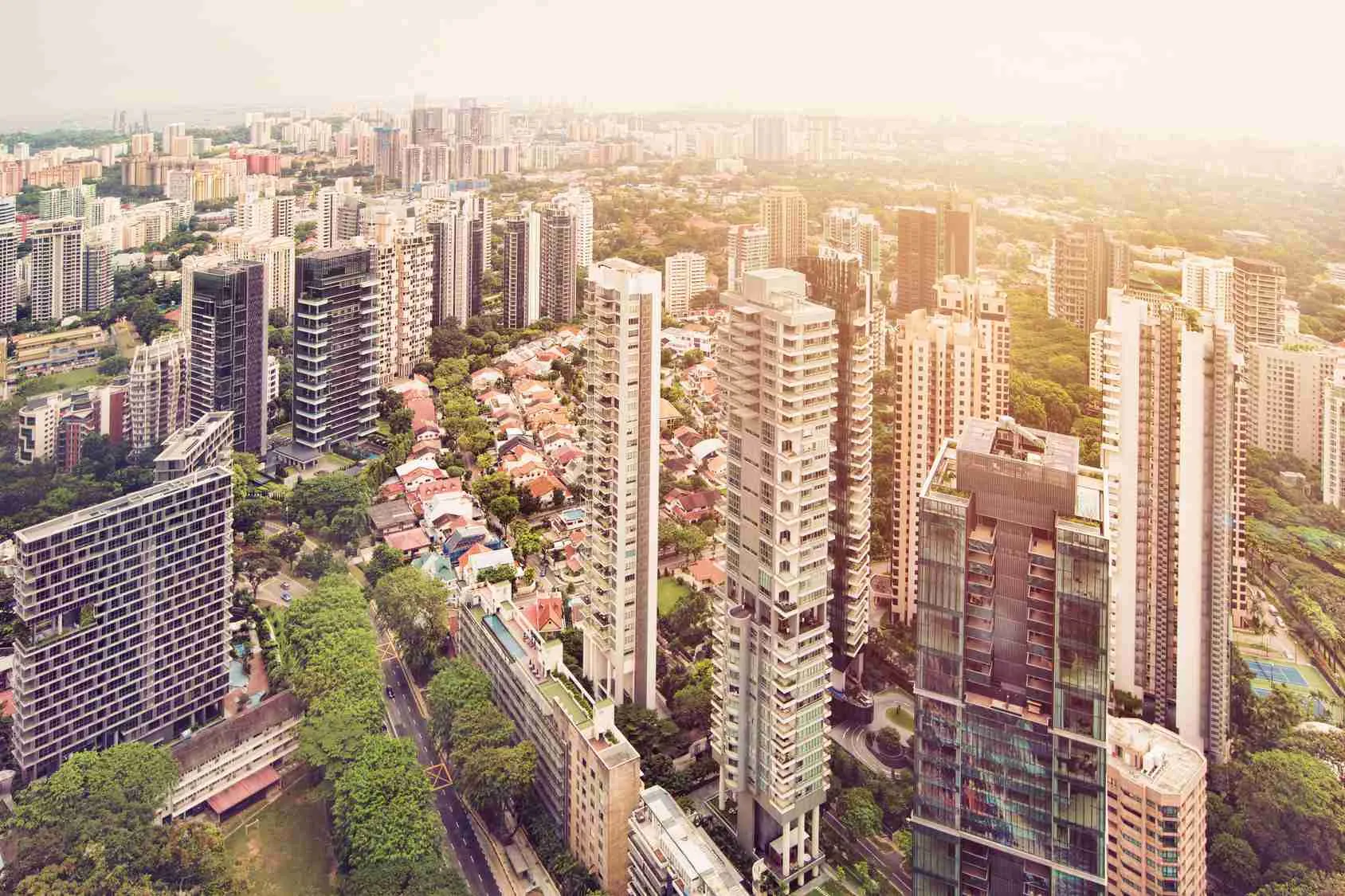
The architectural narrative of Singapore has long been defined by its defiance of constraints. A small island nation with limited land and natural resources, it has engineered a globally recognized skyline that balances extreme density with livability.
However, a less visible but equally profound transformation is occurring within the structural DNA of this metropolis.
The industry is pivoting from a reactive stance—where safety was managed through barricades and helmets—to a proactive philosophy known as Design for Safety (DfS).
This paradigm asserts that the most effective way to prevent accidents is not to manage them on-site, but to eliminate their root causes on the drawing board.
This report, “Beyond Compliance,” offers a comprehensive examination of this shift. It traces the trajectory from the gazetting of the Workplace Safety and Health (Design for Safety) Regulations 2015 to the advanced, AI-driven safety ecosystems of 2026.
We analyze how the regulatory framework has matured into a culture where leading developers and architects view safety as a proxy for quality and sustainability.
Through detailed case studies of iconic projects like Marina One, Avenue South Residences, and the Punggol Digital District, we demonstrate how “prevention through design” is enabling complex architectural forms that are safe to build, maintain, and inhabit.
Furthermore, this analysis explores the technological convergence of Integrated Digital Delivery (IDD), Building Information Modelling (BIM), and Design for Manufacturing and Assembly (DfMA).
As we approach the second half of the decade, these tools are no longer optional enhancements but essential enablers of the “Beyond Compliance” mindset.
The report concludes with a forward-looking perspective on the 2030 horizon, where autonomous maintenance robots, predictive digital twins, and biophilic integration will further redefine what it means to build safely in a vertical city.
1. The Singapore Context: Verticality, Density, and Vulnerability
1.1 The Urban Imperative
Singapore’s built environment is a pressure cooker of competing demands. With a total land area of approximately 730 square kilometers and a population exceeding 5.9 million, the city-state has no option but to build upwards and downwards.1
The skyline is not merely an aesthetic choice; it is a survival mechanism. This necessity has birthed one of the most complex construction environments globally, characterized by deep excavations for underground rail networks occurring simultaneously with the erection of super-tall residential towers, often within meters of existing, occupied structures.2
In such a high-density environment, the margin for error is effectively zero. A structural failure or a major safety lapse does not just affect the construction site; it threatens public infrastructure and densely populated neighborhoods.
Historically, the construction industry relied on a “command and control” approach to safety, focusing on site enforcement. However, as architectural designs became more ambitious—featuring cantilevered swimming pools, complex curved façades, and integrated vertical greenery—traditional safety measures began to show their limitations.
The realization dawned that “accidents are waiting to happen” often because they were unwittingly designed into the structure months or years before the first piling rig arrived.3
1.2 The Economic and Social Drivers
Beyond the physical constraints, there are potent economic and social drivers pushing for a DfS approach.
Singapore relies heavily on a foreign workforce for construction labor. As global scrutiny on labor welfare increases and the domestic supply of labor tightens (exacerbated by the Dependency Ratio Ceiling reductions), there is an economic imperative to reduce reliance on manual, high-risk labor.4
Designing for safety often correlates with Design for Manufacturing and Assembly (DfMA), which shifts work from the chaotic site to the controlled factory, thereby reducing the sheer number of workers at risk.
Moreover, the “Beyond Compliance” movement is driven by reputation. In a sophisticated real estate market, developers are increasingly judged not just on the luxury of their finishes but on their Environmental, Social, and Governance (ESG) credentials.
A fatality on a high-profile project is a reputational disaster that can impact sales and investor confidence.
Consequently, leading firms are moving beyond doing the “bare minimum” required by law to adopting global best practices in safety culture, viewing it as a brand differentiator.5
1.3 Defining Design for Safety (DfS)
At its core, DfS—also known internationally as Prevention through Design (PtD)—is a multidisciplinary process that integrates hazard identification and risk assessment methodologies early in the design phase.
It challenges the traditional siloed approach where the architect designs for aesthetics, the engineer for stability, and the contractor is left to figure out how to build it safely.3
The philosophy is grounded in the “Hierarchy of Controls.” While traditional safety management relies on lower-level controls like Administrative Controls (permits to work) and Personal Protective Equipment (PPE) (harnesses), DfS focuses on the top tiers: Elimination and Substitution.
- Elimination: Removing the hazard entirely. For example, designing a façade that can be maintained from internal corridors eliminates the need for external gondolas and the associated risk of falling from height.
- Substitution: Replacing a hazardous process with a safer one. For example, using pre-cast concrete volumetric modules (PPVC) instead of casting in-situ reduces the need for workers to perform complex formwork at dangerous heights.8
The scope of DfS in Singapore is holistic. It does not strictly protect the construction worker; it extends to the “Affected Person,” a legal term that encompasses the maintenance team who will clean the building for the next 50 years and the public who will walk beneath it.10
This lifecycle perspective is crucial in a city where buildings are aging and maintenance is becoming a dominant industry activity.
2. The Regulatory Bedrock: WSH (Design for Safety) Regulations 2015
2.1 The Legislative Watershed
The transformation of Singapore’s safety landscape was formalized with the gazetting of the Workplace Safety and Health (Design for Safety) Regulations 2015, which came into full effect on August 1, 2016.10
This legislation was a watershed moment, shifting the legal burden of safety upstream.
Prior to this, the Workplace Safety and Health Act (WSHA) 2006 had established a performance-based regime, but the specific responsibilities of developers and designers were often ambiguous.
The 2015 Regulations clarified that safety is not solely the contractor’s problem; it is a shared responsibility across the value chain.6
The regulations apply to any project undertaken by a developer in the course of business that has a contract sum of $10 million or more.10
This threshold was carefully chosen to capture significant projects—commercial towers, condominiums, institutional buildings, and infrastructure—while exempting minor renovations and individual home improvement works.
This ensures that the regulatory resources are focused on projects with the highest potential risk and complexity.
2.2 The Ecosystem of Accountability
The regulations structure a clear “Ecosystem of Accountability” involving three primary duty holders: the Developer, the Designer, and the Contractor. Each has distinct, non-transferable statutory duties.12
2.2.1 Duties of the Developer
The Developer is positioned as the “controlling mind” of the project. Their decisions regarding budget, timeline, and design intent set the safety culture for the entire development.
Their duties include:
- Ensuring Design Safety: The developer must ensure that the structure is designed to be safe for all affected persons. This implies that safety must be a criterion in the selection of design concepts, alongside cost and aesthetics.10
- Appointment of Competent Persons: They must appoint designers and contractors who are competent to perform their DfS duties. This prevents the engagement of low-cost, unqualified firms that might cut corners on safety.12
- The DfS Review Process: The developer is responsible for convening Design-for-Safety Review Meetings at key stages of the project. They cannot simply delegate this; they must ensure the process happens and is effective.10
- The DfS Register: Perhaps most critically, the developer must ensure that a Design-for-Safety Register is maintained. This living document records every identified risk and the measure taken to mitigate it. Upon project completion, this register must be handed over to the building owner, ensuring that vital safety information (e.g., safe working loads for floors, location of hidden hazards) is not lost.13
2.2.2 Duties of the Designer
Designers (Architects, Structural Engineers, M&E Engineers) bear the intellectual weight of the regulations. They are required to:
- Identify and Eliminate: Designers must actively identify foreseeable risks associated with their designs. If a risk can be eliminated, it must be. If not, it must be reduced to “as low as reasonably practicable” (ALARP).10
- Residual Risk Management: Risks that cannot be fully eliminated are termed “Residual Risks.” The designer must explicitly communicate these to the contractor (for construction risks) and the building owner (for maintenance risks). This transfer of information is legally mandated via the DfS Register.14
- Collaboration: Designers must participate in DfS reviews to address “interface risks”—hazards that arise where different disciplines meet (e.g., where electrical trunking passes through a structural wall).10
2.2.3 Duties of the Contractor
While DfS focuses on the upstream, the contractor plays a vital role as the “reality check.” Their duties are to:
- Review and Feedback: Upon receiving the design, the contractor must review it and provide feedback on constructability. If they identify a risk that the designer missed, they must flag it.12
- Manage Residual Risks: The contractor is the recipient of the residual risks identified by the designer. They must implement the necessary control measures on-site to manage these known hazards.14
2.3 The GUIDE Process: Operationalizing DfS
To ensure compliance is not merely a box-ticking exercise, the industry utilizes the GUIDE framework for DfS reviews.12 This structured process ensures rigor and consistency.
- Guidance: The Developer sets the safety objectives. For example, “We aim for zero accidents during façade installation.”
- Understand: The project team gathers to understand the project’s specific constraints (e.g., proximity to an MRT line, site topography).
- Identify: Using formal hazard identification techniques (HAZOP, Brainstorming, Checklists), the team systematically identifies risks.
- Design: This is the creative phase. Designers propose modifications to the design to mitigate the identified risks. This might involve changing materials, altering layouts, or revising construction sequences.
- Enter: The risks, the discussions, and the agreed solutions are entered into the DfS Register.
This iterative process typically occurs at the Concept Design, Detailed Design, and Pre-Construction stages, forcing the team to “pause and think” at critical junctures.2
2.4 Enforcement and Penalties
The regulations are backed by significant penalties. Failure to discharge these duties is a criminal offense.
A developer or designer found guilty can be fined up to $50,000, imprisoned for up to two years, or both.12 Beyond the statutory penalties, the DfS Register serves as a critical evidentiary trail.
In the event of a catastrophic failure—such as the PIE Viaduct Collapse or the Nicoll Highway Collapse—investigators will scrutinize the register to see if the risk was identified and if the mitigation measures were adequate.3
If a designer knew of a risk but failed to record or address it, the legal consequences can be severe, including the revocation of professional licenses.
3. The Human Element: Building a “Beyond Compliance” Culture
3.1 From Blame to Ownership
Legislation provides the skeleton, but culture provides the muscle.
The “Beyond Compliance” movement in Singapore represents a shift from a reactive “blame culture” (where the worker is blamed for the accident) to a proactive “ownership culture” (where the system is designed to prevent the accident).
This cultural maturity is evident in the adoption of Vision Zero—the mindset that all accidents are preventable—by major developers and government agencies.6
This shift requires “System Thinking.” Instead of asking “Who made the mistake?”, the industry is learning to ask “What features of the design or the system allowed this mistake to happen?”
For example, if a worker falls from a ladder while changing a lightbulb in a high-ceiling lobby, a compliance mindset might blame the worker for not using the ladder correctly.
A “Beyond Compliance” mindset would ask why the lightbulb was placed in such an inaccessible location in the first place and whether a lowering mechanism could have been installed.17
3.2 The Design for Safety Professional (DfSP)
Central to this cultural shift is the role of the Design for Safety Professional (DfSP). Appointed by the developer, the DfSP is the conductor of the safety orchestra.
They are typically senior professionals—registered Architects or Professional Engineers—who have undergone specialized training.14
The DfSP’s role is complex and demands high-level soft skills. They must facilitate the DfS Review Meetings, which can often be contentious. Architects may defend a design for its aesthetic value (“The floating cantilever is the building’s signature!”), while structural engineers may flag it as a constructability nightmare.
The DfSP must bridge this gap, guiding the team to a solution that preserves the design intent while ensuring safety. They are not merely administrators; they are strategic advisors who challenge the status quo.3
The competency of the DfSP is critical. Guidelines suggest that developers should assess the DfSP’s track record, looking for experience in similar project types.
A DfSP who has only worked on low-rise landed housing may not have the expertise to facilitate a review for a 50-storey commercial tower with a deep basement.14
3.3 The BE CARE Charter and Collaborative Contracting
Looking toward 2026, the industry is increasingly focusing on the relational aspects of construction.
The Built Environment Culture for Appreciation, Respect and Empathy (BE CARE) Charter is a landmark initiative designed to foster better working relationships.19
Toxic project cultures—characterized by aggressive deadlines, delayed payments, and adversarial relationships—are known precursors to safety incidents.
When contractors are squeezed financially and temporally, they cut corners. The BE CARE Charter encourages Collaborative Contracting, where risks are shared equitably, and disputes are resolved amicably.
By reducing commercial stress, the industry creates the “mental space” for teams to focus on safety.
For example, GuocoLand has adopted the charter for its projects, implementing rewards programs for consultants who demonstrate strong collaboration, thereby incentivizing a positive safety culture.19
3.4 Mental Well-being as a Safety Component
The definition of “safety” in Singapore is expanding to include mental health. The high-pressure environment of construction, coupled with the isolation faced by migrant workers, creates mental fatigue. A distracted worker is a dangerous worker.
“Beyond Compliance” firms are implementing mental wellness programs, better dormitory facilities, and “Safety Time-Outs” not just to check equipment, but to check in on the workforce’s mental state.
This holistic view recognizes that the human operator is the most critical safety system on any site.19
4. Architectural Innovation: DfS in Practice
The true test of DfS is how it manifests in the physical environment. Singapore’s skyline is dotted with projects that prove safety and iconic architecture are not mutually exclusive.
4.1 Case Study: Marina One – Biophilic Complexity
Marina One, developed by M+S Pte Ltd (a joint venture between Khazanah Nasional and Temasek Holdings), is a flagship example of “Beyond Compliance”.2
The project features two 34-storey residential towers and two 30-storey office towers surrounding a “Green Heart”—a biodiversity garden with a microclimate of its own.
- The Challenge: The “Green Heart” architecture involves organic, undulating louvers that provide shade and aesthetics. These complex geometries effectively ruled out the use of standard straight-line gondolas for façade maintenance.
- The DfS Solution: The project team, led by Ingenhoven Architects, integrated safety into the façade design itself. A customized monorail system was engineered to follow the curves of the louvers. This system allows maintenance baskets to traverse the complex geometry safely.
- Stakeholder Engagement: Crucially, the team consulted the future Facility Management (FM) team during the design phase, years before completion. The FM team requested specific provisions, such as permanent lifelines on the roof for skylight cleaning and elevator access to plant rooms to avoid the risk of manual handling injuries when moving heavy equipment. These requests were incorporated, costing more upfront but saving millions in potential accident costs and operational inefficiencies over the building’s life.2
4.2 Case Study: Avenue South Residences – The Height of Safety
Avenue South Residences (expected completion 2026) pushes the boundaries of Prefabricated Prefinished Volumetric Construction (PPVC).
It features two 56-storey towers, making it the world’s tallest PPVC residential project.20
- The Challenge: Building at 56 storeys brings immense risks related to wind, falling objects, and worker fatigue.
- The DfS Solution: By adopting PPVC, 80% of the construction work was moved off-site to a factory. The modules—complete with finishes, waterproofing, and cabinetry—were manufactured on the ground. This “Substitution” strategy drastically reduced the number of workers required to work at extreme heights. The only on-site activity was the lifting and installation of the modules.
- Heritage Integration: The project sits amidst five historically preserved buildings. The DfS review had to rigorously plan the lifting operations to ensure that the heavy modules (weighing up to 30 tons) did not swing into or compromise the structural integrity of the fragile heritage structures. This required precise 4D BIM simulation of the crane paths.20
- Green Maintenance: The project features a “vertical play green wall” facing the Rail Corridor. To maintain this greenery safely, the architects integrated concealed maintenance access paths within the architectural fins, ensuring that gardeners could work without hanging from ropes.20
4.3 Case Study: The Clement Canopy – Pioneering Logistics
Before Avenue South, there was The Clement Canopy, a 40-storey project that proved the viability of concrete PPVC for high-rise.8
- The Challenge: The project required the installation of 1,866 concrete modules. The sheer weight of these modules (26 to 31 tons) posed a significant lifting hazard.
- The DfS Solution: The design team engineered the modules to be self-stable during lifting. Specific lifting lugs were cast into the concrete structure at precise center-of-gravity points. This eliminated the need for complex, ad-hoc rigging arrangements on site, which are a common cause of lifting accidents.
- Outcome: The project achieved a cycle time of 7 days per floor with a significantly reduced accident rate compared to conventional reinforced concrete construction, validating the safety benefits of DfMA.9
4.4 Case Study: Kampung Admiralty – Social Safety
Kampung Admiralty represents a different kind of safety: social and functional safety for the elderly.
As an integrated public development, it combines housing, medical centers, and a hawker center.21
- The Challenge: Designing a high-density mixed-use facility for a vulnerable population (seniors).
- The DfS Solution: The design prioritized “Universal Design” principles. Flooring materials were selected for high slip resistance (preventing falls, a key DfS concern for users). The layout utilized a tiered “sandwich” approach to separate vehicular traffic (basement) from pedestrian activity (ground and upper levels), effectively eliminating the risk of vehicle-pedestrian collisions within the community space. While the snippets don’t detail specific construction safety techniques, the project’s adherence to IDD (Integrated Digital Delivery) meant that 4D BIM was used to manage the complex interface between the medical center and the residential blocks during construction.21
5. The Technological Frontier: Digital Delivery as a Safety Enabler
By 2026, the “Beyond Compliance” framework is heavily reliant on technology. The Integrated Digital Delivery (IDD) roadmap envisions a seamless digital thread connecting design, fabrication, construction, and asset management. Safety is a primary beneficiary of this digital continuity.21
5.1 Building Information Modelling (BIM)
BIM is the canvas upon which DfS is painted. It allows the project team to build the structure virtually before a single sod is turned. This “virtual rehearsal” is the ultimate hazard identification tool.3
- Clash Detection: In a complex project, a ventilation duct might clash with a structural beam. In the past, this would be discovered on-site, leading to ad-hoc hacking and cutting, creating dust, noise, and structural risks. BIM detects these clashes automatically, allowing them to be resolved digitally.
- 4D Simulation (Time): By adding the dimension of time (4D BIM), planners can visualize the construction sequence. They can see if a crane’s swing path intersects with a temporary workers’ quarters, or if a deep excavation remains open and unguarded for too long. This allows logistical hazards to be “designed out”.3
- Rule-Based Checking: Singapore is pioneering the use of automated model checking. Software like Solibri or custom plugins can scan a BIM model against a library of safety rules. For example, “Highlight all slab edges that do not have a corresponding barricade design” or “Check that all corridors meet the minimum width for fire escape.” This automates the mundane aspects of compliance, allowing the DfSP to focus on complex, nuanced risks.23
5.2 AI and Predictive Analytics
As we enter the 2026 landscape, Artificial Intelligence (AI) is moving from a buzzword to a regulatory requirement.
- Video Surveillance Mandates: New regulations require construction sites with a project value of $5 million and above to install Video Surveillance Systems (VSS) powered by AI.4 These are not passive CCTV cameras. They use computer vision algorithms to detect unsafe acts in real-time. If a worker enters a “Red Zone” (e.g., under a suspended load) or is working at height without a harness, the system triggers an immediate alarm.
- Predictive Risk Management: Leading firms are using AI to analyze historical data. By feeding the AI with data from thousands of past projects—weather conditions, worker profiles, project types, near-miss reports—the system can identify “Leading Indicators” of risk. It might predict that “Project X is at high risk of a fall incident next week because of the combination of forecasted rain, a new subcontractor team, and the specific stage of formwork removal.” This allows site managers to intervene before the accident happens.4
5.3 Digital Twins and Smart Districts
The Punggol Digital District (PDD) is a living laboratory for the application of Digital Twins to safety.26 The district is managed by an Open Digital Platform (ODP) that integrates data from the built environment.
- Lifecycle Safety: The Digital Twin does not stop at construction. It continues into the operational phase. It monitors the health of structural elements and mechanical systems.
- Smart Infrastructure: PDD features a centralized District Cooling System (DCS) and a Pneumatic Waste Conveyance System. By centralizing these utilities, the design eliminates the need for individual cooling towers on every roof (reducing maintenance risks and Legionella outbreaks) and removes garbage trucks from the district’s roads (reducing traffic accident risks). This is DfS applied at the urban planning scale.27
5.4 The Role of Drones and Robotics
To further remove humans from harm’s way, the industry is increasingly adopting robotics.
- Drone Inspections: AI-powered drones are used to inspect façades and roof structures. Instead of sending a human up on a scaffold to inspect a crack, a drone captures high-resolution imagery, which is then analyzed by AI for defects. This keeps the human inspector safely on the ground.4
- Autonomous Construction: In the Jurong Innovation District, advanced DfMA technologies are being tested, including robotic welding and assembly. These technologies not only improve precision but also remove workers from exposure to welding fumes and arc flash hazards.29
6. Designing for Maintainability (DfM): The Long View
A critical component of the “Beyond Compliance” philosophy is the recognition that a building’s lifecycle extends 50 years or more beyond its construction.
Design for Maintainability (DfM) ensures that the structure remains safe to operate, clean, and repair.30
6.1 The F.A.M.E. Principle
The Building and Construction Authority (BCA) promotes the F.A.M.E. principle as a mnemonic for designers 30:
- Forecast maintenance: Designers must anticipate what parts of the building will need replacing (e.g., waterproofing membranes, lights, sealants) and when.
- Access for maintenance: Every maintainable asset must have a safe access route. Designers must ensure that workers do not have to pass through private or tenanted spaces, or engage in high-risk climbing, to reach equipment.
- Minimise defects: Selecting durable materials appropriate for Singapore’s tropical climate prevents premature failure and the need for frequent (and risky) repair works.
- Enable simple maintenance: Standardization of components (e.g., using the same light fitting throughout the building) makes maintenance faster and safer, as workers are familiar with the equipment.
6.2 Green Mark 2021 and the Maintainability Badge
The Green Mark 2021 certification scheme has explicitly linked environmental sustainability with maintainability and safety.
To achieve the Maintainability Badge, projects must demonstrate compliance with rigorous criteria.30
- Catwalks vs. Spidermen: The framework awards points for providing permanent access provisions like catwalks, mobile elevating work platforms (MEWPs), or permanent stairs to rooftops. It discourages the use of “rope access” (Spidermen) and A-frame ladders for routine tasks.
- Material Selection: Points are awarded for using materials that require less cleaning or are self-cleaning. For example, using anti-stain coatings on façades reduces the frequency of cleaning cycles, thereby reducing the total time workers are exposed to height risks.32
- Smart FM: The badge incentivizes the installation of smart sensors (e.g., for vibration monitoring of pumps or water leak detection). This enables “Condition-Based Maintenance”—fixing things only when they need fixing—rather than “Routine Maintenance,” reducing the frequency of worker intervention.30
6.3 Future Trends: Robotic Maintenance
Looking toward 2030, the vision is for “autonomous maintenance.”
Research is currently underway into façade-crawling robots that can clean windows and inspect for cracks or delamination.32
Designing buildings to be “robot-ready”—with docking stations, smooth façade transitions, and digital beacons—is the next frontier of DfS.
If a robot takes the fall risk, the human doesn’t have to.
7. The Economic Case: ROI of Safety
Critics of DfS often argue that it adds upfront costs to the design and construction process. However, a rigorous Lifecycle Cost Analysis (LCCA)—promoted by the Green Mark scheme—reveals that DfS is a sound investment.18
7.1 Avoiding the Cost of Accidents
The direct costs of an accident (medical bills, compensation) are significant, but the indirect costs are often 10 to 20 times higher.
- Stop Work Orders (SWO): In Singapore, a fatal accident triggers an immediate SWO from the Ministry of Manpower (MOM), often lasting weeks. For a $100 million project, the liquidated damages and overheads for a 3-week delay can run into the millions. DfS acts as an insurance policy against these catastrophic delays.
- Legal Penalties: With fines up to $50,000 for individuals and significantly higher for corporations, plus the risk of imprisonment, the cost of non-compliance is existential.12
7.2 Operational Savings (OPEX)
Designing for maintainability reduces Operational Expenditure (OPEX).
- Efficiency: A building designed with permanent access (e.g., a BMU) allows for faster cleaning cycles than one requiring the setup of temporary scaffolding. This reduces labor costs over the building’s life.
- Asset Life: Proactive maintenance, enabled by safe access and smart sensors, extends the lifespan of equipment, delaying expensive capital replacement costs.30
7.3 Productivity
There is a direct correlation between safety and productivity. DfMA and PPVC, championed for their safety benefits, also offer significant time savings. The Clement Canopy project demonstrated that modular construction could achieve a floor cycle of just 7 days.9 By reducing rework (which is a major safety risk as well as a cost), DfS improves the bottom line.
8. Future Horizon: 2026 and Beyond
As Singapore approaches the latter half of the decade, the construction industry is poised for further transformation.
8.1 The Action Team for Productivity
In 2026, the government established a new Action Team to Improve Built Environment Productivity.34 While focused on productivity, its mandate to “reduce regulatory compliance burden” and “streamline regulations” suggests a move towards outcome-based safety regulation rather than prescriptive rule-following. This encourages firms to innovate—perhaps using AI or robotics—to achieve safety outcomes rather than just following a checklist.
8.2 The “Safety II” Paradigm
The industry is slowly adopting the concept of “Safety II.”
- Safety I focuses on “Why things go wrong” (accidents).
- Safety II focuses on “Why things go right” (resilience). In the future, DfS reviews will not just look for hazards; they will look for resilience. They will design systems that can tolerate human error without catastrophic failure. For example, designing a façade installation process that remains safe even if one lifting lug fails (redundancy).35
8.3 Biophilic Safety
As Singapore intensifies its “City in Nature” vision, the integration of greenery will become even more aggressive. We will see more “vertical forests.”
The DfS challenge for 2030 will be to develop safe, perhaps automated, systems for pruning trees at 200 meters.
The NParks Skyrise Greenery Handbook will likely evolve to mandate robotic-friendly planting designs.36
9. Conclusion: The Singapore Model
The transformation of Singapore’s skyline is a narrative of engineering overcoming scarcity. But the deeper, more resonant story is one of a society deciding that the lives of those who build the city are as valuable as the city itself.
The “Beyond Compliance” approach has successfully moved the industry from a reactive stance to a proactive one.
Through the WSH (DfS) Regulations, Singapore established the “rule of law” for safety design.
Through Green Mark and DfMA, it established the “method of delivery.” And through initiatives like the BE CARE Charter, it is building the “culture of care.”
The buildings of Singapore’s future—like Avenue South Residences and the smart towers of Punggol—stand not just as monuments to architectural aesthetic, but as testaments to a rigorous, intellectual, and deeply humanistic process.
They are proof that in the modern built environment, the most beautiful design is a safe design.
As other global cities grapple with the challenges of density and safety, Singapore’s holistic, technology-driven model offers a blueprint for the future of urban development.
Table 1: Evolution of Safety Frameworks in Singapore
| Era | Primary Focus | Key Legislation/Initiative | Responsibility Holder | Approach |
| Pre-2006 | Factory/Site Safety | Factories Act | Contractor | Prescriptive / Reactive |
| 2006-2015 | Systemic Risk Mgmt | WSH Act (2006) | All Stakeholders | Risk-Based / Performance |
| 2016-2020 | Upstream Intervention | WSH (DfS) Regs 2015 | Developer & Designer | Prevention through Design |
| 2021-2025 | Integrated Delivery | BE ITM / Green Mark 2021 | Value Chain Integration | DfMA / Digitalization |
| 2026+ | Predictive Culture | AI / Smart Nation / BE CARE | Ecosystem / Automation | Predictive / Autonomous |
Table 2: Key DfS Technologies and Their Impact
| Technology | DfS Application | Safety Benefit | Source |
| BIM (4D) | Construction Sequencing | Visualizes hazards in timeline; prevents logistical clashes and time-pressure risks. | 3 |
| PPVC (DfMA) | Off-site Manufacturing | Reduces work-at-height by ~80%; drastically cuts on-site manpower exposure. | 9 |
| AI Video Analytics | Site Monitoring | Detects unsafe acts (e.g., no harness) in real-time; provides predictive alerts based on behavioral patterns. | 4 |
| Digital Twin | Facility Management | Enables predictive maintenance; simulates emergency scenarios (fire, spill) for resilience testing. | 26 |
| Smart Sensors | Maintainability | Allows condition-based maintenance; remote monitoring reduces the need for physical inspection in hazardous areas. | 30 |
| Drones | Façade Inspection | Removes the need for humans to hang from ropes/gondolas for visual inspections. | 4 |
Works cited
- SEO Singapore: Complete 2025/2026 Guide | Rank #1 on Google – Hashmeta, accessed February 12, 2026, https://hashmeta.com/seo/seo-singapore-ultimate-guide/
- Spotlight on Successful DfS Case Study: Marina One – MOSAIC Eco …, accessed February 12, 2026, https://mosaicsafety.com.sg/spotlight-on-successful-dfs-case-study-marina-one/
- The Ultimate Guide to the Design for Safety Professional (DFSP) in Singapore’s Construction Sector, accessed February 12, 2026, https://mosaicsafety.com.sg/the-ultimate-guide-to-the-design-for-safety-professional-dfsp-in-singapores-construction-sector/
- Singapore Construction in 2026: Regulations, AI & Emerging Trends, accessed February 12, 2026, https://www.viact.ai/post/singapore-construction-in-2026-regulations-ai-emerging-trends
- CHARTING SINGAPORE’S LOW-CARBON AND CLIMATE RESILIENT FUTURE, accessed February 12, 2026, https://www.nccs.gov.sg/files/docs/default-source/publications/nccsleds.pdf
- The Future of EHS in Singapore: A 2025 Blueprint for Integrating Technology and Sustainability – MOSAIC Eco-construction Solutions Pte Ltd, accessed February 12, 2026, https://mosaicsafety.com.sg/the-future-of-ehs-in-singapore-2025-blueprint-for-integrating-technology-and-sustainability/
- Design for safety implementation factors – The University of Manchester, accessed February 12, 2026, https://pure.manchester.ac.uk/ws/files/83387698/Journal_of_Engineering_Design_and_Technology_2018_Author_accepted_version_of_manuscript.pdf
- (PDF) Case Study: The Use of Concrete Prefabricated Prefinished Volumetric Construction for Two Blocks of 40-Storey Residential Flats (The Clement Canopy) in Singapore – ResearchGate, accessed February 12, 2026, https://www.researchgate.net/publication/362521907_Case_Study_The_Use_of_Concrete_Prefabricated_Prefinished_Volumetric_Construction_for_Two_Blocks_of_40-Storey_Residential_Flats_The_Clement_Canopy_in_Singapore
- Case Study – The Clement Canopy | Building and Construction Authority (BCA), accessed February 12, 2026, https://www1.bca.gov.sg/buildsg/productivity/design-for-manufacturing-and-assembly-dfma/prefabricated-prefinished-volumetric-construction-ppvc/prefabricated-prefinished-volumetric-construction-case-study-the-clement-canopy
- Workplace Safety and Health (Design for Safety) Regulations 2015 – Singapore Statutes Online, accessed February 12, 2026, https://sso.agc.gov.sg/SL/WSHA2006-S428-2015
- Workplace Safety and Health (Design for Safety) Regulations 2015 – Singapore Statutes Online, accessed February 12, 2026, https://sso.agc.gov.sg/SL/WSHA2006-S428-2015?DocDate=20240527&ValidDate=20240601&ProvIds=pr5-
- WSH (Design for Safety) Regulations 2015: A Guide for Developers and Designers, accessed February 12, 2026, https://mosaicsafety.com.sg/wsh-design-for-safety-regulations-2015-a-guide-for-developers-and-designers/
- Workplace Safety and Health (Design for Safety) Regulations 2015 – Singapore Statutes Online, accessed February 12, 2026, https://sso.agc.gov.sg/SL-Supp/S428-2015/Published?DocDate=20150710&ProvIds=P12-
- Workplace Safety and Health Guidelines – Design for Safety, accessed February 12, 2026, https://www.tal.sg/wshc/-/media/tal/wshc/resources/publications/wsh-guidelines/files/wsh-guidelines-design-for-safety.pdf
- Guide to the Design for Safety Professional (DFSP) in Singapore: A …, accessed February 12, 2026, https://mosaicsafety.com.sg/key-responsibilities-dfsp-singapore/
- Beyond Compliance: Building a Proactive WSH Culture in Singapore SMEs, accessed February 12, 2026, https://mosaicsafety.com.sg/beyond-compliance-building-proactive-wsh-culture-singapore-smes/
- DFSPs: Revolutionizing Construction Safety in Singapore, accessed February 12, 2026, https://mosaicsafety.com.sg/dfsps-revolutionizing-construction-safety-in-singapore/
- REDAS DfS and WSH Good Practice Guide, accessed February 12, 2026, https://redas.com/wp-content/uploads/2025/10/Updated-REDAS-WSH-Dfs-Good-Practice-Guide-2025-Final.pdf
- Steady Construction Demand In 2026 As Singapore Steps Up …, accessed February 12, 2026, https://www1.bca.gov.sg/about-us/news-and-publications/media-releases/2026/01/22/steady-construction-demand-in-2026-as-singapore-steps-up-support-for-built-environment-firms-through-collaboration-and-innovation
- The World’s Tallest Prefabricated and Prefinished Construction to Be …, accessed February 12, 2026, https://www.archdaily.com/944194/the-worlds-tallest-prefabricated-and-prefinished-construction-to-be-built-in-singapore
- with Integrated Digital Delivery – LUM CHANG BUILDING …, accessed February 12, 2026, https://www1.bca.gov.sg/docs/default-source/docs-corp-buildsg/integrated-digital-delivery-(idd)/nsc_n110_lighthouse_write-up.pdf
- theoretical framework of the safety aspect of BIM system to determine the safety index, accessed February 12, 2026, https://epress.lib.uts.edu.au/journals/index.php/AJCEB/article/download/4873/5743?inline=1
- A Design for Safety (DFS) Framework for Automated Inspection Risks in Metro Stations by Integrating a Knowledge Base and Building Information Modeling – PubMed, accessed February 12, 2026, https://pubmed.ncbi.nlm.nih.gov/36981674/
- Assess • Based on BIM Standard Information Classification • Scalable and Expandable System Architecture • Customization by, accessed February 12, 2026, https://cde.nus.edu.sg/dbe/wp-content/uploads/sites/26/2021/02/SBIMassess.pdf
- From Near Misses to Predictive Insights: Potential Serious Injury or Fatality (pSIF) – viAct, accessed February 12, 2026, https://www.viact.ai/post/from-near-misses-to-predictive-insights-potential-serious-injury-or-fatality-psif
- Punggol Digital District, Singapore | The Atlas of Urban Tech, accessed February 12, 2026, https://atlasofurbantech.org/cases/sgp-singapore-punggol-digital-district/
- Punggol Digital District, Singapore – Ramboll, accessed February 12, 2026, https://www.ramboll.com/en-apac/projects/transport/punggol-digital-district-singapore
- Website And SEO By Keyforge – ABL Consultants, accessed February 12, 2026, https://abl.com.sg/website-and-seo-by-keyforge/
- An IDD Case Study: JTC’s CleanTech Two building | BuildSG Magazine, accessed February 12, 2026, https://www1.bca.gov.sg/buildsg-emag/articles/an-idd-case-study-jtc-s-cleantech-two-building
- Green Mark 2021 | Building and Construction Authority (BCA), accessed February 12, 2026, https://www1.bca.gov.sg/buildsg/sustainability/green-mark-certification-scheme/green-mark-2021
- Speech by MOS Tan Kiat How at the 5th Facilities Management Conference and BuildTech Asia Exhibition 2022 – Building and Construction Authority (BCA), accessed February 12, 2026, https://www1.bca.gov.sg/about-us/news-and-publications/speeches/2022/03/15/speech-by-mos-tan-kiat-how-at-the-5th-facilities-management-conference-and-buildtech-asia-exhibition-2022
- Sustainable Insulation Technologies for Low-Carbon Buildings: From Past to Present – MDPI, accessed February 12, 2026, https://www.mdpi.com/2071-1050/17/11/5176
- Smart Building Technologies in Singapore: The Future of Facility Management | Facilitate Corporation | Creating Exceptional Workspaces, accessed February 12, 2026, https://www.facilitatecorp.com/smart-building-technologies-in-singapore-the-future-of-facility-management/
- New Action Team to Improve Built Environment Productivity – Building and Construction Authority (BCA), accessed February 12, 2026, https://www1.bca.gov.sg/about-us/news-and-publications/media-releases/2026/02/06/new-action-team-to-improve-built-environment-productivity
- Beyond Compliance: Navigating Deregulation and Redefining Workplace Safety, accessed February 12, 2026, https://ohsonline.com/articles/2025/08/14/deregulation-and-redefining-workplace-safety.aspx
a handbook on developing sustainable skyrise … – Skyrise Greenery, accessed February 12, 2026, https://skyrisegreenery.nparks.gov.sg/files/nparks%20skyrise%20greenery%20handbook_202303.pdf