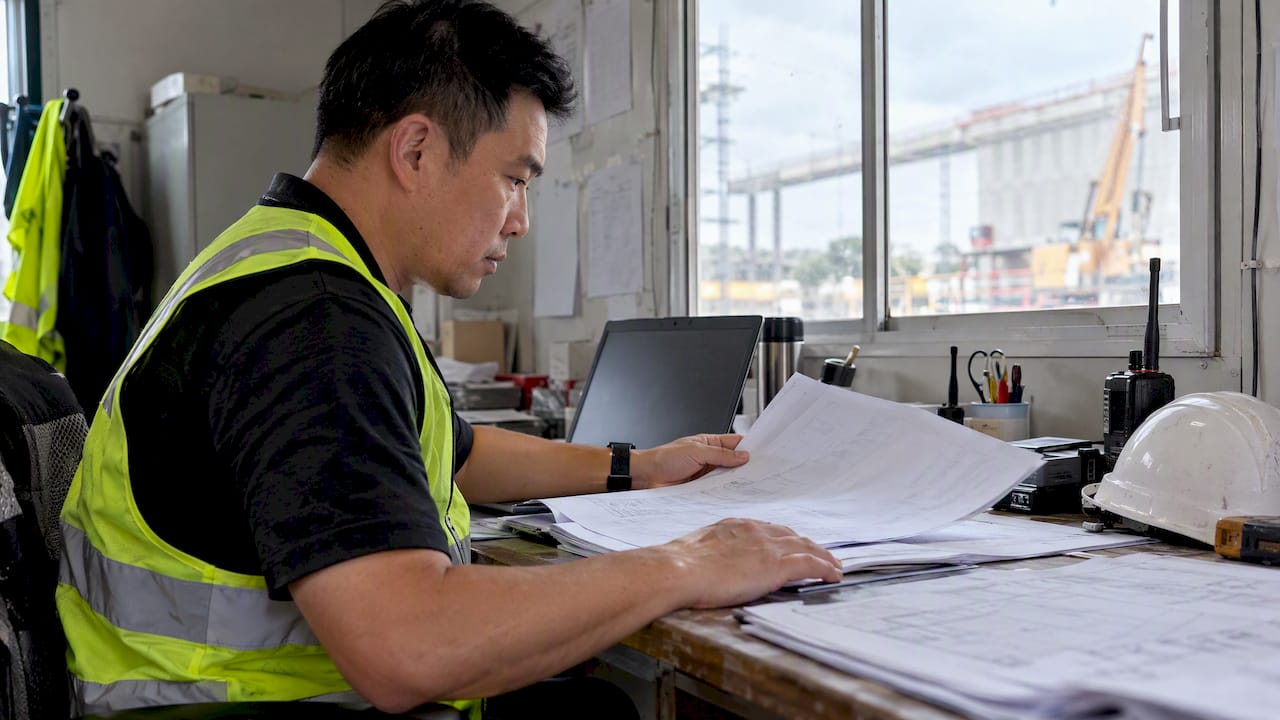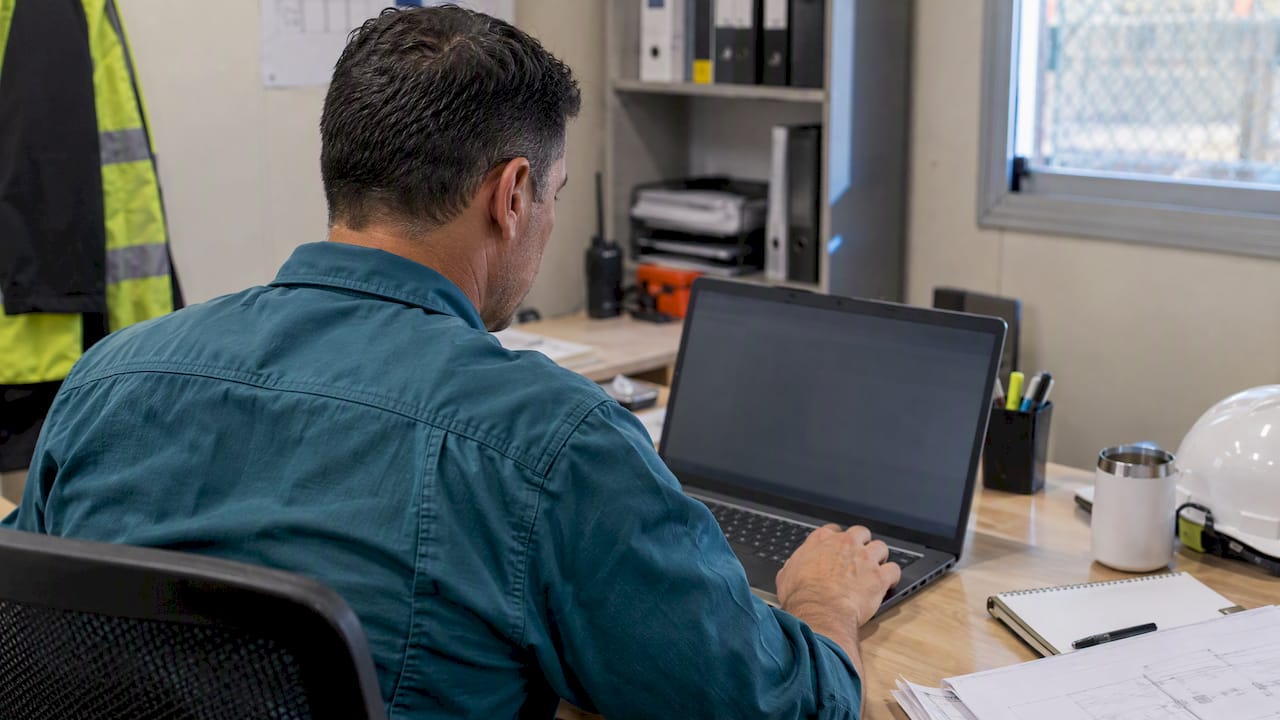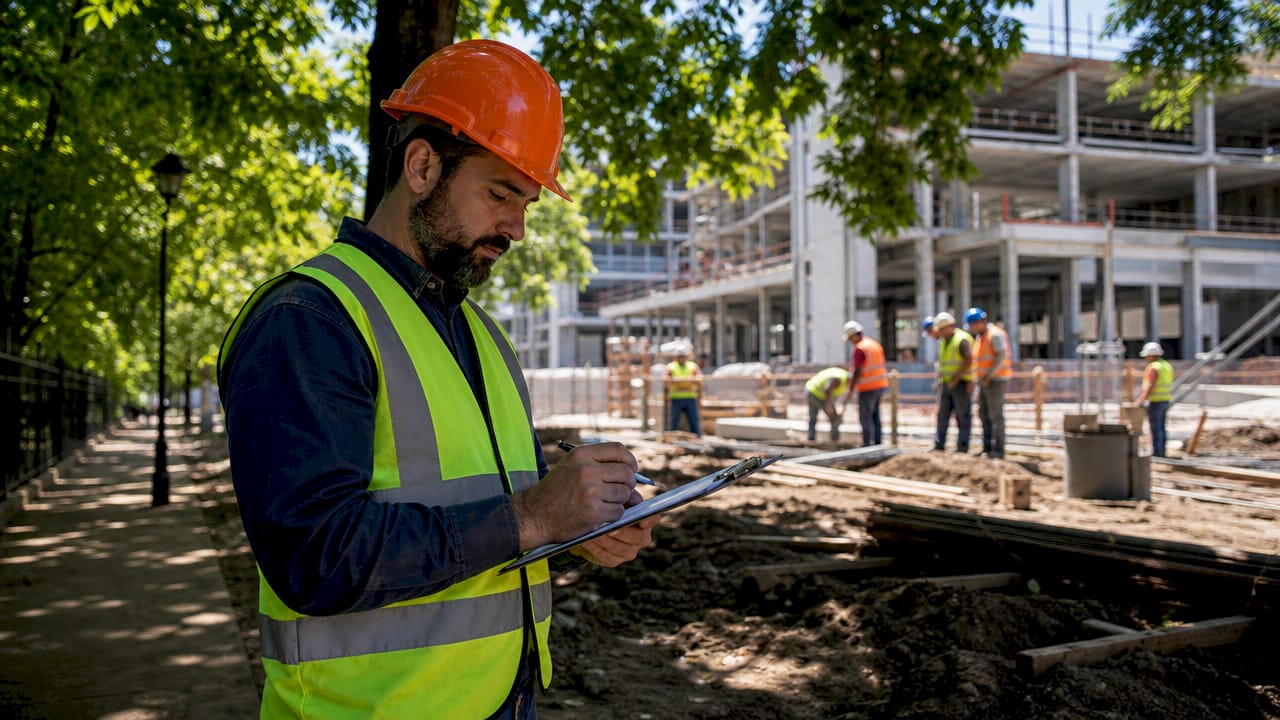
Construction site inspections are systematic evaluations conducted throughout a project to verify safety, quality, regulatory compliance, and adherence to design specifications at every phase of work. Understanding why site inspections matter is not an academic exercise. Construction accidents cost the U.S. economy over $171 billion annually, and that figure represents preventable losses tied directly to gaps in inspection discipline. Consistent, structured inspections are the most reliable mechanism for catching hazards, enforcing building codes, and protecting both workers and project budgets. The International Code Council (ICC) and standards bodies like the American Concrete Institute (ACI) embed inspection requirements into their frameworks precisely because the cost of skipping them is catastrophic.
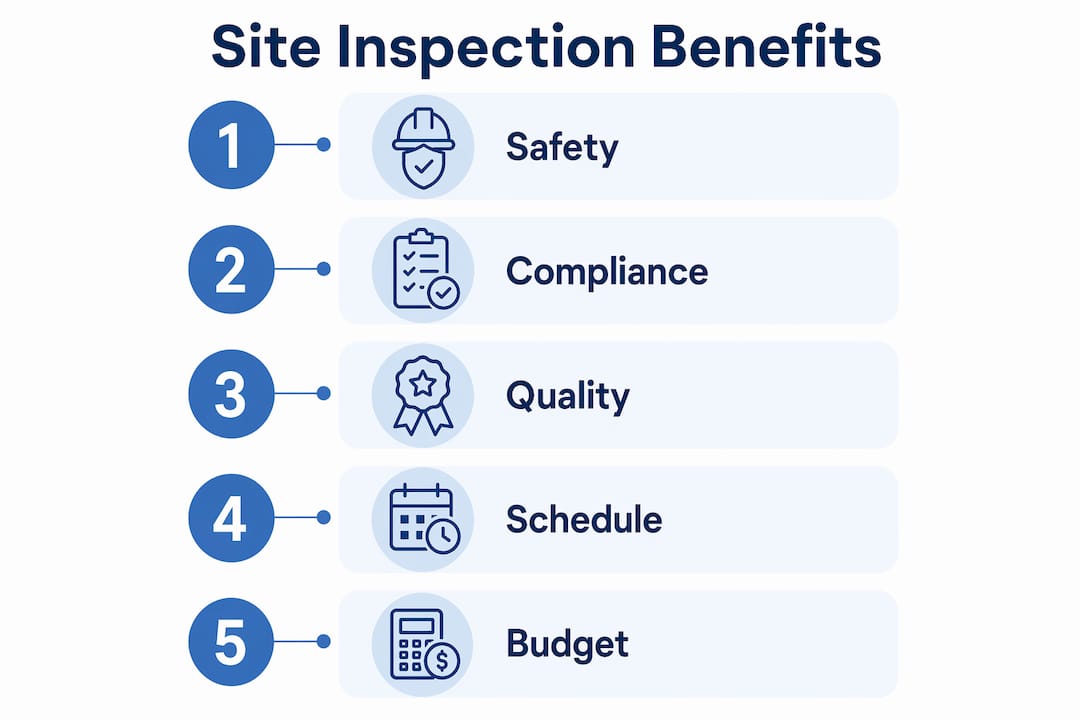
Why site inspections matter for construction safety
The importance of site inspections begins with their direct impact on worker safety. Fall protection violations account for over 35% of construction fatalities annually, making fall hazard recognition the single most critical focus during any site walk. Inspections that treat this as a live, active check rather than a paperwork step save lives.
Consistent site inspections can reduce safety incidents by up to 70%. That reduction does not happen through occasional milestone checks. It requires continuous, phase-sensitive inspection cycles that catch hazards before they become incidents.
Common safety hazards that inspections detect and address include:
- Fall protection gaps: Unguarded floor openings, missing guardrails, and improper ladder placement
- PPE non-compliance: Workers without hard hats, safety harnesses, or eye protection in active zones
- Electrical hazards: Exposed wiring, improper grounding, and unauthorized panel access
- Housekeeping failures: Debris accumulation, blocked emergency exits, and unsecured materials at height
- Equipment deficiencies: Uninspected lifting gear, missing machine guards, and overloaded scaffolding
Regulatory frameworks like OSHA 29 CFR 1926 set minimum inspection standards for construction sites in the United States. Compliance with these standards is not optional. Violations carry financial penalties and, more critically, create documented liability exposure.
Pro Tip: During phase-sensitive site walks, focus on active hazard recognition rather than documentation alone. A checklist completed after the walk is less effective than one filled out in real time, with the hazard visible in front of you.
How do site inspections support regulatory and legal compliance?
Compliance is the second pillar of the importance of site inspections, and it carries consequences that extend well beyond the job site. Construction inspections verify adherence to environmental regulations, building codes, and structural standards to avoid fines, project shutdowns, and legal liability. Authorities Having Jurisdiction (AHJ) conduct their own inspections at defined project milestones, and failing those inspections triggers stop-work orders that can paralyze a project for weeks.
The types of compliance inspections a project manager must account for include:
- Building code inspections: Structural, mechanical, electrical, and plumbing systems reviewed against adopted codes (IBC, NEC, IMC)
- Environmental compliance checks: Stormwater management, erosion control, and hazardous material handling under EPA and local regulations
- Fire and life safety reviews: Egress, suppression systems, and occupancy load verification
- Third-party structural audits: Independent verification of foundation, framing, and load-bearing elements
Documentation produced during inspections serves a function beyond internal accountability. Lenders may withhold funding without proper inspection records, and that paper trail also constitutes legal proof of due diligence in the event of a dispute or claim. Project managers who treat inspection records as administrative overhead misunderstand their legal weight.
“Site inspections are more than formalities. They are a fundamental pillar of risk management essential to preventing catastrophic failures and protecting every stakeholder in the project chain.”
Digital tools now make compliance tracking far more reliable. A construction compliance management guide that integrates digital inspection logs, timestamped photos, and assigned corrective actions gives project managers a defensible audit trail that informal field journals cannot provide.
How do inspections control quality and prevent defects?
Quality control is where site inspections translate directly into budget protection. Missed defects cause 1 in 3 construction delays, and the majority of those defects are detectable during routine phase-based checks. Catching a foundation alignment error before the slab is poured costs a fraction of what it costs to correct after structural framing is complete.
Phase-based quality checks follow a logical sequence tied to construction milestones:
- Foundation and substructure: Verify excavation depth, soil bearing capacity, rebar placement, and concrete mix compliance against ACI 318 specifications.
- Structural framing: Check member sizing, connection details, anchor bolt placement, and load path continuity against structural drawings.
- Mechanical, electrical, and plumbing rough-in: Confirm routing, clearances, and code compliance before walls are closed.
- Envelope and weatherproofing: Inspect flashing, membrane laps, and penetration seals before cladding is installed.
- Finishes and commissioning: Verify surface tolerances, equipment startup, and punch list resolution against the project specification.
Each phase creates a verification gate. Work that passes inspection at one phase cannot conceal defects that would otherwise compound through subsequent phases. Ignoring phase-specific inspections drives rework and schedule overruns, and that rework is rarely limited to the defective element alone.
| Inspection phase | Primary defect risk | Cost impact if missed |
|---|---|---|
| Foundation | Misaligned rebar, poor compaction | High: structural remediation required |
| Framing | Incorrect member sizing, missing connections | High: full disassembly possible |
| MEP rough-in | Code violations, routing conflicts | Medium: wall reopening required |
| Envelope | Water infiltration paths | High: long-term moisture damage |
| Finishes | Surface defects, incomplete commissioning | Low to medium: punch list rework |
Pro Tip: Use a digital checklist system tied to your project’s phase schedule. Assign each checklist item to a specific trade and require photo evidence of completion. That single practice reduces deficiency detection gaps and creates a traceable record for owner acceptance.
How do systematic inspections protect project schedules and budgets?
The benefits of site inspections extend directly into schedule and cost performance. 36% of rework stems from defects that inspections would catch, and rework is the most reliable predictor of schedule overruns. Every day spent correcting a defect that should have been caught at inspection is a day lost from the critical path.
The speed of corrective action after an inspection finding is as important as the inspection itself. Resolving inspection deficiencies within 48 hours stops compounding rework and prevents cost inflation from cascading into downstream trades. A deficiency left open for two weeks rarely costs the same as it did on day one.
Key schedule and cost protection mechanisms that inspections provide:
- Early issue detection: Problems identified at the correct phase cost a fraction of what they cost after subsequent work is complete.
- Corrective action deadlines: Formal inspection findings with assigned owners and due dates create accountability that informal verbal instructions do not.
- Trade coordination: Inspections at MEP rough-in phases catch conflicts between trades before walls are closed, eliminating the most expensive category of rework.
- Owner confidence: Regular inspection reports give owners and lenders documented evidence of progress, reducing the risk of funding delays tied to perceived project risk.
Proper site preparation for construction also feeds directly into inspection readiness. Projects that establish clear inspection protocols before mobilization experience fewer stop-work events and fewer emergency corrective actions during active construction phases.
What are the best practices for conducting effective site inspections?
Site inspections best practices center on three principles: structure, documentation, and closure. An inspection without a structured checklist produces inconsistent results. An inspection without documentation produces no legal or operational value. An inspection without a closed-loop corrective action process produces no change.
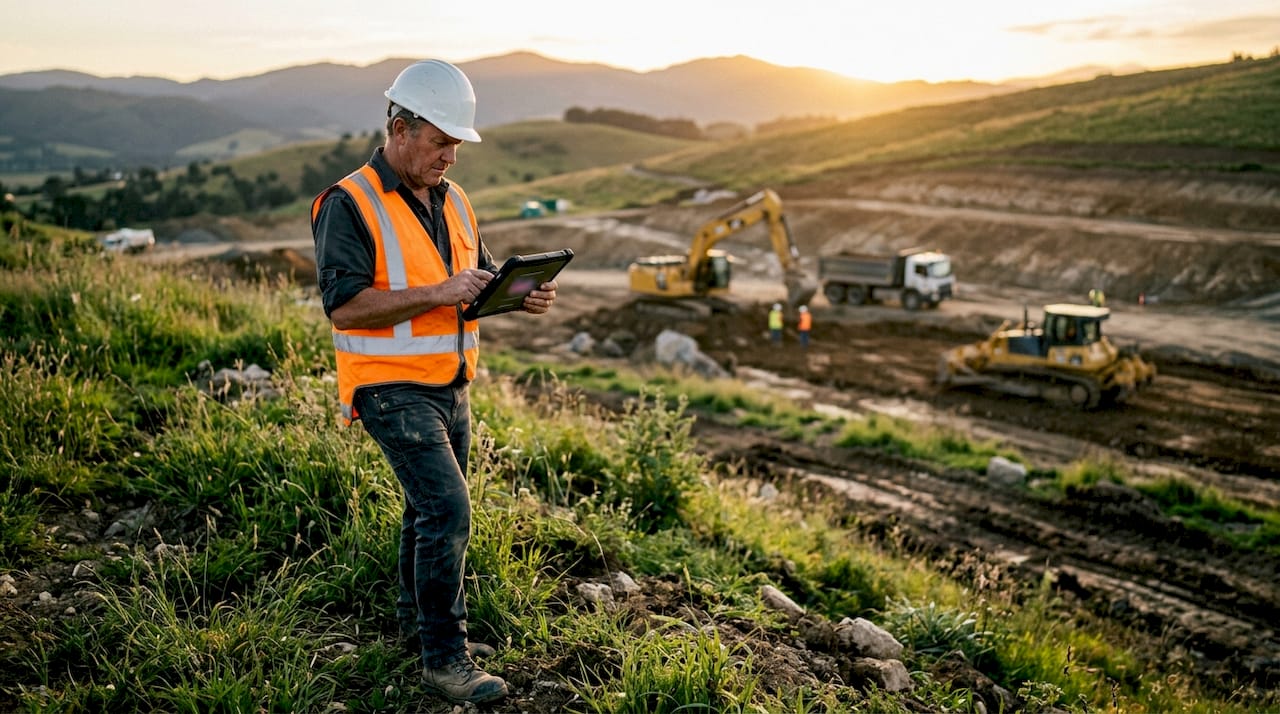
Most construction teams wrongly treat inspections as box-ticking exercises, and that mindset is the root cause of the defect rates that drive rework. The shift from compliance theater to genuine hazard recognition requires both process discipline and technology support.
Digital inspection platforms improve accuracy, provide standardized checklists, and implement closed-loop corrective actions with photo documentation for accountability. Teams that rely on informal field journals cannot match the deficiency detection rates or the audit trail quality that digital systems produce. A workplace safety inspection checklist developed with professional input covers the full hazard control hierarchy and reduces the risk of critical omissions.
The table below compares informal versus digital inspection approaches across key performance dimensions:
| Dimension | Informal field journal | Digital inspection platform |
|---|---|---|
| Checklist consistency | Variable, inspector-dependent | Standardized, phase-locked |
| Photo documentation | Ad hoc | Embedded, timestamped |
| Corrective action tracking | Manual, often lost | Assigned, tracked, verified |
| Reporting speed | Hours to days | Real time |
| Audit trail quality | Low | High |
Training is the final variable. Inspectors who understand what they are looking for at each phase produce better findings than those following a generic checklist without context. Building a culture where inspections are treated as the primary risk management tool, not an administrative burden, is the defining characteristic of high-performing construction organizations.
Pro Tip: Assign inspection ownership to a named individual for each phase, not to a team or role. Named accountability produces faster corrective action closure and reduces the frequency of repeated findings across inspection cycles.
Key Takeaways
Consistent, phase-specific site inspections are the most effective tool construction project managers have for controlling safety risk, maintaining compliance, protecting quality, and preventing schedule and cost overruns.
| Point | Details |
|---|---|
| Safety incident reduction | Consistent inspections can reduce safety incidents by up to 70%, making them the primary risk control mechanism. |
| Compliance documentation | Inspection records serve as legal proof of due diligence and are required by lenders for project funding. |
| Phase-based quality gates | Catching defects at the correct construction phase prevents compounding rework that inflates cost and delays schedules. |
| 48-hour corrective action | Resolving inspection deficiencies within 48 hours stops cost inflation and prevents downstream trade disruption. |
| Digital tools over field journals | Digital inspection platforms with closed-loop corrective actions outperform informal journals on every measurable dimension. |
The inspection culture gap no one talks about
The most persistent failure in construction inspection practice is not a lack of checklists. It is a lack of conviction that inspections change outcomes. I have worked with project teams that had detailed inspection programs on paper and catastrophic defect rates in practice. The gap was always cultural, not procedural.
Project managers who treat inspections as a gate to pass rather than a tool to use consistently underperform on safety metrics, rework rates, and schedule adherence. The teams that get it right share one characteristic: they treat every inspection finding as a signal about their process, not just a problem to close. That reframe changes how quickly findings get resolved and how often the same finding recurs.
Technology adoption accelerates this shift, but it does not substitute for it. A digital platform assigned to an inspector who does not believe in the process produces digital box-ticking. The same platform in the hands of a team that treats findings as process intelligence produces measurable improvement across every project metric. The site safety inspection checklist process matters, but the mindset behind it matters more.
Construction leaders who want to close the inspection culture gap should start by reviewing their corrective action closure rates. If findings stay open for more than 48 hours on average, the process is broken regardless of how good the checklist is.
— Aman
How Com supports construction compliance through professional safety audits
Construction project managers who want to move beyond informal inspection practices need more than a checklist. They need a structured audit framework that aligns with Singapore’s regulatory requirements and produces defensible documentation for every project phase.

Com, operating as MOSAIC Ecoconstruction Solutions, delivers professional safety audit services designed specifically for the Singapore construction sector. These audits go beyond surface-level compliance checks to identify systemic gaps in safety management, environmental controls, and quality assurance processes. Project managers working toward BizSAFE certification or ISO compliance will find Com’s audit methodology directly aligned with the statutory frameworks governing Singapore construction projects. Contact Com to schedule a site audit and establish the documented inspection foundation your project requires.
FAQ
What is a construction site inspection?
A construction site inspection is a systematic evaluation of a project site to verify safety conditions, workmanship quality, regulatory compliance, and adherence to design specifications at defined project phases.
How do site inspections reduce construction accidents?
Consistent site inspections identify active hazards such as fall protection gaps and PPE non-compliance before incidents occur. Research shows they can reduce safety incidents by up to 70% when conducted continuously rather than only at project milestones.
Why is documentation from site inspections important?
Inspection documentation creates a legal paper trail that demonstrates regulatory compliance and due diligence. Lenders may withhold project funding without proper inspection records, and documentation also serves as evidence in the event of disputes or litigation.
How often should construction site inspections be conducted?
Inspections should occur at every defined project phase, including foundation, structural framing, MEP rough-in, envelope installation, and finishes. Phase-specific inspections prevent defects from being concealed by subsequent work and are more effective than milestone-only checks.
What is the benefit of digital inspection tools over paper checklists?
Digital inspection platforms reduce reporting errors by 40%, improve deficiency detection by 40%, and produce timestamped photo documentation with closed-loop corrective action tracking. These capabilities make digital tools significantly more reliable than informal field journals for accountability and audit trail quality.