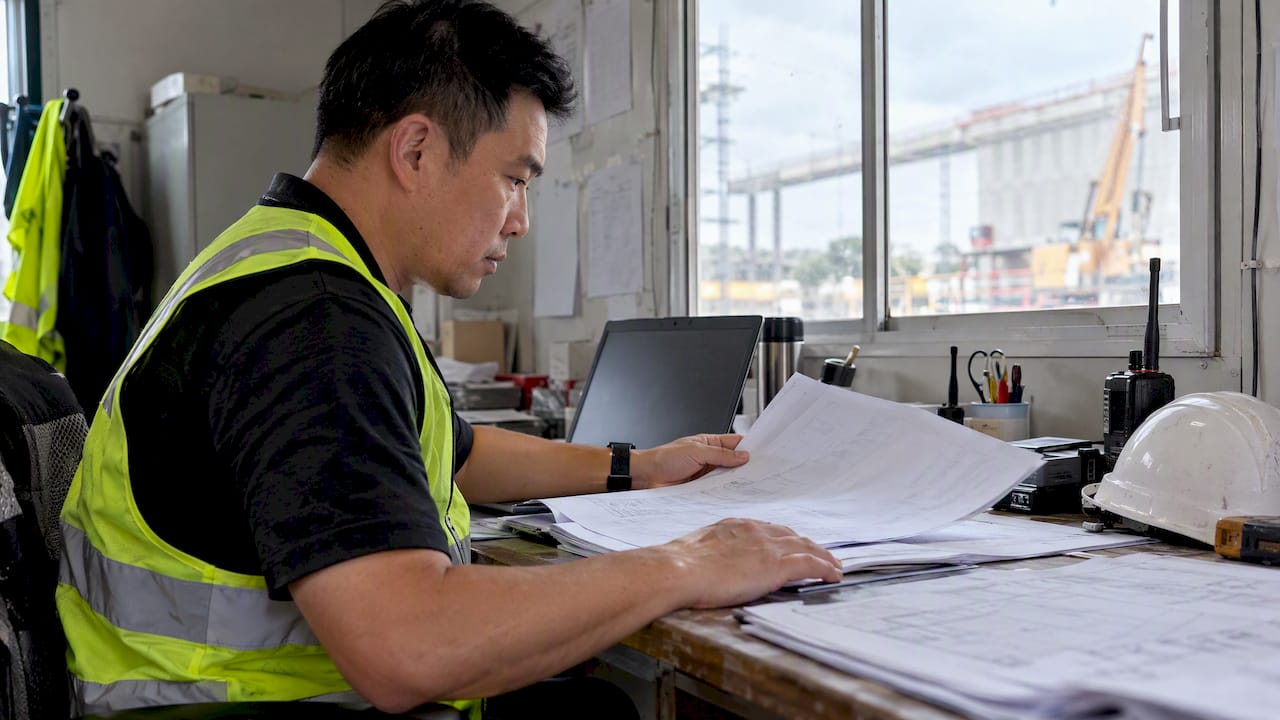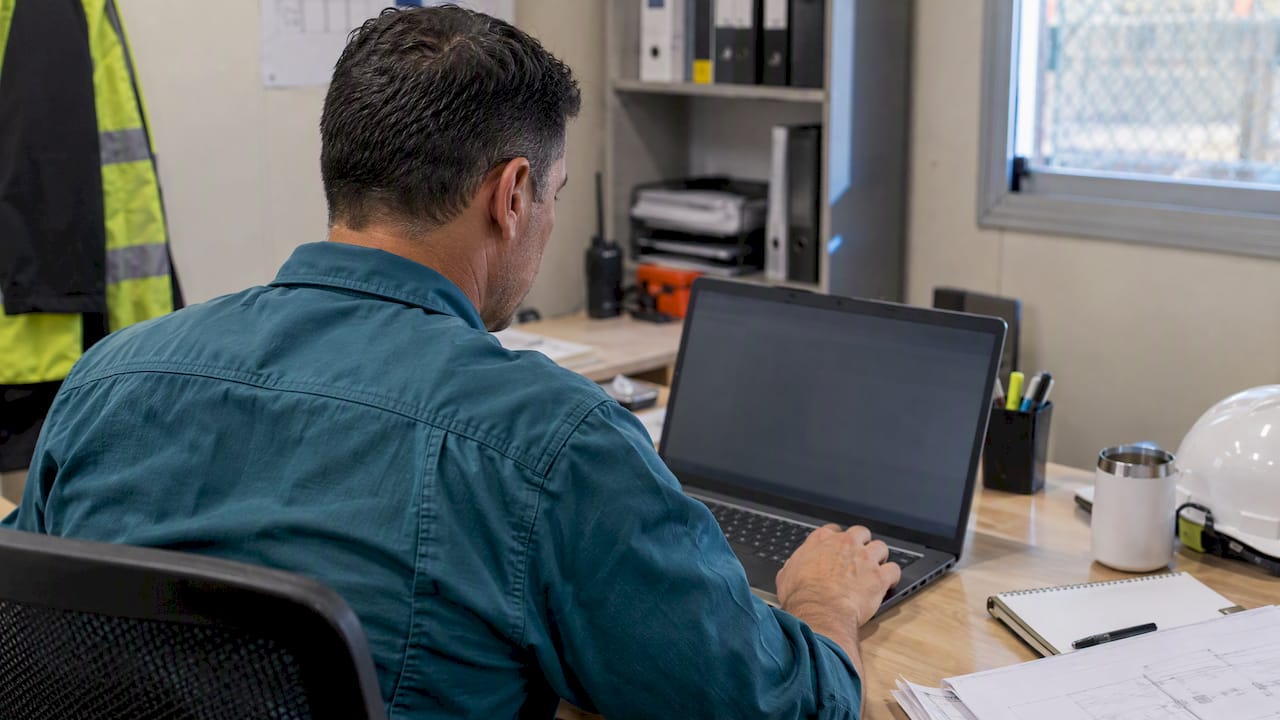

A missed permit condition, an outdated risk assessment, or a site team working from different versions of the same procedure can all become expensive problems very quickly. That is why the question of who needs a WSH audit is not just about formal compliance. For many contractors, manufacturers, and industrial employers, it is about knowing where gaps exist before a regulator, client, or incident exposes them.
Who needs a WSH audit?
The short answer is this: any organization with meaningful workplace safety and health exposure can benefit from a WSH audit, but some businesses have a much clearer operational or regulatory need than others.
In practice, WSH audits are especially relevant for construction companies, subcontractors, engineering firms, manufacturing facilities, logistics operators, marine and process industry employers, and businesses managing higher-risk work activities. If your operations involve work at height, lifting operations, confined spaces, hot work, heavy equipment, hazardous substances, traffic movement, or multiple contractors on one site, a WSH audit is usually a prudent step.
It also matters for companies pursuing or maintaining structured safety credentials. Businesses working toward BizSAFE, ISO-aligned management systems, prequalification requirements, or major client onboarding often need objective audit evidence that their systems are not only documented but actually implemented.
When a WSH audit becomes more than a good idea
Not every company is legally required to schedule the same type of audit at the same frequency. That is where confusion often starts. Some organizations ask whether they need a WSH audit because they have heard the term used broadly, while others assume they do not need one because no one has issued a direct instruction yet.
A better way to assess the need is to look at triggers.
If your company has grown quickly, taken on more complex projects, mobilized new subcontractors, or expanded into higher-risk work scopes, your existing controls may no longer match operational reality. The same applies when there has been an incident, a near miss trend, repeated safety observations, or poor inspection findings. In these cases, an audit helps determine whether the issue is isolated or systemic.
A WSH audit is also valuable before external assessments. If a client audit, tender submission, insurer review, or certification assessment is approaching, an independent audit gives management a clearer picture of readiness. It is far better to find incomplete records, weak supervision practices, or outdated emergency arrangements during a planned review than during an external visit.
Industries that most often need WSH audits
Construction is one of the clearest examples. Main contractors and subcontractors operate in changing environments where hazards shift as work progresses. A site can be compliant in one phase and exposed in the next if controls are not updated. WSH audits help verify whether method statements, permits, toolbox briefings, inspections, and supervision are aligned with actual work activities.
Engineering and maintenance businesses also face a strong case for auditing. Their teams often work across client premises, shutdowns, retrofits, and live operational environments. That creates variation in hazards and control measures. Audits help confirm whether workers are consistently applying procedures, whether contractor controls are effective, and whether site-specific requirements are being managed properly.
Manufacturing and industrial operations benefit for slightly different reasons. The challenge is often less about changing site conditions and more about process discipline. Machine guarding, lockout controls, chemical handling, forklift operations, contractor management, and emergency preparedness all depend on sustained system performance. An audit tests whether those systems remain reliable under production pressure.
Smaller companies should not assume audits are only for large enterprises. In fact, SMEs often gain the most immediate value because safety responsibilities are spread across a smaller management team. A focused audit can quickly show where documentation, competency records, inspection routines, or supervisory controls need strengthening.
Who needs a WSH audit for compliance reasons?
This depends on the specific legal, contractual, and certification context of the business.
Some employers require audits because of client standards, approved vendor conditions, or project specifications. Others need them because they are entering structured programs or management system pathways that expect formal review of workplace safety arrangements. For companies in regulated or high-risk sectors, audits may form part of broader due diligence and governance expectations.
That said, compliance is only one part of the picture. A company can appear compliant on paper while still carrying serious execution gaps on the ground. That is why management teams should treat the audit not as a paperwork exercise but as a control measure in its own right.
An effective WSH audit typically reviews both system and practice. It examines policies, risk assessments, training records, inspections, incident processes, permits, and legal registers, but it also checks whether supervisors, workers, and subcontractors are following those requirements in daily operations. The gap between documented intent and actual practice is often where the highest risk sits.
Signs your company should arrange a WSH audit now
Some needs are obvious. Others are easier to miss until they start affecting performance, tender success, or regulatory confidence.
If your records are difficult to retrieve, your procedures vary from site to site, or different managers interpret safety requirements differently, an audit is likely overdue. The same applies if corrective actions remain open for long periods, toolbox meetings are inconsistent, incident investigations stop at immediate causes, or risk assessments are copied forward without meaningful review.
Another warning sign is overreliance on one safety person. If one manager or coordinator is carrying the entire compliance burden, your system may not be resilient. A WSH audit can show whether responsibilities are truly embedded across operations, project management, supervision, and leadership.
Contractor-heavy environments are another common trigger. Once multiple subcontractors, equipment suppliers, temporary workers, and specialized trades are operating together, interface risk increases. Auditing becomes essential for checking communication, permit coordination, supervision, and accountability.
What a WSH audit actually helps you achieve
The best audits do more than identify nonconformities. They give management a usable picture of operational risk.
First, they help prioritize. Not every gap carries the same weight. Some findings are administrative, while others indicate a direct exposure to injury, enforcement action, or project disruption. A competent audit distinguishes between the two so resources can be focused where they matter most.
Second, they improve readiness. Whether the next step is a client review, internal management meeting, certification audit, or regulator attention, you are better positioned when your controls have already been tested.
Third, they support consistency. Many organizations have acceptable practices in one project or department and weaker control in another. Audits reveal these inconsistencies and help standardize expectations.
Finally, they support leadership decision-making. Owners, directors, project leaders, and EHS managers need more than reassurance. They need evidence. A structured audit provides that evidence and turns safety performance into something measurable and manageable.
Choosing the right audit approach
Not every business needs the same audit scope.
A company preparing for certification or formal safety program requirements may need a full system audit covering documentation, implementation, legal obligations, and management review processes. A contractor with active site concerns may need a more operational field audit focused on work at height, lifting, permits, housekeeping, equipment checks, and supervision quality. A business after an incident may need a targeted audit centered on a specific risk area.
This is where experience in construction and industrial operations matters. An auditor should understand both the written framework and the realities of site execution. A technically correct checklist is useful, but it is not enough if the auditor cannot recognize where procedures break down under schedule pressure, subcontractor turnover, or poor communication between office and field teams.
For organizations that need practical support after the audit, working with an implementation-focused partner such as MOSAIC Ecoconstruction Solutions Pte Ltd can make the difference between identifying issues and actually closing them.
The real answer to who needs a WSH audit
If your business has safety-critical work, regulatory exposure, client expectations, or internal uncertainty about whether controls are working as intended, you likely need a WSH audit. The question is less about company size and more about risk, complexity, and accountability.
Well-run companies use audits before problems escalate. They do not wait for an injury, failed assessment, or enforcement event to find out where the system is weak. They use audits to verify, improve, and maintain control.
A useful way to think about it is simple: if your team would struggle to prove that safety procedures are current, understood, followed, and monitored, then an audit is not extra administration. It is a practical business safeguard.
The strongest safety systems are rarely the ones with the thickest files. They are the ones that stand up under pressure, on real sites, with real people doing real work.