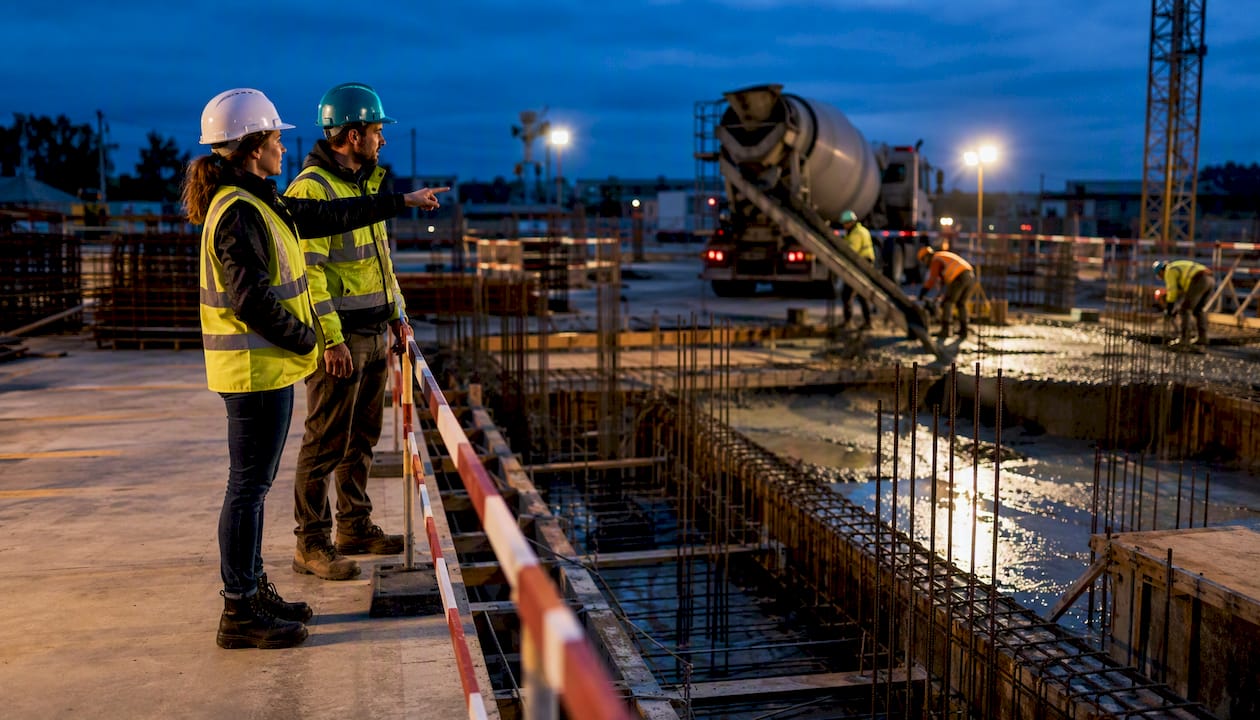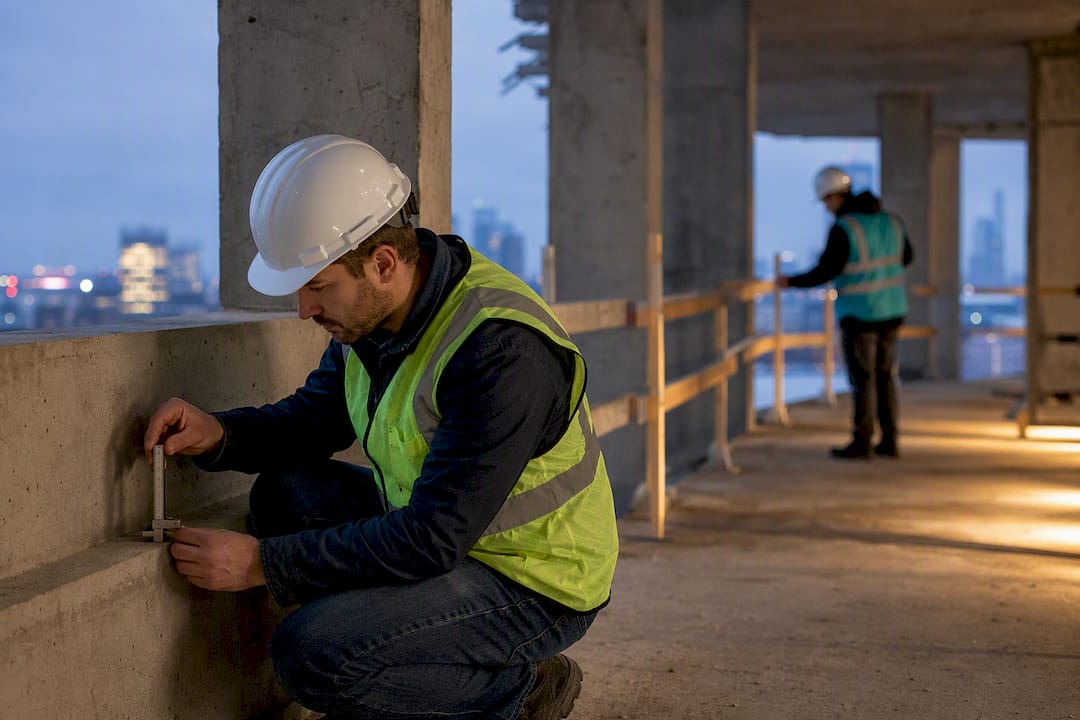
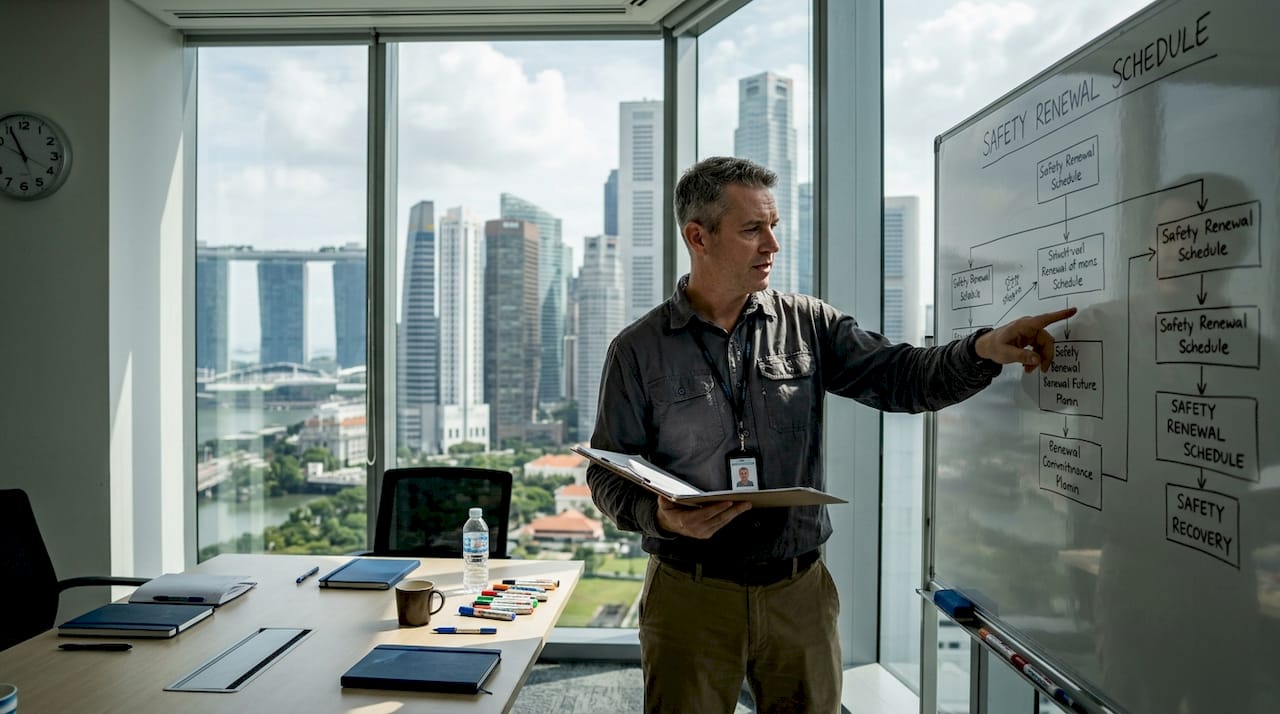
Workplace injuries cost Singapore businesses SGD 10.45 billion annually, yet a persistent misconception continues to undermine safety investment: that a single onboarding course or ad-hoc refresher is adequate for sustained compliance and injury prevention. For construction company leaders and safety managers in Singapore, this misunderstanding carries serious legal, financial, and human consequences. This article clarifies exactly what the law requires, why repeated safety training is scientifically and economically justified, how to deliver it effectively, and what common implementation failures look like in practice. The goal is to help organizations move from minimum compliance to measurable safety performance.
Table of Contents
- Singapore’s evolving safety landscape and legal requirements
- How regular safety training reduces risks and saves money
- The science: Why repeating safety training works
- Making safety training effective: Methods and common pitfalls
- Why most safety training fails — and what Singapore gets right
- Get expert support for next-level safety compliance
- Frequently asked questions
Key Takeaways
| Point | Details |
|---|---|
| Mandatory renewals | Singapore law requires regular safety training renewals for all construction workers, with strict impact on hiring and permits. |
| Proven cost savings | Strong safety training programs reduce injuries, insurance premiums, and business disruptions. |
| Science of repetition | Regular, reinforced learning ensures knowledge retention and mitigates worker complacency. |
| Best practices matter | Hands-on, role-customized training outperforms lectures and boosts site safety and compliance culture. |
| Expert support boosts compliance | External consultants help companies design effective safety programs and meet Singapore requirements efficiently. |
Singapore’s evolving safety landscape and legal requirements
With the financial urgency clear, let’s explore how legal requirements shape Singapore’s safety training standards.
Singapore’s Ministry of Manpower (MOM) does not treat safety training as a one-time administrative task. MOM mandates regular renewal of the Construction Safety Orientation Course (CSOC) certification for construction workers, treating it as an ongoing competency requirement rather than a pre-employment checkbox. This regulatory design reflects an important policy logic: construction environments change constantly, hazards evolve, and knowledge degrades without reinforcement.
The CSOC renewal schedule is structured around worker experience levels, ensuring that newer workers receive more frequent formal training while still requiring seasoned workers to requalify on a defined cycle. Specifically, renewal is required every 2 years for workers with six or fewer years of construction experience, and every 4 years for those with more than six years of active employment in the sector. Critically, periods of home leave or absence from active employment do not count toward this timeline, meaning companies cannot assume a long-tenured worker is automatically current.
The consequences of lapsed certification are immediate and operationally significant. An expired CSOC certificate directly prevents Work Permit renewal, which means non-compliant workers cannot legally remain on site. For project timelines already stretched by labor constraints, this creates compounding risk: both regulatory exposure and workforce disruption.
Beyond CSOC, Singapore’s Workplace Safety and Health (WSH) Act establishes broader obligations that reinforce the case for regular training. Section 12 of the WSH Act specifically mandates that employers provide adequate instruction, information, training, and supervision to ensure worker safety. This statutory obligation, combined with sector-specific rules enforced by MOM, means that construction employers must treat WSH management systems as living frameworks, not static documentation exercises.
| Certification | Worker experience | Renewal frequency | Consequence of lapse |
|---|---|---|---|
| CSOC | Up to 6 years | Every 2 years | Work Permit non-renewable |
| CSOC | More than 6 years | Every 4 years | Work Permit non-renewable |
| WSH Act compliance | All workers | Continuous | Prosecution, fines, stop-work orders |
Key obligations that construction safety managers must track:
- CSOC renewal dates for every worker on the project roster
- Active versus non-active employment periods when calculating certification eligibility
- WSH Act Section 12 compliance for instruction and supervision standards
- Design for safety requirements integration at the pre-construction stage
Pro Tip: Build a centralized digital tracker that flags CSOC expiration dates 90 days in advance. Many companies only discover lapses at Work Permit renewal time, which creates emergency scheduling pressure and potential site stoppages that are entirely avoidable with proactive certification management.
How regular safety training reduces risks and saves money
Compliance is just the start. Let’s examine the real-world gains that follow from sustained safety training investment.
The financial case for regular safety training in Singapore construction is not theoretical. With workplace injuries costing businesses SGD 10.45 billion each year across the economy, the construction sector bears a disproportionate share of that burden due to its inherently high-risk operational environment. Regular training directly reduces the frequency and severity of incidents, which in turn reduces the direct and indirect costs that accumulate from those incidents.
On the direct cost side, companies with stronger safety training programs consistently report lower workers’ compensation premiums, reduced regulatory fines from MOM enforcement actions, and fewer work stoppages caused by accident investigations. Indirect savings are equally significant: retention improves when workers feel their employer is genuinely invested in their wellbeing, reducing the expensive cycle of hiring and retraining replacement personnel. Subcontractor and client relationships also benefit when a principal contractor can demonstrate a credible, documented safety training program, reducing bid risk and improving project margins.
“Singapore’s construction sector fatal and major injury rate improved from 31.0 per 100,000 workers in 2024 to 26.3 per 100,000 in 2025, an improvement attributed to stronger WSH ownership, enforcement, and training across the industry.” — WSH Report 2025
This improvement is material. A reduction of 4.7 incidents per 100,000 workers across Singapore’s construction workforce translates to a meaningful number of injuries, hospitalizations, and fatalities prevented. Each prevented fatality eliminates not only the profound human cost but also the financial consequences of prosecution, compensation claims, project delays, and reputational damage.
| Metric | 2024 figure | 2025 figure | Change |
|---|---|---|---|
| Fatal/major injury rate (construction) | 31.0 per 100,000 | 26.3 per 100,000 | Down 15.2% |
| Annual injury cost to Singapore businesses | SGD 10.45 billion | Ongoing | Proactive training reduces share |
The specific cost savings from regular training programs accumulate across multiple channels:
- Lower insurance premiums tied to documented safety performance and training compliance
- Reduced stop-work orders when MOM inspectors find compliant certification records
- Fewer project delays from accident investigations, which can stall progress for days or weeks
- Improved retention as workers prefer employers who invest in their workplace hazard awareness
- Stronger tendering positions when clients require safety track records as a pre-qualification criterion
Pro Tip: When calculating training return on investment, factor in the avoided cost of a single serious incident. A major accident investigation, including MOM fines, legal fees, downtime, and insurance claims, can easily exceed SGD 500,000. Framing training expenditure against that risk baseline makes the investment calculus immediately clear to leadership.
The link between risk assessment strategies and training outcomes is also direct. Workers who receive regular training are significantly better equipped to identify hazards during pre-task risk assessments, making those assessments substantive rather than perfunctory.
The science: Why repeating safety training works
Statistics show results, but what makes repeated safety training truly effective at the behavioral level?
The answer lies in how human memory and professional habit formation operate under real-world conditions. Safety knowledge requires regular reinforcement to function like genuine competence; environments evolve, equipment changes, and without deliberate repetition, both new and experienced workers revert to habituated behaviors that carry residual risk. This is not a failure of individual motivation but a predictable outcome of how declarative memory degrades when not actively refreshed.
For construction workers in Singapore, the hazard landscape does not remain static. New materials, revised MOM regulations, updated equipment operating procedures, and changing site configurations all introduce new risk profiles. A worker trained comprehensively three years ago may be operating on assumptions that are no longer accurate, not because they were inattentive but because their training snapshot no longer reflects the current environment.
One of the more counterintuitive findings in occupational safety research is that experienced workers are not automatically safer. Labor experience can decrease risk awareness through overconfidence, a phenomenon sometimes described as “expert bias” in which high proficiency generates an implicit assumption that familiar tasks carry lower risk than they actually do. This is precisely why Singapore’s renewal framework, which applies to experienced workers as well as newer ones, reflects sound behavioral science rather than administrative conservatism.
Regular safety training interrupts this risk drift through four key mechanisms:
- Memory consolidation: Spaced repetition of safety procedures reinforces procedural memory, making correct responses more automatic under pressure.
- Hazard recalibration: Updated training content corrects assumptions formed under outdated site conditions or regulations.
- Complacency disruption: Formal training events create deliberate cognitive engagement with risk scenarios that routine work does not naturally prompt.
- Regulatory currency: Workers and supervisors stay current with MOM WSH Act amendments, reducing liability from inadvertent non-compliance.
For safety managers designing training programs, it is also important to recognize that training effectiveness is not uniform across worker roles. Experienced workers may need training that specifically addresses expert bias and challenges their existing assumptions, while newer workers need foundational competency building. Understanding this distinction is critical when reviewing WSQ safety course guidance and selecting appropriate training pathways for different categories of site personnel.
Pro Tip: Customize training content by role and experience tier rather than delivering identical programs to all workers. Site supervisors, subcontractors, and foreign workers face distinct hazard profiles and have different learning histories. Role-specific content increases relevance and measurably improves knowledge retention.
Making safety training effective: Methods and common pitfalls
Knowing that repetition works, the next critical question is how training is delivered, because delivery method determines whether knowledge actually transfers to behavior on site.
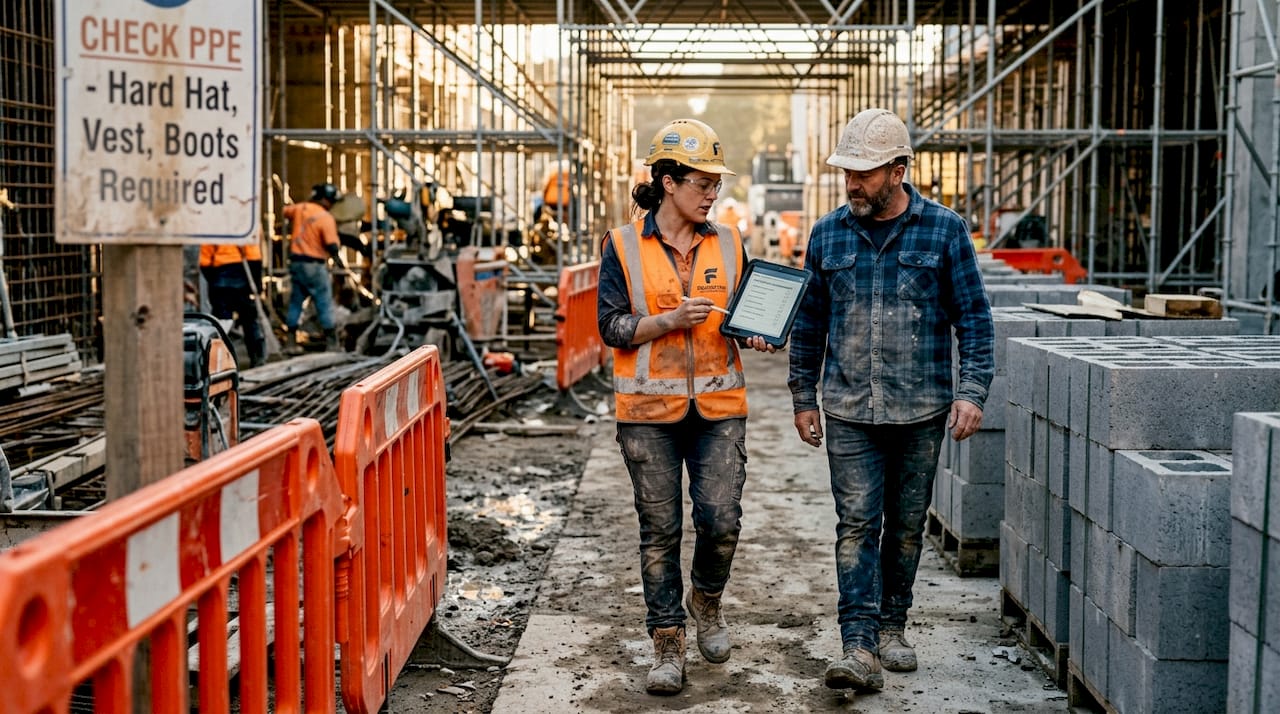
The evidence is clear that hands-on, scenario-based training that builds personal responsibility produces better outcomes than passive, lecture-based formats. Workers who engage with realistic incident scenarios, practice emergency responses, and discuss near-miss situations in structured settings are far more likely to apply that knowledge when facing real hazards under time pressure on a live project.
Yet many construction companies still structure safety training as a compliance output rather than a behavioral intervention. The result is a certification record that satisfies an auditor but fails to change how workers make decisions on site. This gap between documented training and actual behavior is one of the most persistent vulnerabilities in construction safety programs across Singapore and globally.
Research into training compliance confirms this nuance: training boosts compliance directly but requires separate, reinforcing strategies to sustain worker participation and prevent the phenomenon where workers perceive less risk because they have received training, which is the over-precision bias discussed earlier. Leadership visibility, peer accountability programs, and ongoing supervisory engagement are necessary complements to formal training, not optional enhancements.
Effective methods that safety leaders should prioritize:
- Scenario-based drills that replicate realistic site hazard conditions and require active decision-making
- Toolbox talks delivered at regular intervals, ideally weekly, to maintain hazard awareness between formal training cycles
- Role-specific modules that address the actual equipment, tasks, and risk profiles relevant to each worker’s daily responsibilities
- Leadership participation where site supervisors and project managers visibly engage with training rather than delegating it entirely to safety officers
- Post-training evaluation using observable behavioral indicators on site rather than written tests alone
Common pitfalls that undermine training programs in practice:
- Treating training as a one-time certification event with no follow-through evaluation
- Delivering identical content to all workers regardless of role or experience level
- Failing to update training materials when MOM regulations or site conditions change
- Measuring success by attendance records rather than behavioral change on site
- Neglecting to connect training content to specific incidents or near-misses from the company’s own project history
WSH management system implementation provides the structural backbone for embedding these training practices within a documented, auditable framework, ensuring that program quality can be measured, reviewed, and improved systematically over time.
Pro Tip: Use toolbox talks as micro-training events, not briefings. Each session should include one specific scenario, a question for workers to answer, and a clear behavioral expectation to practice. Over time, these brief, focused interactions produce cumulative knowledge reinforcement that formal courses alone cannot achieve.
Why most safety training fails — and what Singapore gets right
From a consultancy perspective grounded in years of working with Singapore construction companies, the most consistent observation is that training programs fail not because of content gaps but because of cultural misalignment. Organizations that approach CSOC renewal as an administrative obligation, something to process before a Work Permit deadline, extract almost none of the behavioral value that regular training is designed to produce.
What Singapore’s regulatory framework does particularly well is create shared accountability. The renewal regime ties certification to Work Permit status, which means the consequence of lapsed training is not just a fine but an operational disruption with direct project impact. This structural pressure motivates employer-level investment that purely voluntary training programs rarely achieve.
However, regulatory pressure alone does not build safety culture. The companies that see genuine injury rate reductions are those whose leaders model safety behavior visibly, connect BizSafe compliance to daily operational decisions, and treat safety training outcomes as performance metrics rather than paperwork. The uncomfortable reality is that compliance and culture must advance together, and leaders who invest only in certification records without investing in behavioral change are purchasing liability protection, not safety.
Get expert support for next-level safety compliance
For construction leaders ready to translate the insights in this article into measurable worksite improvements, external expertise can accelerate both compliance and culture change significantly.

MOSAIC Ecoconstruction Solutions specializes in exactly this intersection of regulatory compliance and practical safety performance for Singapore’s construction sector. Whether your team needs a structured workplace safety inspection checklist to identify current gaps, specialist design for safety consulting integrated at the project planning stage, or a comprehensive training program designed around your specific workforce profile, MOSAIC’s safety solutions are built to deliver compliance with genuine operational impact. Contact us to discuss a tailored approach that matches your project scale and safety obligations.
Frequently asked questions
How often must construction workers in Singapore renew safety training?
For most workers, CSOC certification must be renewed every 2 years for those with six or fewer years of construction experience, and every 4 years for workers with more than six years of active experience in the sector.
What happens if a worker’s CSOC certification expires?
An expired CSOC certificate means their Work Permit cannot be renewed and they are legally prohibited from working on a construction site in Singapore until recertification is completed.
Does regular safety training actually lower accident rates?
Yes. Singapore’s construction sector fatal and major injury rate fell from 31.0 per 100,000 workers in 2024 to 26.3 per 100,000 in 2025, with stronger safety training cited as a contributing factor alongside enforcement and ownership improvements.
What is the best format for effective safety training?
Hands-on, scenario-based training tailored to specific roles produces measurably better behavioral outcomes than lecture-only formats; supplementing formal courses with frequent toolbox talks significantly improves knowledge retention over time.
Where can companies get help to comply with safety training requirements?
Specialist consultancies offer compliance audits, training program design, and certification support services tailored to Singapore construction companies, helping organizations meet both MOM regulatory obligations and internal safety performance goals.
Recommended
- Enhancing Workplace Safety Through Effective Audit Checklists And Risk Management Systems – MOSAIC Eco-construction Solutions Pte Ltd
- How to Improve Contractor Safety Culture – MOSAIC Eco-construction Solutions Pte Ltd
- Why outsource safety manpower: enhance site compliance & efficiency
- Master construction risk assessment: 5 steps to compliance