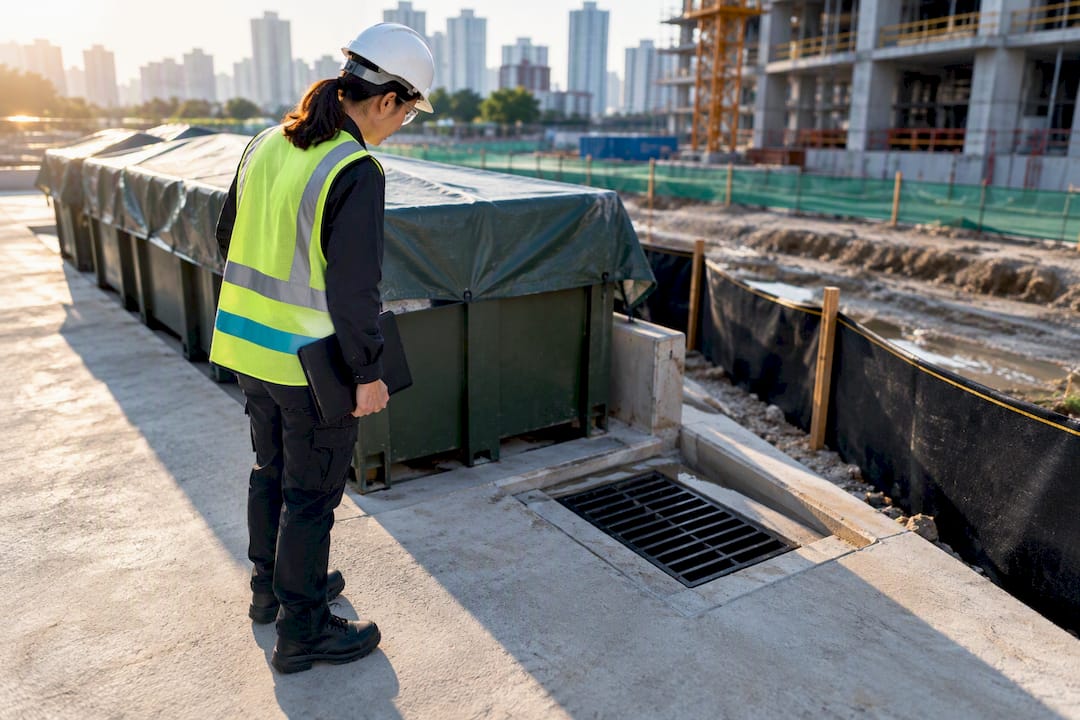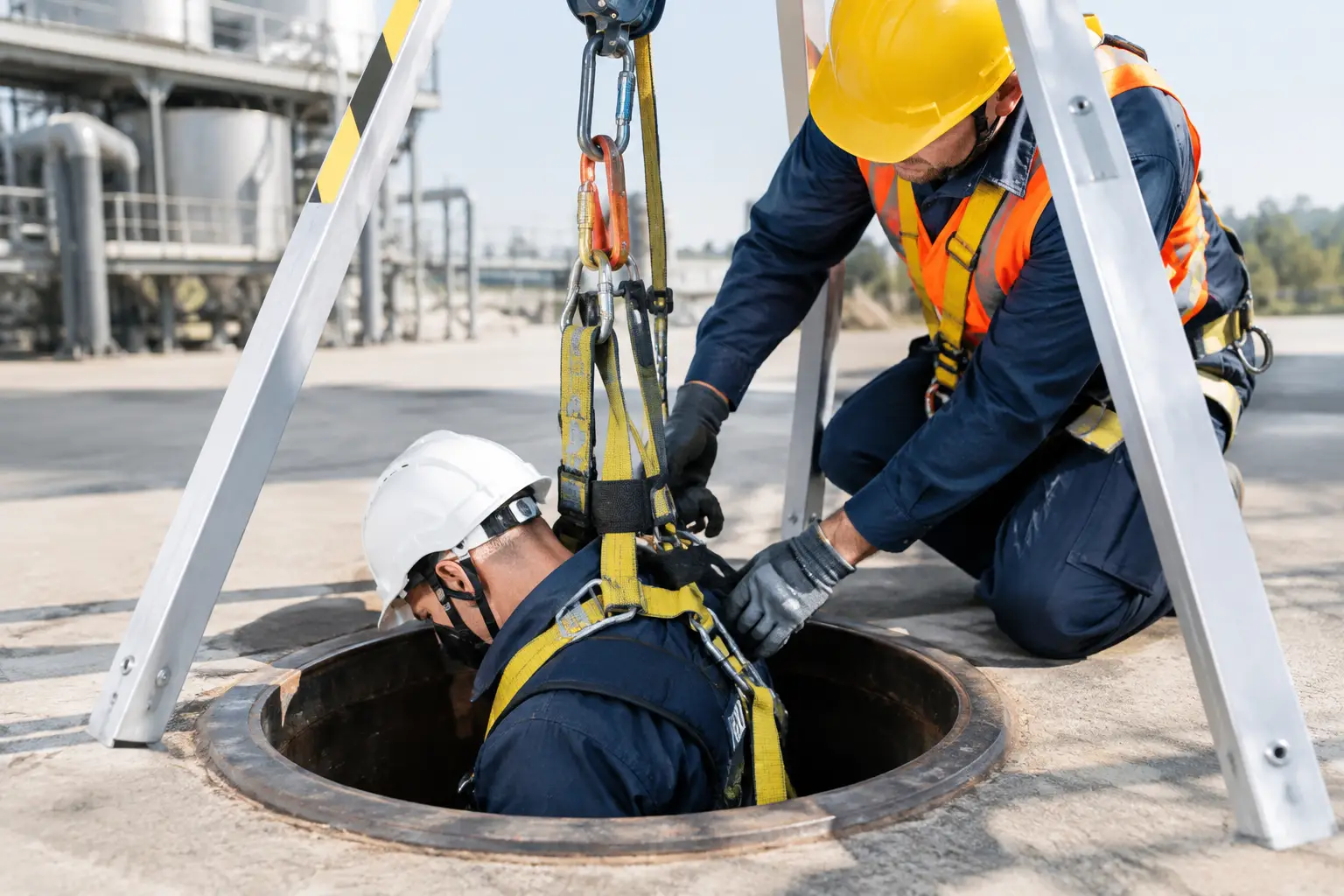

A failed waste storage inspection or a missed permit condition rarely starts as a major problem. More often, it begins with a small gap in site controls, documentation, or accountability. That is where iso 14001 environmental compliance support becomes valuable – not as paperwork for certification alone, but as a practical system for controlling environmental risk before it affects operations, contracts, or reputation.
For construction firms, manufacturers, and industrial operators, environmental compliance is rarely managed in a quiet office setting. It happens on active job sites, in workshops, around storage areas, and across subcontractor activities that shift from day to day. ISO 14001 helps bring structure to that complexity, but the standard only delivers results when it is translated into real operating controls.
What ISO 14001 environmental compliance support actually covers
Many companies assume ISO 14001 is mainly about building an environmental management system for certification. Certification may be the goal, but the operational need is broader. Environmental compliance support under ISO 14001 usually involves identifying legal and other obligations, evaluating environmental aspects and impacts, setting up controls, assigning responsibilities, training relevant personnel, and checking whether those controls are working in practice.
That sounds straightforward until the details emerge. A contractor may need to manage noise, dust, waste segregation, hazardous substance storage, spill response, drainage protection, and disposal records across multiple sites. An industrial facility may be dealing with emissions, wastewater, chemical handling, contractor controls, and permit conditions that require regular monitoring. The system has to fit the business model, the site realities, and the level of regulatory exposure.
This is why support matters. A standard can tell you what is expected, but experienced guidance helps determine how far controls need to go, where the compliance risks actually sit, and how to avoid creating a system that looks complete on paper but fails during implementation.
Why companies seek ISO 14001 environmental compliance support
In most cases, companies do not ask for help because they want more procedures. They ask for help because they are trying to solve a business problem.
Sometimes the issue is customer pressure. Main contractors, developers, or multinational clients may require suppliers to demonstrate stronger environmental management. Sometimes the issue is internal. Leadership may see repeated incidents, inconsistent waste handling, weak documentation, or uncertainty about whether site teams are meeting legal requirements. In other cases, a company is preparing for ISO certification and realizes the gap between current practice and audit expectations is wider than expected.
There is also a resource issue. Many SMEs do not have a full in-house environmental team. EHS responsibilities may sit with one manager who is also covering safety, inspections, subcontractor coordination, and incident reporting. In that setting, external support is not a luxury. It is often the most practical way to build a compliant system without slowing the business.
The difference between certification support and compliance support
These two areas overlap, but they are not identical.
Certification support is often focused on getting the management system ready for a registrar audit. That includes documentation, internal audits, management review, corrective action tracking, and closing gaps against ISO 14001 clauses. Compliance support goes deeper into whether operations actually meet environmental obligations day to day.
A company can pass a stage audit and still struggle with container labeling, inspection records, spill kit placement, chemical inventory control, or subcontractor awareness. On the other hand, a company may have decent site practices but lack the documented structure and evidence needed for certification. Strong support addresses both sides.
For regulated industries, this distinction matters. Environmental risk does not wait for an annual audit. If controls are weak, the consequences can include enforcement attention, project delays, cleanup costs, rejected tenders, or loss of client confidence.
Where implementation usually breaks down
The most common failure is treating ISO 14001 as a document exercise. Procedures get written, registers are created, and training slides are issued, but site execution does not change enough to reduce risk.
A second failure is using a generic system. Construction and industrial operations have different environmental profiles. Even within construction, civil works, interior fit-out, MEP activities, and demolition carry different controls and legal concerns. A one-size-fits-all system may satisfy formatting requirements but miss the real environmental aspects.
A third issue is fragmented ownership. Environmental responsibilities often cross operations, procurement, project teams, warehouse staff, and subcontractors. If the system depends entirely on one EHS person, performance becomes fragile. Good support helps distribute responsibilities clearly so that environmental control is built into operations rather than isolated in compliance documents.
What effective support looks like in practice
Useful iso 14001 environmental compliance support starts with understanding the operating context. That means reviewing the company’s activities, locations, legal obligations, client requirements, incident history, and current control measures. Without that baseline, it is difficult to prioritize the right actions.
The next step is usually a gap assessment. This should not only compare existing arrangements against the standard, but also test whether critical compliance controls are actually functioning. For example, are waste vendors properly documented, are environmental inspections occurring at the required frequency, are emergency spill arrangements suitable for site conditions, and are teams maintaining records that can withstand audit scrutiny?
From there, the work becomes practical. Procedures may need to be built or refined. Aspect and impact registers may need to reflect real site conditions instead of generic categories. Legal registers may require updates. Inspection checklists, training content, operational controls, and response protocols may need to be aligned so teams can follow them consistently.
This is also where industry-specific support adds value. In construction and industrial settings, controls must be realistic enough for supervisors and crews to apply under schedule pressure. If the process is too complicated, it will be bypassed. If it is too light, it will not manage risk. The right balance depends on the type of work, the number of sites, the client environment, and the maturity of the organization.
Internal capability matters as much as the system
A compliant management system is not just a set of approved documents. It depends on people understanding what they are responsible for and why the controls matter.
That includes senior management, who need visibility into environmental performance and legal exposure. It includes project managers and site supervisors, who influence how controls are planned and enforced. It also includes workers and subcontractors, who often create or prevent environmental incidents through routine actions.
Training is part of this, but training alone is not enough. Coaching, inspections, periodic reviews, and corrective action follow-up are what turn awareness into discipline. Companies that build internal ownership usually sustain compliance better than companies that rely only on annual preparation before an external audit.
How to judge whether support is working
The obvious sign is improved audit readiness, but that should not be the only measure. Better support should also make operations more controlled.
You should expect clearer environmental responsibilities, stronger legal compliance tracking, more consistent inspections, better record retention, and faster corrective action closure. Incidents, repeat findings, and uncertainty around environmental obligations should begin to decrease. Tender submissions and client prequalification can also become easier when environmental controls are documented and credible.
There is a trade-off, though. Building a mature ISO 14001 system takes time from operational teams. Reviews, inspections, training, and documentation require discipline. For some organizations, the answer is a phased implementation that addresses the highest-risk compliance gaps first, then builds toward full certification readiness. That approach is often more sustainable than trying to do everything at once.
Choosing the right ISO 14001 environmental compliance support
Not all support models are equally useful. Some providers are strong in standards interpretation but less familiar with site realities. Others know operations well but do not structure systems tightly enough for certification and audit evidence.
The best fit is usually a partner that can bridge both. That means understanding environmental law, management system requirements, inspections, documentation, and the day-to-day pressures of construction or industrial work. It also means being able to support implementation, not just provide templates.
For companies that need a practical compliance framework rather than a paper exercise, a consultancy such as MOSAIC Ecoconstruction Solutions Pte Ltd can add value by aligning environmental management with operational control, audit readiness, and sector-specific risk management.
If your environmental system only becomes active when an audit is approaching, it is probably not giving the protection your business needs. The right support should make compliance more visible, more manageable, and far less dependent on last-minute fixes.