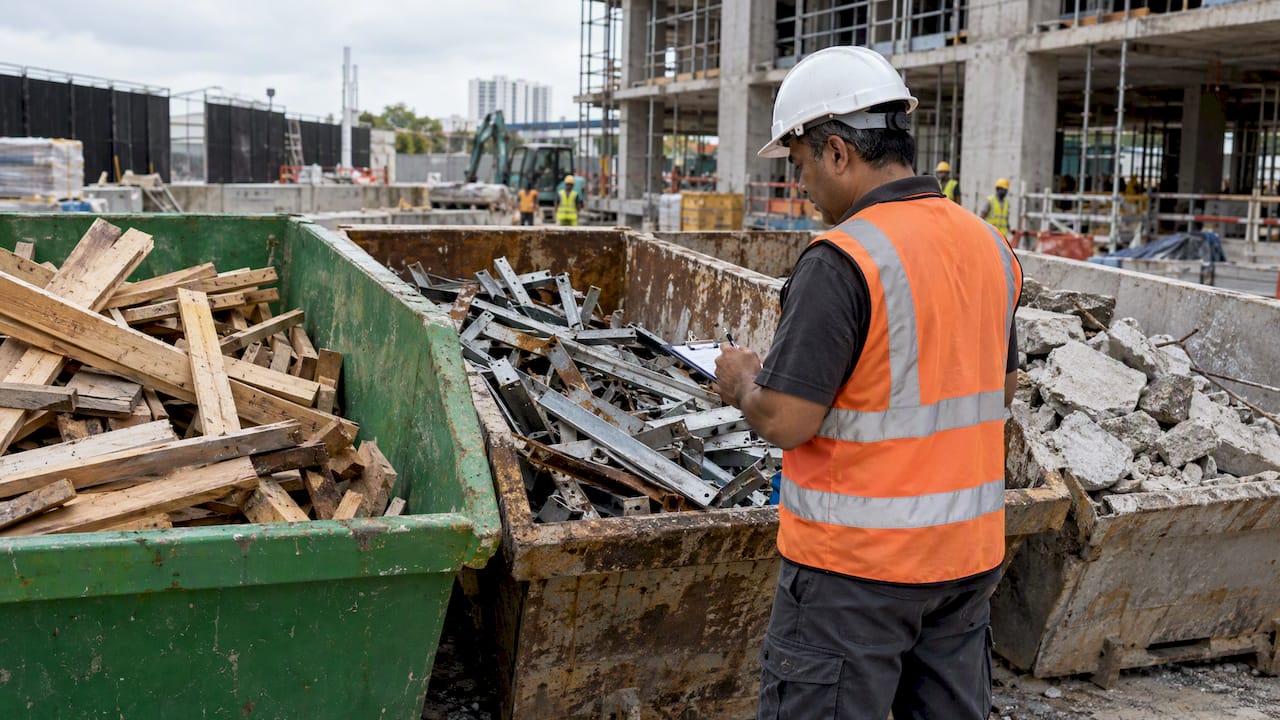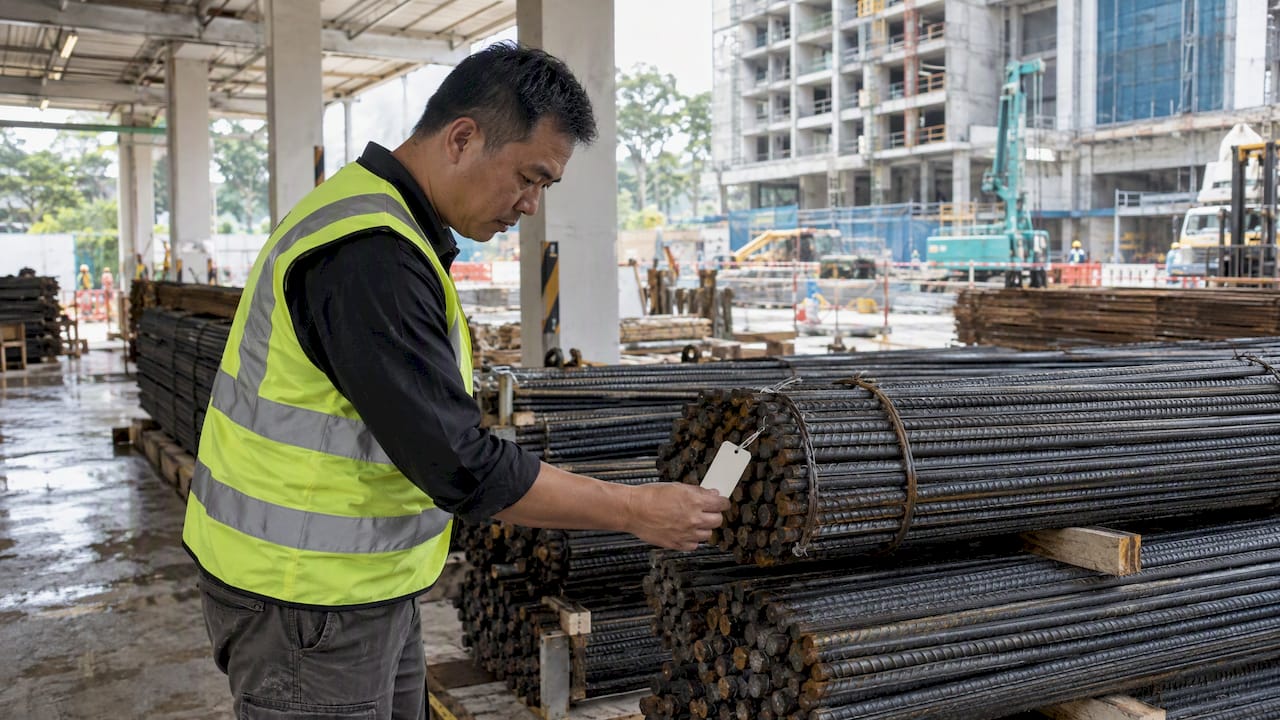
Navigating the complex landscape of Workplace Safety and Health (WSH) regulations can be challenging for businesses in Singapore.
The ever-present threat of accidents and injuries is a significant concern for operations, and ensuring that the workplace is a safe haven for employees is crucial.
According to the Ministry of Manpower, thousands of workers in Singapore are injured on the job every year, resulting in significant financial and reputational losses for businesses.
A WSH audit and inspection can help identify potential hazards and implement effective controls to prevent accidents.
By prioritizing WSH, businesses can create a positive and productive work environment that benefits both employees and the bottom line.
Conducting WSH Audit to Ensure Compliance with Regulatory Requirements
Conducting a Workplace Safety and Health (WSH) audit is crucial for organizations to identify potential hazards and ensure compliance with regulatory requirements.
A WSH audit is a systematic process that evaluates an organization’s safety management system, policies, and procedures to identify areas for improvement.
Regular WSH audits can demonstrate an organization’s commitment to providing a safe working environment for employees.
The consequences of non-compliance can be devastating, resulting in severe penalties, damage to reputation, and even loss of life.
- Effective audit planning is essential to ensure a comprehensive and thorough audit process.
- Identifying potential hazards is critical to preventing accidents and injuries.
- Compliance with regulatory requirements is mandatory to avoid penalties and reputational damage.
Understanding Importance of Regular Workplace Safety and Health Inspections

Regular workplace safety and health inspections are crucial in identifying potential hazards and preventing accidents.
These inspections help ensure that the workplace is compliant with safety regulations and that employees are aware of the risks and know how to mitigate them.
By conducting regular inspections, potential safety issues can be identified and addressed before they become major problems.
Prioritizing workplace safety can make all the difference in creating a safer and healthier work environment.
Implementing Effective Hazard Identification and Risk Assessment Techniques
Effective hazard identification is crucial for minimizing risks and preventing accidents.
A notable example of effective hazard identification is the Changi Airport in Singapore, which has implemented a robust risk assessment system to minimize potential hazards.
The key to successful hazard identification is to adopt a proactive and collaborative approach, involving all stakeholders in the risk assessment process.
By doing so, organizations can identify potential hazards, assess the associated risks, and implement effective controls to mitigate or eliminate them.
Developing a Comprehensive WSH Management System for Business Operations
Implementing a robust Workplace Safety and Health (WSH) management system is essential for safeguarding the well-being of employees and fostering a culture of safety and responsibility.
A comprehensive WSH management system encompasses a broad spectrum of components, including hazard identification, risk assessment, incident reporting, and performance monitoring.
By integrating these elements, businesses can mitigate the risks of workplace accidents, reduce the likelihood of injuries and illnesses, and cultivate a positive work environment that boosts employee morale and productivity.
Benefits of Outsourcing WSH Audit and Inspection Services to Experts

Outsourcing Workplace Safety and Health (WSH) audit and inspection services to experts can be highly beneficial for organizations.
By doing so, companies can ensure compliance with regulatory requirements and reduce the risk of accidents and injuries.
Outsourcing WSH services can also provide organizations with access to the latest technologies and methodologies, enabling them to stay up-to-date with industry best practices.
Conducting Thorough Workplace Risk Assessments to Prevent Occupational Hazards
Identifying potential hazards is crucial for a safe work environment.
- Conducting regular inspections to identify potential hazards and risks
- Implementing safety protocols and procedures to prevent accidents
- Training employees on safety procedures and emergency response
- Monitoring workplace conditions to ensure compliance with regulations
- Reviewing incident reports to identify areas for improvement
By prioritizing workplace risk assessments, organizations can significantly reduce the risk of occupational hazards and create a safer work environment.
Creating a Safe Working Environment through Proactive WSH Measures and Strategies
A safe working environment is crucial for productivity and employee well-being.
Implementing safety protocols, such as regular training sessions, can ensure employees are equipped with the knowledge to handle emergency situations.
Effective communication is key to preventing workplace accidents and ensuring a smooth incident response.
Safety audits and risk assessments can identify potential hazards and mitigate them through proactive strategies.
Understanding the Role of WSH Audit in Reducing Workplace Accidents and Injuries
A well-conducted WSH audit can help identify potential hazards and implement corrective measures, ultimately reducing the risk of accidents and injuries.
Companies that conduct regular WSH audits have seen a significant decrease in workplace incidents.
A single workplace injury can cost a company up to 4 times the direct medical costs in lost productivity and other indirect expenses.
Ensuring Business Continuity through Proactive WSH Audit and Inspection Practices
To ensure business continuity, organizations in Singapore must adopt a proactive approach to Workplace Safety and Health (WSH) audits and inspections.
By doing so, companies can minimize the risk of work-related injuries and illnesses, reduce downtime, and promote a culture of safety and wellness among employees.
A well-structured WSH audit and inspection program can help organizations comply with regulatory requirements, avoid fines and penalties, and enhance their reputation and social license to operate.
A proactive WSH audit and inspection program is crucial for preventing work-related accidents and promoting business continuity.
The importance of prioritizing Workplace Safety and Health (WSH) cannot be overstated.
By embracing a forward-thinking mindset and integrating WSH into the fabric of their operations, organizations can create a safer, healthier, and more productive work environment.
This mindset shift will not only ensure compliance with regulatory requirements but also position businesses for long-term success.
Ultimately, every employee returning home safely at the end of each day is a testament to the organization’s commitment to their welfare.