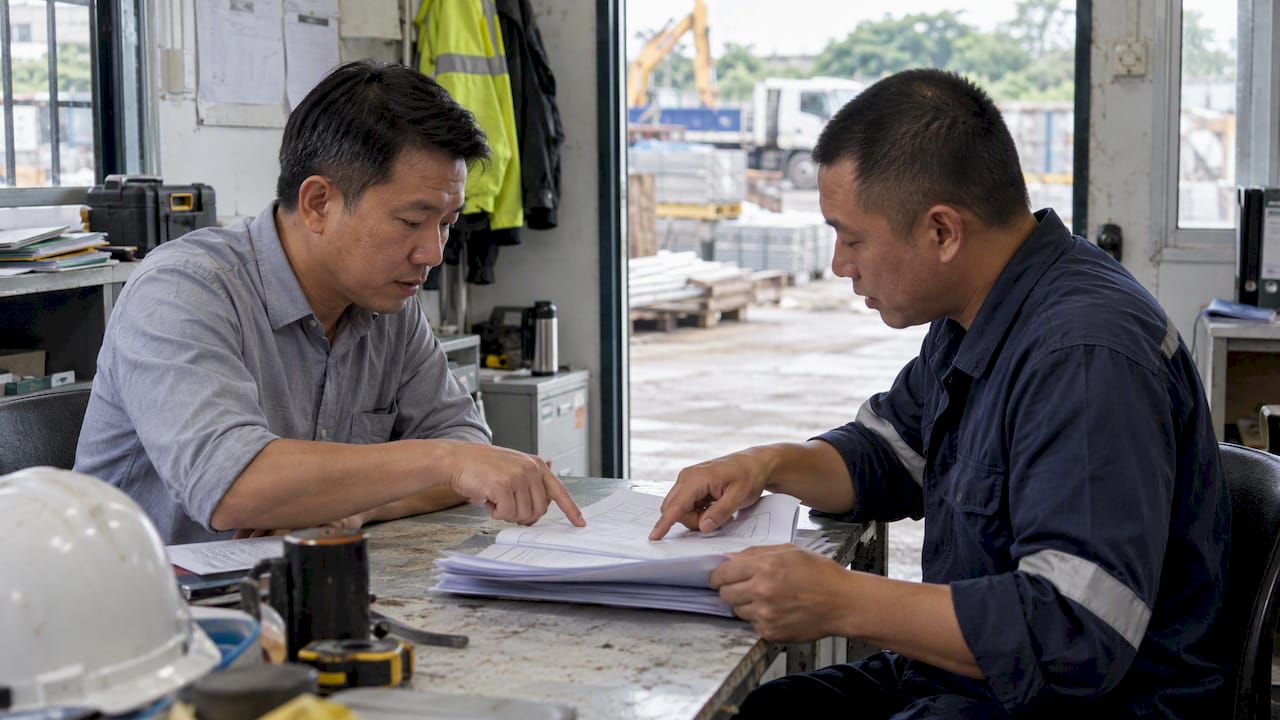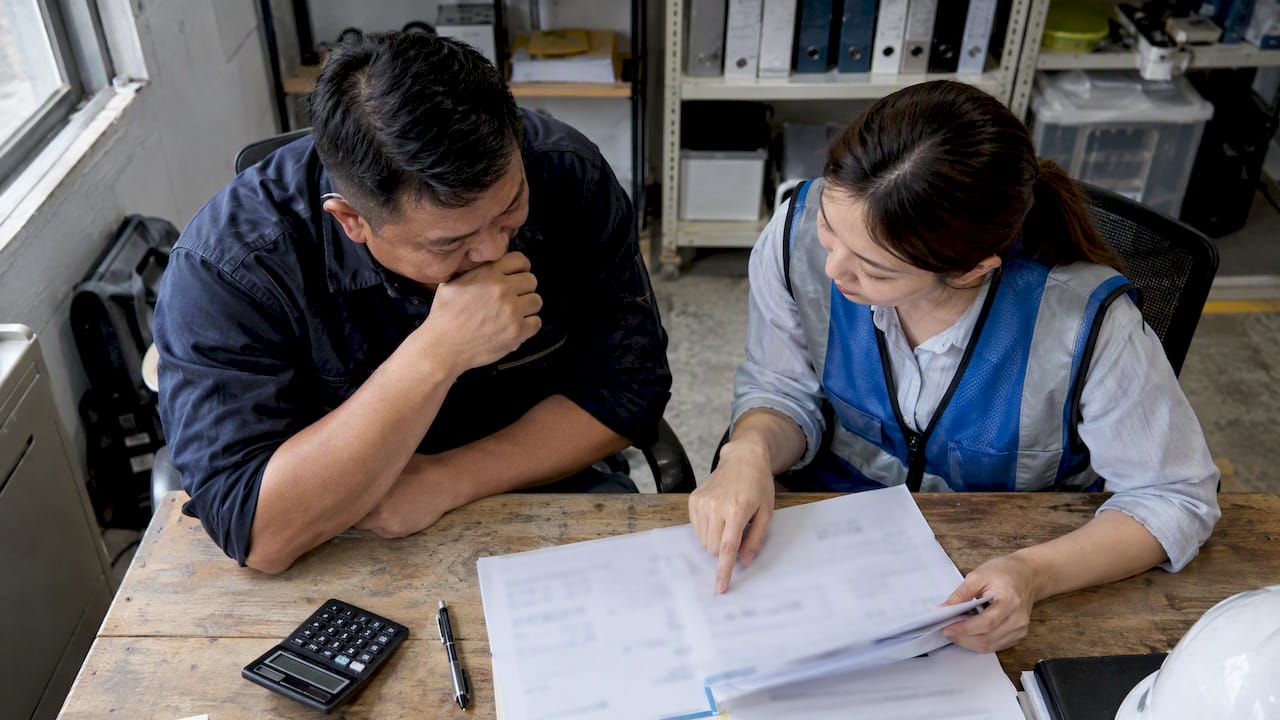

A near-miss involving a suspended load, an incomplete permit, or a subcontractor working from an outdated method statement can stop more than one task. It can delay a project, expose management to regulatory action, and damage a contractor’s standing with clients. Safety consultants help organizations identify these weaknesses before they become incidents, failed audits, or costly disruptions.
For construction and industrial businesses, external safety support is not simply an administrative resource. The right consultant brings an objective view of site conditions, regulatory obligations, documentation quality, and the practical controls needed to keep work moving safely. Their value is strongest when they are engaged early enough to influence operations, not just asked to repair deficiencies after an inspection.
What Safety Consultants Actually Do
The role of a safety consultant is broader than producing a safety manual or conducting a one-time site inspection. Effective consultants assess how work is planned, supervised, documented, and controlled. They connect regulatory requirements with the realities faced by project managers, supervisors, workers, and subcontractors.
In a construction environment, this may involve reviewing risk assessments for work at height, lifting operations, excavation, electrical work, confined spaces, and traffic management. In industrial operations, the focus may extend to machinery safeguards, hazardous substances, emergency readiness, contractor coordination, and environmental controls. The precise scope depends on the work activities, site conditions, client requirements, and local regulations.
A well-managed engagement commonly includes a gap assessment, site inspections, document reviews, corrective action planning, training support, and follow-up verification. For businesses pursuing certifications or prequalification requirements, consultants can also align these activities with the evidence needed for audits.
The objective is not to create paperwork for its own sake. It is to establish clear operational controls that supervisors can apply, workers can understand, and management can demonstrate when a client, regulator, or auditor asks for proof.
Why Internal Teams Need External Perspective
Many organizations have capable project managers and safety personnel. That does not remove the need for external guidance. Internal teams are often managing daily production demands, workforce issues, changing schedules, client coordination, and commercial pressure. Familiarity with the site can also make it easier to overlook recurring deficiencies.
An external consultant can challenge assumptions without being tied to internal reporting lines or project politics. They can examine whether a risk assessment reflects the actual work sequence, whether toolbox talks address current hazards, and whether corrective actions have been properly closed out rather than merely recorded.
This independence is especially useful before a client audit, regulatory inspection, certification assessment, or major project mobilization. It allows the business to identify weaknesses under controlled conditions instead of responding reactively when an auditor or inspector identifies them first.
There is a practical trade-off, however. A consultant who only performs high-level reviews may produce recommendations that look sound on paper but are difficult to implement in the field. The strongest safety consultants combine regulatory knowledge with direct understanding of construction and industrial operations. They recognize the difference between a technically correct procedure and a procedure that supervisors can realistically enforce during active work.
Signs Your Business May Need Safety Support
The need for a consultant is not limited to companies that have experienced a serious incident. In fact, early engagement is usually more effective and less disruptive. A business may benefit from professional support when safety responsibilities are spread across managers without a clear owner, when documentation has not kept pace with operational growth, or when the company is entering a higher-risk project.
Other common triggers include repeated observations during inspections, inconsistent controls between sites, a rise in near-misses, client requests for stronger safety credentials, or preparation for a formal management system certification. Companies also seek support when a key EHS professional leaves and the business needs interim capability while recruiting or restructuring its internal team.
Subcontractor management is another frequent concern. A principal contractor may have solid procedures, but site performance can still suffer if subcontractors submit generic risk assessments, lack competent supervision, or do not follow the agreed permit and inspection processes. External specialists can help establish prequalification standards, onboarding requirements, inspection routines, and escalation processes that create consistent expectations across the supply chain.
From Compliance Documents to Site Control
Documentation matters because it records responsibilities, hazards, control measures, and evidence of compliance. Yet documentation alone does not prevent injuries. A risk assessment stored in a shared drive has little value if the work crew has not been briefed on changing conditions, if the supervisor does not verify controls, or if the method statement does not match the activity being performed.
This is where a practical consultant adds value. They should test whether documented systems are visible in day-to-day work. For example, a review of working-at-height controls should include more than checking whether a procedure exists. It should consider access arrangements, inspection records, anchor-point suitability, rescue planning, worker competence, supervision, and changing weather or site conditions.
The same principle applies to incident reporting. A business can have a reporting form, but it also needs people to report near-misses without fear of blame, managers who investigate contributing factors, and a process for sharing lessons across projects. Without those elements, the organization may repeatedly address the visible event while missing the underlying failure.
Choosing Safety Consultants for the Right Fit
Technical qualifications and regulatory familiarity are essential, but they are not the only factors. Businesses should select consultants based on their ability to understand the work being performed and to communicate clearly with personnel at every level.
Ask how the consultant will assess the site, who will conduct the work, what deliverables will be provided, and how recommendations will be prioritized. A lengthy report can be useful, but it should distinguish urgent control failures from longer-term system improvements. Management needs a clear picture of what must be corrected immediately, what requires investment or planning, and who is accountable for each action.
Industry experience also matters. A consultant familiar with office-based safety programs may not be the right fit for a contractor managing lifting operations, temporary works, multiple trades, and rapidly changing work fronts. Likewise, a consultant working with a chemical or manufacturing operation must understand process-specific hazards, maintenance practices, and emergency scenarios.
Price should be considered in context. The lowest-cost option may deliver templates with minimal site involvement, while a more comprehensive engagement may include implementation support, worker engagement, audit preparation, and verification of corrective actions. The better choice depends on the maturity of the organization’s existing system and the level of internal capability available to carry the work forward.
Building Capability Instead of Dependency
The most useful consulting relationships strengthen the client’s internal capability. Consultants can provide specialist expertise, independent audits, documentation support, and additional EHS manpower, but managers and supervisors must still own safety performance at the worksite.
That means recommendations should be practical, assigned to responsible persons, and built into normal project routines. Daily briefings, weekly inspections, permit checks, coordination meetings, and management reviews are opportunities to turn a consulting engagement into a working system rather than a file prepared for an audit.
Training should also be connected to actual job risks. Generic awareness sessions have a place, but they are not enough when workers face specific hazards such as mobile equipment interfaces, line-of-fire exposure, temporary electrical installations, or lifting operations. Competence develops when training, supervision, observation, and feedback reinforce one another.
For organizations managing certification requirements, this approach also produces stronger audit readiness. Auditors and clients can usually distinguish between a system that was assembled shortly before an assessment and one that is being consistently applied. Records, interviews, site observations, and management actions should tell the same story.
A Practical Partner for High-Risk Work
MOSAIC Ecoconstruction Solutions supports construction and industrial organizations that need hands-on guidance across safety, environmental, and quality management. From EHS audits and documentation to certification preparation, training, Design for Safety support, and outsourced safety expertise, the focus is on helping clients turn compliance requirements into workable site controls.
The right level of support depends on the organization. A small contractor may need help establishing foundational procedures and preparing for client requirements. A larger organization may need independent audits, specialist resources for a complex project, or support closing gaps across several sites. In either case, the best results come from clearly defining the operational problem before deciding on the service scope.
A safer project is rarely created by one inspection or one policy. It is created when leaders act on findings, supervisors verify controls, and workers see that safe work is part of how the project succeeds every day.