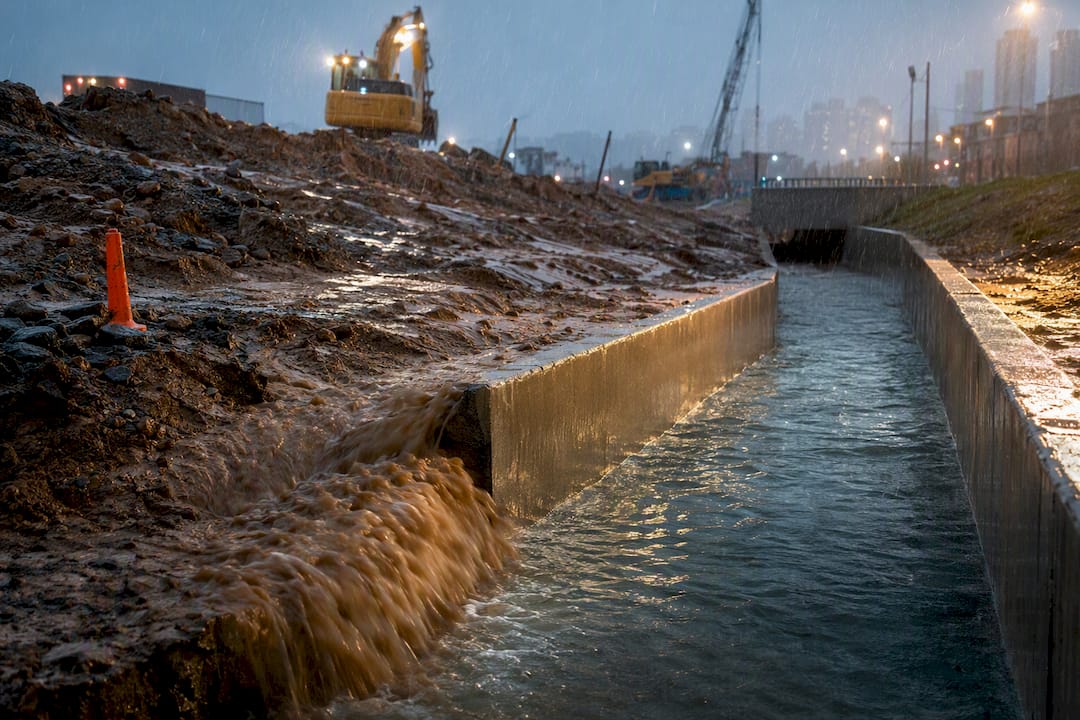

Introduction: Beyond the Hard Hat – Why WSH is a Boardroom Imperative
In 2023, Singapore achieved a landmark in workplace safety, recording its lowest-ever fatal injury rate of 0.99 per 100,000 workers.1 This milestone, a testament to years of concerted tripartite effort, briefly placed the nation among the world’s safest. However, this progress proved tragically fragile.
The rate alarmingly increased to 1.2 per 100,000 workers in 2024, with 43 lives lost in workplace accidents.4
This sharp reversal prompted Singapore’s Prime Minister Lee Hsien Loong to declare the spate of deaths “far too many, and not acceptable,” a stark reminder that in the realm of safety, complacency is a luxury no business can afford.6
These are not mere statistics; they represent a direct and urgent challenge to every business leader in Singapore, signalling that the ground gained can be quickly lost.
This report will argue that Workplace Safety and Health (WSH) is no longer a peripheral compliance issue to be delegated to a site supervisor, but a core boardroom-level concern that directly impacts financial stability, brand equity, and long-term business sustainability.
In Singapore’s highly regulated and competitive landscape, neglecting WSH is not just a failure of social responsibility; it is a critical strategic and financial miscalculation.
The consequences of such neglect manifest in severe legal penalties, crippling operational disruptions, and irreversible damage to a company’s most valuable and fragile asset: its reputation.
The core argument of this analysis is to deconstruct the pervasive and dangerous misconception that robust WSH is merely a cost to be minimized.7 Instead, this report will build a comprehensive, data-driven business case demonstrating that proactive WSH management is a powerful driver of productivity.
A mitigator of catastrophic risk, and a fundamental component of good corporate governance. It is an investment that protects not only a company’s people but also its profits.
To establish this business case, this report will navigate the full spectrum of WSH risk. It begins with a deep dive into the tangible and hidden financial costs of failure, quantifying the true price of an accident. It will then explore the often-underestimated reputational damage that can shatter customer trust and investor confidence.
Following this, the analysis will examine Singapore’s stringent legal landscape, clarifying the non-negotiable duties and severe liabilities faced by companies and their directors.
Finally, the report will pivot from risk to reward, presenting the compelling Return on Investment (ROI) of safety and providing a practical blueprint for building a resilient safety culture.
This journey will make it unequivocally clear that in the modern Singaporean economy, the bottom line is inextricably linked to the safety line.
Part I: The Unseen Balance Sheet: Quantifying the True Financial Cost of WSH Lapses
For any business leader, understanding the financial implications of operational decisions is paramount. Yet, when it comes to Workplace Safety and Health, many organizations fail to grasp the full magnitude of the costs associated with a single lapse.
The financial impact of a workplace accident is often compared to an iceberg: the visible, direct costs are significant, but they are dwarfed by the massive, hidden indirect costs lurking beneath the surface.
This section deconstructs this financial iceberg, moving beyond simplistic calculations to reveal the full, often devastating, financial exposure that results from poor WSH management.
The Tip of the Iceberg: Direct Costs and Legal Penalties
The most immediate and visible financial consequences of a WSH failure are the direct costs mandated by law and incurred in the immediate aftermath of an incident. While significant, these represent only a fraction of the total financial burden.
Escalating Fines and Penalties
The Ministry of Manpower (MOM) has unequivocally signalled its intent to use severe financial penalties as a primary deterrent against WSH negligence. The legal framework is designed to make non-compliance a costly proposition. For corporate bodies, a first offence under the main Workplace Safety and Health (WSH) Act can attract a maximum fine of S500,000.[9]
For individuals,including senior managers and directors, the penalty can be a fine of up to S200,000, imprisonment for up to two years, or both.9 For repeat corporate offenders, the maximum fine doubles to a staggering $1 million, demonstrating the state’s zero-tolerance policy for persistent negligence.10
Recent regulatory changes have further sharpened these financial teeth. As of 1 June 2024, the maximum fines for breaches of WSH Act Subsidiary Legislation—which cover specific high-risk areas like construction, work at height, and machinery safety—were increased from S20,000toS50,000 for offences that could lead to serious harm or death.12
This proactive increase aims to penalize unsafe conditions before an accident occurs, shifting the focus from reaction to prevention.
These penalties are not abstract threats. The courts have consistently imposed substantial fines that underscore the gravity of these offences. In one notable case, a company and its director were fined S200,000andS100,000 respectively following a workplace fatality, marking one of the highest fines for a single charge under the Act.15
In another, a sole proprietor was personally fined a record S$140,000 for his role in a fatal unsafe lifting operation.16 These cases send a clear message to the business community: the financial liability for WSH failures extends directly to the individuals in charge.
Mandatory Work Injury Compensation Act (WICA) Payouts
Beyond regulatory fines, the Work Injury Compensation Act (WICA) establishes a no-fault system that legally obligates employers to compensate employees for work-related injuries or occupational diseases.17 This system is designed to provide swift financial support to affected workers without the need for lengthy and costly civil litigation.17
Under WICA, employers are mandated to procure and maintain work injury compensation insurance for all employees performing manual work (regardless of salary) and for all non-manual workers earning S$2,600 or less per month.20 Failure to do so is a serious offence. The compensation payable under WICA is substantial and covers three main areas:
- Medical Expenses: Up to a limit of S45,000orforoneyearfromthedateoftheaccident,whichevercomesfirst.ThislimitissettoincreasetoS53,000 from 1 November 2025.18
- Medical Leave Wages: Calculated based on the employee’s average monthly earnings for the period of doctor-certified medical leave or light duty.18
- Lump Sum Compensation: For permanent incapacity or death, with maximum payouts currently set at S289,000andS225,000 respectively. These limits will also increase significantly in 2025 to S346,000forpermanentincapacityandS269,000 for death.18
While insurance covers these payouts, a high claims history will inevitably lead to increased annual premiums, turning a one-time incident into a recurring financial drain.
Associated Costs
The initial financial bleed also includes a range of associated costs. These encompass legal fees for defending against prosecution, the administrative burden of managing complex investigations and insurance claims, and the costs of engaging third-party auditors or implementing extensive remedial actions as mandated by MOM to lift a Stop-Work Order.22
The Hidden Leviathan: Unpacking the Staggering Indirect Costs
The direct costs, while severe, are merely the visible tip of the financial iceberg. The true economic devastation of a WSH incident lies in the vast and often unquantified indirect costs that ripple through an organization. Global research suggests these hidden costs can be anywhere from four to ten times greater than the direct costs.24
This is not just a theoretical model; it has been validated in the Singaporean context. A landmark 2011 study on the economic cost of work-related injuries and ill-health in Singapore arrived at a staggering figure: S$10.45 billion, equivalent to 3.2% of the nation’s GDP for that year.26
This comprehensive figure, which includes costs borne by employers, workers, and the community, provides a powerful macro-level confirmation of the immense scale of these hidden costs.
For business leaders, the most critical finding was that employers directly shouldered S$2.31 billion (22.1%) of this burden, a figure that does not even account for the full spectrum of reputational damage and lost opportunities.26
Lost Productivity and Business Disruption
This is often the largest and most damaging category of indirect costs. A serious incident brings operations to a grinding halt.
- Work Stoppages: Whether voluntary, for internal investigation, or mandated by a MOM-issued Stop-Work Order, any halt in operations means a direct stop to revenue generation.22 For a construction project, this can lead to massive penalties for missing deadlines.
- Investigation and Administrative Time: Countless hours are diverted from productive work to incident investigation, liaising with authorities like MOM, managing insurance paperwork, and attending internal and external meetings.27
- Damaged Assets: Workplace accidents often involve damage to expensive machinery, equipment, or property, requiring costly repairs or replacement and causing further operational delays.27
- Workforce Demoralization: The impact on the remaining workforce is profound. Witnessing a traumatic event or losing a colleague creates an atmosphere of fear, stress, and anxiety. This psychological toll directly translates into lower morale, reduced focus, and a significant drop in overall productivity.25
Human Capital Costs
A company’s most valuable asset is its people, and WSH failures inflict deep and lasting damage on this human capital.
- Recruitment and Retraining: When an employee is lost to a serious injury or chooses to leave a workplace they perceive as unsafe, the company incurs substantial costs to recruit, hire, and train a replacement.26
- Overtime and Temporary Staffing: The workload of an absent employee must be covered, often through overtime pay for existing staff or the hiring of less-efficient temporary workers, both of which increase labour costs.25
- Loss of Experience: The departure of a skilled, veteran employee represents a significant drain of institutional knowledge and expertise that cannot be easily replaced, impacting quality and efficiency for a long time.30 Studies have shown a clear link between a poor workplace safety environment and lower employee retention rates.31
Increased Insurance Premiums
Work Injury Compensation insurance, like most business insurance, is experience-rated. A history of accidents and claims sends a clear signal to insurers that a company is a high-risk client.
This results directly in higher annual premiums, a recurring cost that eats into the bottom line for years after the incident itself.20
The national WSH 2028 strategy explicitly aims to formalize this link by sharing work injury compensation claims data with the insurance industry, ensuring that premiums are more accurately differentiated according to the WSH performance of a firm.7
This policy shift transforms insurance from a simple compliance cost into a market-based mechanism that financially penalizes poor safety performers.
Barriers to Business
The consequences can extend to restricting a company’s very ability to operate and grow. Following serious safety lapses, MOM has the power to bar companies from hiring new foreign workers for up to three months.33
For businesses in labour-intensive sectors like construction and manufacturing, this is a potentially crippling penalty that can halt projects and prevent the company from taking on new work.
The government’s strategy is clear and multifaceted. By increasing fines, enabling market-based insurance differentiation, and imposing contractual barriers, the regulatory framework is deliberately designed to make poor WSH financially unsustainable.
The objective is to force a paradigm shift in the boardroom, moving WSH from a line item in the compliance budget to a core business risk that is impossible for any financially prudent leader to ignore. The S$10.45 billion economic cost study provides more than just a headline number; it offers a validated framework for any company to model its own potential losses.
By understanding the structure of these costs, a business leader can move beyond abstract risk and begin to calculate a company-specific “Total Cost of Incident.” This metric is far more powerful for justifying strategic safety investments than merely pointing to the threat of a fine, as it internalizes the full, devastating financial reality of a WSH failure.
Table 1: The WSH Cost Iceberg: Direct vs. Indirect Financial Impacts
To provide a clear, at-a-glance visualization of the full financial exposure from a WSH incident, the following table breaks down the direct (visible) and indirect (hidden) costs.
| Cost Category | Description | Example Financial Impact |
| Direct Costs (Visible Tip of the Iceberg) | ||
| Fines & Penalties | Fines imposed by MOM for breaches of the WSH Act and its subsidiary legislation. | S2,000toS500,000+ per offence.9 |
| WICA Payouts | Mandatory compensation for medical expenses, lost wages, and permanent incapacity or death. | Up to S45,000inmedicalcostsandS289,000 in lump sum payments per employee.18 |
| Legal Fees | Costs associated with legal representation during investigations and court proceedings. | Can range from thousands to tens of thousands of dollars. |
| Emergency Response | Immediate costs for medical services, site cleanup, and securing the incident area. | Varies based on incident severity. |
| Indirect Costs (Hidden Bulk of the Iceberg) | ||
| Lost Productivity | Downtime from work stoppages, incident investigations, and reduced employee morale. | Can lead to significant revenue loss and project delays. |
| Business Interruption | Missed deadlines, contractual penalties, and inability to take on new projects. | Potential loss of entire contracts worth millions. |
| Increased Insurance Premiums | Higher annual premiums for WICA and other business liability insurance due to poor claims history. | A recurring cost increase that impacts profitability for years.33 |
| Recruitment & Retraining | Costs to hire and train replacements for injured or departed employees. | S$22,000+ per skilled worker, based on case estimates.26 |
| Equipment/Property Damage | Cost to repair or replace machinery, tools, or facilities damaged in the incident. | Can range from minor repairs to complete asset replacement. |
| Reputational Damage | Loss of customer trust, negative media coverage, and difficulty attracting talent. | Leads to lost sales, reduced market share, and higher recruitment costs.25 |
Part II: The Fragile Asset: How Poor WSH Shatters Corporate Reputation
While the financial costs of a workplace safety failure can be itemized on a balance sheet, the damage to a company’s reputation is an intangible wound that can be far more debilitating and difficult to heal. In today’s hyper-connected and socially conscious world, corporate reputation is a critical asset, painstakingly built over years but capable of being shattered in an instant.
A serious WSH incident is no longer a private corporate matter; it is a public event with far-reaching consequences that can erode customer trust, repel top talent, and close doors to future business opportunities.
Trial by Public Opinion: Brand Damage in the Digital Age
The modern media landscape has fundamentally changed the stakes of a WSH crisis. News of a workplace fatality or a serious accident can be disseminated globally within minutes through social media, online news portals, and activist networks.34
This instantaneous reach means that a company’s failure is put on trial in the court of public opinion, where the verdict is often swift and harsh.
Erosion of Customer Trust and Brand Image
A company’s brand is a promise of quality, reliability, and competence. A significant safety failure directly contradicts this promise. Customers and the public inevitably question the ethics and operational integrity of a business that cannot ensure the basic safety of its own people.19 This erosion of trust can manifest in several damaging ways:
- Customer Churn and Lost Sales: A tarnished reputation can lead directly to lost sales and customer defection.25 Clients may choose to take their business to competitors they perceive as more ethical and reliable.
- Negative Brand Association: The brand becomes associated with negligence and harm. This is particularly damaging in an environment where consumers are increasingly making purchasing decisions based on corporate values. Research shows that an overwhelming 91% of Singaporean consumers believe it is important for advertisements to be placed in an appropriate and safe content environment; a safety scandal creates a toxic context that devalues all marketing efforts.36
- The Power of Perception: Conversely, a visible commitment to safety can bolster brand image. Studies have shown that something as simple as a professional, safety-oriented uniform can measurably increase customer trust and perception of professionalism.37
A real-world example illustrates this impact clearly. Following safety breaches that led to fines and Stop-Work Orders, the project director of one of the affected firms, CAD Associates, admitted publicly, “I think our business has definitely been affected, but we have to communicate with our clients that we are trying to improve.
There is no point for us to hide anything”.23 This is a direct acknowledgement from a business leader of the tangible business and client-facing consequences of reputational damage.
Furthermore, the case of a company being stripped of a prestigious WSH award after it was discovered to have falsified its injury records demonstrates a deeper reputational threat.38
This incident created a dual crisis of both safety and integrity. It showed that the perception of safety is a valuable commodity that companies will compete for, and that being caught in a lie about it causes profound and lasting damage to a company’s credibility.
The War for Talent: Why a Safe Workplace is a Key Recruitment and Retention Tool
In Singapore’s competitive and often tight labour market, a company’s reputation as an employer is a critical factor in its ability to attract and retain the skilled talent needed to thrive. A poor safety record is one of the most powerful deterrents for potential employees and a significant driver of turnover among existing staff.
Employer of Choice vs. Employer of Last Resort
A safe and healthy work environment is not a perk; it is a fundamental expectation and a cornerstone of employee well-being.29 Companies with a known history of accidents or a culture that disregards safety will struggle to attract top-tier candidates, who have a choice of where to work.
They risk becoming an employer of last resort, attracting only those who have no other options, which can lead to a downward spiral in skill level and quality.
Impact on Morale, Loyalty, and Turnover
For the existing workforce, a workplace perceived as unsafe is a source of chronic stress, low morale, and disengagement.25 This has direct consequences for the business:
- Employees who do not feel cared for or protected by their employer have little reason to be loyal. They are far more likely to leave at the first opportunity, leading to higher employee turnover and the associated costs of recruitment and retraining.30
- A strong safety culture, on the other hand, is a powerful retention tool. It fosters a sense of psychological safety, trust, and mutual respect. Employees who feel that their well-being is a genuine priority are more likely to be satisfied, engaged, and committed to the organization’s success.19
The WSH Act itself empowers this dynamic by giving employees the legal right to refuse unsafe work and to report hazardous conditions without fear of reprisal.39 A company that develops a reputation for having a poor safety record, or for retaliating against those who speak up, will find itself ostracized by the very workforce it needs to operate.
Closing Doors: The Contractual and Investor Costs of a Bad Safety Record
The reputational fallout from poor WSH performance extends beyond public perception and employee relations; it has direct and severe consequences in the corporate and financial worlds, effectively closing doors to growth and investment.
Disqualification from High-Value Contracts
This is one of the most tangible impacts of a bad safety record. In Singapore, WSH performance is increasingly a formal criterion in procurement and tendering processes.
- Public Sector Disqualification: The government’s WSH 2028 strategy explicitly includes the adoption of harmonised criteria by all public-sector developers to disqualify unsafe construction firms from their projects.7 This means a poor safety record can lock a company out of a significant portion of the market.
- Transparency through CheckSafe: MOM’s CheckSafe eService is a public portal that allows potential clients and partners to vet a company’s WSH performance and history.40 This transparency means a company’s safety record is no longer a private matter but a public credential that is easily scrutinized.
- Private Sector Requirements: The trend is not limited to the public sector. A growing number of large private corporations and major projects now mandate that their contractors and suppliers achieve a certain level of bizSAFE certification, a national WSH capability-building program.41 A company without this certification is simply ineligible to bid for these valuable contracts.
Erosion of Investor Confidence
In the world of corporate finance, investors, lenders, and insurers are increasingly sophisticated in their assessment of risk. Poor WSH performance is no longer seen as a minor operational issue but as a clear indicator of weak corporate governance and inadequate operational risk management.35
- A major incident can have a direct, negative impact on a publicly-listed company’s stock price and market capitalization as investors question the company’s stability and future earnings potential.35
- It signals to the investment community that the company’s leadership is not effectively managing foreseeable and material risks. This can deter institutional investment, make it more difficult to secure financing, and potentially increase the cost of capital.
A single WSH incident can trigger a devastating cascade of reputational failures. It begins with public and media scrutiny, which damages customer trust and hurts sales. This, combined with the now-public poor safety record, deters top talent and increases operational costs through turnover.
This multi-front failure then becomes visible to clients and investors, who use public tools like CheckSafe and tender requirements like bizSAFE to exclude the company from opportunities, strangling revenue streams. The government is actively facilitating this process by weaponizing reputation as a regulatory tool.
By making WSH performance data public and transparent, it creates a market ecosystem where a good reputation is a tangible asset and a poor one is a significant liability.
Companies are thus incentivized to improve safety not merely to avoid a government fine, but to win contracts, attract the best people, and maintain the confidence of the entire business community.
Part III: The Rule of Law: Navigating Singapore’s Stringent WSH Legal Framework
In Singapore, Workplace Safety and Health is not a matter of voluntary best practice; it is codified in a comprehensive and stringent legal framework designed to hold all parties accountable. At the heart of this framework is the Workplace Safety and Health Act 2006, a landmark piece of legislation that fundamentally shifted the nation’s approach to occupational safety.
For any business leader, a thorough understanding of these legal obligations is non-negotiable. Ignorance of the law provides no defence, and the consequences of non-compliance—for both the corporation and its directors personally—can be severe.
A Web of Shared Responsibility: Key Duties Under the WSH Act
The WSH Act, which replaced the outdated, prescriptive Factories Act in 2006 43, is built on three guiding principles: reducing risks at the source, instilling greater ownership of safety outcomes, and preventing accidents through higher penalties.43
Its most significant innovation is the establishment of a “web of shared responsibility,” a legal doctrine that extends safety duties beyond the employer to encompass every stakeholder in a work process.39 This structure is designed to close safety gaps by creating overlapping and interlocking duties, forcing collaboration and due diligence up and down the entire supply chain.
Duties of Key Stakeholders
The Act clearly delineates the legal duties of various parties, ensuring that responsibility cannot be easily delegated or ignored:
- Company Directors and Employers: These parties bear the primary and most extensive duty. They are legally required to take all “so far as is reasonably practicable” measures to ensure the safety and health of their employees and any other person who may be affected by their business undertaking.9 This broad duty encompasses a wide range of specific obligations, including:
- Providing and maintaining a safe work environment and safe systems of work.
- Ensuring machinery, equipment, and substances are safe.
- Providing adequate instruction, training, and supervision.
- Developing and implementing procedures for emergencies.9
The national WSH 2028 strategy further aims to sharpen this focus on leadership accountability by introducing an Approved Code of Practice specifically on the WSH duties of company directors, making their obligations even more explicit.7
- Principals: A principal (a party who engages a contractor) cannot outsource their safety responsibilities. The Act makes it clear that principals have a duty to ensure the safety of their contractors and any subcontractors engaged by them.10 This means they are legally required to take steps to ensure that the contractors they hire are competent and have implemented adequate safety measures.
- Occupiers: The occupier of a workplace (such as a building owner or a tenant in control of the premises) has a duty to ensure that the physical premises, including all means of access and egress, are safe and without risk to every person within those premises, whether they are an employee or not.9
- Employees: Responsibility flows down to the individual worker. Employees have a legal duty to take reasonable care of their own safety and the safety of others. This includes adhering to all safety procedures, correctly using any provided Personal Protective Equipment (PPE), and not engaging in any act that could endanger themselves or others. A negligent act by an employee that endangers safety can result in personal prosecution, with fines and potential imprisonment.10
The Centrality of Risk Management
A cornerstone of the entire WSH Act is the WSH (Risk Management) Regulations. This subsidiary legislation makes it a mandatory legal requirement for every employer, self-employed person, and principal to conduct a comprehensive Risk Assessment (RA) for all work activities.43
This is not a mere paperwork exercise; it is the fundamental process of proactively identifying hazards, evaluating the associated risks, and implementing effective control measures
before any work begins. A failure to conduct a proper and adequate Risk Assessment is one of the most common root causes of workplace accidents and is a key focus of MOM investigations and subsequent prosecutions.15
The Weight of the Law: Enforcement, Prosecutions, and Director Liability
The legal duties outlined in the WSH Act are backed by significant enforcement powers and a history of rigorous prosecution.
MOM’s Enforcement Powers
The Ministry of Manpower’s Occupational Safety and Health Division (OSHD) is the primary enforcement agency. Its inspectors are vested with extensive powers under the Act, including the authority to enter and inspect any workplace, take samples, and interview personnel.47
Most significantly, they have the power to issue Remedial Orders to correct specific safety lapses and, in cases of imminent danger, to issue Stop-Work Orders (SWOs), which can halt all or part of a company’s operations until the dangerous conditions are rectified.22 An SWO can have a devastating impact on project timelines and profitability.
Prosecution and Penalties in Practice
The penalties prescribed in the Act are not just theoretical maximums; they are actively applied by the courts. A review of past cases reveals a clear pattern of holding both companies and individuals accountable for safety failures.
- Case Study 1: Director Negligence and Failure of Risk Assessment 15:
In a case involving a fatality during the unloading of glass crates, both the company and its director were convicted and heavily fined. The MOM investigation revealed that the unloading method was inherently unsafe and that management was aware of the hazard of the crates toppling. Their critical failure was the lack of a proper risk assessment and the failure to establish and implement a safe work procedure. This case directly illustrates that awareness of a risk without taking reasonably practicable steps to control it constitutes a serious breach of the Act, with liability extending to the director level. - Case Study 2: Systemic Safety Failures 16:
A sole proprietor was fined S$140,000 following a fatal lifting incident. The investigation uncovered a cascade of failures: the lifting chain used was faulty and uncertified, the workers involved were not trained or certified for lifting operations, and there was no appointed lifting supervisor, rigger, or signalman, nor was there a lifting plan. This case demonstrates that a systemic breakdown of established safety procedures, especially for high-risk activities, will be met with severe penalties. It highlights the employer’s absolute responsibility to ensure that systems, equipment, and personnel are all compliant with regulations.
The Inadmissibility of Ignorance
A crucial takeaway for every business leader is that the legal framework is structured to make ignorance or delegation of WSH duties an invalid defence. The focus on the duties of principals, for example, is specifically designed to prevent companies from simply hiring a contractor and washing their hands of the associated risks.
By placing legal duties on parties throughout the supply chain, the law compels a proactive approach to safety management.
The impending Approved Code of Practice for company directors 7 will further solidify this principle, codifying the expectation that leadership must be actively engaged, knowledgeable, and ultimately accountable for the state of safety within their organization and its operations.
This transforms WSH from a functional, operational issue into a fundamental matter of corporate governance, on par with financial oversight and legal compliance. A board of directors that is not actively overseeing WSH risk is, under this evolving framework, failing in its core fiduciary duty to manage material risks to the company.
Table 2: Key Stakeholder Duties under Singapore’s WSH Act
This table provides a simplified summary of the core responsibilities for different parties under the WSH Act, translating the legal text into an accessible format for business leaders.
| Stakeholder | Key Responsibilities (as per WSH Act) | Example of a Breach |
| Company Director / Employer | To take all “so far as is reasonably practicable” measures to ensure the safety and health of employees and others affected by their work.46 This includes providing safe systems of work, adequate training and supervision, and conducting thorough Risk Assessments.46 | Failing to develop, implement, and enforce a Safe Work Procedure for a high-risk task like working in a confined space, leading to an accident. |
| Principal | To take reasonably practicable measures to ensure the safety and health of any contractor, direct or indirect subcontractor, and their employees when they are at work.10 | Hiring the cheapest contractor for a critical task without performing due diligence on their safety record, training certifications, or bizSAFE status. |
| Occupier | To ensure the workplace premises, including all means of access to or egress from it, are safe and without risk to health for every person within those premises.46 | Failing to repair a known damaged staircase or provide adequate lighting in a common corridor, resulting in a trip-and-fall injury to a visitor. |
| Employee | To take reasonable care for their own safety and for that of others; to cooperate with the employer; to correctly use any provided PPE; and not to wilfully or recklessly interfere with or misuse anything provided for safety.39 | Wilfully removing a safety guard from a piece of machinery to work faster, endangering themselves and colleagues. |
| Manufacturer / Supplier | To ensure that any machinery, equipment, or hazardous substance they manufacture or supply for use at work is safe when properly used. They must provide relevant information on health hazards and safe use.46 | Supplying a chemical solvent to a workplace without providing an up-to-date Safety Data Sheet (SDS) that details its hazards and safe handling procedures. |
Part IV: From Cost Centre to Value Driver: The Compelling Business Case for WSH Excellence
For too long, many businesses have viewed Workplace Safety and Health through the narrow lens of compliance—a necessary cost to be managed and minimized. This perspective is not only outdated but also fundamentally flawed. It misses the profound opportunity that lies within a robust safety culture.
This section pivots the discussion from risk and cost avoidance to value creation and strategic advantage. It presents the compelling business case for WSH excellence, demonstrating that investing in safety is not a drain on resources but a powerful driver of productivity, efficiency, and tangible financial returns.
The Productivity Dividend: How Safety Boosts Efficiency and Morale
The most persistent myth in operations management is the idea of a trade-off between safety and productivity. The argument is that safety procedures are cumbersome and slow down work. The reality, as demonstrated by leading companies and research, is precisely the opposite: a safe workplace is a productive workplace.8
- Seamless and Efficient Operations: Well-designed safe work processes are inherently more efficient. They are predictable and methodical, with fewer unplanned interruptions from incidents, near-misses, equipment failures, or stop-work orders. This operational stability allows for smoother workflows and more reliable project timelines.
- Engaged and Motivated Workforce: The psychological impact of a safe environment cannot be overstated. Employees who feel genuinely cared for and protected by their employer are more likely to be engaged, focused, and motivated. This positive morale translates directly into higher quality work, greater attention to detail, and improved output.29
- A Stable, Experienced Team: As established in Part II, a safe workplace significantly reduces employee turnover and absenteeism.28 This results in a more stable, experienced, and knowledgeable workforce, which is the bedrock of sustained productivity. Less time is wasted on recruiting and training new staff, and the collective skill level of the team remains high.
The link between safety investment and productivity gains is not merely theoretical. A compelling case study comes from NatSteel, a metalworking company in Singapore.8
The company identified a manual handling task—removing 5,000 steel bars by hand daily—that posed ergonomic risks like back and shoulder pain. They invested over S$100,000 in an AI-powered system and a robotic arm to automate the task.
The result was twofold: the safety risk was engineered out of the process, and productivity at that station improved by an estimated 25%. This is a perfect, quantifiable example of a single investment delivering both a safety and a productivity dividend.
Similarly, the use of technology like AI-powered video analytics for safety monitoring can free up supervisors’ time from tedious manual oversight, allowing them to focus on higher-value activities like coaching and process improvement.8
Calculating the ROI of Safety: A Framework for Justifying Investment
To secure buy-in from the C-suite and board, WSH professionals and business leaders must shift the conversation from “How much does safety cost?” to “What is the return on our safety investment?”.7
By framing safety initiatives in the language of ROI, it becomes a strategic business decision rather than just an operational expense.
A practical framework for calculating this ROI is straightforward:
- Quantify the Investment (Cost): This is the total upfront and ongoing cost of the safety initiative. It could be the price of new engineering controls (like NatSteel’s robotic arm), the cost of a comprehensive training program, a subscription to a safety technology platform, or the fees for a WSH consultant.
- Quantify the Return (Gains): The return is primarily calculated by quantifying the avoided costs that were detailed in Part I of this report, combined with any direct productivity gains.
- Reduced Direct Costs: This includes measurable reductions in WICA insurance premiums over time, as well as the avoided costs of potential fines and legal fees.
- Reduced Indirect Costs: This requires tracking key metrics. For example, one can calculate the financial value of a reduction in the Lost Time Injury Rate (LTIR), the cost savings from a lower employee turnover rate, or the value of avoiding contractual penalties for project delays.
- Productivity Gains: This includes quantifiable improvements in output, efficiency, or speed, such as the 25% productivity boost seen by NatSteel.8
- Calculate the ROI: The formula is simple:
ROI=Total Investment(Total Gains−Total Investment)×100%
The returns on such investments can be substantial. Studies have shown that ergonomic programs, which prevent costly musculoskeletal injuries, can generate returns of over 10:1.30 Real-world case studies from the safety industry provide further proof.
Harmon Construction, for instance, implemented a safety training program that led to a reduction in its Total Recordable Incident Rate (TRIR) from 4.4 to 1.7—a massive decrease in incidents and their associated costs.57
In another example, cold storage provider Americold Logistics implemented an AI-based safety intelligence platform and achieved a 77% reduction in injuries in less than a year, generating significant savings.30
Vision Zero in Practice: Case Studies of Singaporean Companies Winning with Safety
The ultimate goal of a world-class WSH program is “Vision Zero”—a mindset, championed from the very top of the organization, that all workplace injuries and instances of ill-health are preventable.56 This is not an idealistic slogan but a practical and achievable business strategy.
Several Singaporean companies exemplify this philosophy, demonstrating how a deep commitment to safety becomes a source of competitive advantage.
- Manufacturing Success: Amgen Singapore Manufacturing 59:
This leading biotechnology company showcases a holistic “Actively Caring” culture. Their commitment extends beyond physical site safety to include the ergonomic well-being of employees working from home, providing assessments and equipment to mitigate risks. They also address the mental and emotional health of their workforce through care packs and family-oriented virtual activities. This comprehensive approach to well-being builds profound employee loyalty and positions Amgen as a top-tier employer, which is a powerful tool for reducing turnover and attracting the best talent in a highly skilled industry. - Construction Success: Asiabuild Construction 59:
Asiabuild directly confronts and refutes the false dichotomy of “profit versus safety,” articulating that true business sustainability requires dedicated investment in WSH. They embed this belief into their corporate structure by making safety a Key Performance Indicator (KPI) in staff performance appraisals, ensuring it is treated as a core business metric. Critically, they embrace technology not as an afterthought but as a foundational tool, using Building Information Modelling (BIM) to design safety into their construction processes from the earliest planning stages, preventing hazards before they can even manifest on site. - Logistics Success: SMRT 60:
Singapore’s public transport operator demonstrates a sophisticated understanding of modern safety leadership. By aspiring to be the “Queen Bee of Safety” in its sector, SMRT extends its influence beyond its own employees. It has established an SMRT-Contractor Safety Community of Practice to actively partner with its contractors, share best practices, and collectively uplift the safety standards of its entire ecosystem. This strategic move shows that the most advanced companies do not view safety in isolation. They recognize their legal and operational entanglement with their supply chain and proactively work to strengthen it. This not only mitigates their own legal and reputational risks under the WSH Act’s duties for Principals but also builds a more resilient, reliable, and efficient network of partners, turning a compliance requirement into a strategic advantage.
These cases reveal that the most successful companies do not treat WSH as a separate, siloed program. They integrate it into the very fabric of their operational excellence strategy.
They do not simply layer safety rules on top of existing processes; they re-engineer their processes to be inherently safer and more efficient. The remarkable ROI of safety comes from this powerful synergy, not just from the passive avoidance of accidents.
Part V: Building a Resilient Safety Culture: A Practical Blueprint for Singaporean Businesses
Understanding the risks and recognizing the business case for safety are the essential first steps. However, to translate this understanding into tangible results, business leaders need a practical, actionable blueprint. This final section provides that blueprint, moving from the “why” to the “how.”
It outlines the fundamental processes, national programs, and technological tools that Singaporean businesses can leverage to build a robust and effective WSH management system that protects both people and profits.
The Foundation: Mastering the Risk Assessment and Control Process
The non-negotiable heart of any effective WSH program is the Risk Assessment (RA). This is not just a best practice; it is a legal mandate under Singapore’s WSH (Risk Management) Regulations.46
Every employer is required to conduct a suitable and sufficient RA for all work activities. This assessment must be reviewed at least once every three years, or more frequently if there is an accident or near-miss, a significant change in work processes, or when new information about a WSH risk becomes available.61
A Step-by-Step Guide to Effective Risk Assessment
A robust RA process involves four key stages:
- Preparation: The process should begin by appointing a multidisciplinary RA team. It is a common mistake to leave this critical task to a single safety officer. The team should include managers, supervisors, and frontline workers who have intimate knowledge of the tasks being assessed.61
- Hazard Identification: The team must systematically identify all potential hazards associated with a work activity. This involves considering a wide range of categories, including physical (e.g., noise, heat), mechanical (e.g., moving parts), chemical, and ergonomic hazards. Crucially, this process must now also include psychosocial hazards such as excessive workload, workplace stress, and harassment, recognizing the growing importance of mental well-being as a WSH priority.45
- Risk Evaluation: Once hazards are identified, the team must evaluate the risk associated with each one. The standard method involves using a risk matrix to assess two factors: the Severity of the potential harm and the Likelihood of that harm occurring. These factors are often multiplied to generate a Risk Priority Number (RPN), which allows for the prioritization of hazards that pose the greatest danger.45
- Risk Control: For each identified risk, the team must determine and implement appropriate control measures. The selection of these measures should be guided by the Hierarchy of Control.
The Hierarchy of Control in Practice
The Hierarchy of Control is a fundamental concept in WSH that regulators and auditors expect to see applied in every RA. It prioritizes control measures from most to least effective.61 A company’s true commitment to safety can often be judged by where on this hierarchy its typical control measures fall.
- Elimination (Most Effective): This involves physically removing the hazard from the workplace. It is the most effective control measure because the risk is completely removed. Example: Designing a process so that a toxic chemical is no longer required.
- Substitution: This involves replacing the hazard with a safer alternative. Example: Using a water-based, non-flammable adhesive instead of a solvent-based one.
- Engineering Controls: These are physical changes to the workplace that isolate people from the hazard. Example: Installing machine guards, sound-proof enclosures, local exhaust ventilation systems, or automating a dangerous task with robotics, as seen at NatSteel.8
- Administrative Controls: These are changes to the way people work, such as implementing Safe Work Procedures (SWPs), job rotation to limit exposure, and installing warning signs.
- Personal Protective Equipment (PPE) (Least Effective): This involves protecting the worker with equipment like safety glasses, gloves, or respirators. PPE is considered the last line of defence and should only be used when all other control measures are not reasonably practicable, or to manage any residual risk that remains after higher-level controls have been implemented.39 Relying primarily on PPE is often a sign of a weak safety culture.
Leveraging National Programmes: Your Guide to bizSAFE and Government Support
The Singapore government, through the WSH Council, provides significant support to help companies, especially Small and Medium Enterprises (SMEs), build their safety capabilities. The flagship initiative is the bizSAFE program.
What is bizSAFE?
bizSAFE is a nationally recognised, five-level capability-building program designed to provide companies with a clear, step-by-step pathway to improving their WSH standards.41
Why bizSAFE Matters to Your Business
Achieving bizSAFE certification is more than just getting a certificate; it delivers tangible business benefits:
- Demonstrates Compliance: Achieving bizSAFE Level 3 provides third-party audited proof that a company has implemented a Risk Management system that complies with the legal requirements of the WSH (Risk Management) Regulations.41
- Unlocks Business Opportunities: bizSAFE certification is increasingly a mandatory prerequisite for securing contracts and tenders, particularly with government agencies and large corporations who use it as a baseline standard for their suppliers and contractors.41
- Enhances Corporate Branding: The bizSAFE logo is a recognized mark of a responsible business. Displaying it signals to clients, partners, and potential employees that the company is committed to safety and health.41
- Provides Access to Resources: Companies in the bizSAFE community gain access to a range of benefits, including complimentary WSH assistance programs, invitations to exclusive forums, and participation in learning journeys to exemplary companies.41
Table 3: The bizSAFE Journey: A Step-by-Step Guide to Certification
The five-level structure of bizSAFE provides a clear and manageable roadmap for companies to progressively build their WSH capabilities.
| Level | Key Requirement | Who Needs to Act | Outcome |
| Level 1 | The company’s CEO or a member of top management must attend a half-day “bizSAFE Workshop for CEOs/Top Management.” | CEO / Director / Top Management | Demonstrates top management commitment. The company develops and endorses a formal WSH policy.41 |
| Level 2 | The company must nominate a Risk Management (RM) Champion to attend a two-day “Workplace Safety and Health Control Measures” course. | Nominated RM Champion | The company acquires the knowledge and skills to conduct risk assessments and develop a comprehensive Risk Management plan.41 |
| Level 3 | The company must implement the Risk Management plan developed in Level 2 and have it audited by an approved third-party WSH auditor. | Approved WSH Auditor | The company is certified as compliant with the WSH (Risk Management) Regulations, a key legal requirement.41 |
| Level 4 | The company must nominate a WSH Management System (WSHMS) Programme Leader to attend a four-day course on developing and managing a WSHMS. | Nominated WSHMS Leader | The company gains the capability to implement a comprehensive and systematic approach to managing WSH across the organization.41 |
| bizSAFE STAR | The company must obtain certification to a recognized WSH management system standard, such as Singapore Standard SS 651 or ISO 45001, from an accredited certification body. | Approved WSH Auditor / Certification Body | The company achieves the highest level of bizSAFE recognition, demonstrating a robust, internationally recognized WSH management system.41 |
For a large corporation, mandating a certain level of bizSAFE certification (typically Level 3) for its contractors is a highly efficient and legally defensible strategy. It operationalizes their duty as a Principal under the WSH Act by ensuring their partners meet a minimum, audited standard of risk management, thereby de-risking their entire supply chain.
The Future is Safe: Integrating Technology for Proactive WSH Management
The national WSH 2028 strategy places a strong emphasis on leveraging technology as a key enabler to solve persistent safety challenges and create safer work environments.7
Key Technological Applications
- Monitoring and Surveillance: AI-powered video analytics systems are becoming increasingly common. These systems can monitor a worksite in real-time to detect unsafe acts (e.g., a worker at height without a harness) or unsafe conditions (e.g., a blocked fire exit) and send immediate alerts to supervisors.8 Recognizing their effectiveness, the government has made Video Surveillance Systems (VSS) mandatory for all construction projects with a contract sum of S$5 million and above from June 2024.12
- Removing Workers from Harm’s Way: Technology can be used to perform tasks in hazardous environments, removing the human element from the risk equation. Drones can be deployed for inspections of high or inaccessible structures, while robotics and automation can take over dangerous manual tasks like lifting heavy materials or working with hazardous machinery.8
- Enhanced and Safer Training: Immersive technologies like Virtual Reality (VR) and Augmented Reality (AR) are transforming safety training. VR can be used to create highly realistic simulations of dangerous scenarios (e.g., a fire emergency or a confined space entry), allowing workers to practice their responses in a completely safe environment.54
While businesses, particularly SMEs, often cite cost and a lack of awareness as barriers to adopting new technologies 68, the powerful ROI case studies presented in Part IV demonstrate the clear financial viability of such investments.
Furthermore, government support schemes and resources from the WSH Council and other agencies are available to help companies bridge this gap and embrace the future of a safer, technology-enabled workplace.40
Conclusion: Leading with Safety – Securing Your People and Your Profits
The evidence presented throughout this analysis is comprehensive and conclusive. In the context of modern Singapore, the financial and reputational risks associated with poor Workplace Safety and Health management are no longer acceptable costs of doing business; they are existential threats.
The financial consequences extend far beyond a government fine, manifesting in a cascade of indirect costs—from lost productivity and business disruption to soaring insurance premiums and crippling human capital losses—that can amount to many times the initial penalty.24
A single serious incident can inflict deep and lasting damage on a company’s reputation, eroding the trust of customers, driving away top talent, and closing the door to valuable contracts with both public and private sector clients.7
The legal framework, anchored by the WSH Act, is deliberately structured to ensure that accountability is shared and that responsibility rests firmly with those in leadership positions. The era of delegating safety to a junior officer is over.
The increasing focus on director-level liability and the impending Code of Practice for directors are transforming WSH into a fundamental pillar of corporate governance, demanding the same level of oversight and strategic attention as financial management and legal compliance.7
However, this report has argued that the most compelling reason to embrace WSH is not fear of penalty, but the pursuit of value. Effective WSH management is a strategic investment that delivers tangible returns. It is a proven driver of productivity, a builder of employee morale and loyalty, and a source of operational resilience.8
The “Vision Zero” philosophy—the unwavering belief that all workplace injuries and ill-health are preventable—is not an idealistic dream but a practical business strategy championed by the world’s most successful and sustainable organizations.58
The path forward requires decisive leadership from the very top of every organization. It demands a fundamental shift in mindset: from viewing safety as a cost to be managed, to seeing it as an investment that secures the future. The question for every business leader in Singapore is no longer if they can afford to invest in building a world-class safety culture, but if they can possibly afford not to.
In the final analysis, creating a safe and healthy workplace is the ultimate act of securing a company’s most valuable assets: its people, its reputation, and its bottom line. It is the non-negotiable cornerstone of sustainable success in Singapore’s dynamic and demanding economy.
Works cited
- www.tal.sg, accessed July 25, 2025, https://www.tal.sg/wshc/-/media/tal/wshc/resources/newsletters/wsh-bulletins/files/20240328_wsh_bulletin.ashx#:~:text=Singapore’s%20workplace%20fatal%20injury%20rate,strengthening%20WSH%20ownership%20and%20culture.
- Workplace Fatal and Major Injury Rates for 2023 at Record Low, Matching Best in Class Standards, accessed July 25, 2025, https://www.tal.sg/wshc/-/media/tal/wshc/resources/newsletters/wsh-bulletins/files/20240328_wsh_bulletin.ashx
- Fatal, major injuries for workplaces reach new low in Singapore | HRD Asia, accessed July 25, 2025, https://www.hcamag.com/asia/specialisation/workplace-health-and-safety/fatal-major-injuries-for-workplaces-reach-new-low-in-singapore/483170
- WSH Advisory for Fatal Accidents in Second Half of 2024, accessed July 25, 2025, https://www.tal.sg/wshc/media/announcements/2025/wsh-advisory-for-fatal-accidents-in-second-half-of-2024
- Workplace Safety and Health Report 2024 – Singapore – MOM, accessed July 25, 2025, https://www.mom.gov.sg/-/media/mom/documents/safety-health/reports-stats/wsh-national-statistics/wsh-national-stats-2024.pdf
- Recent spate of workplace deaths is ‘far too many, and not acceptable’: PM Lee, accessed July 25, 2025, https://www.straitstimes.com/singapore/recent-spate-of-workplace-deaths-is-far-too-many-and-not-acceptable-pm-lee
- WSH 2028 – Singapore – MOM, accessed July 25, 2025, https://www.mom.gov.sg/-/media/mom/documents/safety-health/publications/wsh2028-report.pdf
- Some manufacturing firms think workplace safety is a cost: WSH Council committee chair, accessed July 25, 2025, https://www.straitstimes.com/singapore/some-manufacturing-firms-think-workplace-safety-is-a-cost-wsh-council-committee-chair
- Workplace Safety and Health Singapore, accessed July 25, 2025, https://www.assuresafety.com.sg/workplace-safety-and-health/
- Legislations and Laws in Singapore Regarding Workplace Safety & Health – NUS Medicine, accessed July 25, 2025, https://medicine.nus.edu.sg/medi/doc/safety/Legislations%20and%20Laws%20in%20Singapore%20Regarding%20Workplace%20and%20Health%20-%20Presentation%20Slides%20dated%2026%20August%202016.pdf
- Singapore Judgments – :: eLitigation ::, accessed July 25, 2025, https://www.elitigation.sg/gd/gd/2022_SGHC_157/pdf
- Singapore to increase maximum fines for workplace safety and health breaches to $50,000 from 1 June 2024 | Human Resources Online, accessed July 25, 2025, https://www.humanresourcesonline.net/singapore-to-increase-maximum-fines-for-workplace-safety-and-health-breaches-to-50-000-from-1-june-2024
- Action against errant companies – MOM, accessed July 25, 2025, https://www.mom.gov.sg/workplace-safety-and-health/safe-measures/action-against-errant-companies
- INCREASED PENALTIES FOR WORKPLACE SAFETY BREACHES – QES Consultancy, accessed July 25, 2025, https://qesafety.com/increased-penalties-for-workplace-safety-breaches/
- Highest Fine Meted out for a Charge under the Workplace Safety and Health Act – ZAP Piling, accessed July 25, 2025, https://www.zappiling.com.sg/journal-case-study-highest-fine-meted-out-for-a-charge-under-the-workplace-safety-and-health-act.html
- Highest Fine Imposed on Individual Under Workplace Safety and Health Act – MOM, accessed July 25, 2025, https://www.mom.gov.sg/newsroom/press-releases/2019/0913-highest-fine-imposed-on-individual-under-workplace-safety-and-health-act
- Work Injury Compensation Act (WICA) – Singapore – Osome, accessed July 25, 2025, https://osome.com/sg/blog/work-injury-compensation-act-wica/
- Work injury compensation – MOM, accessed July 25, 2025, https://www.mom.gov.sg/workplace-safety-and-health/work-injury-compensation
- Everything You Need to Know about WICA Insurance in Singapore – Ad Maiora, accessed July 25, 2025, https://theadmaiora.com/wica-insurance-in-singapore-everything-you-need-to-know/
- What is work injury compensation insurance? – Chubb, accessed July 25, 2025, https://www.chubb.com/sg-en/articles/business/what-is-work-injury-compensation-insurance.html
- Work injury compensation for Platform Workers: Complete guide to Singapore’s new protection system – NTUC, accessed July 25, 2025, https://www.ntuc.org.sg/uportal/news/Work-Injury-Compensation-for-Platform-Workers-Complete-Guide-to-Singapores-New-Protection-System/
- The Legal Implications of Non-Compliance with Safety Regulations in Singapore, accessed July 25, 2025, https://qesafety.com/the-legal-implications-of-non-compliance-with-safety-regulations-in-singapore/
- Two firms fined, ordered to stop building work after safety breaches | The Straits Times, accessed July 25, 2025, https://www.straitstimes.com/singapore/jobs/two-firms-fined-ordered-to-stop-building-work-after-safety-breaches
- -Singapore Accident Cost Model [38] | Download Table – ResearchGate, accessed July 25, 2025, https://www.researchgate.net/figure/Singapore-Accident-Cost-Model-38_tbl1_288022884
- The shocking effects of workplace accidents – Zonesafe, accessed July 25, 2025, https://zonesafe.com/the-shocking-effects-of-workplace-accidents/
- (PDF) Economic Cost of Work-related Injuries and Ill-health in …, accessed July 25, 2025, https://www.researchgate.net/publication/259220728_Economic_Cost_of_Work-related_Injuries_and_Ill-health_in_Singapore
- Could you be blindsided by the indirect costs of workplace accidents? – EcoOnline, accessed July 25, 2025, https://www.ecoonline.com/blog/could-you-be-blindsided-by-the-indirect-costs-of-workplace-accidents/
- How Workplace Safety Saves Costs and Protects Your Business | Ansell Singapore, accessed July 25, 2025, https://www.ansell.com/afr/en/blogs/safety-briefing/emap/how-workplace-safety-saves-costs-and-protects-your-business?SwitchToLanguage=en&switchToRegion=sg
- Workplace Safety and Health Act in Singapore: HR Guide – QuickHR, accessed July 25, 2025, https://quickhr.co/resources/blog/workplace-safety-and-health-act
- The ROI of Safety – Voxel, accessed July 25, 2025, https://www.voxelai.com/blog/roi-of-safety
- Impact of workplace safety on employee retention using sequential mediation: evidence from the health-care sector – SciELO, accessed July 25, 2025, https://www.scielo.br/j/rmj/a/mCmNrsHWkNKL9Xs5PSwfbXq/?lang=en
- Work Injury Compensation Act – Singapore – Tokio Marine, accessed July 25, 2025, https://www.tokiomarine.com/sg/en/non-life/products/business/employee-benefits/work-injury-compensation-act.html
- Rise in Major Injuries Could Lead to Increased Business Cost – allegiance, accessed July 25, 2025, https://allegiance.com.sg/rise-in-major-injuries-could-lead-to-increased-business-cost/
- Reputational Damage: 3 Worst Cases & 11 Next Steps for Protecting Your Brand & Company | Mitratech Holdings, Inc – JDSupra, accessed July 25, 2025, https://www.jdsupra.com/legalnews/reputational-damage-3-worst-cases-11-90321/
- Damage to Brand or Reputation | Global Risk Management Survey – Aon, accessed July 25, 2025, https://www.aon.com/en/insights/reports/global-risk-management-survey/top-global-risk-8-damage-to-brand-or-reputation
- RESEARCH: Brand Safety in Singapore – A Consumer Report – Integral Ad Science, accessed July 25, 2025, https://integralads.com/apac/insider/research-brand-safety-in-singapore-a-consumer-report/
- Why Wearing a Uniform Matters: 5 Key Benefits for Professionals – ActiveCool Fashion, accessed July 25, 2025, https://www.activecoolfashion.com/blog-list/5-reasons-why-work-uniforms-are-essential-for-branding-and-professionalism.html
- Workplace safety and health award stripped from company for lying about injury record : r/singapore – Reddit, accessed July 25, 2025, https://www.reddit.com/r/singapore/comments/1gyt9fz/workplace_safety_and_health_award_stripped_from/
- Singapore’s Workplace Safety and Health Act Guide – Omni HR, accessed July 25, 2025, https://www.omnihr.co/blog/workplace-safety-and-health-act
- Workplace safety and health – Singapore – MOM, accessed July 25, 2025, https://www.mom.gov.sg/workplace-safety-and-health
- bizSAFE Programme – SC2 Pte Ltd, accessed July 25, 2025, https://www.sc2.com.sg/what-we-do/bizsafe-programme/
- What is bizSAFE: Certifications, Processes, Benefits and Requirements – SCAL Academy, accessed July 25, 2025, https://scal-academy.com.sg/courses/course_detail/What-is-bizSAFE-Certifications-Processes-Benefits-and-Requirements
- Workplace Safety and Health Act – Wikipedia, accessed July 25, 2025, https://en.wikipedia.org/wiki/Workplace_Safety_and_Health_Act
- Legislation for workplace safety and health – Singapore – MOM, accessed July 25, 2025, https://www.mom.gov.sg/legislation/workplace-safety-and-health
- The Ultimate Guide to Risk Assessment in Singapore: Mastering WSH Compliance to Protect Your People and Your Business, accessed July 25, 2025, https://mosaicsafety.com.sg/guide-risk-assessment-singapore-mastering-wsh-compliance/
- Cleaning and Custodial Services – Workplace Safety and Health Guidelines, accessed July 25, 2025, https://www.tal.sg/wshc/-/media/TAL/Wshc/Resources/Publications/WSH-Guidelines/Files/WSH_Guidelines_Cleaning_and_Custodial_Services.pdf
- Senior / Workplace Safety & Health Inspector, OSHD – Careers@Gov Singapore, accessed July 25, 2025, https://jobs.careers.gov.sg/jobs/hrp/13539711/b9e483ff-c18e-1edf-88ab-957c22c312f0
- gov.sg | OSHD – SGDI, accessed July 25, 2025, https://www.sgdi.gov.sg/ministries/mom/departments/oshd
- MOM | Workplace safety and health – AskGov, accessed July 25, 2025, https://ask.gov.sg/mom?topic=Workplace%20safety%20and%20health
- WSH Risk Management Regulations in Singapore | NGT Safety Solutions, accessed July 25, 2025, https://www.ngt.com.sg/wsh-risk-management-regulations/
- Workplace Safety and Health Act 2006 – Singapore Statutes Online, accessed July 25, 2025, https://sso.agc.gov.sg/Act/WSHA2006?ProvIds=Sc2-
- www.google.com, accessed July 25, 2025, https://www.google.com/search?q=WSH+Council+Singapore
- Skills Framework for Workplace Safety and Health – SkillsFuture Singapore, accessed July 25, 2025, https://www.skillsfuture.gov.sg/docs/default-source/skills-framework/sfw_workplace-safety-and-health.pdf
- WSH Construction Regulations in Singapore: A Comprehensive Guide – Hubble.Build, accessed July 25, 2025, https://hubble.build/newsroom/wsh-construction-regulations-singapore-comprehensive-guide
- The ROI of Safety Programs That Reduce Workplace Violence in Healthcare – CENTEGIX, accessed July 25, 2025, https://www.centegix.com/blog/the-roi-of-safety-programs-that-reduce-workplace-violence-in-healthcare/
- The ROI of Safety, accessed July 25, 2025, https://ohsonline.com/articles/2013/09/01/the-roi-of-safety.aspx
- Workplace Online Safety Training and Compliance Solutions – HSI, accessed July 25, 2025, https://hsi.com/solutions/safety-training
- WORKPLACE SAFETY AND HEALTH 2028 TRIPARTITE STRATEGIES COMMITTEE’S REPORT Executive Summary Introduction 1. Singapore has made – MOM, accessed July 25, 2025, https://www.mom.gov.sg/-/media/mom/documents/safety-health/publications/executive-summary.pdf
- Case studies: Employers championing WSH in Singapore | Human Resources Online, accessed July 25, 2025, https://www.humanresourcesonline.net/case-studies-employers-championing-wsh-in-singapore
- Workplace Safety – SMRT, accessed July 25, 2025, https://www.smrt.com.sg/sustainability/social/workplace-safety/
- Conducting Risk Assessments, accessed July 25, 2025, https://www.tal.sg/wshc/topics/risk-management/conducting-risk-assessments
- Workplace Safety and Health Council – Wikipedia, accessed July 25, 2025, https://en.wikipedia.org/wiki/Workplace_Safety_and_Health_Council
- About bizSAFE, accessed July 25, 2025, https://www.tal.sg/wshc/programmes/bizsafe/about-bizsafe
- bizSAFE Level 1 Course – CCIS Singapore Pte Ltd, accessed July 25, 2025, https://www.ccis.com.sg/training/bizsafe/bizsafe-level-1/
- WSH Resources – MOM, accessed July 25, 2025, https://www.mom.gov.sg/workplace-safety-and-health/wsh-resources
- Major workplace injury rate hit all-time low in 2024, but fatalities rose: MOM – YouTube, accessed July 25, 2025, https://www.youtube.com/watch?v=xdgm5jwvVZk
- Workplace Safety in Singapore: Case Studies of Success and Lessons Learned, accessed July 25, 2025, https://workplacesafety.sg/workplace-safety-in-singapore-case-studies-of-success-and-lessons-learned/
New ways of working to improve Workplace Safety and Health in Singapore, accessed July 25, 2025, http://cosh.niosh.com.my/wp-content/uploads/2024/02/d2h4_1.13_SINGAPORE_NewWaysofWorking.pdf