
The importance of occupational health and safety cannot be overstated, as it plays a crucial role in protecting employees and enhancing a company’s reputation.
Implementing effective risk management systems, such as the ISO 45001 standard, is essential for businesses to demonstrate their commitment to occupational health and safety.
By obtaining ISO 45001 certification, businesses can demonstrate their commitment to occupational health and safety, boosting their reputation and fostering a culture of trust among employees, customers, and stakeholders.
Implementing Occupational Health and Safety Management Systems for Enhanced Business Reputation
Occupational health and safety management systems are crucial for businesses to ensure a safe working environment, reduce risks, and enhance their reputation.
A well-designed occupational health and safety management system can help businesses comply with regulatory requirements and avoid legal liabilities.
- Proactive approach: Implementing occupational health and safety management systems can help businesses identify and mitigate potential hazards before they occur.
- Regulatory compliance: Occupational health and safety management systems can help businesses navigate complex regulatory requirements and avoid costly fines and penalties.
- Competitive advantage: Companies that prioritize occupational health and safety can differentiate themselves from competitors and attract top talent, customers, and investors.
Occupational Health and Safety Risks Mitigation Through Effective ISO 45001 Certification Process
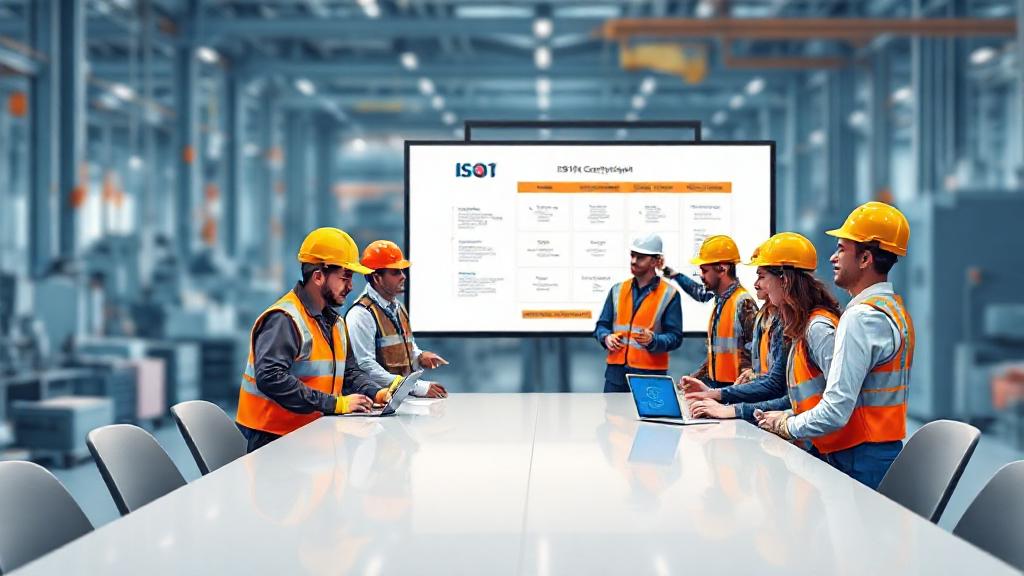
The ISO 45001 standard offers a structured approach to managing occupational health and safety, enabling organizations to reduce workplace incidents and improve their overall safety record.
By understanding and implementing the ISO 45001 standard, organizations can effectively reduce workplace incidents and improve their overall safety record.
Enhancing Business Continuity and Minimizing Downtime with Proactive Risk Management Strategies
A notable example of proactive risk management is the case of a Singapore-based financial institution that invested heavily in cyber security measures, preventing a potential data breach that could have resulted in significant financial losses and reputational damage.
By prioritizing proactive risk management, organizations can minimize the likelihood of downtime and ensure business continuity, even in the face of unexpected disruptions or crises.
Effective risk management strategies can also help businesses build resilience, improve their reputation, and maintain a competitive edge in their industry.
Developing a Comprehensive Risk Management Framework for ISO 45001 Compliance and Certification
Implementing a comprehensive risk management framework is crucial for organizations seeking ISO 45001 compliance and certification, as it enables them to identify, assess, and mitigate occupational health and safety risks.
The framework should include a thorough risk assessment process, which involves identifying potential hazards, evaluating their likelihood and impact, and prioritizing them based on their risk level.
Improving Supply Chain Management and Reducing Third-Party Disruptions with ISO 45001 Implementation

Implementing ISO 45001 can be a crucial step in improving supply chain management and reducing third-party disruptions, as it provides a framework for managing occupational health and safety.
By reducing workplace injuries and illnesses, companies can minimize disruptions and ensure a smoother flow of goods and services.
Establishing Clear Policies and Objectives for Occupational Health and Safety Management Systems
Implementing a robust occupational health and safety management system is crucial for organizations, and involves developing a comprehensive policy, establishing clear objectives, conducting regular risk assessments, implementing training programs, and monitoring and reviewing the effectiveness of the management system.
By having a well-structured occupational health and safety management system in place, organizations can reduce the risk of workplace incidents and create a safer working environment for their employees.
Reducing Insurance Premiums and Improving Financial Performance Through ISO 45001 Certification Benefits
Implementing ISO 45001 certification can have a significant impact on a company’s bottom line, including reduced insurance premiums, improved employee morale, and increased operational efficiency.
Companies that prioritize occupational health and safety are more attractive to investors and customers, and with ISO 45001 certification, organizations can demonstrate their commitment to protecting their employees.
Demonstrating Compliance with Regulatory Requirements and Industry Standards for Global Recognition
Complying with regulatory requirements is not a hindrance to business growth, but rather a catalyst for it, as it can be a key differentiator in a crowded market.
By prioritizing compliance, businesses can gain a competitive edge and be seen as more trustworthy and reliable by consumers and investors alike.
Optimizing Business Operations and Reputation with Continuous Improvement and ISO 45001 Certification Maintenance
Implementing ISO 45001 certification can significantly enhance an organization’s reputation and operational efficiency by fostering a culture of continuous improvement and adherence to international standards for occupational health and safety management systems.
By integrating ISO 45001 into their operations, businesses can demonstrate their commitment to the well-being of their workforce and the environment, leading to improved brand reputation and increased customer trust.
As the global landscape continues to evolve, a strong safety culture, underpinned by the principles of ISO 45001, will be the backbone of resilient and reputable organizations, empowering them to thrive in an ever-changing world.