Introduction
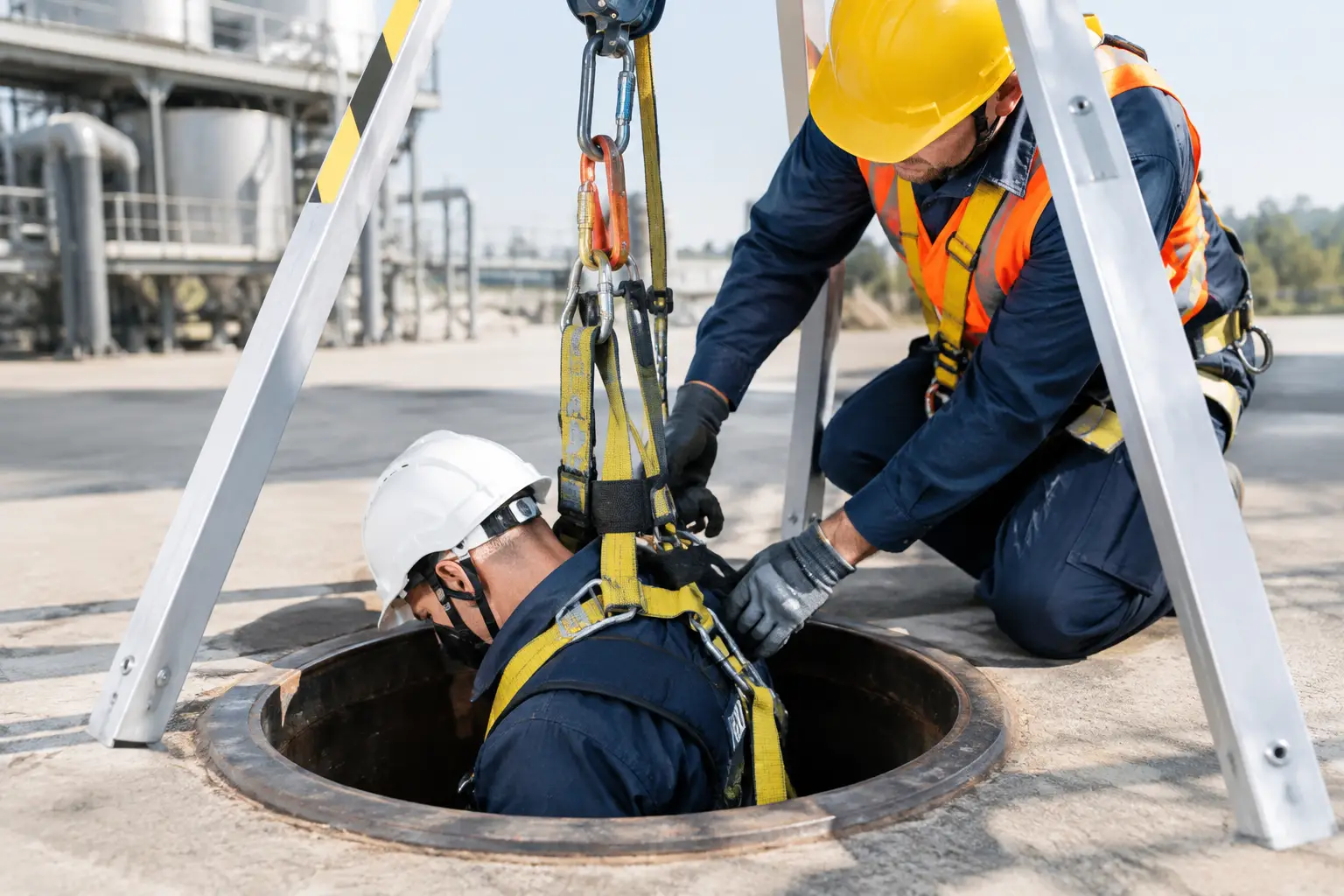
BizSAFE Level 3 requires a risk management plan implementation covering every work activity in your workplace, verified through an independent audit by a MOM-approved organization. If you want to know how to digitize your bizSAFE Level 3 risk assessments using software AI, the shift is straightforward: replace paper risk registers, spreadsheets, and filing cabinets with a cloud-based platform that automates hazard logging, risk evaluation, compliance tracking, and audit-ready report generation. AI-powered digital platforms turn that paper trail into a live system for recording hazards, tracking control measures, and producing documentation on demand.
This article focuses on the practical process of moving from paper-based risk assessments to cloud safety management platforms with automated risk logging and AI-driven reporting. It is written for operations managers, safety officers, and digital transformation leads working in Singapore’s construction, manufacturing, and logistics sectors, particularly those pursuing or maintaining bizsafe level 3 certification. Many companies start this digitization work while preparing to apply for bizSAFE or while completing bizSAFE training. The scope here is software-enabled risk assessment and compliance execution—not a full walkthrough of certification paperwork, course selection, or auditor engagement.
Digital risk assessment platforms with AI capabilities automate data entry, flag gaps in compliance documentation, and maintain a continuous audit trail aligned with MOM and WSH Council requirements. That matters when manual registers create version-control issues, missed updates, and extra admin work that can slow audits, weaken safety visibility, and affect eligibility for government tenders where bizSAFE certification is often expected.
After reading this article, you will understand:
-
How AI platforms automate hazard identification, risk evaluation, and compliance monitoring for bizsafe certification
-
A six-step implementation methodology for migrating paper risk registers to digital systems
-
How to compare platforms based on features, cost, and WSH compliance integration
-
Common obstacles during digital adoption and tested solutions for each
-
How digitized risk management improves audit readiness and positions your company for government tenders, since bizSAFE Level 3 is required for most government tenders in Singapore
Understanding Digital Risk Assessment Transformation
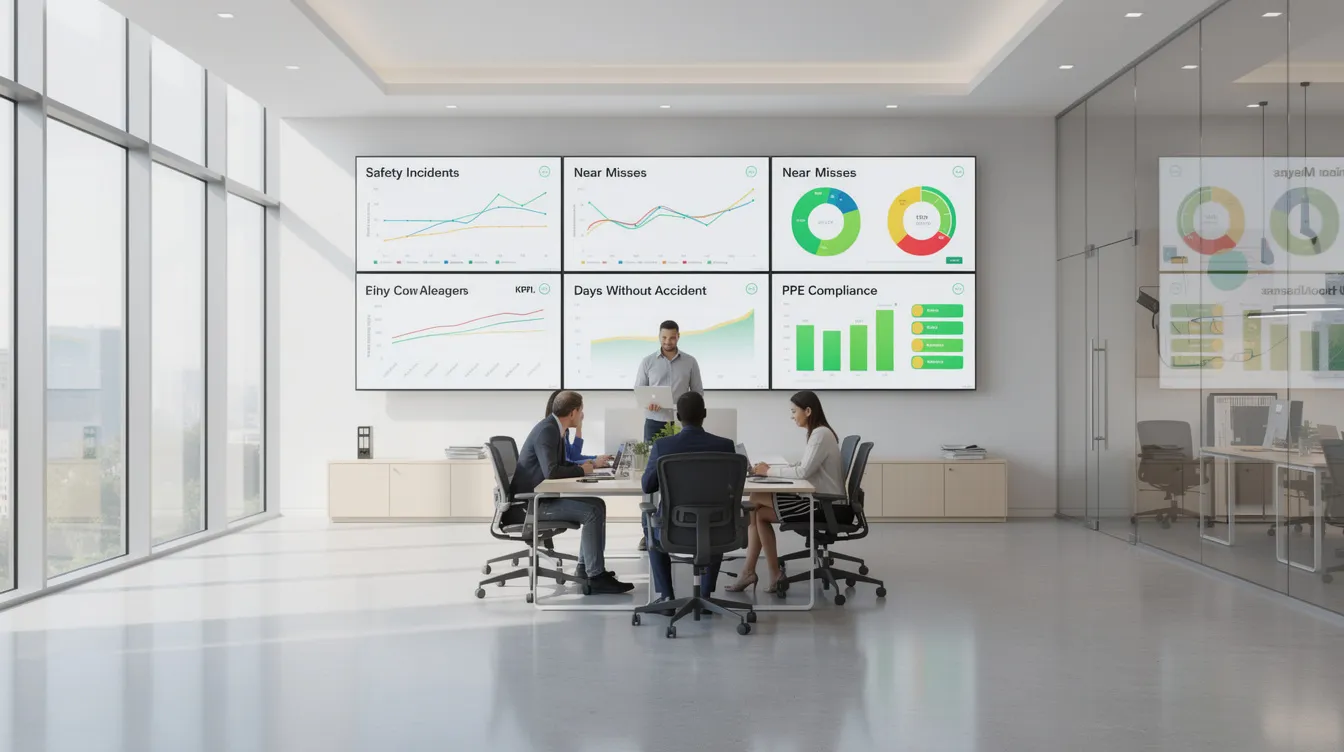
Digital risk assessment platforms are software systems that let organizations identify, record, score, and track workplace hazards through cloud-based interfaces. They replace manual log books with structured databases, automated workflows, and audit-grade report generation. For companies that need to conduct risk assessments for all work activities under WSH risk management regulations, these platforms ensure nothing falls through the cracks.
The shift matters because bizsafe level 3 certification confirms through a third-party risk management audit that a company has implemented a risk management system compliant with the WSH (Risk Management) Regulations 2006. Companies without Level 3 certification face disqualification from tenders; Level 3 certification proves effective risk management systems are in place. Companies bidding for major projects are often expected to demonstrate this level of documented risk management capability.
Traditional Paper-Based Risk Management Limitations
Paper-based risk management creates three recurring problems. First, manual entries introduce transcription errors and inconsistent hazard classification across sites. Second, updating risk registers when work processes change requires physical access to documents that may be stored in multiple locations. Third, audit preparation consumes days of staff time assembling supporting documents, inspection checklists, corrective action records, and training records into a format that satisfies auditors.
A risk management audit requires objective evidence of implementation such as logs and records. The risk management implementation audit lasts from half a day to 2 days. When that evidence lives in binders and filing cabinets, responsible persons spend more time locating documents than demonstrating compliance. Risk assessments must also reflect actual work activities and how the company performs them in practice, not generic templates, which means paper registers need constant manual revision as workplace activities evolve.
AI-Enhanced Digital Safety Platforms
AI capabilities in safety software fall into four categories: natural language processing (parsing field notes and engineering drawings into structured data), computer vision (monitoring personal protective equipment compliance and site hazards via CCTV or photo inputs), predictive analytics (forecasting incident hotspots from historical patterns), and workflow automation (assigning corrective actions, scheduling follow-ups, sending alerts). AI technologies can automate the generation of risk assessment documents and reports, while EHS platforms can centralize documentation for easier access and audits.
Under the WSH Act and risk management regulations, each activity must have its risk assessed and compliance must be demonstrable. AI helps ensure hazard identification is exhaustive, appropriate control measures are tracked, and the full audit trail is preserved digitally, while digital workflows can also support broader workplace security and contingency planning to manage potential terror threats where SGSecure-related controls are included. With this foundation established, the next section examines what specific AI functionalities look like inside platforms built for BizSAFE compliance.
AI Software Capabilities for BizSAFE Compliance
Moving from paper to digital is the infrastructure change; AI is what makes the platform do work that previously required hours of manual effort. Three capabilities matter most for companies preparing for a risk management implementation audit.
Automated Risk Identification and Classification
AI can parse past incident reports, near-miss logs, and inspection findings to cluster recurring hazard types and suggest risk categories (mechanical, chemical, ergonomic, manual handling). NeoEHS, for example, uses AI-driven analytics to identify, assess, and predict workplace risks through real-time monitoring and intelligent risk assessment workflows. Computer vision systems like Invigilo SafeKey detect non-compliance with personal protective equipment and unsafe proximity to energized machinery, then record those hazards automatically. AI can assist in hazard identification and drafting safety documents, converting what was previously a manual observation into a timestamped, categorized database entry.
Real-Time Compliance Monitoring
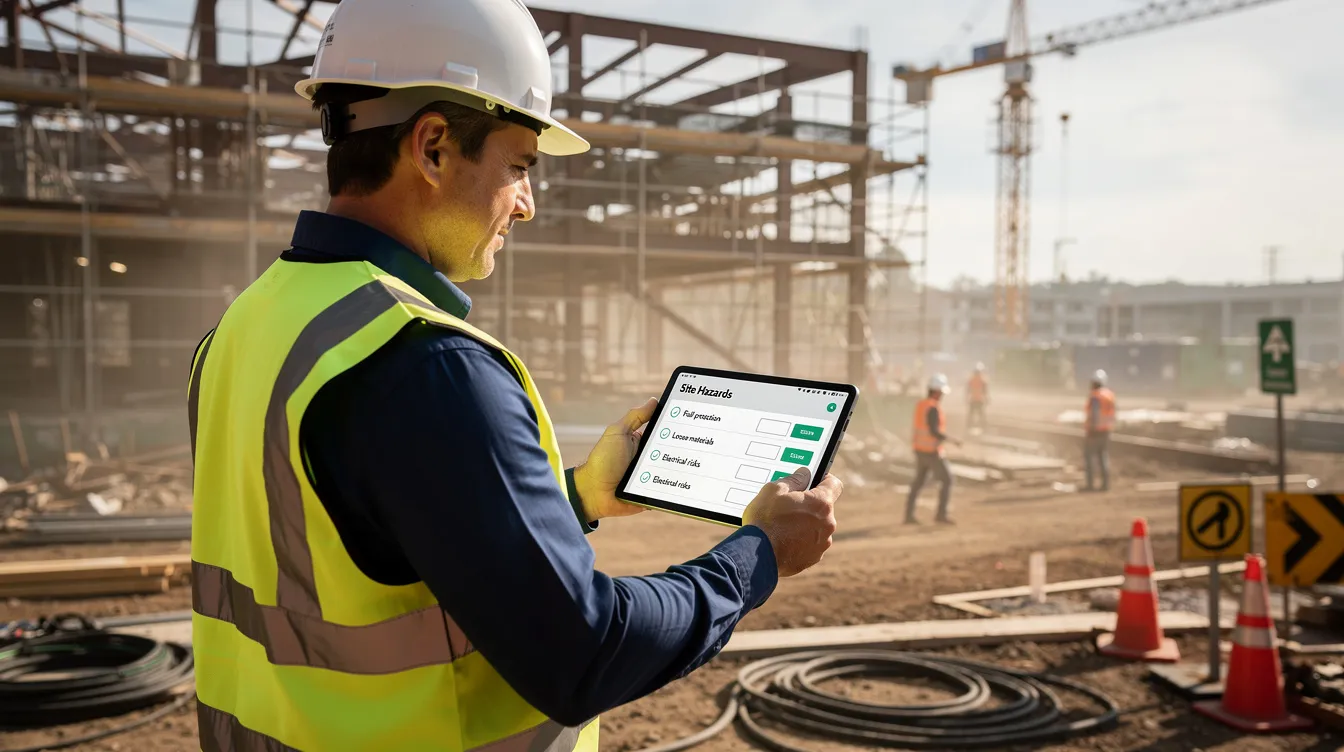
Platforms track whether risk controls are in place: guards installed, PPE worn, inspections completed on schedule. When deviations occur, alerts fire through WhatsApp, Teams, or SMS. Dashboards can provide insights on overdue reviews and high-risk activities, while automated notifications can prompt re-assessments when work processes change. In construction, Exiga’s scaffold monitoring system automates reminders for the 7-day periodic inspections required under WSH (Scaffolds) Regulations 2011, including post-weather re-checks. Mobile access allows supervisors to perform inspections and document hazards on site, feeding data directly into compliance dashboards that map to MOM audit checklists.
Predictive Analytics for Risk Prevention
Machine learning models trained on historical data (incidents, near misses, inspection findings) forecast which areas or operations are likely to produce falling incidents, slips, or equipment failures. This moves safety practices from reactive to preventive. The hierarchy of controls must be implemented in risk evaluation processes; predictive analytics surface which controls are failing before an incident occurs. For companies progressing through the bizsafe programme, this continuous improvement capability supports management reviews and demonstrates to auditors that workplace risks are being actively managed over time, not just documented once.
Creating a structured risk assessment database improves data management and retrieval, giving senior management, the risk management champion, and chief executives clearer visibility into risk trends and performance that paper registers never provided.
Step-by-Step Digital Implementation Process
With a clear picture of what AI platforms do, the question becomes how to implement one without disrupting ongoing WSH compliance. Companies should begin digital transition early, ideally during a risk management course or before scheduling the RM audit for Level 3. The application process typically takes four to eight weeks, so building digital workflows before the audit window opens gives time to validate outputs.
Implementation Methodology
A structured approach to risk management helps reduce administrative burdens and improves accountability. The digitization process should include migration of paper documents into a digital format, but migration alone is not enough; the system must produce outputs that auditors accept.
-
Audit current paper-based processes. Map all existing risk registers, inspection checklists, emergency procedures, and audit scope documentation. This review should mirror the audit process so evidence is organized in the same sequence auditors will check. Identify where records are incomplete, inconsistent, or stored in locations that slow retrieval. This baseline reveals how much data needs migration and which gaps the digital platform must close.
-
Select an appropriate AI-powered platform. Evaluate platforms against your bizsafe level 3 requirements: Does it generate a risk management audit report in the format MOM auditors expect? Does it support CAPA tracking, incident reports, and training records? Does it integrate with your existing wsh management system? Can it store and retrieve the bizSAFE certificate number alongside supporting compliance records? Compare feature sets across vendors like ExpertRA, NeoEHS, Invigilo SafeKey, Exiga, and Align Dynamics.
-
Migrate existing risk data. Digitize paper records using OCR-assisted tools. Structure historical incident and inspection data in the system, ensuring the format aligns with risk matrices and required categories under WSH regulations. Archive original scanned copies for legal retention. Flag missing data rather than fabricating entries.
-
Configure automated reporting workflows. Set up dashboards, alerts, and inspection schedules. Map risk categories and control measures to MOM/WSHC audit checklists. Build templates for the rm audit report including annexes, interview sheets, and supporting documents. Using AI for drafting can speed up the initial creation of safety procedure documents.
-
Train staff on new digital processes. Safety officers, supervisors, and frontline workers need hands-on training with mobile apps, AI-generated reports, and dashboards. Define roles and responsibilities for data input. Renewal audits verify current training records and procedures, so training documentation should be captured within the platform itself.
-
Validate system compliance. Run internal mock audits using the platform’s outputs. Verify data completeness. Ensure the system meets WSH (Risk Management) Regulations and supports a documented risk management implementation plan where applicable, while aligning with SS ISO 45001 or SS 506 standards, and with the Green Management Assessment Scheme where companies need digital records to support broader accreditation evidence. Companies must engage a MOM-approved auditor for risk management audits, so test whether the platform’s outputs satisfy what auditing organisations expect before the actual audit.
Platform Comparison Analysis
|
Criterion |
ExpertRA |
NeoEHS |
Invigilo SafeKey |
Exiga |
Align Dynamics |
|---|---|---|---|---|---|
|
Core Features |
Guided RA templates, cloud storage, industry-specific hazard sets |
Full EHS platform, CAPA workflows, dashboards |
Computer vision PPE detection, proximity alerts |
Scaffold inspection, IoT sensors, geotagged media |
Field notes/drawings to audit-ready reports |
|
AI Capabilities |
Template automation, hazard suggestions |
Predictive analytics, real-time monitoring |
Real-time image/video detection |
Structural defect detection via CCTV/drones |
NLP parsing, deterministic multi-agent engines |
|
Compliance Integration |
BizSAFE documentation alignment |
MOM checklist mapping, ISO 45001 support |
Alert logs for audit evidence |
WSH Scaffolds Regulation compliance |
HAZOP and engineering documentation |
|
Cost Structure |
Subscription, per-company |
Subscription, per-user tiering |
Per-site, CCTV infrastructure required |
Per-site, sensor hardware costs |
Project-based licensing |
|
Implementation Timeline |
Days to weeks (SME-focused) |
Weeks to months (enterprise) |
Weeks (depends on CCTV setup) |
Weeks (sensor installation needed) |
Weeks (document ingestion) |
For SMEs, platforms like ExpertRA offer lower cost and faster deployment. Construction firms with existing CCTV infrastructure benefit from Invigilo SafeKey’s computer vision. Large operations with multiple hazard types and complex work processes get the most from NeoEHS’s full-suite approach. The deciding factor is whether the platform can also support rm implementation audits and produce outputs your auditing organisation accepts as a valid risk management audit report.
Risk assessments should reflect actual operations and maintain human accountability. Human oversight is essential in reviewing AI-generated assessments; no platform eliminates the need for qualified responsible persons to sign off on risk evaluation outcomes.

Common Implementation Challenges and Solutions
Every Singapore company transitioning from paper to digital risk management encounters friction. Three challenges recur across sectors.
Staff Resistance to Digital Adoption
Workers and supervisors accustomed to clipboard-based inspections often resist mobile apps and AI alerts. A phased rollout works better than a full-site launch. Start with a pilot department where the safety champion is engaged. Run two weeks of hands-on training including role plays of hazard reporting through the app. Measure adoption weekly by tracking the number of hazard reports submitted digitally versus on paper. Once the pilot department demonstrates faster audit preparation and fewer missed inspections, expand to the rest of the organization. Management commitment from top management, including the CEO or board director, signals that digital adoption is a priority, not optional, and this is especially important where the Executive WSH Programme is required for senior leaders in higher-risk sectors.
Data Migration from Legacy Paper Records
Historical records are often incomplete, use inconsistent hazard categories, or lack risk scoring. Use OCR tools to scan existing risk registers, then harmonize categories to match the platform’s risk matrix. Flag missing entries rather than backfilling with assumptions. Archive original scanned copies; WSH regulations require record retention, and risk assessments must be reviewed every 3 years by law. Drop records past their legal validity period only after confirming retention requirements are met. The goal is a clean, structured database, not a perfect replica of a flawed paper system.
Integration with Existing WSH Compliance Workflows
Organizations already run safety meetings, toolbox talks, and manual audits. The digital platform must overlay these processes without creating compliance gaps. Organizations working with a development board or similar public-sector stakeholders may also need more structured digital evidence of their safety management approach. Map every regulatory obligation, from the WSH (Risk Management) Regulations to scaffold inspection schedules, into the platform’s workflow engine. Ensure the platform’s output format is acceptable to your auditing organisation by sharing sample reports before the actual audit. Compliance with WSH regulations is crucial for making changes to safety practices; any workflow change must preserve the documentation chain that auditors verify.
Digitizing risk assessments enhances compliance, operational efficiency, and structured safety and health management across recurring compliance workflows. The certification is valid for three years from approval date, and a new risk management implementation audit is required for renewal. Companies must update risk assessments for renewal audits, and those with more formal systems may also align digital records with a health management system, so the digital system must support ongoing updates, not just initial certification. Submit renewal applications two months before expiry to maintain your bizsafe certification without a gap in your company’s bizsafe status.
Conclusion and Next Steps
Digitizing BizSAFE Level 3 risk assessments using AI software replaces manual documentation with cloud-based systems that automate hazard identification, track control measures in real time, and generate audit-ready reports aligned with MOM requirements. The result is faster audit preparation, fewer documentation gaps, and continuous visibility into workplace safety and health performance. BizSAFE certification increases business competitive edge for contracts and supports better corporate branding by assuring safety standards. Companies with bizSAFE certification also enjoy free advertising on the marketplace, and the certification helps retain talent by promoting workplace safety and improved workplace safety outcomes.
Start with these four steps:
-
Assess current documentation gaps. Review existing risk registers, incident reports, and inspection checklists against the bizsafe level 3 requirements to identify what is missing or inconsistent.
-
Research AI-enabled safety platforms. Request demos from vendors and verify that their outputs match the format your auditing organisation expects for the risk management audit report.
-
Pilot with one department. Select a high-risk area, migrate its risk data, configure automated workflows, and run a mock audit using the platform’s outputs.
-
Scale after validation. Once the pilot confirms the system produces compliant documentation, extend to all workplace activities and integrate with your safety management system.
For companies progressing beyond Level 3, digital platforms also support the leap from risk management to health system management at Level 4 and ISO 45001 integration. The same data infrastructure that satisfies a bizsafe level 3 audit becomes the foundation for advanced analytics, WSH technology adoption, and ongoing compliance automation.
Additional Resources
-
MOSAIC Safety consultation services for digital safety transformation and bizsafe application support
-
MOM-approved auditing organisation directory for companies that provide wsh auditing services and risk management audit validation
-
WSH Council guidelines for risk management system requirements and the bizsafe enterprise application form
-
IMDA Model AI Governance Framework for understanding AI accountability requirements in safety platforms