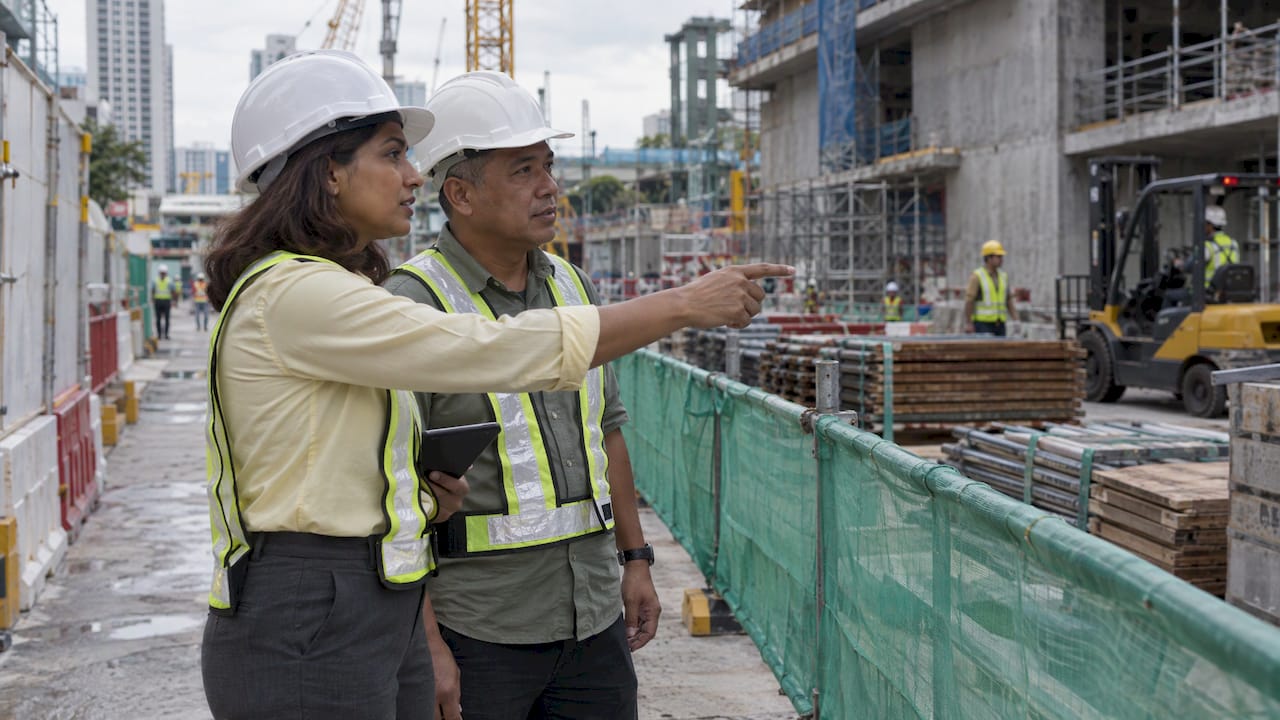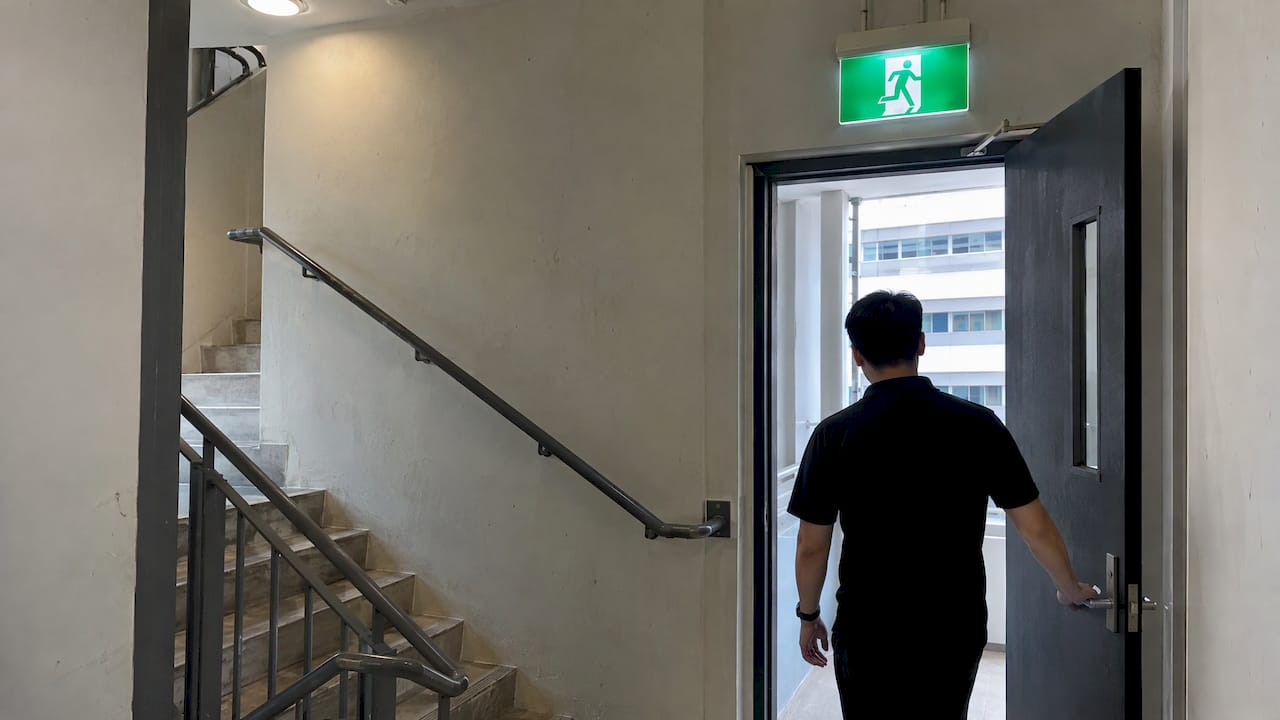

A tender requirement, a main contractor’s prequalification checklist, or an upcoming client audit can make BizSAFE Level 3 feel urgent. Yet organizations that rush to assemble documents often discover that the real test is not whether forms exist. It is whether risk management is understood, implemented, and visible in daily work. To achieve BizSAFE Level 3, a company needs a functioning risk management system that reflects its actual operations, people, and site conditions.
For construction contractors, subcontractors, engineering firms, and industrial operators, this is where disciplined preparation matters. A well-built system supports certification, but it also gives supervisors and workers a practical basis for controlling hazards before they lead to incidents, delays, stop-work orders, or contractual disputes.
What BizSAFE Level 3 Demonstrates
BizSAFE Level 3 is a recognized milestone in Singapore’s workplace safety and health framework. It demonstrates that an organization has implemented a risk management system and has undergone the required independent assessment or audit process under the applicable program requirements.
The certification is often requested by clients and principal contractors because it provides evidence that a company has moved beyond a policy statement or one-off training exercise. The organization should be able to identify work hazards, assess risks, establish controls, communicate safe work expectations, and review whether those controls remain effective.
Level 3 is not a substitute for meeting all legal workplace safety and health duties. Nor does it guarantee that every project is safe by default. Its value lies in creating an accountable management structure that can be applied consistently across projects. A small electrical subcontractor, for example, may have a simpler system than a large civil contractor, but both must ensure that their risk controls match the work they perform.
The Foundation Required Before the Audit
The route to Level 3 normally begins with the earlier BizSAFE commitments, including management involvement and risk management capability. Before an organization pursues certification, leadership should be clear about who owns the process. This cannot sit only with an external consultant or a safety coordinator who has no authority to influence operations.
Management must provide resources, appoint competent personnel, and ensure that risk management decisions are carried into project planning, procurement, supervision, and subcontractor control. Where a company’s directors are visibly involved, implementation tends to be stronger because site teams understand that safety performance is a business requirement, not an administrative exercise.
A practical preparation process should establish three things: a defined scope of operations, an up-to-date risk management plan, and evidence that the plan has been put into practice. The scope is particularly important for companies that perform varied work. A contractor that lists only general office activities while regularly undertaking work at height, lifting operations, hot work, and excavation will create an obvious gap during review.
Build risk assessments around real work
Risk assessments should describe how work is actually executed, not how it is intended to look in a generic template. Start by breaking down each significant activity into logical work steps. Identify foreseeable hazards, determine who may be exposed, evaluate the level of risk, and specify controls using the hierarchy of controls.
Elimination and substitution should be considered before relying on administrative instructions or personal protective equipment. For instance, a safer prefabrication method may reduce work at height more effectively than simply reminding workers to wear harnesses. Where PPE remains necessary, the assessment should state the required equipment, inspection expectations, and supervision measures.
Construction and industrial work change quickly. Weather, work interfaces, deliveries, access conditions, equipment availability, and manpower changes can alter the risk profile during a single shift. Risk assessments therefore need supporting tools such as toolbox briefings, daily pre-task checks, permit controls where applicable, and a process for reviewing work when conditions change.
Make documentation useful at the worksite
Documentation is necessary, but it should help people make better decisions rather than create a filing burden. Auditors generally need to see controlled documents, records of communication and training, implementation evidence, and management review. Supervisors, however, need clear instructions they can apply under time pressure.
Useful documentation connects policies to field activity. A risk assessment should correspond with method statements, safe work procedures, inspection checklists, training records, and incident reporting processes. If a lifting risk assessment requires a pre-use inspection, the organization should be able to show inspection records and explain what happens when a defect is found.
Avoid copying another company’s documentation without adapting it. Generic forms can contain irrelevant activities, outdated legal references, or controls that do not exist at your site. These weaknesses reduce credibility and can create confusion when workers are asked to follow procedures that do not match their tools or work sequence.
A Practical Process to Achieve BizSAFE Level 3
A structured gap assessment is usually the fastest way to identify what needs attention. Review existing policies, risk assessments, training records, appointment letters, inspection reports, incident records, and project documentation against the required audit criteria. Then verify implementation through site observations and conversations with supervisors and workers.
The following areas commonly require focused work:
- Leadership responsibilities, risk management roles, and documented authority for key personnel.
- Activity-based risk assessments that cover routine, non-routine, and emergency work.
- Safe work procedures, permits, inspections, and maintenance controls for higher-risk operations.
- Workforce communication, competency training, toolbox talks, and records for employees and subcontractors.
- Monitoring, corrective action, incident learning, and periodic management review.
The purpose is not to create the largest possible document set. It is to close the gaps that affect control of real workplace risks. A company with a concise, current, and consistently used system is in a better position than one with extensive files that no one on site can explain.
Once the system is ready, conduct an internal review before engaging the appropriate independent auditor or audit organization. Treat this as a rehearsal for the formal assessment. Sample a few projects, trace selected risk controls from the written assessment to the worksite, and check whether the responsible personnel understand their obligations. Any nonconformities should be corrected with evidence of action, not merely noted for future attention.
Common Reasons Level 3 Preparation Falls Short
One frequent problem is treating risk assessment as a safety department task. Operations teams may sign documents without participating in hazard identification or control selection. The result is a plan that lacks practical ownership. In contrast, involving project managers, supervisors, workers, and relevant subcontractors produces controls that are more workable and more likely to be followed.
Another issue is failing to manage change. A risk assessment prepared at project start may not cover a revised work sequence, a new machine, altered access arrangements, or simultaneous operations introduced later. A defined review trigger helps ensure that risk controls evolve with the job.
Companies can also underestimate subcontractor interfaces. Principal contractors and subcontractors may each have their own procedures, but gaps emerge when no one coordinates access, lifting zones, energized work, traffic routes, or emergency arrangements. Clear communication and documented coordination are essential, especially on congested construction sites.
Finally, do not confuse a passed audit with the end of the work. Certification supports market access and client confidence, but it must be maintained through ongoing implementation. Regular inspections, leadership reviews, corrective actions, and refresher communication keep the system credible between audits.
When External Support Adds Value
External support is most useful when a company needs independent technical guidance, has limited in-house EHS resources, or must prepare across several active projects without disrupting delivery commitments. The right adviser should not simply provide templates. They should understand construction and industrial risks, review site realities, guide personnel through their responsibilities, and help develop evidence that can withstand audit scrutiny.
MOSAIC Ecoconstruction Solutions supports organizations with hands-on BizSAFE preparation, risk management documentation, workplace inspections, training, and implementation guidance. The goal is to help clients establish controls that are both certification-ready and practical for project teams to use.
As your organization works toward Level 3, keep the focus on the people who will rely on the system at the worksite. When supervisors can explain the controls, workers can recognize changing risks, and management responds to gaps promptly, certification becomes evidence of a safer way of operating rather than just another requirement on a tender checklist.