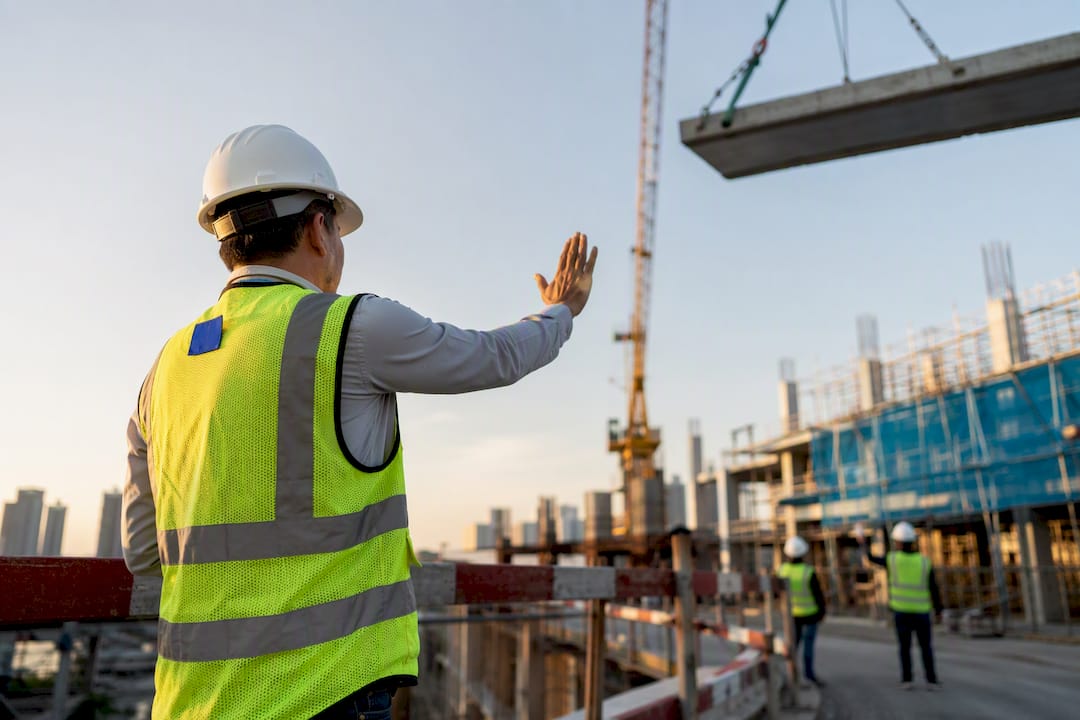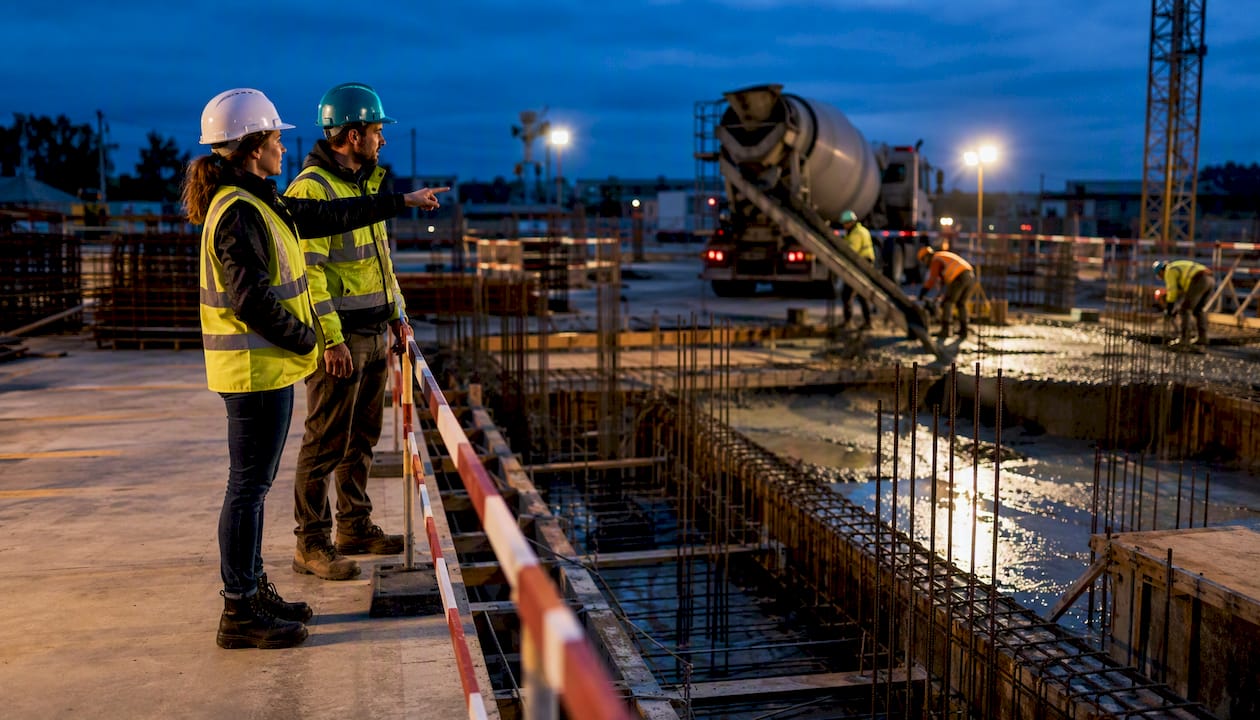
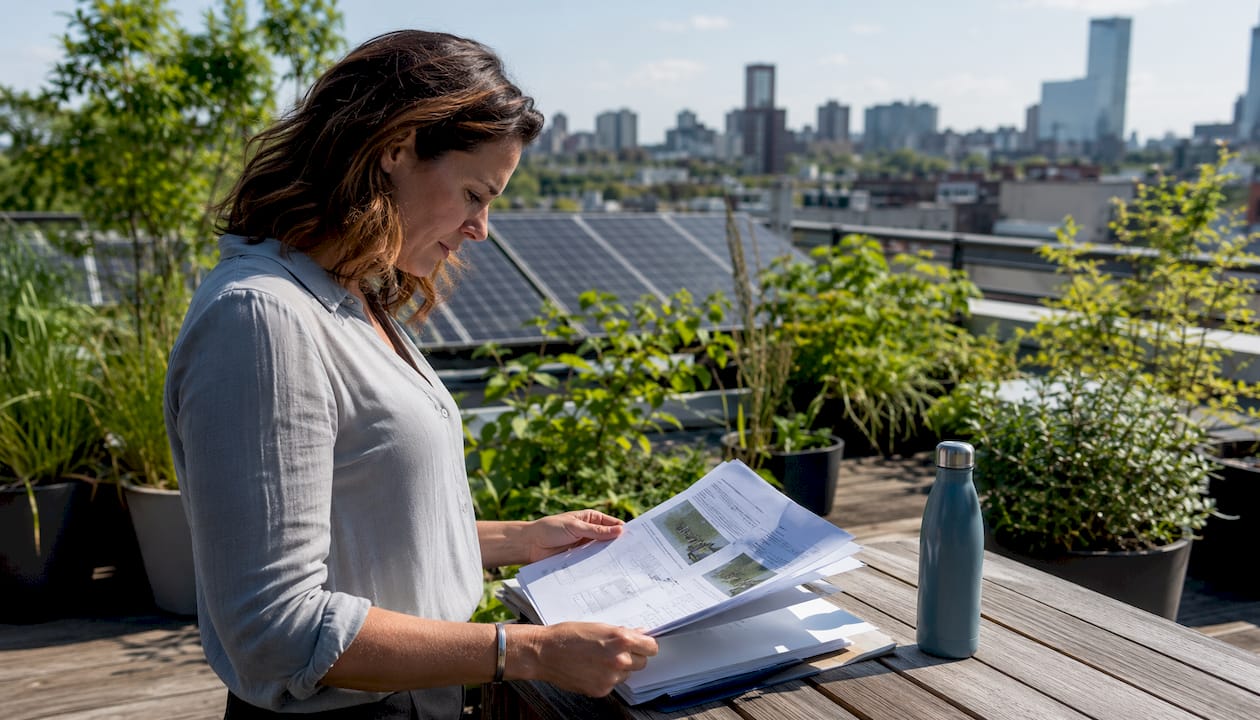
Sustainable construction is the practice of designing, building, and operating structures in ways that minimize environmental harm, optimize resource consumption across the full project life cycle, and satisfy the safety and quality compliance obligations that govern the U.S. construction sector. For construction companies and developers, it is not an aspirational posture but an operational framework integrating environmental impact reduction, energy efficiency, waste minimization, worker safety, and material stewardship into every project phase. Standards such as LEED, ISO 14001, BizSAFE, Design for Safety (DfS), and ConSASS provide the compliance architecture within which that framework operates. MOSAIC Ecoconstruction Solutions (Com) positions its Quality, Environment, and Safety (QES) consultancy at precisely this intersection, guiding firms through certification processes, safety audits, and regulatory alignment. The life-cycle approach is central: embodied carbon, the greenhouse gas emissions locked into materials during extraction, manufacturing, and transport, must be managed alongside operational energy use to achieve genuine sustainability outcomes.
Key elements of sustainable construction include:
-
Embodied carbon reduction through low-carbon and recycled material selection
-
Energy efficiency via passive design, high-performance envelopes, and renewable integration
-
Water conservation and stormwater management
-
Construction waste reduction and deconstruction-over-demolition strategies
-
Worker safety compliance through DfS, ConSASS, and BizSAFE frameworks
-
Quality assurance aligned with ISO standards
-
Life-cycle cost analysis and long-term asset resilience planning
Table of Contents
- How construction shapes the U.S. environmental footprint
- Core principles every sustainable construction project must apply
- What regulations and certifications govern sustainable construction in the U.S.
- Why sustainable construction practices deliver measurable financial returns
- Challenges and barriers to implementing sustainable construction
- Economic considerations and cost-benefit analysis of sustainable construction
- Notable U.S. sustainable construction projects
- Emerging materials and technologies shaping sustainable construction
- Strategies for energy efficiency and waste reduction on construction sites
- How stakeholder collaboration drives community impact in sustainable construction
- Key Takeaways
How construction shapes the U.S. environmental footprint
The scale of construction’s environmental burden in the United States is not abstract. U.S. buildings account for approximately 40% of national energy consumption and emit over 30% of greenhouse gases, figures that make the built environment the single largest sectoral contributor to the nation’s carbon profile. Embodied carbon compounds that burden: it represents around 11% of global emissions and can constitute up to 50% of a building’s lifetime carbon footprint, a proportion that rises as operational energy efficiency improves and the relative weight of upfront emissions grows.
40% of U.S. energy consumption and over 30% of greenhouse gas emissions originate from the built environment — making sustainable construction practices a paramount driver of national decarbonization strategy.
Beyond carbon, conventional construction methods generate substantial solid waste, deplete virgin material stocks, and introduce air and water pollutants at the site level. Barriers compounding these impacts include:
- Financial constraints limiting upfront investment in sustainable materials and systems
- Fragmented supply chains for low-carbon products
- Insufficient pre-construction planning that locks in high-impact design decisions
- Legislative and managerial gaps in sustainability governance at the firm level
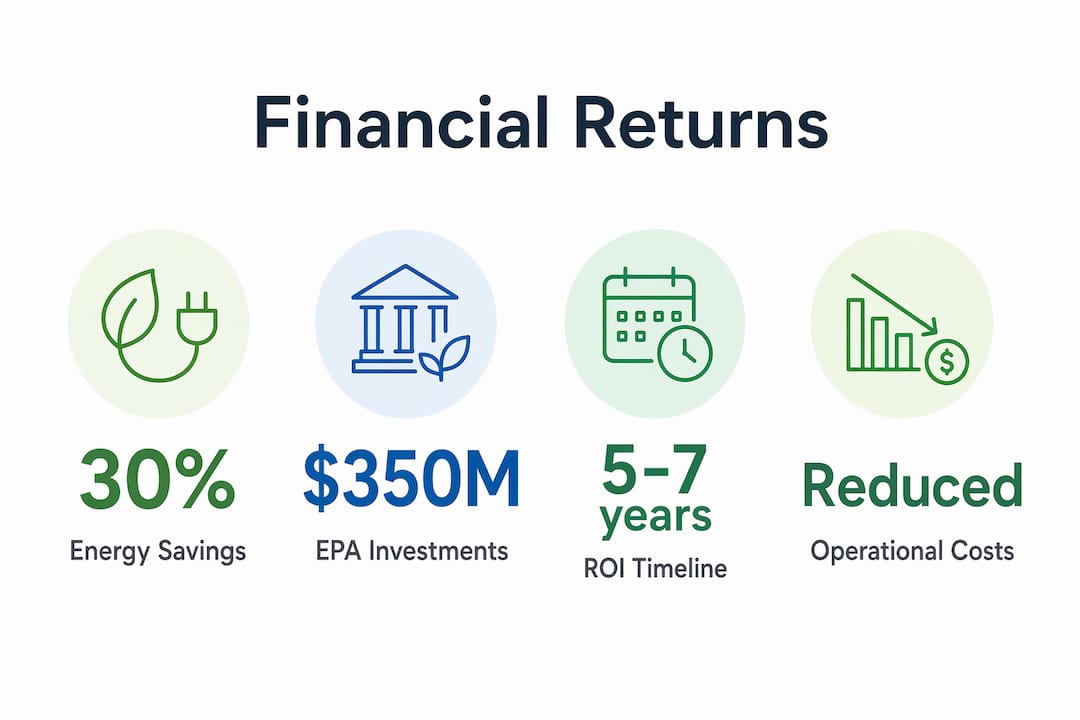
Regulatory pressure is accelerating. The Inflation Reduction Act of 2022 directed $350 million to the U.S. EPA to develop Environmental Product Declarations (EPDs) and a Label Program for Low Embodied Carbon Construction Materials, creating a federal procurement signal that will reshape material sourcing across the industry.
Core principles every sustainable construction project must apply
Sustainable building practices are most effective when integrated from the earliest design stage rather than retrofitted onto a conventional project. Early-stage integrative design combining multiple sustainable measures reduces embodied carbon more effectively and affordably than deploying individual interventions in sequence. Reducing structural material volume through interdisciplinary coordination is one of the highest-leverage moves available to design teams.
Practical principles and eco-friendly construction methods include:
- Material selection: Specify low-carbon concrete mixes, mass timber, recycled-content steel, and products carrying verified EPDs
- Structural efficiency: Minimize material volume through optimized structural geometry and interdisciplinary early design coordination
- Deconstruction planning: Design for disassembly to enable reuse of structural elements at end of life
- Passive design: Orient buildings to maximize natural light and thermal mass, reducing mechanical load
- Renewable energy integration: Incorporate photovoltaic systems and battery storage at the design stage
- Water management: Deploy greywater recycling, low-flow fixtures, and permeable paving
- Waste protocols: Establish construction waste management plans targeting landfill diversion from day one
What regulations and certifications govern sustainable construction in the U.S.
The regulatory and certification environment for sustainable construction in the United States is multi-layered, spanning federal mandates, voluntary rating systems, and international management standards.
-
LEED (Leadership in Energy and Environmental Design): The dominant voluntary rating system in the U.S., evaluating energy, water, materials, indoor environmental quality, and site impacts across Platinum, Gold, Silver, and Certified tiers
-
ISO 14001: The international environmental management system standard, providing a structured framework for identifying, controlling, and improving environmental performance at the organizational level
-
ISO 45001: The occupational health and safety management standard, directly relevant to construction site safety governance
-
EPA Label Program for Low Embodied Carbon Materials: A federal initiative under the Inflation Reduction Act establishing EPD-based thresholds for material procurement
-
Buy Clean initiatives: Federal and state-level procurement policies requiring EPDs and preferencing lower-carbon materials
-
BizSAFE: A structured workplace safety and health capability-building program that Com deploys to guide construction firms through progressive risk management certification
-
Design for Safety (DfS): A statutory framework requiring hazard identification and elimination at the design stage, reducing downstream construction and operational risk
-
ConSASS (Construction Safety Audit Scoring System): A structured audit methodology that benchmarks site safety performance against defined scoring criteria
Certification is not merely a compliance checkbox. Firms that achieve LEED, ISO 14001, and BizSAFE certification signal to clients, insurers, and investors that their environmental and safety governance meets internationally recognized benchmarks, directly reducing regulatory exposure and strengthening market positioning.
Com’s consultancy practice encompasses the full certification pathway, from gap analysis and documentation support through audit preparation and continuous improvement planning, across all of these frameworks.
Why sustainable construction practices deliver measurable financial returns
The business case for green construction techniques is grounded in quantified financial outcomes, not environmental sentiment. Developers embedding sustainability features from the design stage can achieve an average 18% return on investment from those green features, meaning every dollar invested in sustainable design yields $1.18 in value at sale. Green buildings carry an upfront cost premium but reduce operating costs and increase rents.
Key financial and competitive benefits include:
- Reduced operational energy costs for building owners and occupants
- Lower regulatory compliance risk as embodied carbon disclosure requirements tighten
- Higher asset valuations and stronger tenant retention in climate-conscious markets
- Direct construction cost savings from measures such as eliminating gas-pipe infrastructure
- Portfolio resilience against climate transition risk and stranded-asset exposure
- Marketing sustainability achievements post-construction to attract institutional investors
Pro Tip: Tunnel through cost barriers by modeling multiple sustainable measures simultaneously at the schematic design stage. Combined interventions consistently outperform individually deployed measures on both carbon reduction and cost-effectiveness, and the savings captured at design cannot be recovered through later retrofits.
Challenges and barriers to implementing sustainable construction
Financial constraints remain the most significant barrier, as identified in research on U.S. construction sustainability. Upfront capital requirements for high-performance materials and systems create friction, particularly for smaller developers operating on thin margins. Managerial barriers compound the problem: many firms lack internal sustainability expertise, making it difficult to evaluate EPDs, interpret ISO requirements, or structure a credible DfS submission.
Legislative fragmentation adds further complexity. Buy Clean requirements vary by state, LEED mandates differ across municipal codes, and federal EPD thresholds are still being phased in under the Inflation Reduction Act. Pre-construction constraints, including compressed design timelines and siloed procurement, prevent the integrative early-stage coordination that delivers the greatest carbon and cost benefits. Sustainable construction is transitioning from niche to mainstream, but the transition is uneven, and firms without structured consultancy support frequently underperform against their own sustainability targets.
Economic considerations and cost-benefit analysis of sustainable construction
The economic calculus of sustainable construction shifts decisively when life-cycle costs replace first-cost analysis as the decision framework. A 2% upfront premium on a $10 million project is $200,000. A 20% reduction in annual operating costs on a building with $500,000 in annual energy and maintenance expenditure returns $100,000 per year, recovering the premium within two years. Portfolio-wide sustainability strategies enable economies of scale in procurement and capital deployment, compressing payback periods further. Investing in embodied carbon reduction also positions developers competitively as real estate capital increasingly screens for low-carbon assets.
Notable U.S. sustainable construction projects
The Bullitt Center in Seattle, completed in 2013, remains a benchmark: designed to a 250-year lifespan, it generates all its energy on-site via photovoltaics and treats all water on-site, demonstrating that net-zero operational performance is achievable at commercial scale. The Edge in Amsterdam set a global precedent for smart building integration, while domestically, the renovation of the Empire State Building reduced energy consumption by 38% through envelope upgrades and mechanical system overhauls. Federal agencies are required under the Guiding Principles for High Performance and Sustainable Federal Buildings to apply green building standards to at least 15% of their existing portfolio, creating a substantial and growing market for compliant construction services.
Emerging materials and technologies shaping sustainable construction
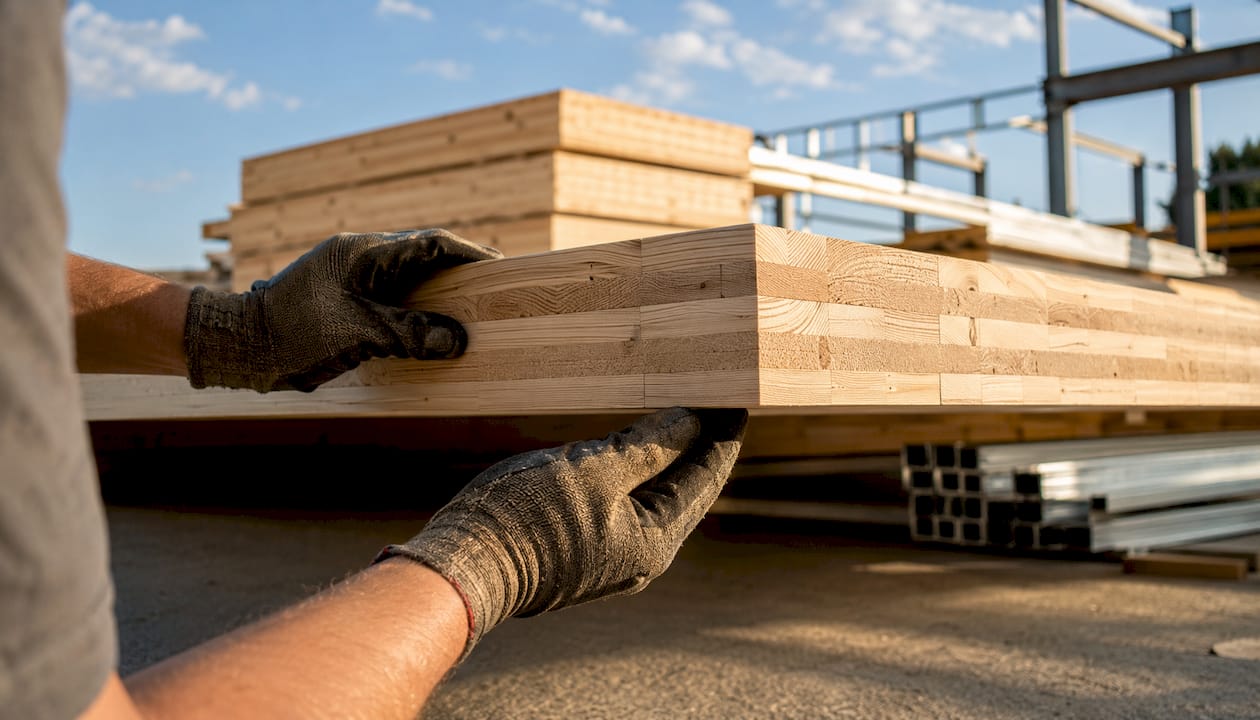
Mass timber, including cross-laminated timber (CLT) and glulam, is displacing concrete and steel in mid-rise construction, sequestering carbon rather than emitting it. Low-carbon concrete formulations using supplementary cementitious materials such as fly ash and slag are reducing the embodied carbon of the most widely used construction material on the planet. The EPA’s EPD Label Program is accelerating transparency in this space by establishing verified, comparable emissions data across product categories. Building information modeling (BIM) integrated with life-cycle assessment (LCA) tools enables design teams to quantify embodied carbon in real time, making environmental risk mitigation a design-stage discipline rather than a post-construction audit.
Strategies for energy efficiency and waste reduction on construction sites
Energy efficiency gains in construction come from two distinct but complementary levers: reducing operational energy demand through passive design and high-performance systems, and cutting the energy embedded in materials through low-carbon procurement. On the waste side, construction waste management plans that specify material take-back agreements, on-site sorting, and deconstruction-over-demolition protocols consistently achieve higher landfill diversion rates than ad hoc approaches. Prefabrication and modular construction reduce on-site waste generation at the source by shifting fabrication to controlled factory environments where material yields are measurably higher.
How stakeholder collaboration drives community impact in sustainable construction
Sustainable construction outcomes depend on coordinated action across owners, architects, engineers, contractors, material suppliers, and local communities. Integrated project delivery (IPD) contracts align financial incentives across the project team, removing the adversarial dynamic that typically causes sustainability commitments to erode during value engineering. Community engagement in the design process surfaces site-specific environmental concerns, from stormwater runoff to urban heat island effects, that generic sustainability checklists miss. Developers who manage risk at the design stage through structured DfS processes embed community and worker safety considerations before construction begins, reducing both liability exposure and remediation costs.
Key Takeaways
Sustainable construction integrates environmental, safety, and quality compliance into every project phase, and the financial returns are quantifiable from the design stage forward.
| Point | Details |
|---|---|
| Environmental scale | U.S. buildings account for 40% of national energy use and over 30% of greenhouse gas emissions. |
| Embodied carbon priority | Embodied carbon can represent up to 50% of a building’s lifetime carbon footprint, rising as operational efficiency improves. |
| Developer ROI | Embedding sustainability features at the design stage yields an average 18% return on investment. |
| Operating cost advantage | Green buildings reduce operating costs by approximately 20% and increase rents by an average of 15%. |
| Certification value | LEED, ISO 14001, BizSAFE, DfS, and ConSASS certification reduces regulatory exposure and strengthens market positioning. |
Com’s QES consultancy practice supports construction companies and developers across the full compliance pathway. From safety consultancy and ISO certification to BizSAFE, Design for Safety, and ConSASS audit preparation, Com provides the structured, continuous support that transforms sustainability commitments into verified, market-recognized outcomes.