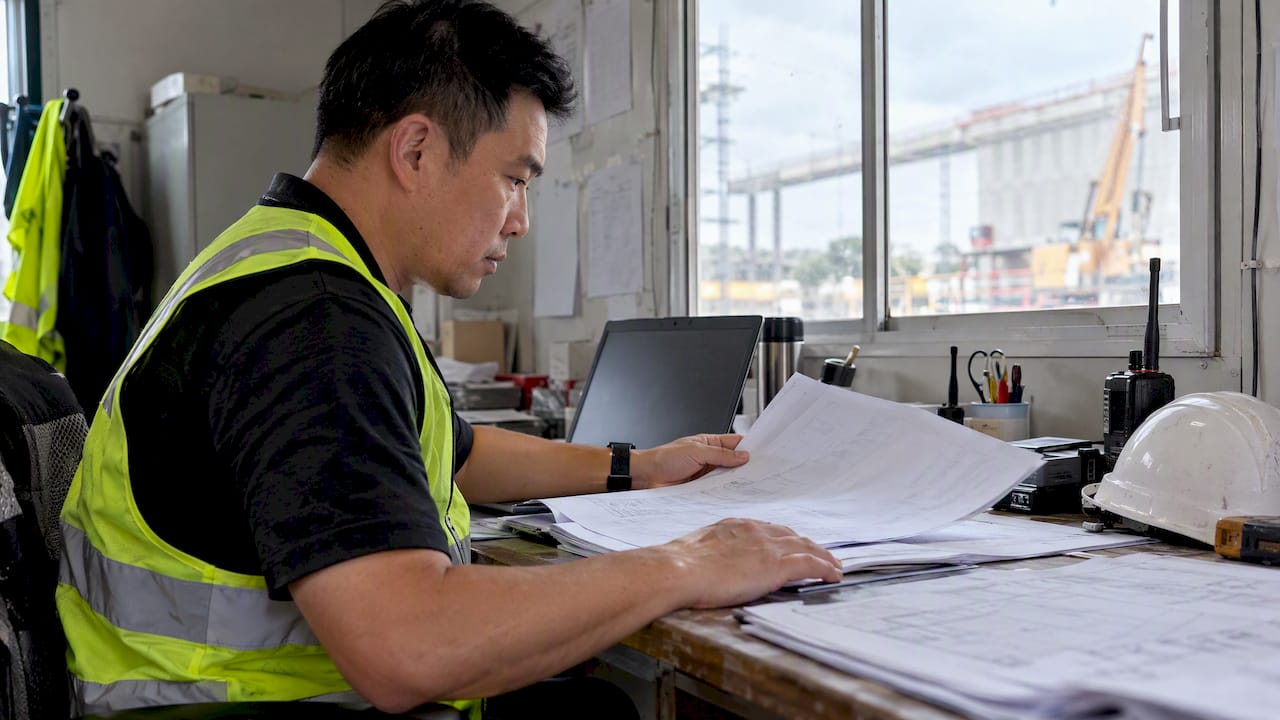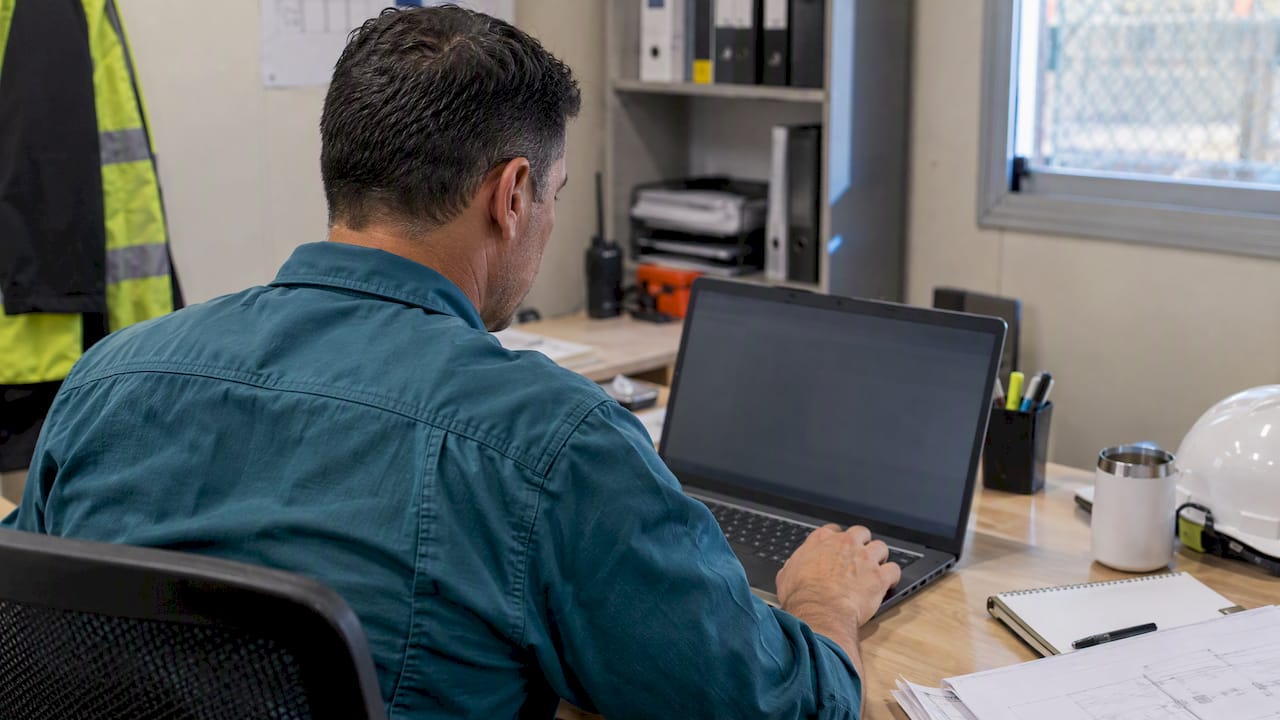
When a project is already under pressure, the last problem any contractor or operations leader wants is a safety staffing gap. Yet that is exactly where many companies find themselves – a new site mobilizes quickly, audit requirements increase, client expectations tighten, and internal EHS resources are suddenly stretched too thin. That is why outsource EHS manpower support becomes a practical business decision, not just a staffing alternative.
For construction firms, industrial operators, and regulated businesses, EHS performance is tied directly to project continuity, regulatory compliance, and client confidence. If the right safety personnel are not available at the right time, the consequences can move fast – missed inspections, weak documentation, delayed corrective actions, higher exposure during audits, and greater risk on the ground. Outsourcing gives companies a way to close those gaps with speed and structure.
Why outsource EHS manpower support instead of hiring in-house?
The short answer is flexibility, but that only tells part of the story. Hiring a full internal EHS team makes sense for some organizations, especially those with stable long-term workloads, large multi-site operations, or highly mature compliance systems. But for many businesses, demand for EHS support is uneven. It rises during new project mobilization, certification preparation, shutdowns, client audits, tender requirements, or after an incident trend starts to appear.
In those situations, building permanent headcount for every possible need is expensive and often inefficient. Outsourced support allows a company to scale resources based on actual operational demand. That can mean deploying a site safety professional for a live project, bringing in additional support during a peak construction phase, or supplementing an internal EHS manager with field-level manpower who can keep site activities aligned with procedure and regulatory expectations.
This model also reduces the lag time that comes with recruitment. Finding qualified EHS personnel is rarely simple. The right candidate needs technical knowledge, site awareness, reporting discipline, and the ability to work with supervisors, workers, and management. In safety-sensitive industries, a weak hire can create just as many problems as an empty role. Outsourcing helps shorten that hiring cycle by giving access to trained personnel who are already prepared for project realities.
Compliance pressure rarely waits for your hiring timeline
One of the strongest answers to why outsource EHS manpower support is regulatory timing. Compliance obligations do not pause because a company is understaffed. Inspections still happen. Documentation still needs to be maintained. Risk assessments still need review. Corrective actions still need follow-up.
For companies working under client-imposed EHS requirements, the pressure can be even higher. Main contractors, developers, and industrial asset owners increasingly expect subcontractors and service providers to demonstrate active safety management, not just written policies. That means toolbox meetings, site inspections, permit controls, incident reporting, training coordination, and evidence of ongoing supervision. If internal teams are overloaded, those activities can become inconsistent.
Outsourced EHS manpower helps maintain continuity. Instead of leaving compliance tasks to already-busy project leaders, companies can assign qualified personnel to manage daily monitoring, reporting, and implementation support. That improves consistency and makes it easier to respond when regulators, auditors, or clients request proof of control.
This is particularly valuable for organizations preparing for certifications, contractor assessments, or external audits. An outsourced professional can help keep records current, identify gaps early, and support corrective action before those issues become formal findings.
The business case is not just lower cost
Some decision-makers approach outsourcing mainly as a cost question. Cost matters, but the stronger business case is value relative to risk.
A full-time hire involves salary, benefits, onboarding, supervision, training, and retention risk. If project demand changes or the role is only critical during certain phases, fixed employment costs can be difficult to justify. Outsourced manpower converts part of that burden into a more flexible operating cost.
More importantly, it reduces the hidden costs of under-resourcing safety. Those costs show up in delayed work, failed audits, incident investigations, lost management time, client dissatisfaction, and poor closeout of corrective actions. In regulated work environments, one unmanaged gap can affect far more than compliance paperwork. It can affect schedule, reputation, and eligibility for future work.
The best outsourced arrangement is not simply cheaper labor. It is access to capable personnel backed by a provider that understands the compliance framework, project environment, and reporting expectations tied to the role.
Outsourced support can strengthen internal teams, not replace them
There is often a misconception that outsourcing EHS manpower means giving up internal control. In practice, the opposite can happen.
A well-structured outsourced model supports internal leadership by filling operational gaps that prevent your team from performing at its best. An internal EHS manager may be strong in governance, planning, and management review, but still need site-level support to execute inspections, monitor subcontractor compliance, update registers, or maintain day-to-day visibility across multiple locations.
In that setup, outsourced personnel extend capacity without disrupting reporting lines or company standards. They can work within existing systems, support site management, and escalate issues clearly. That allows internal leaders to focus on higher-level strategy, client coordination, and long-term improvement rather than being pulled into every operational detail.
It also creates resilience. If a key safety employee resigns, goes on leave, or is reassigned, outsourced support can stabilize the function while the company decides whether to recruit permanently.
Why outsource EHS manpower support for project-based work?
Project environments are rarely static. Headcount needs change by project phase, trade activity, risk profile, and client requirement. A mobilization period may need heavier documentation and induction support. A peak execution phase may need more site inspection presence and subcontractor coordination. A closeout stage may shift attention toward records, incident trends, lessons learned, and audit readiness.
That variability is exactly why outsourcing works well for project-driven businesses. Instead of carrying a fixed internal structure that may not match actual workload, companies can deploy the right level of EHS manpower when and where it is needed.
This is especially useful for SMEs and growing contractors. Many do not need a large permanent safety department year-round, but they still need competent support to meet project obligations and protect performance. Outsourcing provides that access without forcing a premature expansion of internal overhead.
For larger organizations, the value may be different. They may already have in-house EHS leadership, but use outsourced manpower to support high-risk packages, remote sites, special compliance campaigns, or temporary spikes in demand.
The trade-offs matter
Outsourcing is not automatically the best answer in every case. If a company has highly specialized operational risks, a deeply embedded internal culture, and ongoing year-round demand, building stronger in-house capacity may be the better long-term choice. Internal teams can carry institutional knowledge, long relationships with site leaders, and a stronger sense of ownership over company-specific systems.
The quality of the provider also matters. Outsourced personnel are only effective if they understand the relevant regulations, can communicate clearly, maintain documentation discipline, and work credibly on live sites. A mismatch in competency or industry experience can create friction quickly.
That is why companies should assess more than availability. They should look at sector experience, familiarity with audit and certification environments, responsiveness, reporting quality, and the provider’s ability to support not just manpower deployment but overall compliance outcomes.
A dependable partner should help the business maintain control, not create another layer of uncertainty.
What decision-makers should look for in an EHS manpower partner
The strongest providers do more than fill a vacancy. They understand why the role exists and what business outcome it needs to support. That may include regulatory compliance, safer site execution, certification readiness, tender qualification, or stronger client assurance.
Look for a partner that can align manpower support with your actual operating context – construction, industrial maintenance, engineering works, or multi-site contracting. The right provider should be able to place competent personnel, but also support consistency in inspections, documentation, corrective action tracking, and communication with management.
That broader capability matters because EHS manpower does not operate in isolation. Safety performance is tied to systems, training, records, audits, and field implementation. A provider with practical compliance expertise can add more value than one that simply supplies headcount. This is where a firm such as MOSAIC Ecoconstruction Solutions Pte Ltd can be relevant to businesses that need both manpower support and a stronger compliance framework around it.
The real question is not whether outsourcing is better than hiring in every situation. It is whether your current safety resourcing model matches your operational risk, project demands, and compliance obligations. If it does not, outsourced EHS manpower support can give you the capacity, continuity, and technical oversight needed to keep work moving with greater control.
The companies that manage safety well are not always the ones with the biggest internal teams. Often, they are the ones that know when to add the right expertise before a staffing gap turns into a compliance problem.