A safety inspection goes smoothly until someone asks for the risk controls, training records, or site procedures that are supposed to support what is happening on the ground. That is usually when companies realize they do not just need effort – they need structure. A wsh gap analysis consultant helps identify where your workplace safety and health system is aligned, where it is weak, and what needs to be fixed before those weaknesses turn into incidents, nonconformities, or failed assessments.
For construction firms, engineering contractors, manufacturers, and industrial operators, that kind of visibility matters. Regulations are not static. Client expectations are rising. Certification frameworks and audit standards require more than a file of documents sitting on a shared drive. Leaders need a clear picture of whether their current practices actually match legal duties, project requirements, and operational risk.
What a WSH gap analysis consultant actually does
A WSH gap analysis consultant reviews your existing safety management arrangements against a defined benchmark. That benchmark may be regulatory requirements, client prequalification criteria, BizSAFE expectations, internal corporate standards, or a broader management system such as ISO 45001. The work is not limited to checking paperwork. A credible review looks at implementation, site conditions, supervision, worker understanding, incident controls, and whether documented processes are being followed in practice.
This distinction matters. Many companies assume they are compliant because they have risk assessments, method statements, permit systems, and toolbox meeting records. Sometimes those documents are present but outdated. Sometimes they are technically complete yet poorly implemented. Sometimes site teams are managing real risks through informal workarounds that never made it into the formal system. A proper gap analysis brings those disconnects to the surface.
The output should be practical, not academic. You should expect a clear identification of gaps, an explanation of the level of risk or compliance exposure, and a prioritized action plan. If the consultant only hands over a checklist with no guidance on remediation, the exercise has limited value.
Why companies bring in a WSH gap analysis consultant
Most organizations do not engage a consultant because they want another report. They do it because something is approaching – a client audit, a certification process, a regulatory inspection, a tender requirement, a leadership review, or a major project mobilization. In each case, the underlying question is the same: are we truly ready?
An external consultant brings two advantages. First, objectivity. Internal teams can become accustomed to existing practices and may miss weaknesses that an experienced reviewer will spot quickly. Second, sector insight. A consultant who understands construction and industrial operations can distinguish between a minor documentation issue and a serious control failure that could affect permit-to-work, work at height, lifting operations, confined space entry, or contractor management.
There is also a resource issue. Many SMEs do not have a full in-house EHS team with enough time to benchmark systems, interview personnel, inspect operations, and translate findings into corrective actions. Even larger organizations often use outside support when they need an independent assessment before a critical milestone.
Common gaps found in WSH systems
The pattern varies by industry and project type, but certain weaknesses appear repeatedly. Documentation may not match current operations. Risk assessments may be generic rather than task-specific. Training matrices may be incomplete. Inspection findings may be recorded without effective closeout. Emergency preparedness may exist on paper but not be tested. Contractors may be onboarded inconsistently, especially when project schedules are tight.
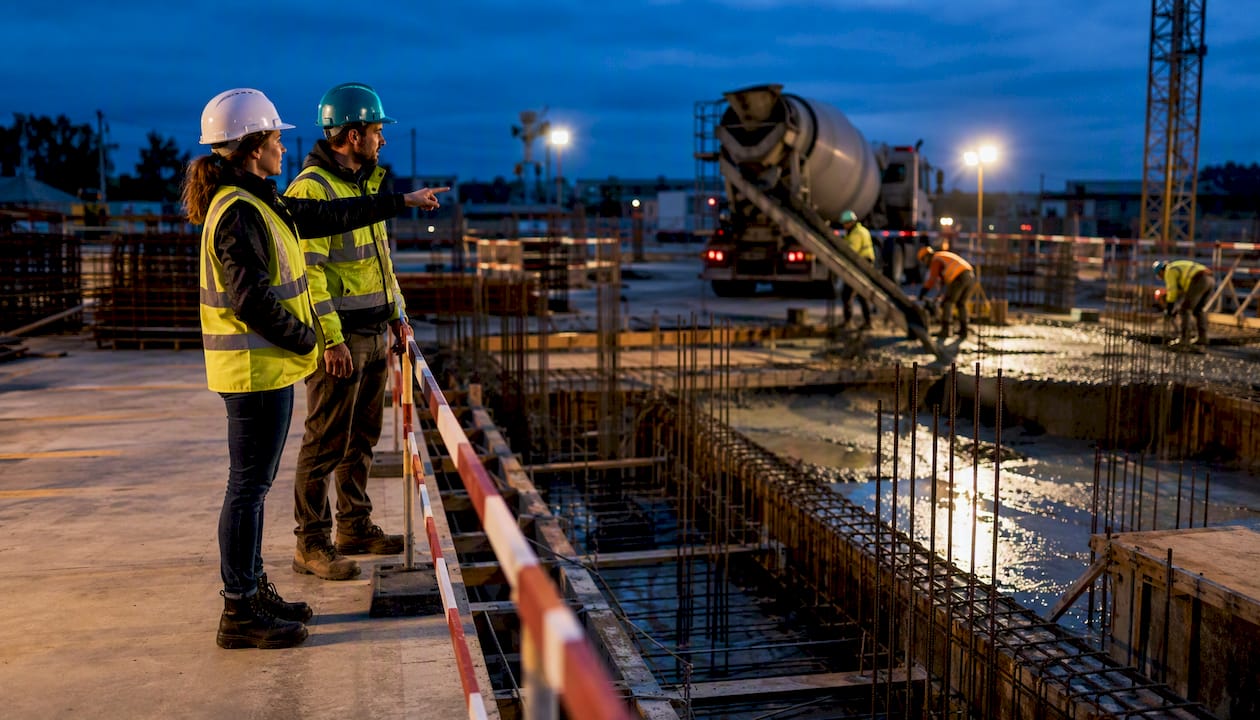
In construction environments, one of the most common issues is the gap between head office systems and site execution. Management may believe controls are in place because procedures have been issued. On site, supervisors may be dealing with changing work fronts, manpower turnover, subcontractor interfaces, and short lead times that create drift from the written process. That does not mean the team is careless. It means the system is under pressure, and pressure exposes weak control points.
A wsh gap analysis consultant should be able to identify not only what is missing, but why the gap exists. If permit checks are inconsistent, is it a training issue, a supervision issue, a form design problem, or a workload problem? Corrective action is much more effective when the root cause is understood.
When the right time is not after a problem
Some companies wait until after a stop-work event, a major near miss, or a failed audit to review their systems. By then, the gap analysis becomes reactive and more expensive in practical terms. Operations may be disrupted, client confidence may be reduced, and internal teams are forced to fix problems under pressure.
The better time is before exposure increases. That may be before applying for BizSAFE or ISO certification, before onboarding to a major client site, before expanding into higher-risk activities, or before tendering for projects with stricter compliance expectations. Early review gives management room to prioritize actions, assign responsibilities, and improve controls without trying to rebuild the system in a week.
This is especially relevant for firms moving from smaller projects to more regulated or higher-value contracts. What worked for a lean operation with limited scope may not be enough once there are more workers, more subcontractors, more simultaneous tasks, and more scrutiny from clients and authorities.
What to look for in a WSH gap analysis consultant
Not every consultant approaches gap analysis with the same level of rigor. Some focus heavily on templates and generic compliance lists. Others understand how safety systems function in real operating environments. For most businesses in construction and industry, the second approach is the one that creates value.
Look for practical sector experience. A consultant should be comfortable assessing both management systems and field controls. They should understand how regulations, audits, training, documentation, and site supervision connect. If they cannot speak clearly about the realities of contractor coordination, permit controls, or implementation barriers, the review may remain too theoretical.
You also want clarity on scope. A gap analysis can be broad or narrow. It may cover your overall WSH management system, or it may focus on a specific requirement such as contractor management, incident investigation, emergency response, or certification readiness. Neither approach is automatically better. It depends on your immediate objective. If you are preparing for a full external assessment, a system-wide review makes sense. If recent findings point to a specific weakness, a focused review may be the better investment.
Responsiveness matters as well. A good consultant does not simply identify gaps and leave. They help management understand priorities, realistic timelines, and what needs immediate action versus scheduled improvement. That implementation mindset is where firms such as MOSAIC Ecoconstruction Solutions Pte Ltd often add real value – not just through review, but through structured follow-through.
How the process should work
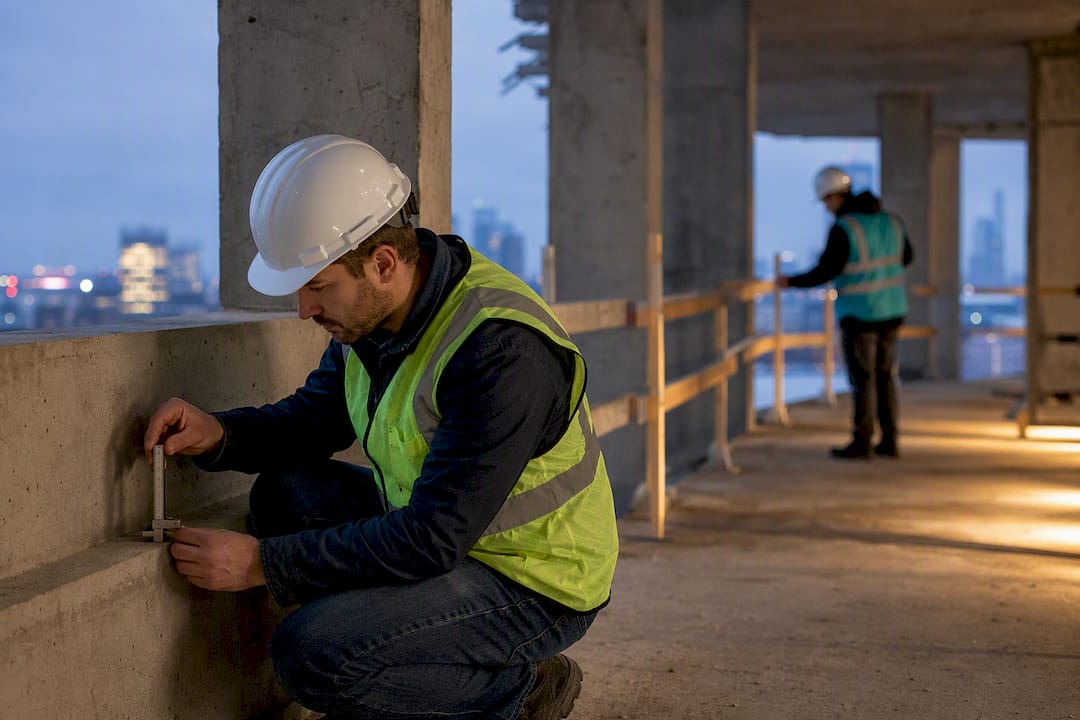
A useful engagement usually begins with document review and scoping, followed by interviews, workplace inspections, and sampling of records and practices. The consultant should align the review criteria with your business needs rather than forcing a one-size-fits-all checklist.
After assessment, findings should be categorized by significance. Some gaps are administrative and easy to close. Others indicate a control weakness that could lead to regulatory issues or elevated incident risk. This prioritization is important because not every finding deserves the same response speed or management attention.
The best reports are straightforward. They explain the requirement, the current condition, the gap, the risk implication, and the recommended action. Business leaders do not need pages of jargon. They need enough detail to make decisions, allocate resources, and hold teams accountable for closure.
The real business value of gap analysis
The strongest reason to engage a consultant is not to produce a cleaner audit file. It is to reduce uncertainty. When leaders know where the gaps are, they can act before those issues affect people, projects, or client relationships.
There is a commercial side to this too. Companies with stronger WSH systems are often better positioned for tender submissions, prequalification reviews, and client confidence checks. They also tend to manage disruption better because roles, procedures, and controls are clearer. That can improve consistency across projects and reduce the scramble that often happens before inspections or external audits.
Still, gap analysis is not a magic fix. If management is not prepared to act on the findings, even the best assessment will sit on a shelf. The value comes from execution – updating documents, strengthening supervision, closing training gaps, correcting unsafe practices, and reviewing whether the improvements are actually working.
A capable WSH system rarely appears all at once. It is built by identifying weaknesses early, correcting them decisively, and making sure the written system reflects the reality of work. If your organization is facing growth, tighter client requirements, or higher operational risk, getting an independent view may be the most practical next step.