Introduction to Workplace Safety
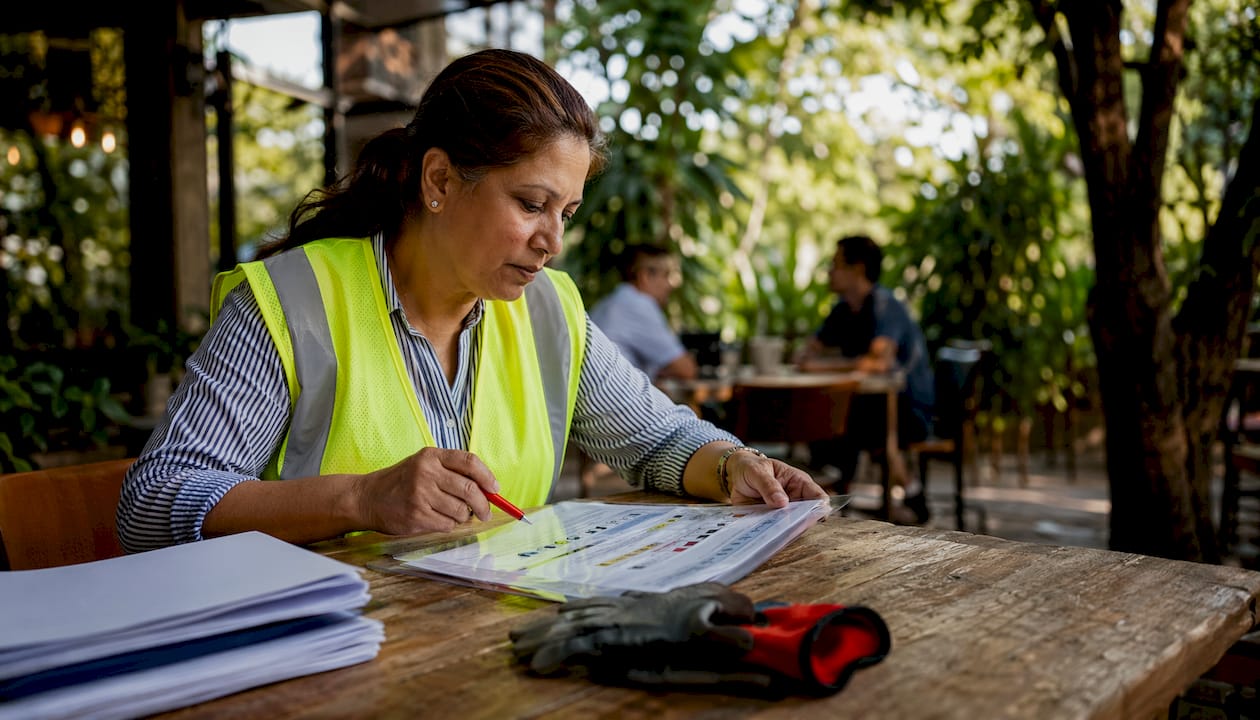
A Safety Time Out (STO) is a planned pause in work operations where management and workers stop their daily routines to review workplace safety and health systems, inspect tools and equipment, assess risks, and reinforce safety protocols before resuming work. It is one of the most direct interventions available for preventing fatal or serious accidents on worksites.
This guide covers how to implement safety time outs effectively, the benefits they deliver, key focus areas during a pause, and the regulatory requirements that govern them-particularly in Singapore where the Ministry of Manpower has formalized the process. It does not cover general safety training programs delivered outside the STO framework. The target audience is construction companies, safety managers, supervisors, and industry partners seeking to reduce workplace incidents and strengthen workplace safety standards through structured operational pauses.
A Safety Time Out is a deliberate pause in work to identify hazards and verify safety controls. During this planned temporary suspension of work operations, organizations commonly review hazards, check safety measures, and discuss incidents. The core purpose of a Safety Time Out is to strengthen safety practices, reinforce safety standards, and ensure hazards are understood before work resumes.
By reading this guide, you will gain:
-
A clear understanding of what a safety time out requires and when to trigger one
-
A step-by-step process for implementing effective safety pauses
-
Knowledge of key hazard areas to address during STOs
-
Strategies for improving safety culture and engaging workers
-
Practical guidance on meeting regulatory compliance obligations
Understanding Safety Time Out
A Safety Time Out is a proactive safety intervention involving temporary work cessation-partial or complete-during which companies take time off from their daily work routine to take stock of and review workplace safety and health systems and work processes, and thereafter implement measures to control risk. Companies temporarily stop work routines to inspect tools and review risk assessments during Safety Time Outs.
The relevance of STOs extends beyond compliance. Seven workers died in five workplace incidents over the past four weeks, prompting the most recent national safety pause. Total workplace fatalities reached 21 in Singapore in 2026 so far, an increase from 18 in the same period last year, underscoring why organizations must remain vigilant. These figures reinforce why addressing workplace risks early through structured pauses remains critical for every organization operating in high-risk sectors.
Implementing Safety Time Outs is a critical intervention to prevent fatalities and reinforce safety culture, especially as workplace safety remains an ongoing priority. Safety Time Outs ensure compliance with the Workplace Safety and Health Act and help organizations address and correct safety gaps before work resumes.
The STO process follows a clear flow: a trigger event (incident spike, scheduled review, or regulatory directive) leads to planning, then execution (risk assessment, worker engagement, hazard review), followed by action plan development, implementation of corrective measures, and follow-up evaluation, with risks managed appropriately before work fully resumes.
Voluntary vs Mandatory Safety Time Outs
Voluntary safety time outs are company-initiated safety pauses driven by internal strategy, observed patterns of near-misses, or a desire for continuous improvement. They reflect a proactive safety management approach where company leaders take ownership of workplace safety outcomes without waiting for regulatory intervention. Benefits include flexible scheduling, the ability to tailor scope to specific workplace risks, and stronger worker buy-in when the pause is perceived as a genuine investment rather than a bureaucratic exercise. Safety Time Outs foster a stronger safety culture when leadership engages in safety reviews voluntarily.
A nationwide voluntary Safety Time-Out typically lasts for two weeks. The Ministry of Manpower initiated the most recent Safety Time-Out on June 26, 2026, calling on employers across high-risk sectors to review work processes during the Safety Time-Out and address safety gaps in workplaces.
Regulatory-Mandated Safety Time Outs
Mandatory STOs are government-required pauses imposed following spikes in workplace fatalities or injuries. In Singapore, the MOM Safety Time Out Requirement circular effective 1 September 2022 made STOs compulsory for specific high-risk sectors including construction, manufacturing, marine, process, transport and storage, and companies using heavy industrial vehicles. This sat alongside enhanced enforcement measures as part of the broader response. Non-compliance carried concrete penalties: companies failing to complete and document their STO were subject to debarment from hiring new work pass holders.
Common triggers for a Safety Time-Out include spikes in injuries, near misses, and new work processes. Safety Time Outs are often triggered after a spike in workplace fatalities or injuries-as occurred in May 2022 when 10 workplace deaths in a single month prompted a two-week national STO. MOM will implement enhanced workplace safety measures and conduct stepped-up inspections to ensure safety compliance, with enhanced measures intended to ensure workplace safety requirements are met.
Such steps also reinforce employer accountability in high-risk sectors.
Understanding why specific safety areas require focused attention during these pauses is essential for making the most of every STO.
Key Focus Areas During Safety Time Outs
The safety areas prioritized during a time out reflect the leading causes of workplace fatalities and major injuries. According to Singapore’s WSH Report 2025, the top incident categories include vehicular incidents, falls from height, slips and trips, machinery incidents, and structural failures. During a typical Safety Time-Out, teams review the “4M” aspects: Method, Machine, Man, Action-examining each dimension across these hazard categories.
Falling Objects Prevention
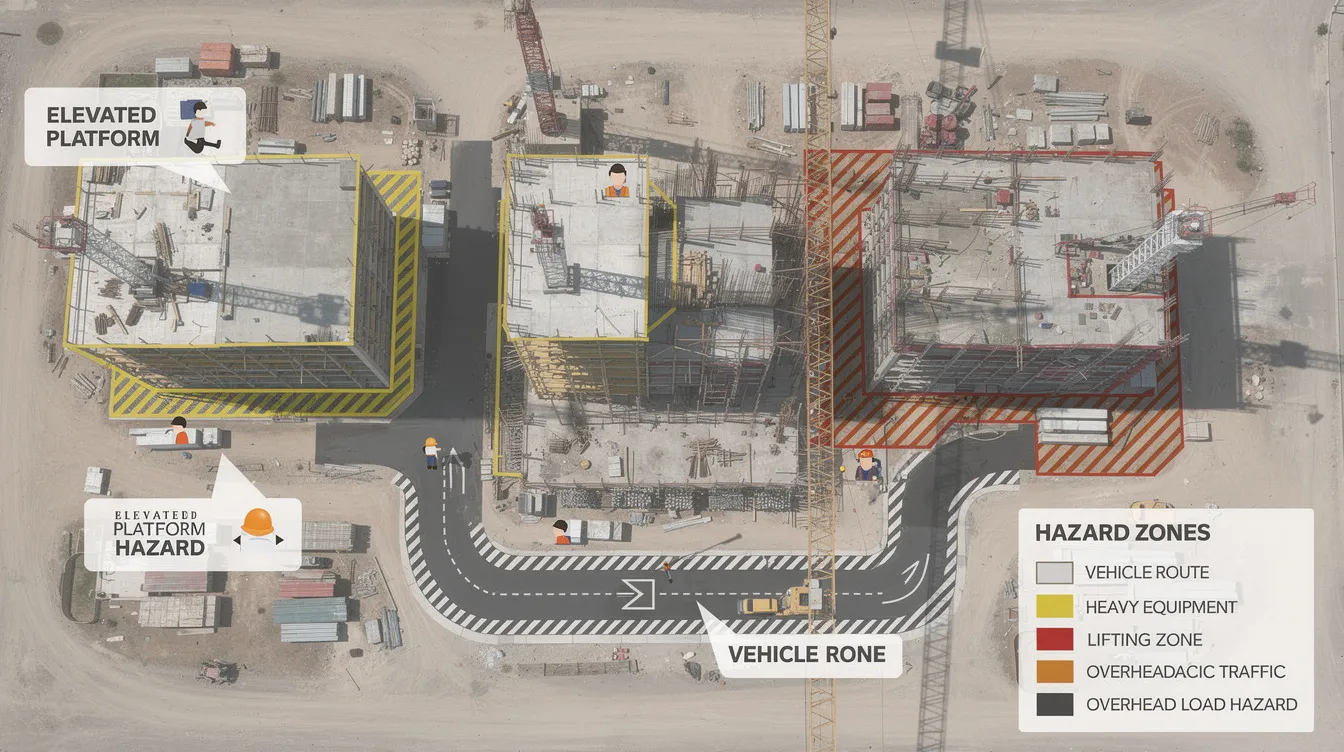
Falling objects represent a persistent and deadly hazard on construction sites and in manufacturing environments. During a safety time out, teams should verify that materials and tools on elevated platforms are secured with toe boards and guardrails. Exclusion zones must be established and clearly marked below any overhead work. Protective measures like safety netting and debris canopies should be inspected for integrity. All handheld tools used at height must be tethered, and storage areas on elevated surfaces need evaluation for stability and load limits.
Vehicular Safety Management
Vehicle related activities remain a leading cause of workplace deaths. In 2025, six of 36 workplace fatalities in Singapore were work-related traffic accidents. A vehicular-focused STO was called in January 2026 following four vehicle-related workplace fatalities in December. During an STO, companies should review traffic management plans for onsite vehicles, inspect designated routes and speed controls, verify operator licensing and competency, and check vehicle condition-brakes, lighting, mirrors, and seatbelt functionality in forklifts and lorries.
Safe Lifting and Rigging Operations
Lifting and rigging failures can cause catastrophic injuries. STOs focused on this area should include inspection of all lifting equipment-slings, chains, shackles, and cranes-before use. Load calculations must be verified against weight ratings. Communication protocols between crane operators, spotters, and ground crews need review, including radio procedures and tag line use. Non-destructive testing for lifting equipment may be required under WSH regulations, and STO documentation should confirm these inspections are current.
Working at Heights Safety
Falls from height consistently rank among the top causes of workplace fatalities. Adequate risk controls for height work include personal fall protection systems (harnesses, lanyards), compliant guardrails, properly erected scaffolding, and systematic ladder selection and inspection. Fragile surface assessments deserve particular attention-the May 2022 national STO specifically highlighted incidents involving workers falling through fragile surfaces. Construction-related deaths doubled between July and October 2024, with falls from height a significant contributor.
These risk areas are often interconnected: a vehicular incident may involve an elevated work platform, or a falling object may result from a structural failure at height. STOs should address these overlapping hazards rather than treating each in isolation.
Understanding what to focus on leads naturally to the question of how to execute an STO effectively.
Implementing an Effective Safety Time Out Program
Building on the critical focus areas above, a systematic implementation approach ensures that safety time outs produce measurable workplace safety outcomes rather than becoming perfunctory exercises.
Safety Time Out Implementation Process
Safety Time Outs are conducted after a fatality or serious injury occurs, but they can also be triggered by scheduled reviews, near-miss trends, or regulatory directives. Employers should regularly review workplace risks during the Safety Time-Out regardless of the trigger.
-
Pre-planning and stakeholder notification – Define objectives, scope (which hazards, which operations, which sites), and the minimum duration of the pause. Notify all stakeholders: senior management, supervisors, safety professionals, workers, union representatives where applicable, and industry partners. Transparency at this stage builds trust and reduces resistance.
-
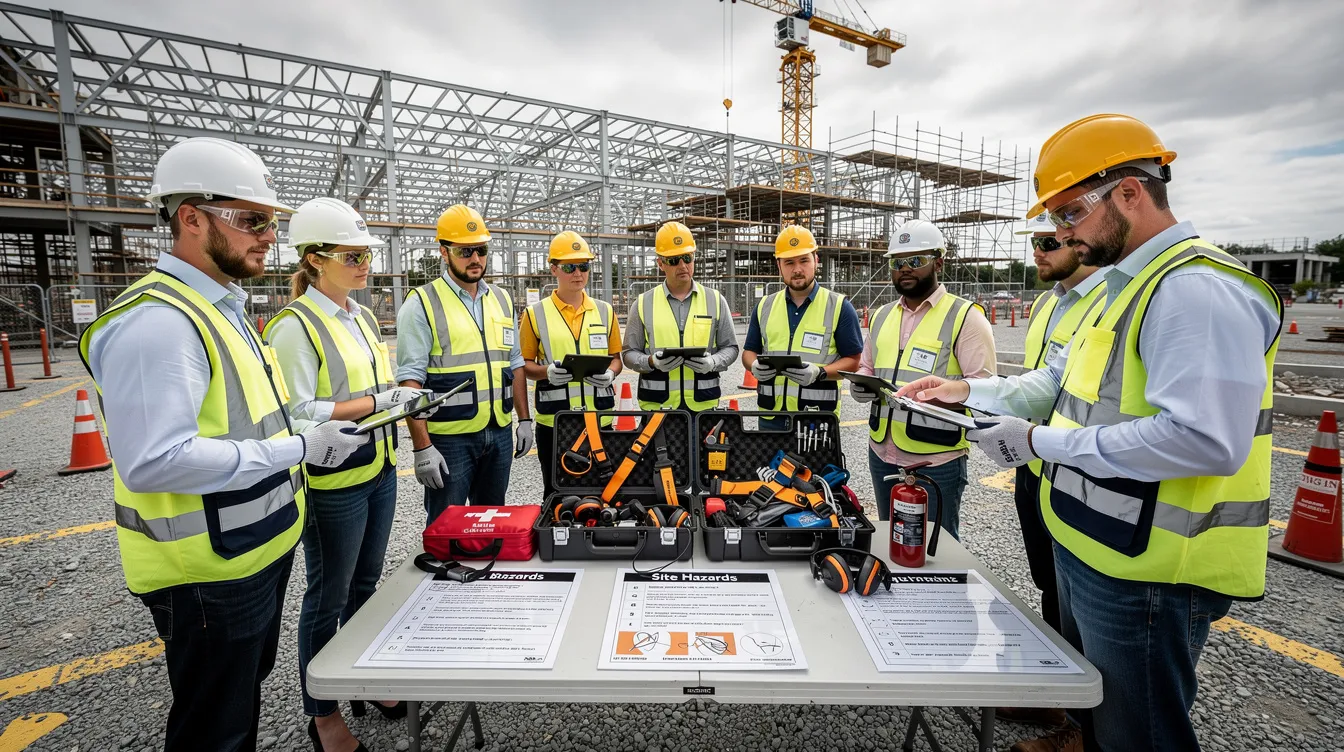
Risk assessment and hazard identification workshops – Conduct structured reviews using the “Man, Machine, Method, Environment” framework. Use job hazard analysis tools, near-miss data, and the WSH Council STO checklist. Companies review and strengthen risk management systems during Safety Time-Outs. Safety Time-Outs allow for proactive hazard identification by pausing operations.
-
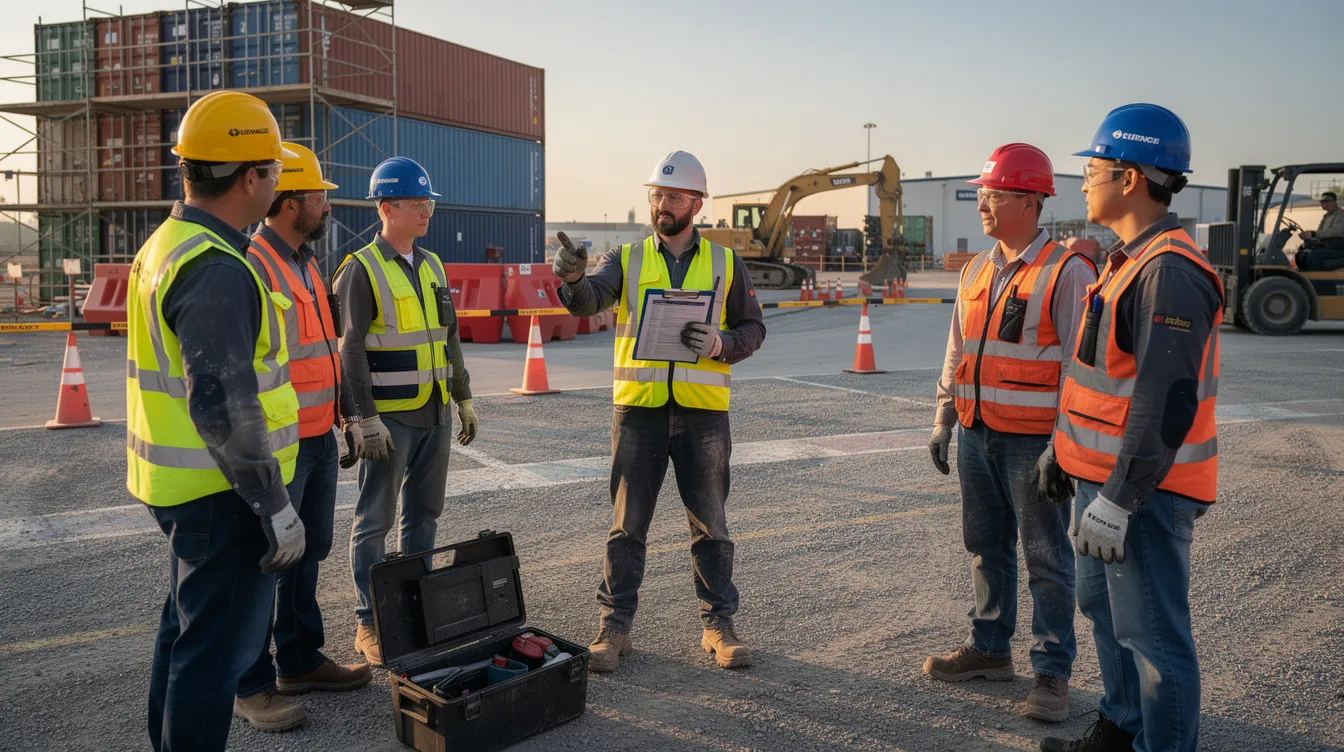
Management-worker engagement sessions and safety discussions – Companies typically stop affected work to conduct walkabouts during Safety Time-Outs. Safety Time Outs enhance active senior management engagement with site teams. Engage workers through toolbox talks, encouraging them to promptly raise concerns about unsafe situations and remain vigilant. Ensure no reprisal for reporting safety concerns. Workers should be encouraged to report whenever they encounter unsafe situations. Addressing root causes of recent accidents during Safety Time-Outs helps prevent future incidents.
-
Action plan development – Assign specific responsibilities and timelines for each corrective action. Categorize by urgency and risk level. Ensure resources are allocated for equipment repairs, safety investments, new signage, or additional training. Employers must ensure adequate risk controls and supervision arrangements are in place.
-
Documentation and communication – Maintain formal records: completed checklists, meeting minutes, hazard registers, attendance logs. Disseminate findings to all workers via briefings and posted notices. This evidence is essential-particularly where mandatory STOs require proof of compliance. Implementing Safety Time-Outs helps organizations address and correct safety gaps before work resumes.
-
Follow-up monitoring and effectiveness evaluation – Track incident rates, near misses, and audit compliance after the STO. Verify whether action items were completed on schedule. MOM will monitor workplace safety performance closely. Singapore’s fatal injury rate dropped to 0.96 per 100,000 workers in 2025-a record low-while the construction sector’s major injury rate fell from 31.0 in 2024 to 26.3 per 100,000 workers in 2025, demonstrating the impact of sustained safety interventions to improve workplace safety outcomes and strengthen industry vigilance over time.
Safety Time Out Duration and Timing Comparison
Selecting the right duration depends on company size, the number of sites involved, the severity and frequency of recent incidents, and whether the STO addresses single or multiple hazard areas.
|
Duration |
Scope |
Best For |
|---|---|---|
|
Half-day STO |
Single hazard focus (e.g., scaffold safety, vehicular routes) |
Specific incident response |
|
1-day STO |
Multiple safety areas at one site |
Routine safety reviews or phase transitions |
|
2-week STO |
Comprehensive company-wide or multi-site review |
Industry-wide safety initiatives or regulatory-mandated heightened safety periods |
A nationwide voluntary Safety Time-Out lasts for two weeks, as seen in both the May 2022 and June 2026 national STOs. For targeted responses-such as following a single serious incident on one site-a half-day pause with deep focus on the relevant hazard category may be sufficient. Timing should ideally avoid peak production periods, though when mandatory, the schedule is fixed. Safety Time Outs increase worker vigilance and refresh training on safety protocols regardless of duration.
Employers should foster a culture prioritizing workplace safety so that time invested in STOs is viewed as protection, not production loss. This connects directly to the implementation challenges most organizations face.
Common Challenges and Solutions
Even well-intentioned safety time out programs face practical obstacles. Recognizing these challenges early allows organizations to design STOs that deliver genuine improvement rather than checkbox compliance.
Worker Engagement and Participation
Resistance to safety discussions often stems from workers viewing STOs as a managerial ritual disconnected from their daily reality. Supervisors play a key role in identifying workplace risks, but individual worker lapses and disengagement undermine the process. Address this by ensuring sessions are genuinely participatory: use structured facilitation techniques, provide anonymous channels for reporting safety concerns, and establish incentive programs for near-miss reporting. Safety Time-Outs promote a culture where reporting risks is encouraged. When workers see that their input leads to tangible changes-a repaired guardrail, a revised traffic plan-engagement increases naturally. This is especially important for new migrant workers who may be unfamiliar with local workplace safety requirements and less confident about raising concerns.
Production Pressure and Time Constraints
Production targets and tight schedules create resistance to stopping work. Address this by scheduling STOs during naturally lower-productivity periods where possible, or by breaking longer STOs into segments across shifts. The cost-benefit case is strong: quantify the financial impact of workplace accidents-medical assistance costs, regulatory penalties, project delays, reputational damage-against the relatively modest cost of a planned pause. Safety Time-Outs provide benefits including injury reduction and improved communication, both of which support long-term productivity. Nineteen workplace deaths occurred from January to June 2024, each carrying enormous human and financial costs that dwarf any production pause.
Documentation and Follow-through
The most serious workplace safety lapses resulting from STOs are not gaps identified during the pause but failures to act on findings afterward. Assign employer accountability for each action item, use digital safety management software for tracking completion, and schedule follow-up audits at defined intervals. Where needed, route findings through a health taskforce or equivalent internal review group to confirm actions are implemented. Integrate STO outcomes into safety committee reviews and individual performance metrics. Continued vigilance after the STO period is what separates organizations that improve safety outcomes from those that simply go through the motions, and that follow-through also supports multi agency workplace safety coordination with regulators. Safety Time Outs help foster a culture of safety awareness only when follow-through is consistent.
These challenges are manageable with the right systems in place-and the payoff in reduced incidents and stronger safety culture is substantial.
Conclusion and Next Steps
Safety Time Outs remain one of the most effective tools for preventing workplace fatalities and serious injuries. By deliberately pausing operations to review risks, engage workers, and reinforce risk controls, organizations create structured opportunities to catch hazards before they cause harm—a practical priority underscored by the workers lost in recent incidents. The evidence supports their impact: Singapore’s workplace safety performance has improved measurably in sectors where STOs have been systematically implemented, with fatal injury rates reaching record lows.
Take these immediate steps to strengthen your safety time out program:
-
Schedule your next safety time out – Set a date within the next 30 days, defining scope and objectives based on your most pressing workplace risks
-
Identify current safety priorities – Review recent incident data, near-miss reports, and inspection findings to determine focus areas
-
Engage management support – Secure visible commitment from company leaders to participate in walkabouts and engagement sessions
-
Establish a documentation system – Implement digital tracking for STO findings, action items, and completion status to strengthen compliance and accountability
-
Plan follow-up evaluation – Schedule a review 30 days post-STO to assess whether corrective actions were completed and whether safety metrics improved
Related topics worth exploring include incident investigation procedures, safety training programs for high-risk operations, and the emerging role of AI-powered hazard detection systems such as SafeSite, currently being trialled at 14 construction sites in Singapore to detect common work hazards in real time.
Additional Resources
-
WSH Council Safety Time Out Checklist – The official STO checklist from Singapore’s WSH Council provides detailed items covering risk assessments, machinery fitness, personnel competency, incident learning, and worker engagement
-
MOM Regulatory Guidance – The MOM Safety Time Out Requirement Circular details mandatory requirements for high-risk sectors, compliance timelines, and penalty structures
-
WSH National Statistics – The WSH Report 2025 provides comprehensive data on fatality and injury rates by sector, enabling companies to benchmark their workplace safety performance
-
Safety Management Software – Digital platforms for tracking STO findings, action items, and compliance documentation help ensure follow-through and support audit readiness