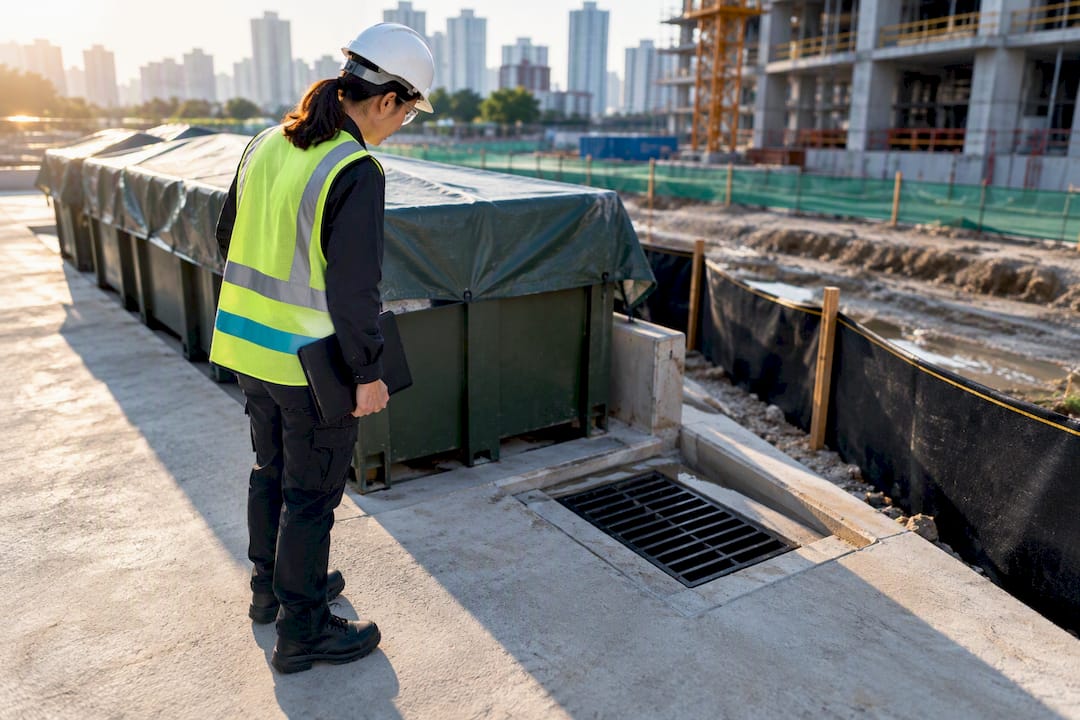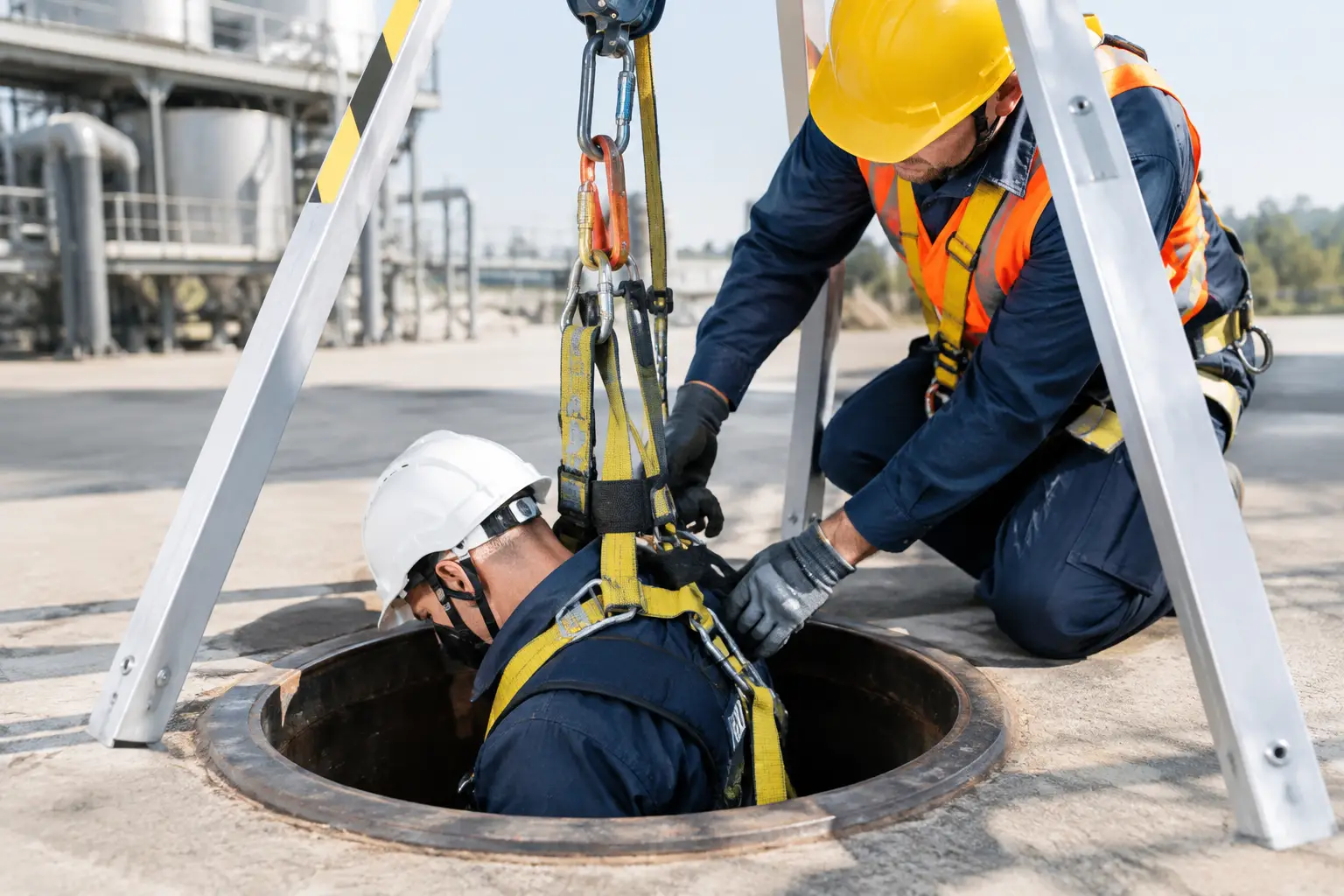

A hazardous detail can be locked into a project long before the first worker arrives on site. A narrow maintenance access route, an unprotected edge, an overloaded temporary works sequence, or a specification that cannot be installed safely may look minor on a drawing. Once construction is underway, however, correcting it can cause delay, cost escalation, and unnecessary exposure to harm.
Principal designer safety coordination provides the structure to identify and manage these risks while design choices can still be influenced. It connects the client, designers, engineers, contractors, and safety professionals around a practical objective: eliminate foreseeable hazards where possible, reduce those that remain, and communicate residual risks clearly to the people who will build, maintain, alter, and eventually remove the asset.
For construction and industrial projects, this is not a paperwork exercise. Effective coordination supports safer design decisions, stronger contractor planning, and better control of compliance obligations throughout the project lifecycle.
What principal designer safety coordination means
The principal designer is typically the party responsible for coordinating safety and health considerations across the design process. The exact legal title, scope, and appointment requirements vary by jurisdiction and contract. In Singapore, these responsibilities should be considered alongside applicable Design for Safety requirements, Workplace Safety and Health obligations, client requirements, and project-specific risk controls. For projects operating across regions, the project team should confirm which regulations and duty-holder roles apply before work begins.
Regardless of the formal title, the coordination function has a clear operational purpose. It ensures that design risk is not handled in isolated disciplines. An architect may address access and egress, a structural engineer may address stability and construction sequencing, and an MEP designer may address plant-room maintenance. If those decisions are not coordinated, risks can transfer from one package to another and emerge later as site constraints.
A competent principal designer brings these interfaces into view early. The role asks practical questions: Can the proposed structure be built in the intended sequence? Is there adequate space to lift, install, inspect, and replace equipment? Does the specification create avoidable exposure to work at height, confined spaces, heavy manual handling, or hazardous substances? What information does the contractor need before mobilization?
Why design-stage coordination changes project outcomes
Construction teams are often asked to solve risks created upstream. They may rely on temporary measures, additional manpower, restricted work periods, or complicated work method statements to manage a hazard that could have been designed out. These controls may be necessary, but they are rarely the most reliable starting point.
Design-stage safety coordination shifts the conversation from “How can workers work around this?” to “Why does this hazard need to exist?” That distinction matters. Eliminating a need for routine roof access through equipment selection, for example, is usually more dependable than relying on repeated fall-prevention controls over the life of a facility.
The business case is equally practical. Early risk reviews can reduce redesign, prevent late clashes between work packages, improve tender clarity, and help contractors price and plan the work more realistically. They also create a more defensible record that foreseeable risks were considered and communicated rather than left to site teams to discover under schedule pressure.
This does not mean every risk can be removed. Complex projects involve technical, operational, architectural, budgetary, and program constraints. The goal is proportionate control. A design decision may be accepted when alternatives are impracticable, provided the remaining risk is understood, justified, and passed on with usable information.
The coordination activities that matter most
Start with reliable project information
Safety coordination is only as good as the information available. Existing site surveys, utility records, geotechnical data, hazardous-material information, operational constraints, client standards, and lessons from similar projects should be gathered early. Gaps in baseline information are a common source of unsafe assumptions.
For refurbishment and industrial work, the existing environment deserves particular attention. Live operations, unknown services, restricted access, asbestos or other hazardous materials, and interface risks with occupants can significantly change the construction approach. A design team should not treat these conditions as contractor issues to be addressed after award.
Run focused design risk reviews
Design risk reviews work best when they are tied to real design decisions and conducted at meaningful project gateways. Generic hazard registers copied from a previous project do not provide adequate control. The discussion should focus on the methods, sequences, access needs, interfaces, and foreseeable failure modes associated with the specific design.
A useful review records the hazard, the person or group exposed, the design options considered, the agreed control measure, the party responsible, and the information that must be carried forward. This creates accountability without turning the process into an administrative burden.
Higher-risk topics normally require deeper review, including work at height, lifting operations, excavation, demolition, structural stability, fire and emergency access, temporary works, confined spaces, energized systems, and maintenance access. The priority depends on the project. A warehouse extension may center on lifting and steel erection, while a process-plant modification may be driven by isolation, shutdown, and live-plant interface risks.
Coordinate across disciplines and construction packages
Many serious issues sit at the boundary between scopes. A plant room may be designed with sufficient equipment clearance but no safe route for future replacement. A façade concept may meet performance requirements but leave no practical access for installation or cleaning. A structural design may be sound in its permanent condition while requiring a difficult or unstable temporary condition during erection.
The principal designer should bring the relevant parties together before these issues become site instructions. This includes specialist designers and, where appropriate, experienced contractors or constructability advisors. Early contractor input can be valuable, but it should not be used to avoid the designer’s responsibility to consider foreseeable construction risk.
Maintain a clear residual-risk record
Residual risks are not simply a list of everything that could go wrong. They are the significant risks that remain after reasonable design measures have been applied and that may not be obvious to those carrying out later work.
The record must be specific enough to support action. “Take care during maintenance” offers little value. “Quarterly filter replacement requires access above an open edge; permanent guarded access platform is provided, and fall-arrest anchor points are located at identified positions” gives the contractor and facility team information they can use.
This record should evolve as the design develops. It must also be transferred into project handover information so that future maintenance, alteration, and demolition teams understand the assumptions and controls embedded in the asset.
Common failures that weaken safety coordination
The most frequent failure is appointing a principal designer too late. By the time detailed design is complete, major choices about layout, structure, access, materials, and construction methodology may be difficult to change. Coordination then becomes a retrospective review rather than a risk-reduction process.
Another problem is treating meetings as evidence of coordination. Minutes show that people met; they do not show that hazards were resolved. Each significant action needs an owner, a deadline, a design response, and confirmation that the response has been incorporated into the latest information.
Projects also lose control when risk registers are disconnected from drawings, specifications, construction sequencing, and tender documents. If the residual-risk information is not visible where decisions are made, it may be ignored or misunderstood by downstream teams.
Finally, organizations can over-rely on a single discipline. Safety coordination requires technical competence, but it also requires authority to challenge assumptions, facilitate decisions, and escalate unresolved risks to the client. A coordinator who merely collects documents cannot perform this role effectively.
Building a stronger coordination process
A practical process begins with a defined appointment, clear scope, and agreed reporting line to the client or project leadership team. The principal designer needs timely access to design information and the ability to engage all relevant disciplines. Safety should be a standing agenda item at design coordination meetings, not a separate meeting held only when a problem occurs.
Project teams should establish design risk review points that align with concept development, design freeze, tender release, pre-construction planning, and handover. The level of detail should increase as decisions become fixed. This approach helps prevent a familiar problem: a risk being identified early but never checked after the design changes.
For organizations managing multiple projects, consistent templates, review criteria, and document controls can improve quality. However, standardization should support professional judgment, not replace it. A high-rise project, a manufacturing retrofit, and a small commercial fit-out require different levels of coordination and specialist input.
MOSAIC Ecoconstruction Solutions supports clients with practical Design for Safety services, risk assessments, documentation, audits, and site-focused safety expertise. The objective is to help project teams translate regulatory and client requirements into controls that work under actual construction conditions.
The right time to address a design hazard is when the team still has choices. Clear ownership, disciplined coordination, and usable residual-risk information give every downstream party a safer and more workable basis for delivering the project.