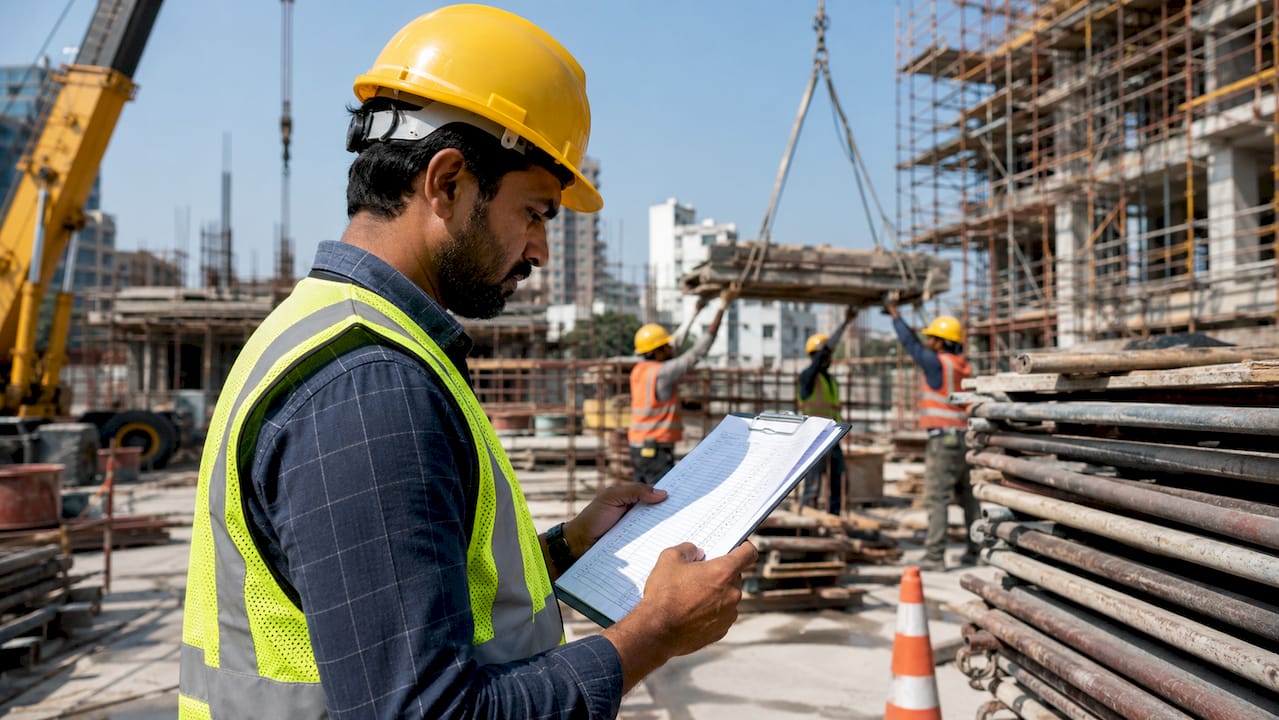

The construction industry in Singapore is a significant contributor to the economy, but it’s also one of the most hazardous, with workers facing risks such as falls, equipment accidents, and exposure to harmful substances.
According to statistics, the construction sector accounts for a disproportionate number of workplace injuries and fatalities, prompting the need for a proactive approach to safety and health management.
By adopting a comprehensive and systematic approach, construction companies in Singapore can reduce risks, protect their workers, and ensure a safer and healthier work environment, ultimately building a stronger and more resilient industry.
Implementing Robust Workplace Safety And Health Management Systems In Singapore Construction Industry Settings
The construction industry in Singapore is known for its high-risk work environment, making it crucial to implement effective safety and health management systems to protect workers.
A well-designed system can help prevent accidents, reduce injuries, and promote a healthy work environment.
By prioritizing workplace safety, construction companies can also enhance their reputation and improve productivity.
The lives of construction workers hang in the balance as they navigate treacherous sites and hazardous conditions every day.
- Effective risk assessment is key to identifying potential hazards and taking proactive measures to mitigate them.
- Regular training and awareness programs can empower workers to take ownership of their safety and make informed decisions on site.
- Implementing technological innovations, such as wearable safety devices and drones, can also help monitor and respond to potential risks in real-time.
Understanding Legal Frameworks And Regulations Governing Workplace Safety In Singapore Construction Sector

The construction sector is a high-risk industry, and it’s essential to understand the legal frameworks that govern workplace safety.
The Singapore government has implemented various regulations and laws to protect workers’ rights and prevent accidents, including the Workplace Safety and Health Act and the Occupational Safety and Health Convention.
These laws outline the responsibilities of employers, employees, and contractors in maintaining a safe working environment.
Employers, employees, and contractors must work together to ensure a safe working environment.
Developing Effective Risk Management Strategies For Construction Sites In Singapore
A notable example of effective risk management in construction is the development of the Marina Bay Sands in Singapore, which involved meticulous planning and execution to minimize risks and ensure a successful project outcome.
The project’s success can be attributed to the implementation of a comprehensive risk management strategy that identified and mitigated potential risks, such as delays and cost overruns.
Effective risk management strategies for construction sites in Singapore involve identifying and assessing potential risks, such as workplace accidents and environmental hazards.
By conducting thorough risk assessments and developing mitigation plans, construction companies can minimize the likelihood and impact of adverse events, ensuring a safer and more productive work environment.
Identifying And Mitigating Common Hazards In Singapore Construction Industry Workplaces
The construction industry in Singapore is a complex and dynamic landscape, where workers navigate a maze of steel and concrete, amidst the cacophony of drilling and hammering, with their safety hanging precariously in the balance.
Identifying and mitigating these hazards is crucial to preventing accidents and ensuring a safe working environment.
The Singaporean government has implemented various regulations and guidelines to promote workplace safety, including the Workplace Safety and Health Act, which provides a framework for managing hazards and reducing risks.
Despite these efforts, common hazards such as falls from heights, electrical accidents, and musculoskeletal disorders continue to pose a significant threat to workers.
By adopting a proactive approach to safety, including regular training and equipment maintenance, construction companies can reduce the risk of accidents and create a safer working environment.
Creating Comprehensive Safety Policies And Procedures For Construction Companies In Singapore

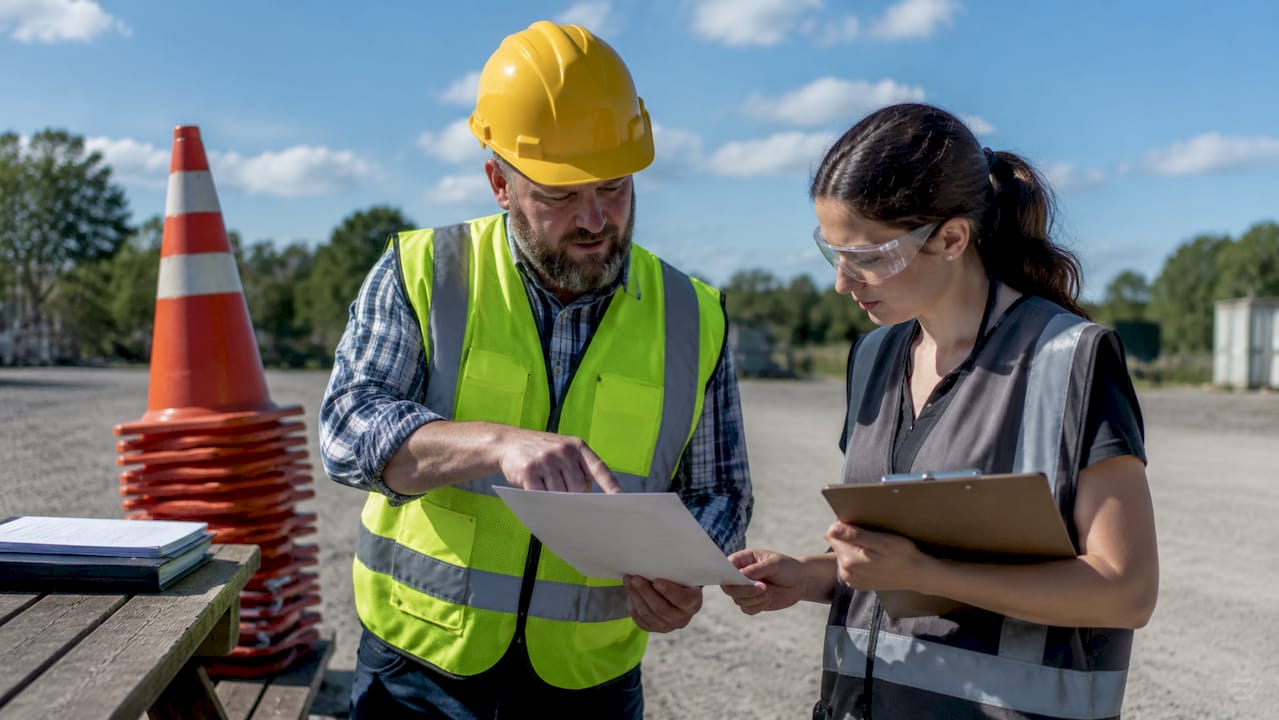
To ensure a safe working environment, construction companies in Singapore must develop and implement comprehensive safety policies and procedures.
This includes conducting regular risk assessments, providing training to employees, and establishing clear protocols for emergency situations.
By doing so, companies can minimize the risk of accidents and injuries, while also complying with relevant regulations and standards.
Effective safety policies and procedures can also help to reduce costs associated with workplace accidents and improve overall business productivity.
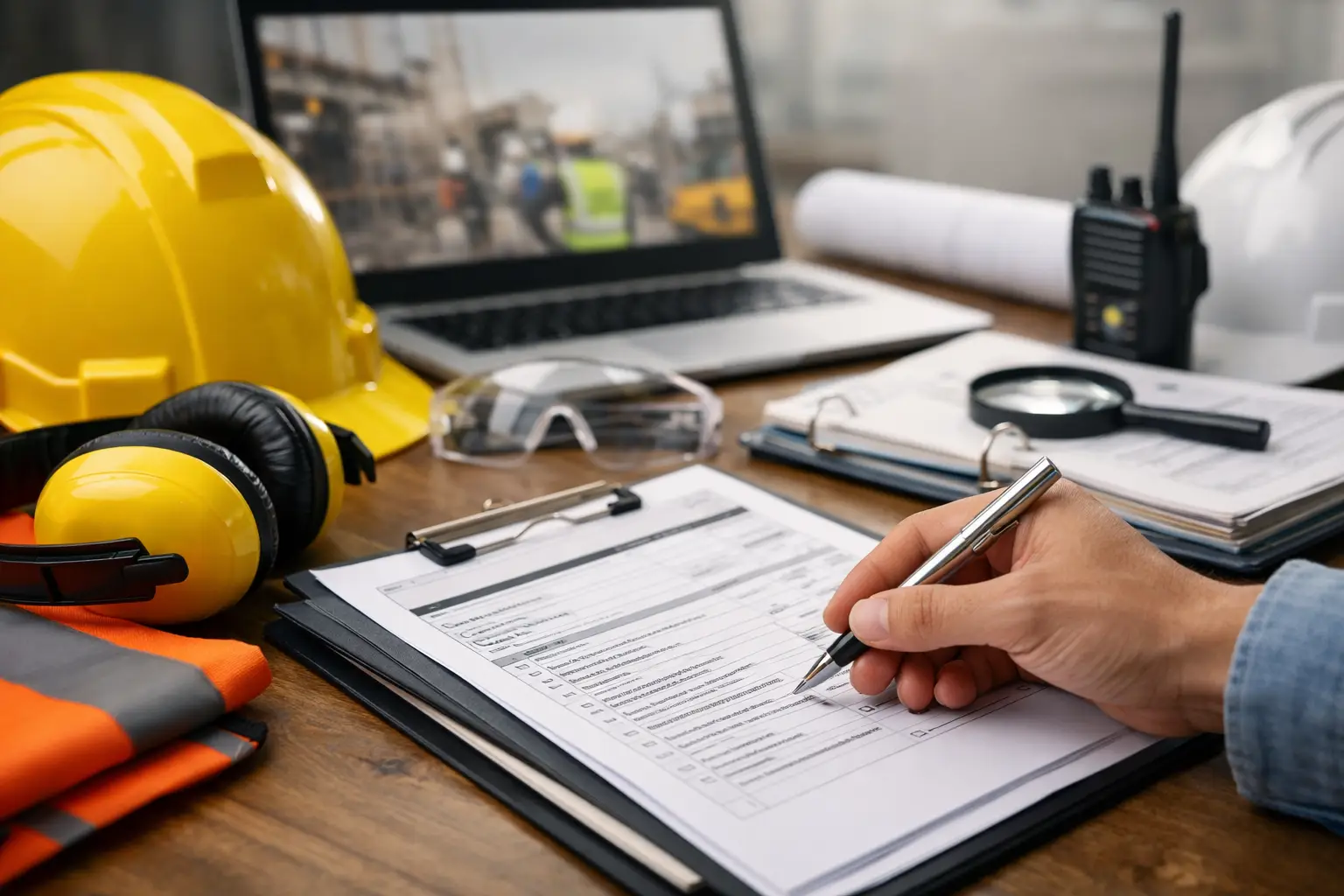
Conducting Regular Risk Assessments And Audits To Ensure Compliance With WSH Regulations
Regular audits are crucial for a safe work environment.
- Conducting thorough risk assessments to identify potential hazards
- Implementing safety protocols to mitigate risks
- Monitoring employee training and compliance with regulations
- Reviewing incident reports to improve safety measures
- Updating safety procedures to reflect changes in regulations
By prioritizing these steps, organizations can ensure compliance with WSH regulations and reduce workplace accidents, ultimately creating a safer and healthier work environment for all employees.
Establishing A Culture Of Safety And Health In Singapore Construction Industry Workplaces
A safe working environment is crucial for productivity and employee well-being.
Safety protocols — like regular training and equipment maintenance — can prevent accidents: a key aspect of a healthy work culture.
Because a workplace free of hazards is essential for the construction industry to thrive in Singapore.
With the construction industry being a high-risk sector, employers must take proactive measures to mitigate risks: this includes conducting regular safety audits and providing personal protective equipment to employees.
Utilizing Technology-Based Safety Solutions To Enhance Workplace Safety In Singapore Construction
Contrary to the common belief that technology hinders human interaction and oversight, technology-based safety solutions can actually augment workplace safety in the construction industry.
In reality, technology-based safety solutions have been proven to reduce workplace accidents and enhance overall safety.
For instance, the use of wearable devices and sensors can detect potential hazards and alert workers in real-time.
“The use of technology in construction can improve safety by up to 50% by reducing the risk of accidents and improving emergency response times”
Maintaining High Safety Standards Through Continuous Monitoring And Improvement In Construction Industry
The construction industry’s inherent risks and hazards necessitate a proactive approach to safety, where continuous monitoring and improvement are crucial to preventing accidents and ensuring compliance with regulatory requirements.
By implementing a robust safety management system, construction companies can identify potential hazards, assess risks, and develop effective mitigation strategies to minimize the likelihood of incidents.
Regular training and awareness programs for employees, as well as the adoption of emerging technologies such as wearable sensors and drones, can also enhance safety standards by providing real-time monitoring and data-driven insights.
Safety is paramount in construction.
A well-implemented safety management system is essential to preventing accidents and ensuring a safe working environment in the construction industry
As the construction industry in Singapore continues to evolve, it is clear that implementing effective workplace safety and health management systems will be crucial in reducing the number of work-related injuries and illnesses.
With the country’s growing infrastructure demands, the onus is on industry leaders to prioritize worker well-being and foster a culture of safety excellence.
A safe and healthy work environment is not just a moral imperative, but a business imperative that can drive productivity, innovation, and growth.
By embracing this mindset, Singapore’s construction industry can build a brighter, safer future for its workers, and in doing so, create a lasting legacy of excellence that will be the hallmark of the city-state’s built environment.