A dropped load, a fall, a vehicle strike, or a near miss can change the direction of a project in seconds. The immediate priority is always emergency response and preventing further harm. But what happens in the hours and days afterward determines whether the organization learns from the event or simply documents it and moves on. This accident investigation guide gives construction and industrial leaders a practical process for finding credible causes, meeting reporting obligations, and turning lessons into safer work.
An effective investigation is not a search for someone to blame. It is a disciplined review of work conditions, planning decisions, supervision, equipment, communication, and controls. When teams reduce an event to “worker error,” they often miss the conditions that made the error likely or left it without a safeguard.
Start the Accident Investigation Guide in the First Hours
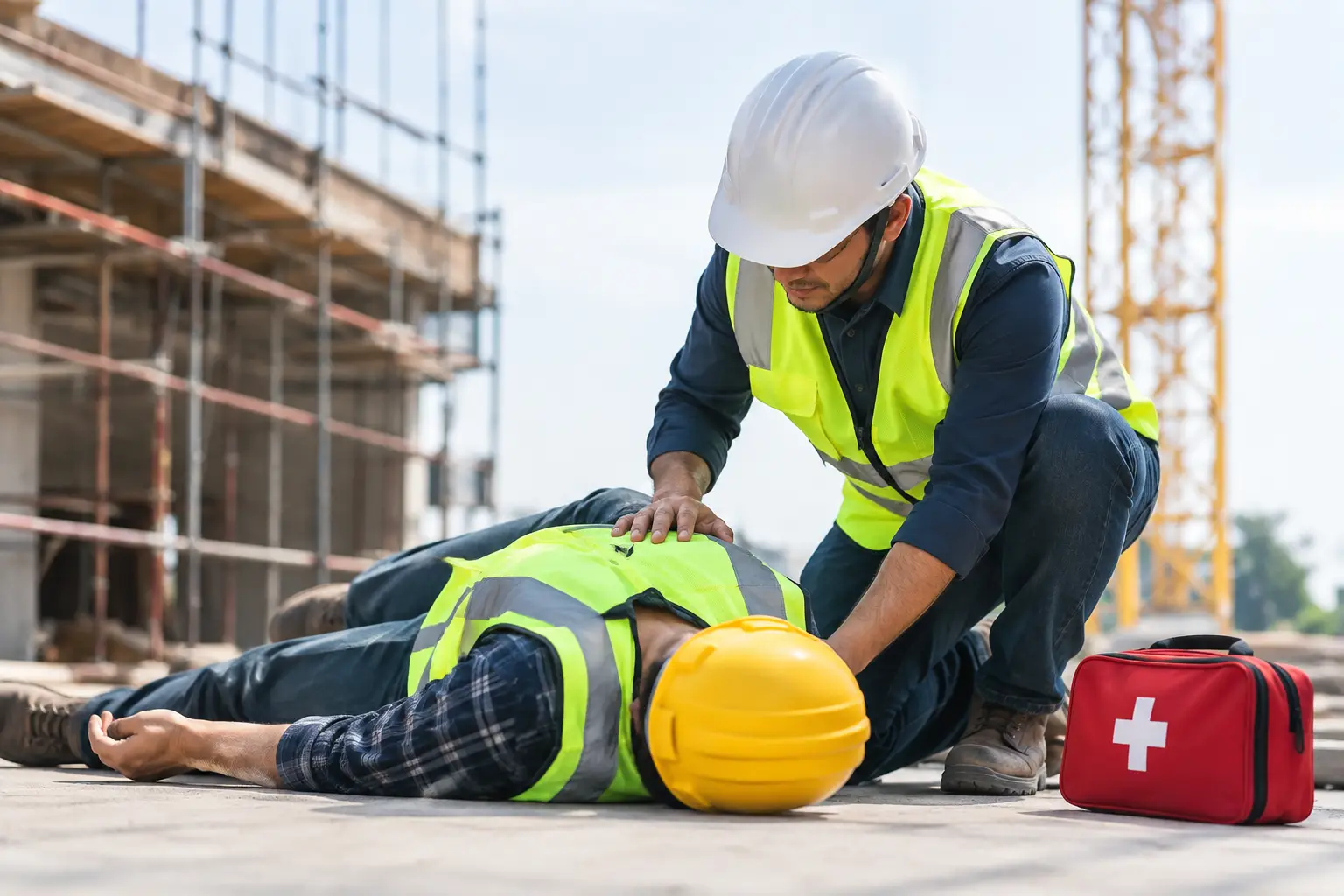
A sound investigation begins once the scene is safe and emergency actions are complete. The incident commander, project manager, or designated safety representative should secure the area without unnecessarily disturbing evidence. This balance matters. Crews may need to isolate energy, stabilize a structure, remove an injured person, or stop adjacent work. Those actions should be recorded as they occur.
Prompt preservation is especially important on active sites, where work areas change rapidly. Weather shifts, housekeeping is completed, equipment is moved, and workers rotate to other tasks. A delayed investigation can leave the team relying on memory rather than facts.
Document the scene through photographs, video, sketches, measurements, and records of equipment settings where relevant. Capture both close-up evidence and wider views that show access routes, exclusion zones, signage, lighting, material placement, and work interfaces. Preserve relevant permits, lift plans, job hazard analyses, pre-task briefings, training records, inspection checklists, maintenance history, and supervisor logs.
Four questions should guide the initial record:
- What happened, based on observable facts?
- Where and when did it occur?
- Who was involved, present, or responsible for the activity?
- What conditions, controls, and work changes existed at the time?
Avoid reaching a conclusion at this stage. Early accounts can be incomplete, particularly when people are injured, distressed, or worried about discipline. Record factual observations separately from assumptions and preliminary opinions.
Meet Reporting and Notification Requirements
Reporting timelines vary by jurisdiction, contract, client requirement, and event severity. A serious injury, fatality, hospitalization, dangerous occurrence, environmental release, or significant property damage may require immediate notification to a regulator or other authority. In the United States, organizations should understand applicable OSHA reporting requirements, as well as state and local rules.
Project leaders should maintain a clear escalation process before an incident occurs. It should identify who contacts emergency services, who notifies senior management and the client, who communicates with regulators, and who has authority to release information externally. Inconsistent or delayed communication can create compliance exposure and undermine confidence in the company’s response.
If legal, insurance, or contractual issues may arise, seek appropriate advice early. The investigation team should still pursue safety facts promptly. Preserving evidence and improving controls should not wait for administrative decisions.
Build a Fact-Based Record
Witness interviews are most useful when conducted as soon as reasonably possible in a private, respectful setting. The purpose is to understand work as it was actually performed, not just as it was written in a procedure. Interviewers should use open questions such as, “Walk me through the task from the start,” or, “What changed before the event occurred?”
Leading questions can distort the account. So can interviewing workers in front of supervisors or coworkers who may influence their answers. Where language is a barrier, use a competent interpreter rather than relying on informal translation for critical details.
Compare accounts with objective evidence. A worker may describe a missing guard, for example, while inspection records show the guard was documented as present earlier in the shift. That difference is not a reason to dismiss either source. It is a reason to investigate when, how, and why the condition changed.
Time sequencing is often the most valuable investigative tool. Build a simple timeline beginning before the work started: planning, material delivery, weather conditions, pre-task briefing, permits, equipment checks, task changes, supervisory visits, and the event itself. This frequently reveals weak handoffs or decisions made under schedule pressure.
Identify Root Causes, Not Just Unsafe Acts
The immediate cause explains the final event. A worker slipped on an oily surface, a load shifted, or a machine guard was bypassed. Those facts matter, but they do not explain why the hazard was available, why it was not detected, or why existing controls failed.
A stronger analysis examines contributing factors across the work system. Consider whether the task was properly planned; whether the risk assessment addressed actual site conditions; whether workers had the right competence, tools, time, and supervision; and whether changes were communicated. Review the effectiveness of engineering controls, administrative controls, and personal protective equipment in that order. PPE has a role, but it should not become the default answer when a hazard could be eliminated, isolated, or better controlled.
The “five whys” method can be useful for straightforward issues, but it has limits. Repeatedly asking why may oversimplify complex incidents involving multiple contractors, design constraints, production demands, or unclear authority. For higher-risk events, use a structured causal analysis that considers people, equipment, materials, environment, procedures, management systems, and organizational decisions.
For example, a reversing vehicle incident may appear to result from a spotter standing in the wrong location. A deeper review may find that the delivery route crossed a pedestrian walkway, the traffic plan was outdated after a site layout change, the driver was unfamiliar with the project, and supervisors had not verified the revised controls. Correcting only the spotter’s behavior leaves the larger exposure in place.
Turn Findings Into Corrective Actions That Work
A corrective action should address a verified cause, have a named owner, include a completion date, and be checked for effectiveness. “Remind workers to be careful” is not a corrective action. It is a vague communication activity with no measurable control.
Prioritize controls that remove or reduce the hazard at its source. This may mean redesigning a delivery route, installing physical barriers, selecting different access equipment, revising a lift plan, improving isolation points, or changing sequencing between trades. Procedural changes, training, and supervision are also necessary when the work process changes, but they should support stronger physical and planning controls.
The action plan should distinguish between immediate, interim, and permanent measures. An immediate control might stop a task and establish an exclusion zone. An interim control could assign a trained banksman and restrict delivery hours. A permanent control may involve a revised traffic management plan, barriers, site induction updates, and verification during weekly inspections.
Before closing an action, test whether it works in field conditions. Ask the crew whether the change is practical, whether it creates new risks, and whether it can be consistently maintained. A control that looks effective in a meeting but slows a critical workflow without providing a workable alternative may be bypassed under pressure.
Use Investigation Findings to Strengthen the Safety System
The final report should be clear enough for management to act on and detailed enough to withstand review. It should separate factual evidence, analysis, findings, and recommendations. Include the event classification, timeline, injuries or damage, relevant photographs or diagrams, causal factors, corrective actions, owners, and verification status.
For contractors and industrial organizations, the report should also feed into wider management processes. Update risk assessments, safe work procedures, toolbox talks, training matrices, inspection criteria, subcontractor controls, and audit programs where the findings apply. A single event may reveal a gap that exists across several projects, not only at the original location.
Trend analysis matters as much as individual case review. Repeated near misses involving mobile equipment, hand injuries, dropped objects, or work at height may signal a systemic weakness even when no single event is severe. Leading indicators, such as overdue inspections, incomplete pre-task briefings, repeat observations, and unclosed corrective actions, can help teams intervene before an injury occurs.
MOSAIC supports organizations that need practical investigation processes integrated with their broader safety, quality, and compliance systems. The goal is not paperwork for its own sake. It is reliable operational control that stands up during site inspections, client reviews, and real work conditions.
A well-run investigation should leave the workforce with evidence that management listens, acts, and follows through. When workers see hazards corrected rather than merely reported, incident reporting becomes more credible – and the next warning sign is more likely to be raised before someone gets hurt.