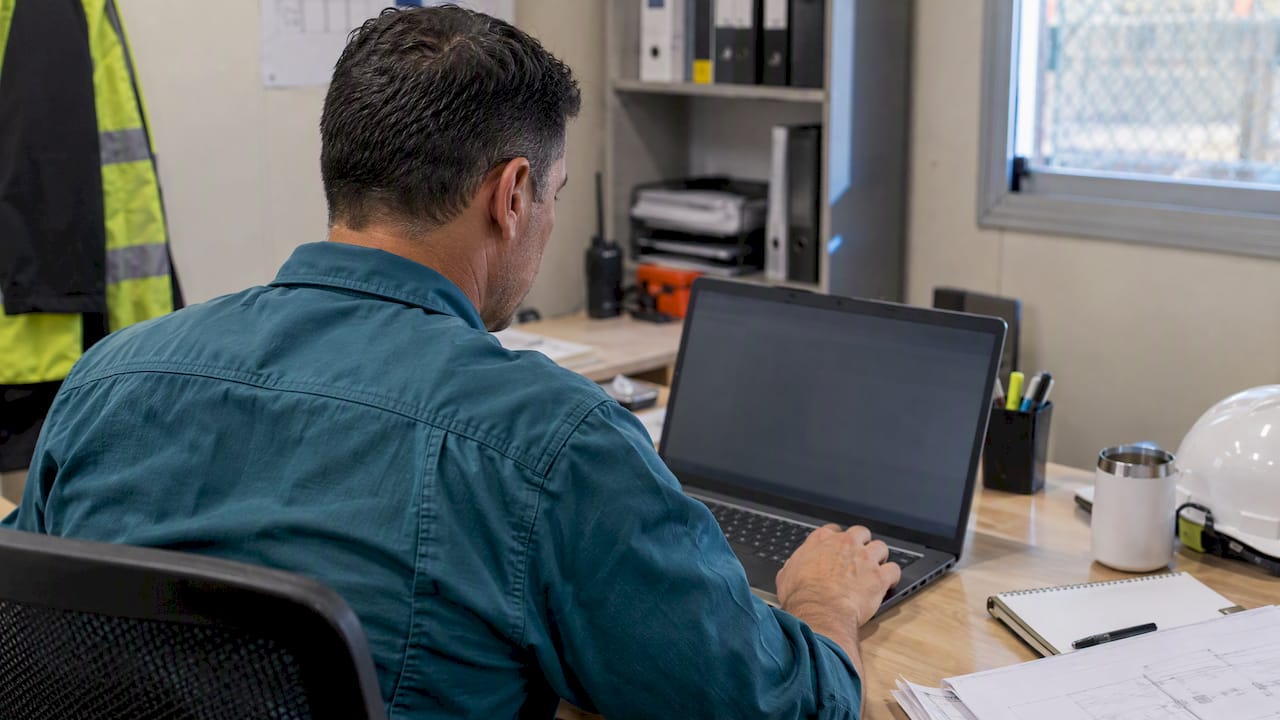
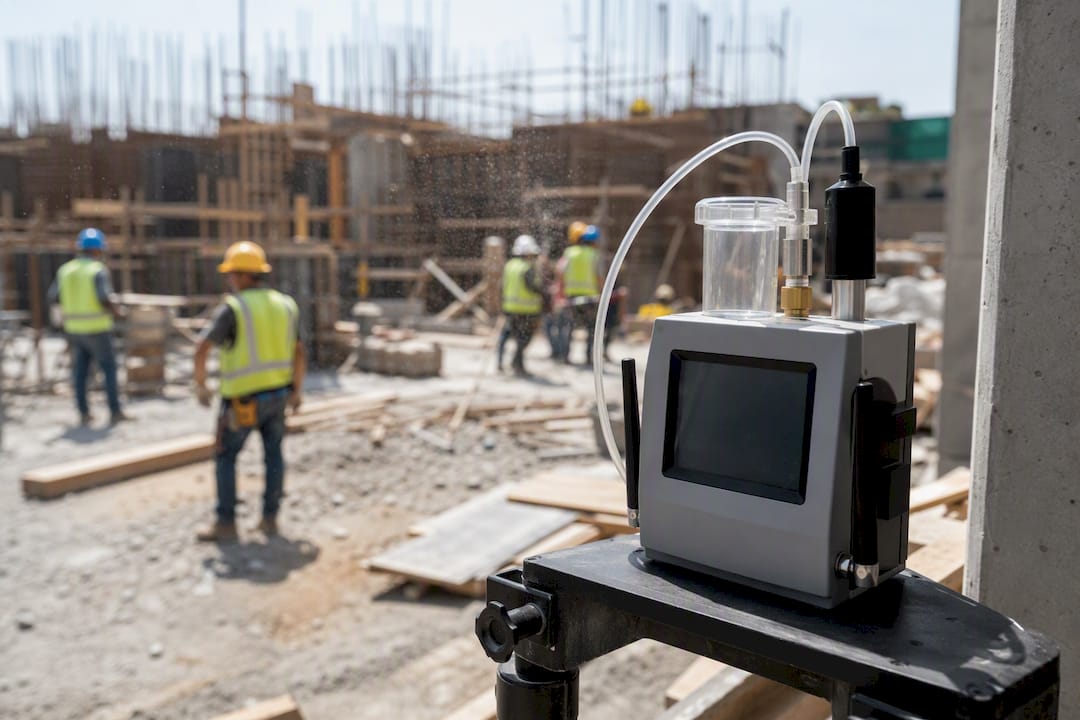
Occupational health surveillance is the ongoing, systematic collection and analysis of workers’ health and exposure data to detect work-related ill health early and drive prevention. It is population-focused, not a one-off checkup, and its entire value lies in triggering better controls before an exposure becomes an illness. If you manage a construction or industrial site, the immediate action is this: pull out your existing risk assessment, identify which exposures already meet a statutory trigger for surveillance, and bring in a competent occupational health professional to scope the response.
- Review your risk assessment for noise, dust, vibration, or chemical exposure gaps
- Confirm whether any exposure meets a statutory surveillance trigger under MOM guidance
- Engage a competent occupational health professional before committing to a testing schedule
Key Takeaways
Occupational health surveillance works because it converts repeated exposure and health data into specific control changes, not just a compliance record.
| Point | Details |
|---|---|
| Surveillance is population-based | It tracks workforce trends to catch early ill health, unlike individual medical screening. |
| Triggers come from residual risk | Noise, dust, vibration, and solvents commonly trigger statutory surveillance after controls are applied. |
| Combine exposure and health data | Reading dosimetry and audiometry together gives a clearer signal than either alone. |
| Confidentiality is non-negotiable | Restrict access, report in aggregate, and set a written retention policy for health data. |
| MOSAIC scopes surveillance within audits | MOSAIC integrates surveillance scoping into existing safety audits and certification workflows. |
Where to check the official guidance
- MOM: Singapore’s regulator page on monitoring and surveillance obligations
- HSE: UK program design and statutory trigger examples
- PMC and CDC/NIOSH: technical review literature on definitions and methods
- ILO: ethical and technical guidelines for handling worker health data
This article is general information, not a substitute for advice from a qualified doctor. Consult a qualified healthcare professional about your own circumstances before acting on anything here.
Table of Contents
- Occupational Health Assessment vs. Medical Screening and Monitoring
- When Health Surveillance Is Legally Required
- Health Monitoring Methods: Exposure Data and Clinical Checks
- How to Design a Program That Actually Works
- Handling Worker Health Data Ethically
- The Business Case: What Surveillance Actually Delivers
- Building a Compliant Surveillance Program
- Sources
Occupational Health Assessment vs. Medical Screening and Monitoring
These three terms get mixed up constantly, and the mix-up costs money. Occupational health surveillance is population-based and prevention-focused: it tracks trends across a workforce to catch early warning signs and feed that data back into control decisions. Medical screening, by contrast, is an individual diagnostic exercise, often done once to check fitness for a task. General health monitoring can mean almost anything, from a wellness app to a blood pressure check at a health fair, with no structured link to workplace hazards at all.
- Surveillance: repeated audiometry across all workers in a noisy zone to detect a rising trend in hearing loss
- Screening: a single pre-employment medical to confirm someone can safely work at height
- Monitoring: general wellness tracking with no tie to a specific occupational hazard
Pro Tip: Before you commission any test, ask whether the result would change a control decision. If the answer is no, you are probably paying for screening dressed up as surveillance.
When Health Surveillance Is Legally Required
Not every job needs a surveillance program, and treating every hazard the same way wastes budget and workforce goodwill. The trigger is almost always a residual risk that remains after you have applied engineering and administrative controls, which is exactly the standard regulators apply when they require hygiene monitoring and medical exams for specific exposures. Common triggers on construction and industrial sites include:
- Noise above action levels in demolition, cutting, or piling work
- Hand-arm vibration from powered tools like breakers and grinders
- Respirable dust and silica from concrete cutting or grinding
- Solvents and isocyanates in paints, adhesives, and coatings
- Asbestos in renovation or demolition of older structures
- Biological agents on sites with wastewater or contaminated ground
- Ionizing radiation for workers using certain testing or imaging equipment
UK HSE guidance treats several of these, including asbestos and lead, as legally mandated triggers, not optional precautions. Singapore employers should always confirm current requirements directly against MOM’s own published thresholds rather than assume a foreign standard applies. A proper risk assessment, not a generic checklist, is what tells you which of these actually apply to your site.
Health Monitoring Methods: Exposure Data and Clinical Checks
A surveillance program runs on two data streams that only become useful when read together. The first is exposure or hygiene monitoring: measuring what workers are actually exposed to, in units regulators recognize.
- Noise dosimetry, measured in decibels (dB) against an eight-hour time-weighted average
- Airborne dust sampling, measured in milligrams per cubic meter (mg/m³)
- Vibration exposure, measured against daily exposure action values
- Chemical air sampling for solvents, fumes, or particulates near their occupational exposure limits
The second stream is clinical or physiological testing on the workers themselves: audiometry for hearing, spirometry for lung function, biological monitoring (blood or urine testing for substances like lead), and skin checks for dermatitis-prone trades.
Combining exposure data with health outcomes is what separates a functioning program from a paperwork exercise. Research on surveillance design shows that linking noise dosimetry with audiometry results gives a far clearer signal of whether hearing protection controls are actually working than either data set alone.
If dust readings sit near the exposure limit and spirometry results across the same crew start trending downward, that combination is your action threshold, not either number in isolation. A single clinical result rarely justifies a control change on its own. A converging pattern across both streams almost always does.
How to Design a Program That Actually Works
A surveillance program is only as good as the risk assessment underneath it. Skip that step and you end up paying for generic tests that miss your site’s actual hazards entirely, which is the single most common way construction firms waste occupational health budget.
- Define the exposed population using role-specific risk data, not job titles alone
- Select indicators that map directly to the hazard (audiometry for noise, spirometry for dust)
- Set sampling frequency and clear action thresholds before testing begins, not after
- Document the data flow: who collects it, who reviews it, and how often it reaches decision-makers
- Assign named responsibility across the employer, the occupational health provider, the safety officer, and a data custodian
- Schedule a formal review, at minimum annually, to check whether findings changed any controls
Pro Tip: Put the review date in writing before the program starts. A surveillance schedule with no scheduled review almost always turns into data collection for its own sake.
Governance matters as much as method here. If nobody owns the step between “here is the data” and “here is the control change we made because of it,” the program has no feedback loop, and a surveillance program without a feedback loop is functionally pointless no matter how good the sampling is.
Handling Worker Health Data Ethically
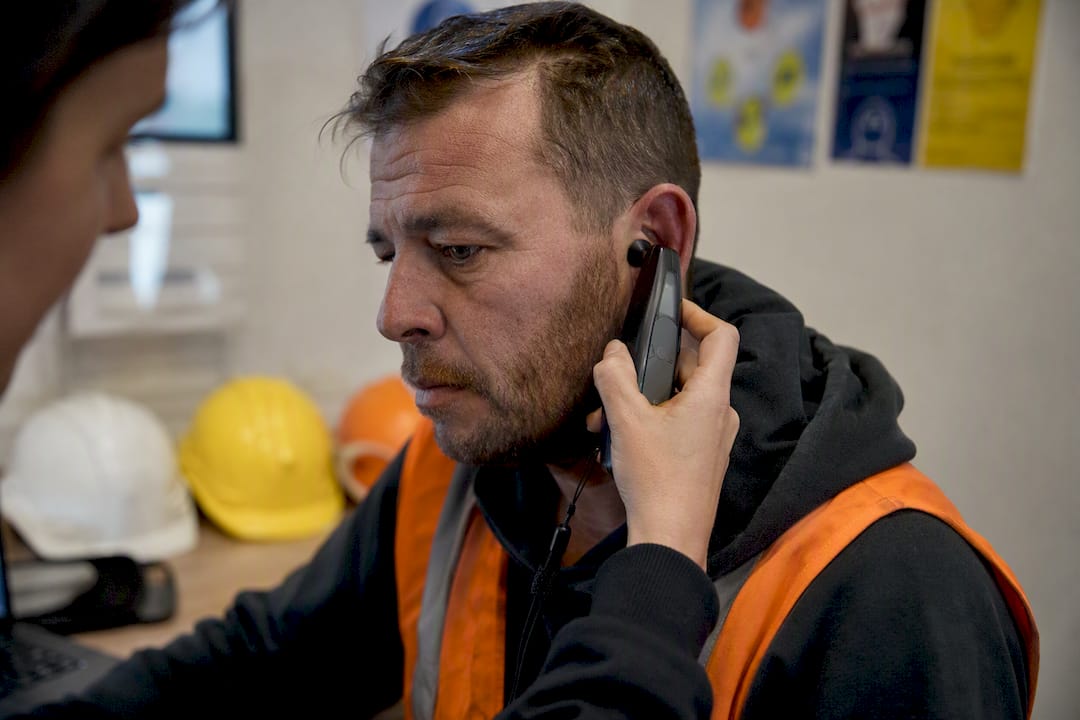
Health surveillance data is sensitive, and mishandling it creates legal exposure on top of the exposure you were trying to manage. The ILO’s technical and ethical guidelines set four governing principles: need, relevance, scientific validity, and confidentiality. Every test you run should satisfy all four, not just be convenient to schedule.
- Restrict individual results to a named list of people with a genuine need to know
- Report to management in anonymized, aggregate form, never by name
- Get informed consent and explain exactly how results will be used
- Set a written retention policy and destroy records once that period lapses
Poorly designed programs drift into something intrusive or discriminatory almost by accident, and the ILO is explicit that collection must stay proportional to the actual risk. Keep surveillance data walled off from HR and performance files entirely.
The Business Case: What Surveillance Actually Delivers
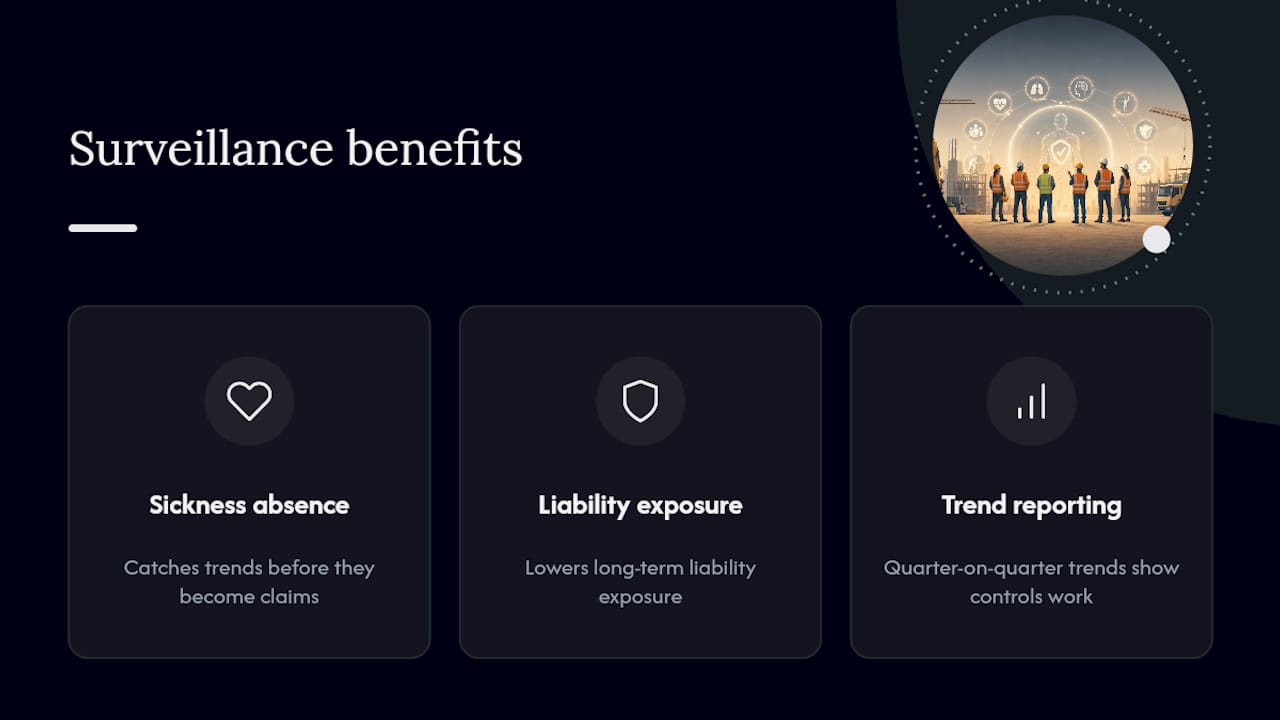
Surveillance earns its budget line when the data changes something. Properly targeted programs tend to reduce sickness absence and long-term liability exposure, according to occupational health practitioner research, because they catch trends before they become claims. The flip side matters just as much: a program that collects data nobody acts on wastes the entire budget and gives you no defense if an incident happens anyway.
Trend data is your best tool for reporting to management. A quarter-on-quarter decline in noise-related threshold shifts, or a stable spirometry trend across a dusty trade, is objective evidence your controls are working, not just paperwork proving you tested.
Building a Compliant Surveillance Program
Whether you run this in-house or bring in a consultant, the same checklist applies before you sign off on any program:
- Confirm the exposed groups and their roles against your risk assessment
- Select indicators that match the actual hazard, not a generic package
- Agree sampling method and frequency in writing before testing starts
- Set action thresholds that trigger a defined response
- Agree an anonymized reporting format for management review
- Schedule the next full program review on a fixed date
If you are evaluating an outside provider, ask direct questions: What methods do they use for each hazard? What clinical qualifications does their occupational health professional hold? What is the turnaround time from sample to actionable report? Do they recommend specific corrective actions or just hand over raw numbers?
- Confirm how findings integrate with existing safety audits and Design for Safety documentation
- Ask whether reporting formats align with ConSASS assessment requirements
- Check whether results feed into certification renewal timelines, not just a filing cabinet
Pro Tip: A provider who cannot explain how their surveillance report changes a control decision is selling you testing, not surveillance.
A safety manager’s perspective on moving from reactive to preventive
Most sites start surveillance only after an incident forces the question, and that reactive posture makes buy-in harder than it needs to be. Trust builds faster when you start with the single highest-risk group, noisy trades or heavy dust exposure, and show management a real before-and-after trend within a year. Costs stay proportional when the scope stays narrow at first.
How MOSAIC helps you scope a program that holds up under audit
There are legitimate paths to building a surveillance program on your own: hiring an occupational health provider directly, or assembling a scope internally from regulator guidance. Both work if your team already has the risk assessment expertise to define the right indicators and thresholds. Where MOSAIC fits differently is integration. Instead of a standalone testing contract, we scope surveillance as part of a wider safety audit, so the exposure data, the control review, and your certification paperwork move as one package rather than three disconnected files.

That matters most when you are running BizSAFE or ISO certification alongside day-to-day site compliance, since a surveillance report that does not map cleanly onto your existing audit trail creates extra work at renewal time. If your team is small or this is your first program, running it in-house from scratch usually costs more in false starts than bringing in a consultant to scope it correctly the first time. Review our safety audit examples and get in touch to have MOSAIC map out a surveillance scope against your current risk assessment.
Sources
- Occupational Health Surveillance – PMC
- Monitoring and surveillance – Ministry of Manpower (MOM)
- Health surveillance – HSE
- Surveillance and Health Screening in Occupational Health – CDC/NIOSH
- Technical and ethical guidelines for workers’ health surveillance – ILO