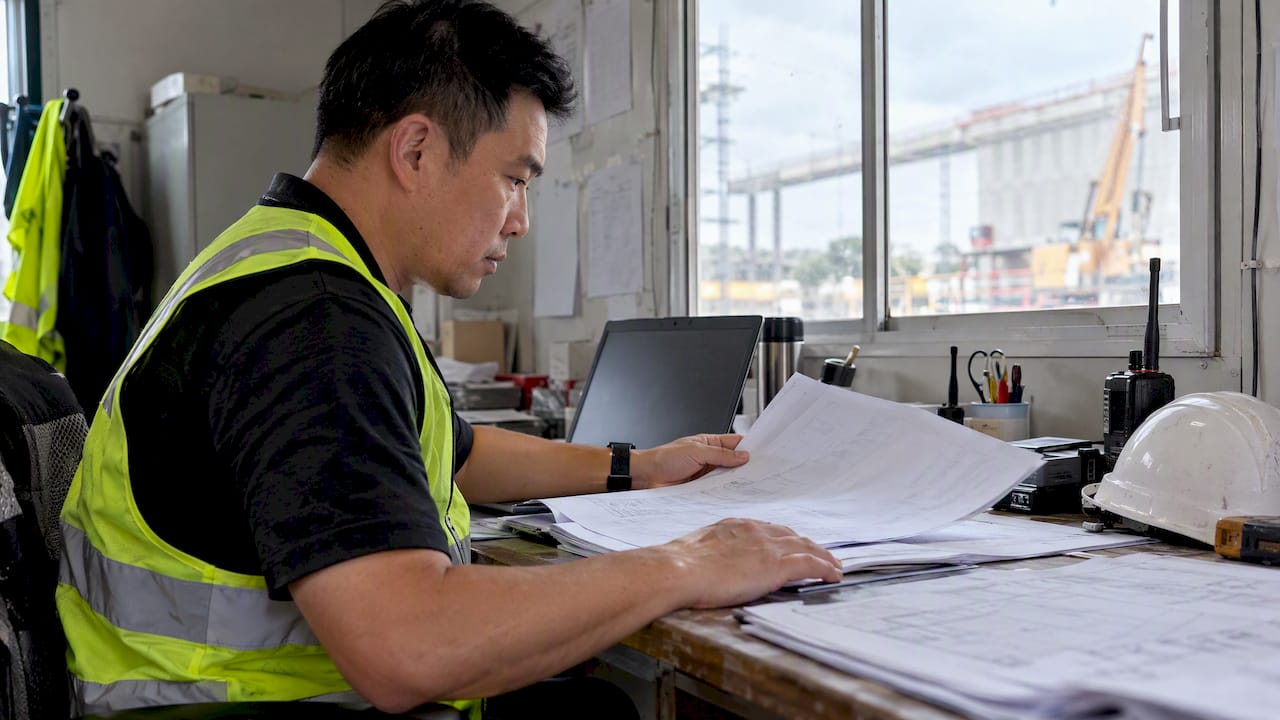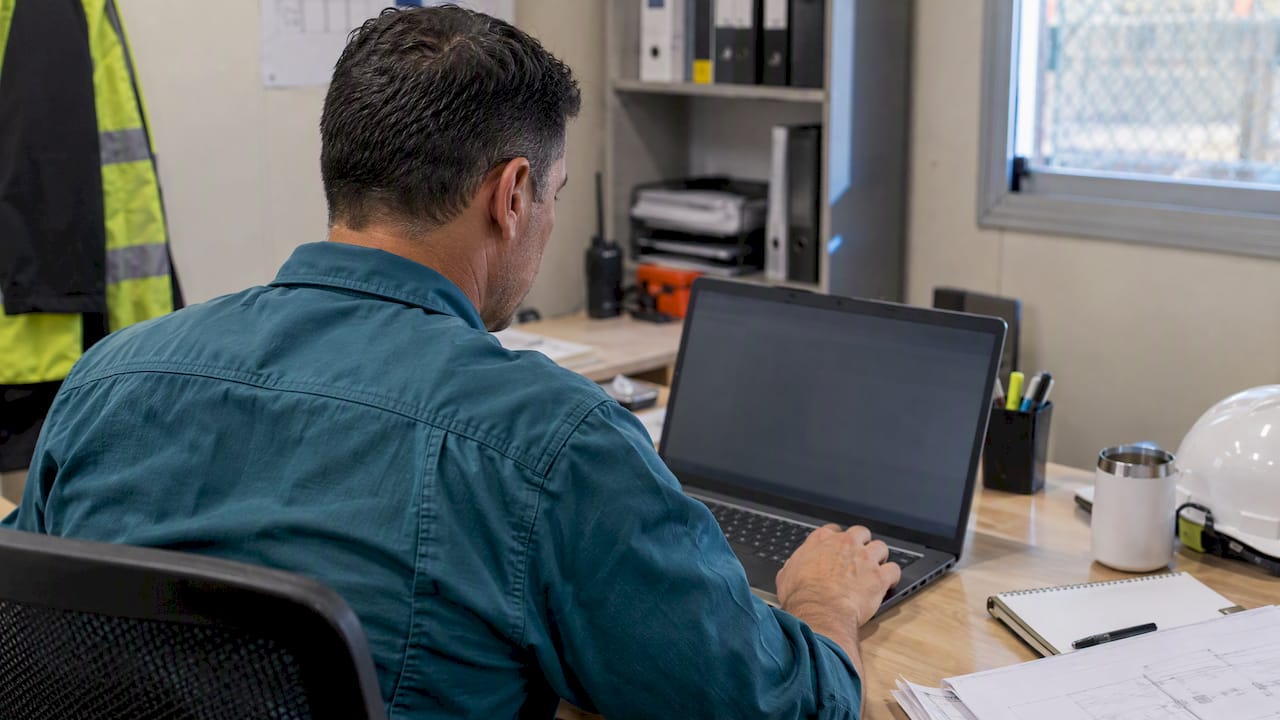
A missed exclusion zone, an outdated lift plan, or a subcontractor who has not been properly briefed can turn a productive workday into a serious incident. Construction EHS trends are responding to this reality: leading contractors are moving beyond paperwork-led compliance toward visible, site-level control of environmental, health, and safety risks.
For project leaders, the question is not whether these changes matter. It is which changes deserve investment, how quickly they can be implemented, and how to apply them without creating another administrative burden for supervisors and crews.
Construction EHS Trends Moving From Policy to Practice
The strongest EHS programs now connect planning, field execution, verification, and corrective action. A well-written policy remains necessary, but it is not proof that work is controlled. Clients, regulators, principal contractors, and auditors increasingly expect evidence that risk assessments are current, workers understand the controls, inspections are completed, and deficiencies are closed out.
This shift is especially significant in construction, where site conditions can change by the hour. New work fronts, changing weather, overlapping trades, deliveries, and design revisions can quickly make a generic risk assessment irrelevant. Organizations that treat EHS as a live operational system are better positioned to prevent incidents and demonstrate compliance when scrutiny occurs.
1. Digital reporting is becoming a field management tool
Digital inspections, observation reports, permit registers, and incident records are no longer used only to store documents. When designed properly, they help project teams identify recurring issues before they lead to harm.
For example, repeated observations involving poor housekeeping, incomplete edge protection, or incorrect personal protective equipment should trigger more than individual corrective actions. They may point to a gap in supervision, material planning, training, or subcontractor coordination. A digital system can make such patterns visible across projects and support more targeted management decisions.
However, technology alone does not improve safety. A complicated platform that requires crews to enter excessive information will be bypassed or populated with low-quality data. The best approach is to digitize high-value processes first: site inspections, corrective action tracking, training records, equipment checks, and incident reporting. Field forms should be simple enough to complete where the work is happening.
2. Leading indicators are receiving more attention
Many organizations still focus heavily on lagging indicators such as recordable injuries, lost workdays, and incident rates. These measures are necessary, but they show what has already happened. They do not reliably reveal whether the next incident is developing.
Leading indicators provide earlier signals. Examples include the percentage of planned inspections completed, overdue corrective actions, worker participation in toolbox talks, close calls reported, competency verification, and the quality of pre-task planning. Used thoughtfully, these measures help management assess whether critical controls are functioning before an injury occurs.
The trade-off is that leading indicators can become a numbers exercise. Completing every inspection on schedule has little value if inspections are rushed, repeated hazards are not escalated, or actions remain open for weeks. Strong programs measure completion and effectiveness. They ask whether the inspection found meaningful issues, whether action owners responded, and whether the control was verified after closure.
3. Worker engagement is replacing one-way safety messaging
Safety communication is shifting from telling workers what to do toward involving them in how work is planned. Crews often recognize practical risks that are not obvious in an office-based review: unstable access routes, conflicting work activities, delivery constraints, fatigue pressures, or methods that differ from the original work plan.
Pre-task briefings, toolbox talks, and supervisor conversations remain valuable when they are specific to the day’s work. A generic talk on safe lifting will not address a crew preparing to move materials through a congested area during poor weather. The discussion should identify the actual task, expected changes, hold points, emergency arrangements, and the authority to stop unsafe work.
Psychological safety also matters. Workers need confidence that raising a concern will lead to a fair response, not blame or lost work opportunities. This does not mean lowering accountability. It means investigating conditions and decision-making, rather than focusing only on the final person involved in an event.
4. Contractor and subcontractor controls are becoming more rigorous
Construction delivery depends on multiple employers working within the same space. As a result, contractor management is one of the most important construction EHS trends for organizations seeking stronger project control.
Prequalification should assess more than whether a contractor holds certificates and insurance. It should consider task-specific competence, supervisory capacity, incident history, training records, equipment controls, and the ability to meet site requirements. Before work begins, scope, interfaces, responsibilities, and escalation routes should be clearly documented.
On site, the focus must continue. Contractor performance should be monitored through inspections, coordination meetings, work observations, and corrective-action follow-up. A subcontractor may present strong documentation during onboarding yet struggle once schedule pressure increases. Regular verification is what turns contractual requirements into operational standards.
5. Environmental compliance is being integrated with safety planning
Environmental management is increasingly handled alongside health and safety, particularly on projects involving dust, noise, waste, hazardous substances, water discharge, or sensitive neighboring properties. The reason is practical: many environmental failures arise from the same planning weaknesses that create safety failures.
Poor storage of chemicals can create exposure, fire, and spill risks. Inadequate waste segregation can lead to environmental noncompliance, blocked access routes, and poor housekeeping. Unplanned cutting or demolition work can create dust exposure for workers and nuisance impacts beyond the site boundary.
Integrated EHS planning helps teams identify these connections early. Environmental controls should appear in method statements, site inspections, emergency arrangements, procurement decisions, and subcontractor briefings rather than being managed as a separate file that is reviewed only during an audit.
6. Competency is being verified, not assumed
Training attendance is not the same as competence. This distinction is receiving increased attention as construction work becomes more specialized and projects rely on a diverse workforce.
Competency verification may include trade qualifications, equipment authorization, supervisor assessments, practical demonstrations, refresher training, and observation of work methods. It is particularly relevant for high-risk activities such as lifting operations, work at height, confined-space entry, temporary works, electrical tasks, and hot work.
Language and literacy need consideration as well. A worker may sign an attendance sheet without fully understanding a technical briefing. Visual aids, demonstrations, translated materials where appropriate, and confirmation questions can improve understanding. The right method depends on the workforce and task, but the objective is consistent: ensure that people can apply controls in the field.
What Project Leaders Should Prioritize
Not every trend requires a major software rollout or a complete rewrite of the management system. A practical starting point is to review the controls around the work activities with the highest potential consequences. Identify where documentation does not match site practice, where corrective actions remain open, and where supervisors lack the information or authority to intervene.
Next, establish a short set of meaningful performance measures. Track issues that reveal control quality, not simply activity volume. Review them at project and leadership level, assign clear owners, and look for recurring patterns across sites and subcontractors.
Finally, prepare for assurance continuously rather than immediately before a client audit, certification review, or regulator inspection. Current records, visible site standards, trained supervisors, and prompt closeout of findings provide a far more reliable foundation than a last-minute document exercise.
MOSAIC Ecoconstruction Solutions supports contractors and industrial organizations in translating EHS requirements into workable site systems, from audits and documentation to training, inspections, and outsourced professional support. The goal is not to add complexity. It is to give project teams clear controls they can use under real construction conditions.
The most valuable EHS improvement is usually the one that makes the safe method easier to follow at the point of work. Start there, verify that it is working, and let the evidence guide the next decision.