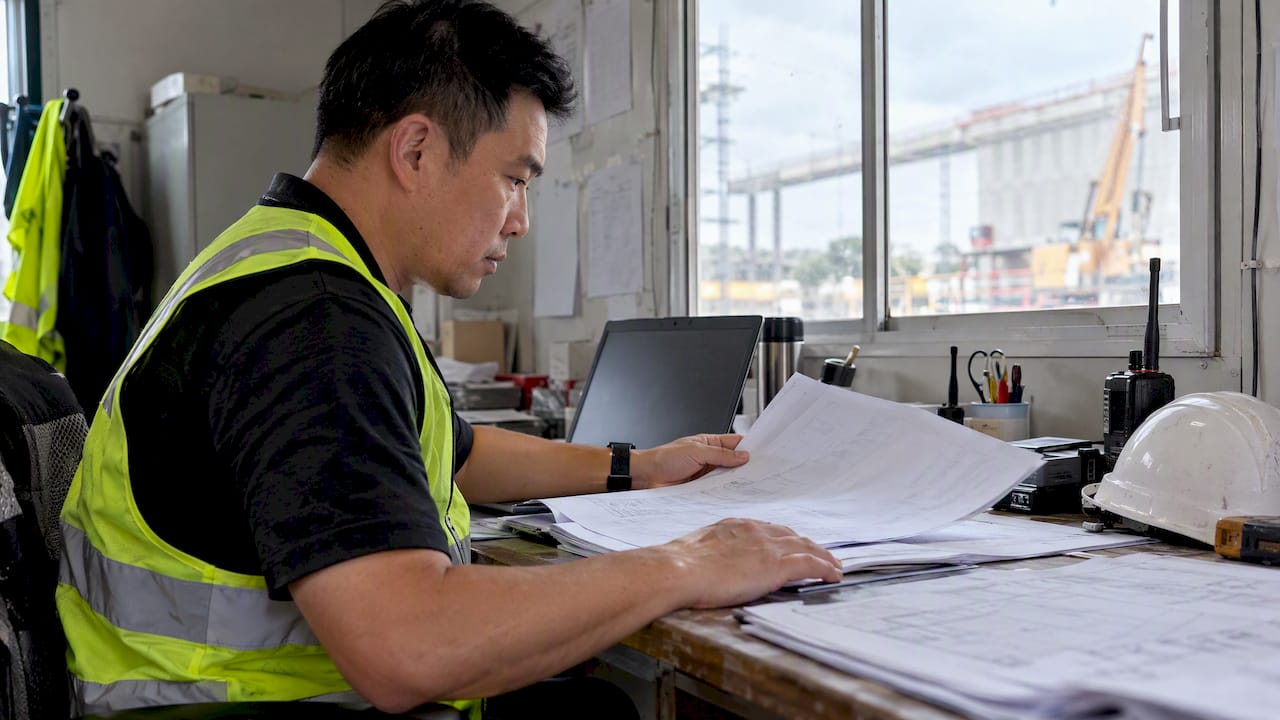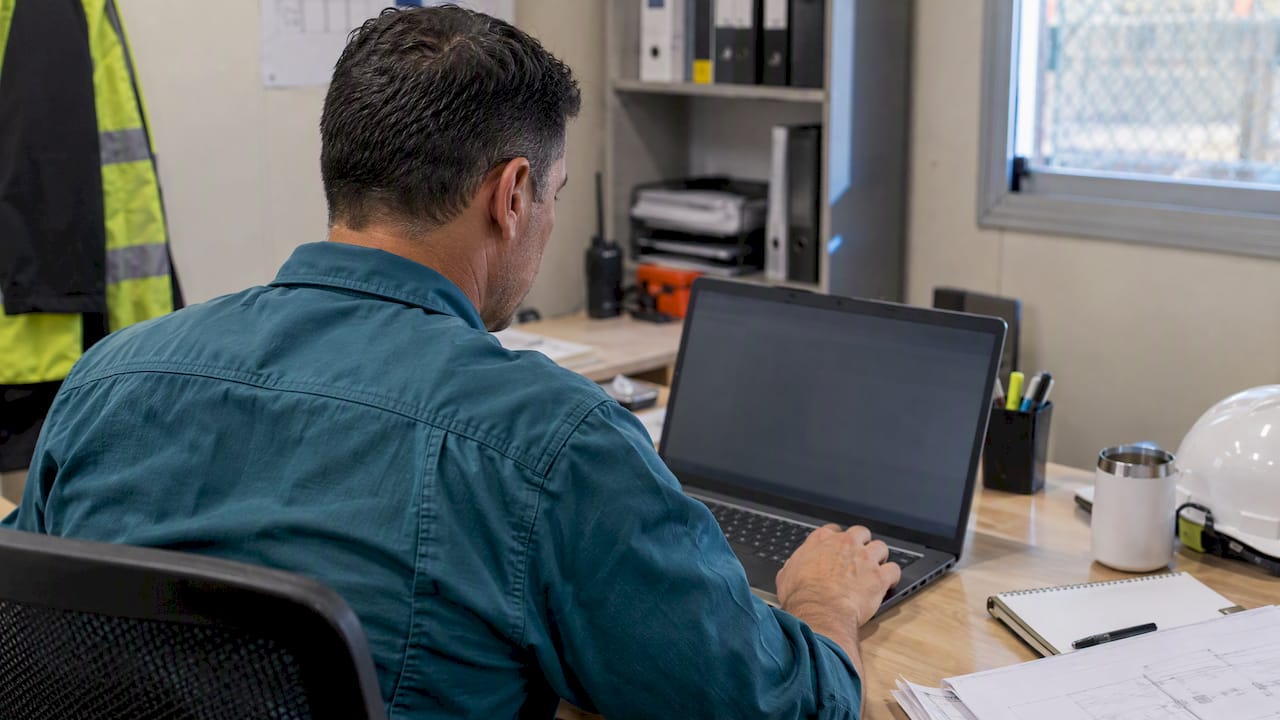
A subcontractor can meet every prequalification requirement and still introduce unacceptable risk on the first day of work. The gap is usually not a missing policy. It is the difference between paperwork reviewed before mobilization and work controls applied under real site conditions. Knowing how to manage subcontractor safety performance means managing that gap deliberately – from contractor selection through closeout.
For construction and industrial project leaders, subcontractor performance is not separate from the principal contractor’s safety record, schedule reliability, or client confidence. A dropped object, unplanned work-at-height activity, or uncontrolled lifting operation affects everyone on site. Effective management therefore requires clear expectations, field-level verification, and prompt action when standards are not met.
Start With Risk-Based Prequalification
Prequalification should establish whether a subcontractor is suitable for the scope of work, not simply whether it can submit a complete set of documents. The review should be proportionate to the hazards the subcontractor will control. A painting contractor working at ground level does not need the same evaluation as a steel erection, demolition, confined-space, or electrical contractor.
Review the subcontractor’s safety management system, incident history, worker competency records, training arrangements, supervisory capacity, and evidence of similar work completed safely. Confirm that required licenses, insurance, certifications, and regulatory registrations are current. Where the project or client requires a specific safety framework, assess whether the subcontractor can work within it before awarding the contract.
A favorable incident rate alone is not enough. Small firms may have limited exposure hours, while a larger contractor may report incidents more consistently. Look for the quality of investigation, the corrective actions taken, and whether leaders can explain how lessons were communicated to the workforce. This provides a more reliable view of safety capability than a single lagging indicator.
Prequalification also creates a commercial decision point. If a subcontractor has technical capability but clear safety gaps, the organization must decide whether those gaps can be closed before mobilization. In some cases, additional supervision, targeted training, or a documented improvement plan is appropriate. For high-risk activities with unresolved deficiencies, selecting another contractor may be the responsible choice.
Put Safety Requirements Into the Contract
Safety expectations should not be left to a kickoff meeting or a generic site rulebook. They need to be reflected in the subcontract agreement, scope of work, project safety plan, and any supporting method statements. When expectations are contractual, project teams have a clearer basis for intervention, performance reviews, and escalation.
Define the responsibilities of the subcontractor’s supervisor, competent persons, and workers. Specify requirements for risk assessments, job hazard analyses, permits, inspections, toolbox talks, incident reporting, emergency arrangements, and participation in coordination meetings. For higher-risk work, identify hold points where work cannot proceed until the required controls are reviewed and accepted.
The contract should also set practical consequences for repeated noncompliance. These may include corrective action deadlines, removal of personnel, suspension of work, or recovery of costs associated with rework and additional supervision. The purpose is not to create a punitive culture. It is to ensure that safety obligations carry the same operational weight as quality, delivery, and cost obligations.
Align Before Work Begins
Mobilization is the point at which written requirements become site controls. Before a subcontractor begins work, hold a structured orientation that covers the site layout, emergency procedures, reporting channels, restricted areas, traffic routes, simultaneous operations, and project-specific hazards.
The subcontractor should then explain how its work will be planned, supervised, and monitored. This is particularly valuable for activities that interact with other trades. For example, a lifting operation may be technically well planned but become unsafe if it crosses active access routes, work platforms, or delivery areas. Coordination with the project schedule and other contractors is part of safety management, not an administrative add-on.
Review risk assessments and method statements with the people responsible for implementing them. A document that has been copied from another project may look complete but fail to address actual ground conditions, access limitations, weather exposure, equipment interfaces, or nearby operations. Ask direct questions: What changes would stop the work? Who has authority to do so? How will the crew communicate changing conditions?
Verify Performance Where Work Happens
The strongest subcontractor safety program is visible in the field. Site inspections, supervisor walk-throughs, and focused audits should test whether the controls described in planning documents are in place and understood by workers.
Inspections are most useful when they focus on critical risk controls rather than minor housekeeping issues alone. For work at height, verify that access, edge protection, anchorage, rescue arrangements, and supervision match the approved plan. For lifting, check exclusion zones, equipment condition, operator competence, signaling arrangements, and load control. For confined spaces, confirm isolation, atmospheric testing, entry permits, attendant coverage, and emergency readiness.
Use a consistent inspection process so findings can be compared across contractors and work areas. However, avoid turning inspections into a checklist exercise. A checklist can confirm that a guardrail exists; it cannot always reveal whether crews understand the changing exposure around that guardrail. Conversations with workers and supervisors often uncover weak control measures before an incident occurs.
Frequency depends on risk, work volume, subcontractor maturity, and recent performance. A new subcontractor performing high-risk work may require daily observation. A proven contractor carrying out stable, lower-risk work may need less frequent formal inspection, while still remaining subject to routine oversight. The correct level of monitoring is risk-based, not identical for every company.
Measure Leading and Lagging Indicators Together
Incident rates matter, but they are late signals. By the time an injury occurs, the project has already lost an opportunity to prevent harm. Managing subcontractor safety performance requires leading indicators that show whether controls are being implemented before an event.
Useful measures include timely completion of inspections, closeout of corrective actions, attendance at coordination meetings, supervisor-to-worker ratios, quality of toolbox talks, permit compliance, competency verification, and the number of high-potential hazards identified and corrected. These measures should be reviewed alongside recordable incidents, near misses, property damage, and regulatory findings.
Numbers need context. A subcontractor reporting many near misses may have an open reporting culture, while a contractor reporting none may have workers who do not believe reporting leads to improvement. Examine the quality of reports, the speed of response, and whether recurring issues are genuinely eliminated. The goal is meaningful learning, not a low number on a dashboard.
Close Corrective Actions and Escalate Early
A finding is only useful if it leads to effective correction. Each issue should have an owner, due date, risk rating, and verification method. High-risk conditions require immediate control, such as stopping the affected activity, isolating the area, or replacing defective equipment. Lower-risk issues may be managed through a scheduled corrective action, provided the interim risk remains acceptable.
Recurring findings deserve special attention. Repeated failures in housekeeping, personal protective equipment, permit compliance, or supervision often indicate that the corrective action addressed the symptom rather than the cause. Meet with subcontractor leadership to identify why the issue persists. The cause may be unrealistic production pressure, unclear supervision, inadequate resources, language barriers, or poor onboarding of new workers.
Escalation should be predictable. Start with direct correction and coaching when appropriate, but do not allow repeated or serious breaches to become normalized. Document discussions, improvement commitments, and verification results. A transparent escalation process protects the workforce and gives capable subcontractors a fair opportunity to improve.
Build Accountability Into Project Leadership
Subcontractor safety cannot sit only with the safety manager. Project managers influence sequencing, manpower decisions, procurement, access, and schedule pressure – all of which shape field risk. Site supervisors influence daily standards through the work they accept, the conversations they hold, and the conditions they stop.
Regular performance reviews should include subcontractor leaders, not only frontline supervisors. Discuss trends, upcoming high-risk activities, unresolved actions, lessons from near misses, and resources needed to perform work safely. When safety is discussed alongside schedule and quality at leadership meetings, subcontractors receive a consistent message about project priorities.
For organizations that need additional capability, an independent audit or outsourced EHS professional can provide objective field verification and help translate findings into practical improvements. MOSAIC Ecoconstruction Solutions supports contractors with safety audits, documentation, training, and implementation guidance designed for construction and industrial operations.
The most effective projects make safe performance easier to deliver than unsafe shortcuts. Set the standard before work starts, verify it where work is performed, and respond decisively when controls fail. That discipline gives subcontractors clarity, gives project leaders evidence, and gives every worker a better chance of returning home safely.