Introduction
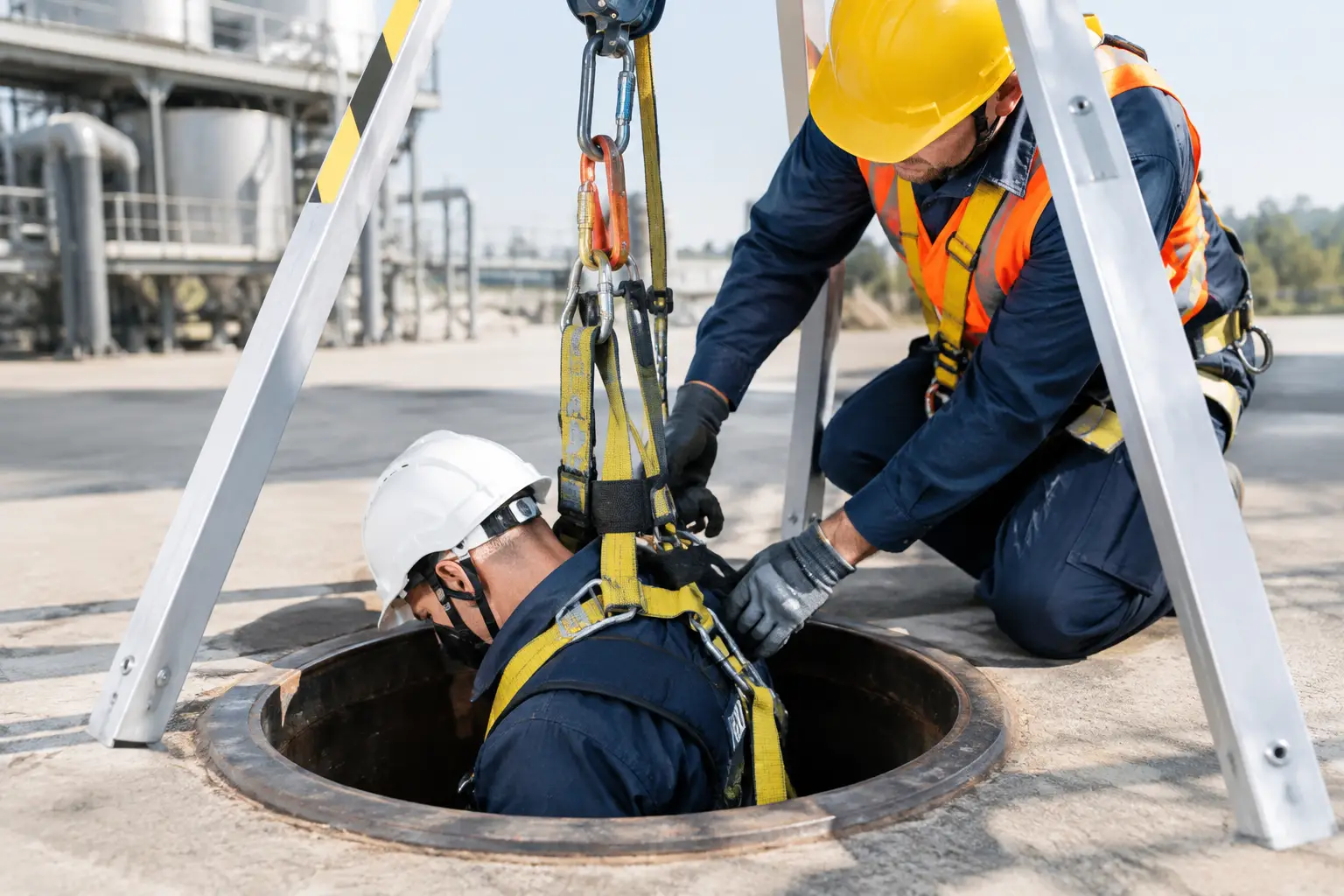
bizSAFE Star-the highest tier of Singapore’s Workplace Safety and Health (WSH) framework-does far more than satisfy regulatory compliance. When implemented with genuine leadership commitment and employee involvement, it becomes a powerful engine for employee engagement and retention. Organizations that treat safety as a core organizational value rather than a checkbox exercise consistently outperform peers in morale, productivity, and talent retention.
This article covers how bizSAFE Star certification transforms workplace safety from passive compliance into active safety culture, and how that approach is integrated into everyday business processes, targeting HR executives, Chief People Officers, and business owners operating in Singapore and GCC markets. It walks through the specific mechanisms that connect safety ownership to engagement, provides a step-by-step implementation process, and addresses common challenges that derail safety initiatives. Topics outside the bizSAFE framework-such as unrelated HR technology or general compensation strategies-fall outside the scope here.
The core takeaway: Organizations that achieve bizSAFE Star and embed its principles into daily operations can expect employee engagement improvements of 20–30% and turnover reductions of 20–35% within one to two years, driven by structured hazard reporting, safety leadership development, continuous improvement systems, and building a safety culture that lasts. Organizations with strong safety cultures experience 70% fewer incidents and a positive safety culture improves productivity by 15–20%.
By the end of this article, you will understand:
-
How bizSAFE Star moves organizations beyond compliance to a robust safety culture
-
The specific mechanisms linking safety ownership to employee engagement and retention
-
A practical implementation roadmap with measurable outcomes
-
Solutions to common challenges like employee resistance and middle management fatigue
-
How to measure ROI through engagement scores, turnover rates, and absenteeism data

Understanding bizSAFE Star Certification and Safety Culture Fundamentals
Understanding safety culture begins with recognizing the difference between having safety policies on paper and embedding safety attitudes into every layer of an organization. bizSAFE Star certification represents the culmination of Singapore’s national WSH capability-building framework and demands exactly this kind of depth. For HR executives and business owners, this distinction matters because a strong safety culture requires genuine employee participation-and that participation is what drives engagement, morale, and ultimately retention.
The bizSAFE Star Framework
The bizSAFE program, managed by the WSH Council under Singapore’s Ministry of Manpower, consists of five progressive levels. At Level 1, senior executives attend the Top Executive WSH Programme to build leadership commitment. Levels 2 and 3 focus on risk management planning and implementation. Level 4 requires developing a WSH management system. bizSAFE STAR is the highest tier of Singapore’s Workplace Safety and Health framework, requiring companies to implement and externally certify a WSH management system aligned with SS 506 or ISO 45001, plus pass a risk management implementation audit.
What makes bizSAFE Star distinct from lower levels is that employee involvement is embedded in everyday business processes, not treated as a separate compliance task. The framework doesn’t just ask whether safety procedures exist-it verifies that frontline workers actively participate in hazard identification, that near-miss reporting channels function without punitive consequences, and that safety committees include cross-functional representation. bizSAFE STAR requires an ISO 45001 certified occupational health and safety management system, with workplace safety and health administration serving as a foundational requirement within the framework, ensuring that safety practices meet international standards. Employees are more likely to participate in safety initiatives when they feel valued, making this structural inclusion essential.
Safety Culture vs. Safety Compliance
Safety compliance means meeting minimum regulatory requirements: documented safety policies, completed risk assessments, personal protective equipment distributed, training records filed. Many organizations stop here. A weak safety culture hides behind compliant paperwork while frontline workers remain disengaged from actual safety practices.
A positive safety culture, by contrast, is characterized by open communication and mutual trust. Employees in a strong safety culture feel empowered to report hazards and identify hazards without fear of blame. Safety culture is not a department function-it is a shared responsibility that cannot be delegated solely to a safety manager, where every employee, from the CEO to the newest site worker, treats injury prevention as a core value. Open communication in safety culture encourages reporting without fear of blame, creating the psychological safety necessary for honest safety conversations.
bizSAFE Star’s certification requirements push organizations firmly beyond compliance into this cultural territory. The framework mandates visible leadership commitment, structured employee participation in risk assessments, non-punitive reporting systems, and continuous improvement cycles. This is where the connection to employee engagement becomes concrete: when employees feel empowered to report concerns and see those reports lead to real changes, they develop trust in management and ownership over their work environment.
Systematic risk management integrates safety into daily workflows rather than treating it as compliance-and this integration is what transforms safety programs from overhead into strategic initiatives that drive sustainable business performance.

How bizSAFE Star Transforms Workplace Safety into Employee Engagement
The mechanisms connecting bizSAFE Star to employee engagement are not abstract. They operate through three concrete pathways: structured employee participation in hazard reporting, safety leadership development at all management levels, and continuous improvement systems that recognize and reward safe behaviors. Each pathway directly addresses the factors that employee engagement strategies research identifies as critical-autonomy, competence, trust, and recognition.
Structured Employee Participation in Hazard Reporting
bizSAFE Star requires organizations to establish formal mechanisms for near-miss and hazard reporting with clear, non-punitive channels. This is not optional or decorative-it is an auditable requirement. Companies must demonstrate that employees actively participate in risk assessments relevant to their own work areas and that safety committees include frontline workers, project managers, and safety professionals.
Active participation in safety initiatives fosters employee ownership of safety. When a warehouse worker or site engineer can file a hazard report and see the identified risk addressed within days, the message is unmistakable: management cares about their well-being. Employees perceive organizational care for their well-being as a factor in job satisfaction, making these reporting systems a direct lever for engagement.
Consider the example of Mun Siong Engineering, which in its 2024 sustainability report detailed how achieving bizSAFE Star enabled a near-miss reporting system where employees were empowered to “stop work” when conditions were unsafe, with no punitive consequences for reporting. This created an environment of psychological safety that directly supported engagement-engaged employees are more likely to report safety concerns without fear.
Safety Leadership Development Programs
Effective safety leadership involves visible commitment and resource allocation-not just signing off on safety policies. At bizSAFE Level 1 and Star, senior executives must complete the Top Executive WSH Programme, which clarifies their responsibilities under the WSH Act and trains them to actively drive safety performance. But the impact on engagement extends well beyond the boardroom.
Middle management and frontline supervisors are where safety culture either lives or dies. bizSAFE Star requires that managers participate in safety inspections, incident reviews, and safety meetings. They must be trained in root cause analysis, communication about safety, and setting safety KPIs for their teams. The framework promotes visible leadership commitment to workplace safety, and leadership commitment to safety signals that employee well-being is a core business priority.
Research from the trucking industry demonstrates that safety climate perceptions-largely shaped by management behavior-strongly correlate with job satisfaction and lower turnover intention. When leaders consistently prioritize safety in their actions, not just their words, employees develop trust that translates directly into engagement and retention.
Continuous Improvement and Recognition Systems
The bizSAFE Star certification process emphasizes Plan-Do-Check-Act (PDCA) cycles. Organizations must set safety objectives, implement controls, monitor outcomes, investigate incidents, and make improvements-then repeat. The bizSAFE STAR framework encourages an environment of continuous learning and improvement, which signals to employees that their safety concerns will be addressed systematically, not just when convenient.
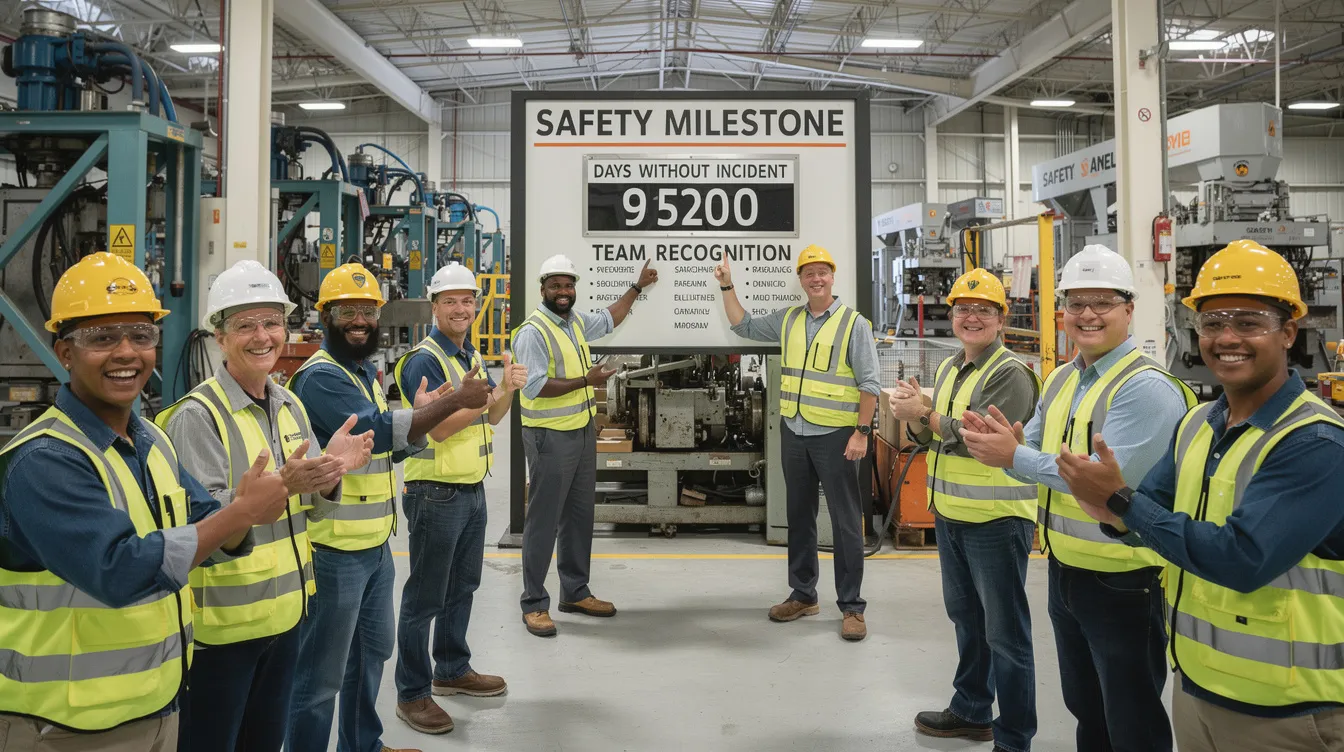
Recognizing safe behaviors is a critical engagement driver that many organizations overlook. Companies like JCDecaux Singapore have incorporated rewards for proactive safety behavior into their bizSAFE Star implementation-acknowledging employees who report potential hazards, suggest safety improvements, or mentor colleagues on safety protocols. This recognition reinforces safety as a core organizational value rather than a burden.
Engaged employees contribute to a safer workplace, and a safer workplace produces more engaged employees. This virtuous cycle is the fundamental mechanism by which bizSAFE Star drives both safety performance and employee engagement simultaneously. Employee engagement significantly mediates the relationship between safety culture and business performance, making engagement not just an HR outcome but a driver of organizational success.
Implementing bizSAFE Star for Maximum Employee Retention Impact
Building on the engagement mechanisms above, effective implementation requires a deliberate strategy that embeds employee participation at every stage. The goal is not simply to obtain certification but to create a proactive safety culture that delivers measurable retention outcomes. Implementing bizSAFE STAR requires continuous monitoring and audits for improvement, so the process must be designed for sustainability from the outset.
Step-by-Step bizSAFE Star Implementation Process
Organizations should pursue bizSAFE Star certification when they recognize that high turnover, absenteeism, or workplace accidents are undermining operational efficiency and financial performance. The construction sector, with annual turnover averaging approximately 68.2% globally, illustrates how retention challenges and safety risks compound each other-new workers who haven’t internalized safety norms are at higher injury risk, creating a cycle of attrition and incidents.
Here is a structured implementation process that maximizes retention impact:
-
Secure executive commitment and set the safety vision. CEO and board members attend the Top Executive WSH Programme. Publicly communicate that building a strong safety culture is a strategic priority linked to employee well-being and business success-not just regulatory compliance. Resource allocation decisions must reflect this commitment.
-
Establish cross-functional risk assessment teams. Involve employees from frontline workers to project managers in hazard identification and risk assessments for their specific work areas. Capture tacit knowledge that safety managers alone cannot access. This early involvement builds ownership and shows that building a safety culture starts by involving employees in how risks are managed.
-
Form empowered safety committees. Create safety committees with representation across departments, seniority levels, and job functions. Grant these committees genuine authority to recommend changes, monitor implementation, and escalate unresolved safety issues. Employees who see their input drive real change become advocates for the safety culture.
-
Deploy non-punitive hazard and near-miss reporting systems. Implement anonymous reporting options where needed. Establish feedback loops so every report receives a response and reporters can see outcomes. Track reporting volumes as leading indicators-increasing near-miss reports signal growing trust, not deteriorating conditions.
-
Deliver safety training across all levels. Extend safety training beyond safety professionals to include middle managers, supervisors, and frontline staff. Include leadership in safety, root cause analysis, and effective safety conversations. Regular safety training reduces workers’ compensation costs by 40–60%, providing direct financial returns alongside engagement benefits.
-
Integrate safety KPIs into performance management. Include safety outcomes in management appraisals. Reward participation in safety discussions, hazard reporting, and mentoring colleagues on safe behaviors. When safety metrics carry weight alongside productivity targets, managers treat prioritizing safety as part of their core role.
-
Conduct certification audit and close findings. Engage an approved auditing body to assess WSH management system compliance with SS 506 or ISO 45001. Address all audit findings systematically, involving employees in developing corrective actions.
-
Embed continuous improvement cycles post-certification. Schedule regular internal audits, conduct periodic employee feedback surveys on safety culture, refresh training programs, and update risk assessments as work conditions change, with the review cycle kept integrated with broader business processes. Achieving bizSAFE STAR enhances workplace safety culture and improves staff retention-but only if the organization avoids treating certification as an endpoint.
Measuring Engagement and Retention Outcomes
Quantifying the impact of bizSAFE Star on retention requires establishing baselines before implementation and tracking key metrics over 12–24 months post-certification. The following comparison table provides a framework:
|
Metric |
Pre-bizSAFE Star (Baseline) |
Post-bizSAFE Star (12–24 months) |
|---|---|---|
|
Employee engagement / satisfaction score |
50–60% satisfied or engaged |
Target: 75–85% (20–30 percentage point increase) |
|
Annual voluntary turnover rate |
25–35% (construction/manufacturing baseline) |
Reduction of 20–35% from baseline |
|
Absenteeism / medical leave days per employee |
Sector baseline (varies) |
Reduction of 25–50%, especially injury-related |
|
Near-miss / hazard reports filed |
Low volumes (underreporting) |
Increased reporting volume; decreased actual incidents |
|
Fatal and major injury rate |
Sector average (e.g., construction: ~31 per 100,000 in 2024) |
Aligned with improvements (e.g., 26.3 per 100,000 in 2025) |
Singapore’s national data supports these projections. The fatal and major injury rate in construction fell from 31.0 per 100,000 workers in 2024 to 26.3 per 100,000 in 2025, reflecting the kind of safety improvements that bizSAFE Star promotes. Proactive risk mitigation strategies improve employee engagement and job satisfaction, and effective risk management reduces disruptions to business operations-both contributing to the retention improvements measured above.
To calculate ROI, factor in: reduced recruitment and retraining costs from lower turnover, decreased workers’ compensation claims, lower insurance premiums, fewer lost workdays, and improved productivity. Sustainability initiatives improve operational efficiency and reduce costs, while effective risk management reduces cash flow volatility for businesses. Companies with high safety standards can attract and retain top talent, creating a sustainable competitive advantage that extends beyond safety outcomes alone.
Organizations like Boustead Projects demonstrate this approach in practice: 74% of their suppliers have achieved bizSAFE Star, and they track medical leave days per team member over multiple years, embedding safety performance into supply chain evaluation. Companies with strong sustainability practices attract loyal customers and sustainability practices help organizations uphold a good reputation.
Common Challenges and Solutions in bizSAFE Star Implementation
Even well-designed safety programs encounter resistance. The key is anticipating obstacles and addressing them before they erode the engagement gains that bizSAFE Star implementation creates. According to SBF research, 77% of Singapore firms report that alignment with safety and sustainability standards boosts employee engagement and morale-but achieving that alignment requires overcoming real implementation friction.
Employee Resistance to New Safety Procedures
Frontline workers sometimes perceive new safety procedures as slowing productivity or adding bureaucratic overhead. When safety measures feel imposed rather than co-created, resistance is predictable.
Solution: Involve employees in designing safety protocols from the beginning. Use storytelling-share real incident case studies to illustrate why procedures matter. Ensure that communication about safety emphasizes protection rather than punishment. When employees see that safety improvements emerge from their own input and address their actual safety concerns, resistance transforms into advocacy. The bizSAFE STAR certification reinforces organizational trust and morale, but only when employees experience the culture change as genuine rather than performative.
Middle Management Buy-in for Safety Culture Change
Middle managers often face competing pressures: production deadlines, cost targets, and now safety KPIs. Without clear alignment between safety responsibilities and overall business strategy, managers may treat safety discussions as extra administrative burden rather than a strategic priority.
Solution: Embed safety outcomes into management performance reviews with equal weight to financial performance metrics. Provide dedicated safety leadership training that develops skills in safety conversations, root cause analysis, and transparent communication with teams. When managers understand that organizations with strong risk management show greater resilience against external shocks and that risk mitigation practices lead to higher operational efficiencies, they begin to see safety leadership as career-enhancing rather than career-neutral. Risk mitigation practices enhance operational stability and business continuity-framing that resonates with results-oriented managers.
Sustaining Long-term Engagement Beyond Certification
The most common failure mode is treating Star certification as an endpoint. Safety culture is characterized by open communication and mutual trust, but both erode quickly without ongoing investment. Safety attitudes can regress within months if recognition programs lapse, audits become routine, or employee feedback goes unaddressed.
Solution: Implement annual safety culture diagnostic surveys-tools like the CultureSAFE programme from the WSH Council provide validated frameworks. Schedule quarterly refresher training sessions. Maintain active recognition systems for safe behaviors. Use leading indicators (near-miss reporting volumes, safety meeting attendance, employee survey scores) to detect cultural regression before it manifests in incidents. Sustainability practices enhance resource efficiency and innovation, and this principle applies directly to safety culture: continuously investing in safety engagement yields compounding returns.
A strong safety culture requires sustained attention. Organizations that view bizSAFE Star as a living system rather than a certificate on the wall will see long-term retention benefits and build a world class safety culture that becomes a genuine competitive differentiator.

Conclusion and Next Steps
bizSAFE Star certification creates measurable improvements in employee engagement and retention-not through compliance paperwork but through structured safety culture development that gives employees genuine voice, ownership, and recognition. Safety culture minimizes workplace injuries and enhances employee morale, while a positive safety culture enhances employee morale and retention. The evidence is clear: organizations that build a safety culture rooted in employee participation, effective safety leadership, and continuous improvement see engagement scores rise by 20–30%, turnover drop by 20–35%, and absenteeism decrease significantly within one to two years.
Sustainability practices positively influence business performance in SMEs, and the principles embedded in bizSAFE Star-transparent communication, systematic risk management, employee empowerment-deliver returns that extend well beyond safety metrics into improved efficiency, organizational performance, and a secure work environment that attracts and retains talent.
Immediate next steps for HR executives and business owners:
-
Assess your organization’s current bizSAFE level and identify the gap to Star certification
-
Secure executive sponsorship by framing bizSAFE Star as a retention and engagement strategy, not just a safety obligation
-
Establish baseline measurements for employee engagement, turnover, absenteeism, and safety incident rates
-
Engage an approved WSH Council auditing body to understand certification requirements and timelines
-
Launch a pilot safety committee with frontline worker representation to demonstrate early employee involvement benefits
For organizations already holding bizSAFE Star, the next frontier includes integrating digital safety reporting platforms, expanding safety culture diagnostics through CultureSAFE tools, and exploring how safety culture investments address concerns of younger workers-only 14% of Singapore’s workforce reports being engaged, with under-35 workers disengaging fastest. Building a strong safety culture that resonates with this demographic represents a significant untapped opportunity for retention.
Additional Resources
-
Official bizSAFE certification pathway and requirements: WSH Council bizSAFE programme page – includes FAQs, approved auditor listings, and level-by-level requirements
-
CultureSAFE diagnostic tools: WSH Council CultureSAFE programme – validated safety culture survey instruments for benchmarking and tracking improvement
-
Singapore WSH national statistics (2025 report): Ministry of Manpower WSH Report – sector-level injury rates, trend data, and performance benchmarks
-
ISO 45001 occupational health and safety management standard: Framework reference for organizations pursuing international safety certification aligned with bizSAFE Star requirements
-
Employee engagement measurement: Use anonymous pulse surveys covering safety satisfaction, trust in reporting systems, perceived management commitment, and willingness to recommend employer-tracked quarterly against retention and absenteeism data