Safety behavior observations are defined as structured, proactive evaluations of what workers physically do on site, recorded to identify safe actions and at-risk behaviors before incidents occur. The industry term for this practice is behavior-based safety (BBS) observation, and it forms the leading indicator layer of any mature safety management system. Over 90% of workplace incidents are linked to unsafe behaviors rather than unsafe conditions alone. That single statistic explains why construction and industrial safety managers are shifting their programs away from reactive incident reports and toward systematic behavioral monitoring. When you explain safety behavior observations to your team, you are describing a method that targets the root cause of most workplace harm.
What are the key components of safety behavior observations?
Safety behavior observations focus on what employees actually do, not on attitudes or intentions that cannot be measured. Observations record behavior, not identity, which preserves worker anonymity and builds trust in the data collection process. This distinction separates BBS observations from disciplinary inspections and makes participation sustainable.
The foundational framework is the ABC model: Antecedents, Behavior, and Consequences.
- Antecedents are the conditions that precede a behavior, such as toolbox talks, signage, or permit-to-work procedures.
- Behavior is the observable action itself, for example, whether a worker clips a harness lanyard before stepping onto an elevated platform.
- Consequences are what follows the behavior, including feedback, recognition, or corrective coaching.
Most safety programs fail because they over-invest in antecedents like signage or training without managing consequences. Immediate positive reinforcement, such as peer feedback delivered at the point of observation, is the key driver of lasting behavior change.
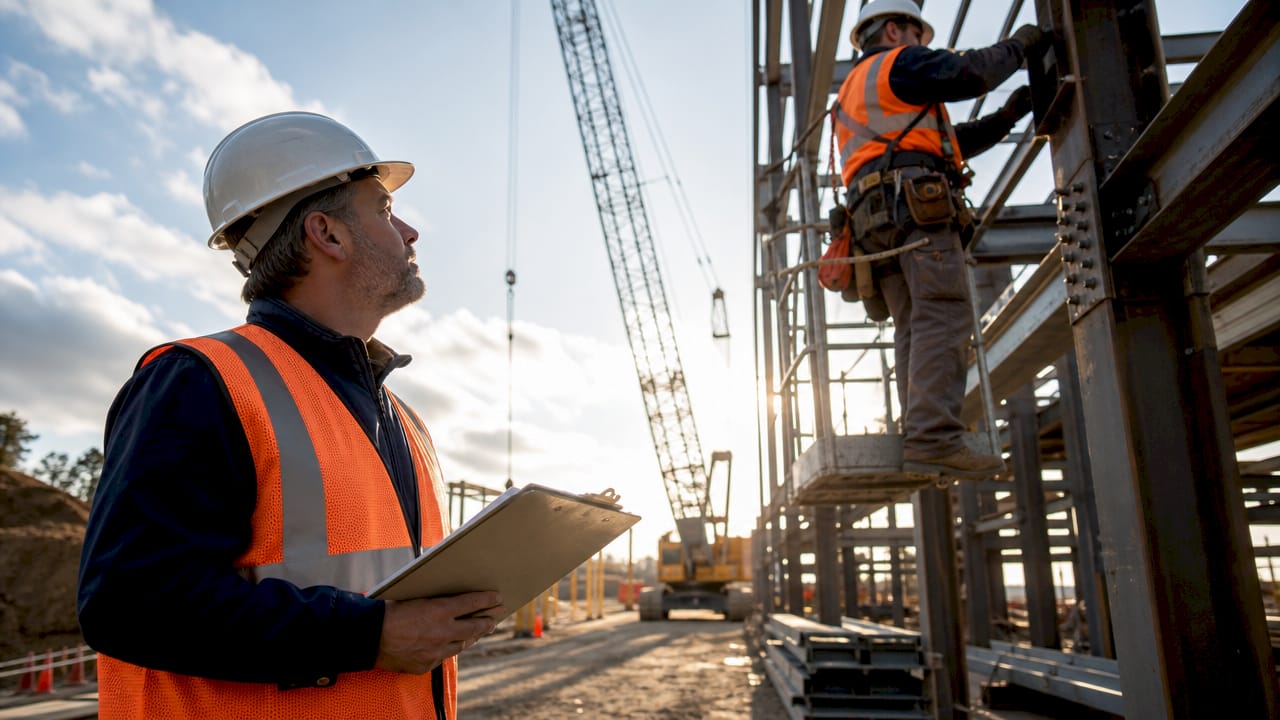
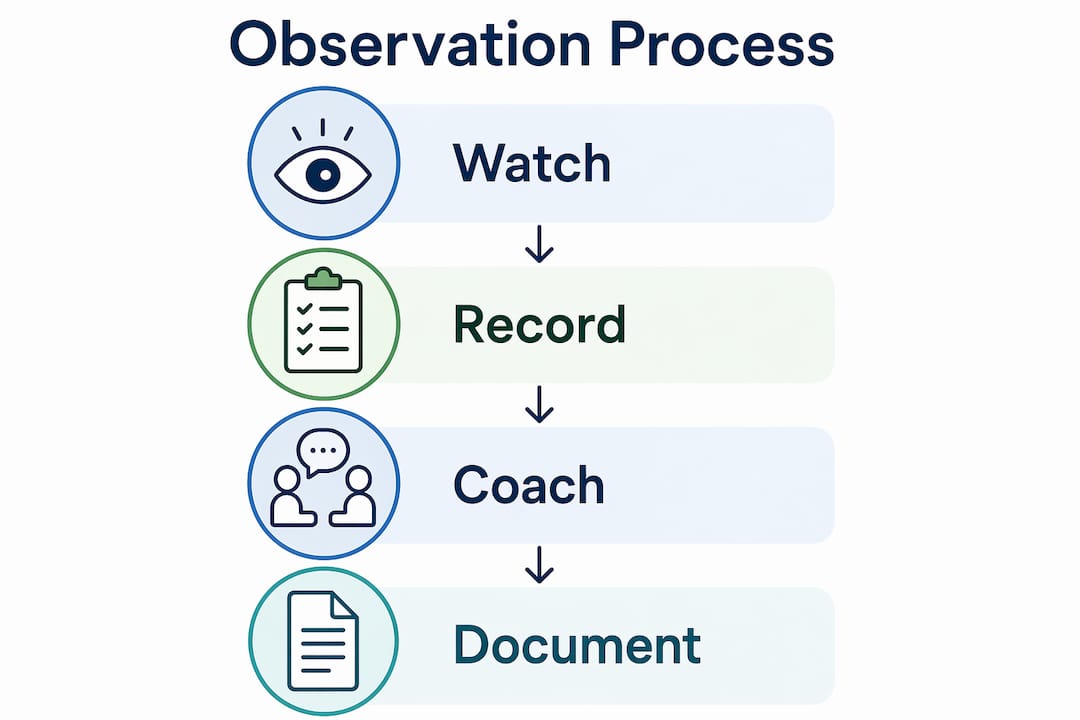
The observation process itself follows four steps: watch, record, coach, and document. The observer watches the worker perform a task without interrupting. The observer records both safe behaviors and at-risk behaviors on a structured form. The observer then coaches the worker through a brief, non-punitive conversation. Finally, the observer documents the interaction and any corrective actions required.
Observers can be peers, supervisors, or dedicated safety professionals. Peer observation programs are particularly effective because they distribute responsibility across the workforce and normalize safety conversations at every level. Digital capture tools eliminate the delays of paper-based methods, enabling real-time data entry and immediate trend analysis.
Pro Tip: Train observers to lead with a positive comment before addressing at-risk behavior. Workers who receive recognition first are significantly more receptive to corrective coaching.
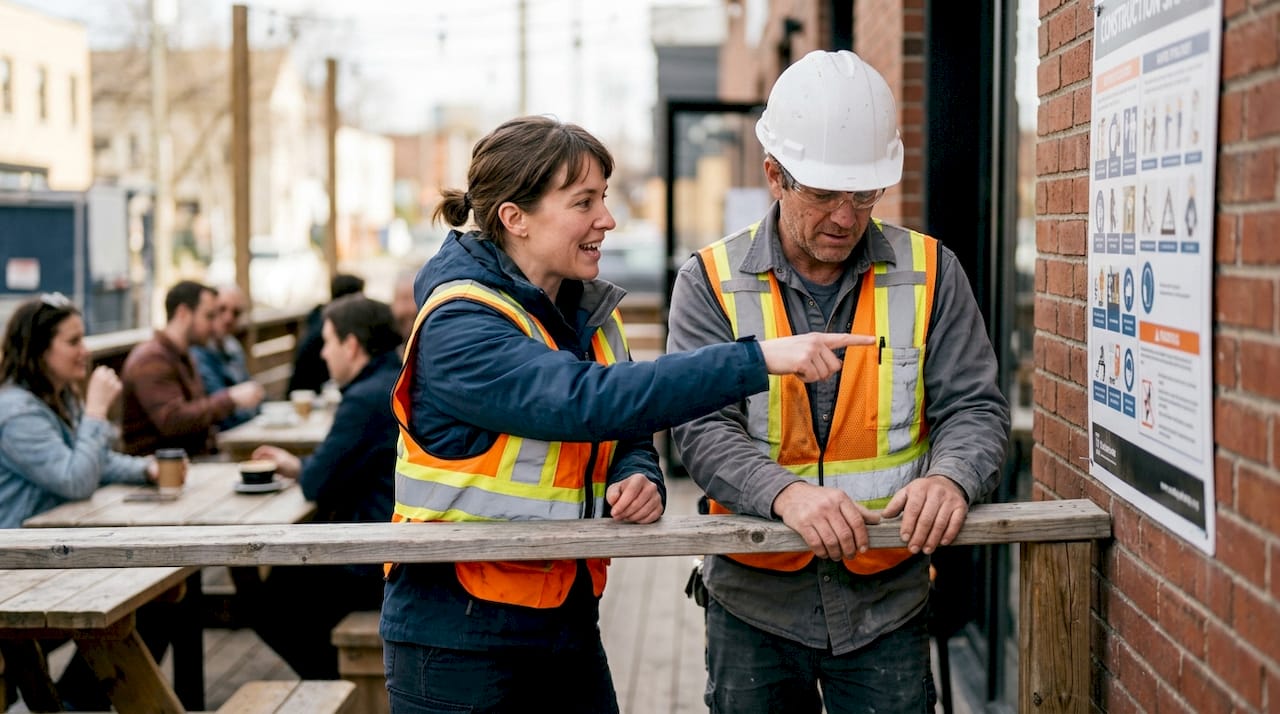
How do safety behavior observations reduce incidents and improve safety culture?
Mature observation programs reduce recordable incidents by 40–60% compared to programs that rely solely on incident reporting. That reduction is not accidental. BBS observations directly target the behavioral root causes that standard engineering controls and procedural documents cannot fully address.
The mechanism is straightforward. At-risk behaviors, such as bypassing lockout/tagout procedures or lifting without proper technique, are identified and corrected before they produce injuries. BBS targets 80–90% of incidents involving human action that standard controls miss. Coaching at the point of observation interrupts the behavioral chain that leads to harm.
The cultural benefits are equally significant:
- Increased communication. Regular observations create structured opportunities for safety conversations between workers and supervisors.
- Shared accountability. When peers observe peers, safety becomes a collective responsibility rather than a management mandate.
- Proactive risk identification. Aggregated observation data reveals systemic patterns, such as recurring PPE non-compliance in a specific work zone, that no single incident report would surface.
- Organizational learning. Employee involvement in analyzing observation data drives safety improvements and policy changes that workers themselves support.
“The ultimate aim of safety observations is to shift from reactive incident reports to proactive risk management by analyzing and sharing data transparently.” — Wolters Kluwer Safety Observations Best Practices
Non-punitive observation approaches increase reporting frequency and data quality. When workers trust that observations will not result in disciplinary action, they participate more openly and report near-misses that would otherwise go unrecorded. That data is the raw material for continuous improvement.
What are best practices for implementing observation programs?
The design of your observation program determines whether it produces genuine safety improvements or becomes a compliance checkbox. The following practices separate high-performing programs from those that stall.
Prioritize quality over quantity. Quality of observations and corrective conversations outweigh quantity. A program that generates 500 superficial checkmarks per month produces less value than one that generates 100 substantive coaching conversations. Set a target of 5–10 observations per worker annually as a healthy benchmark, but measure the depth of each interaction, not just the count.
Use conditional logic in observation forms. Conditional logic in forms improves data quality and consistency, helping classify behavioral causes accurately for targeted interventions. Structured forms allow managers to address systemic issues rather than attributing problems to individual carelessness.
Automate corrective action assignment. Every at-risk observation must trigger a date-stamped action item to confirm corrective measures are completed. Manual or paper-based systems delay or lose this data, allowing the same at-risk behavior to recur.
Train observers in coaching technique. Observers who deliver feedback as criticism destroy program participation. Training in empathetic, behavior-focused coaching, where the conversation centers on the action and its consequences rather than the person, sustains engagement over time.
Pro Tip: Avoid generic checklists that list 30 behaviors across all job roles. Build role-specific observation forms for scaffolders, crane operators, and groundworkers separately. Specificity produces data you can actually act on.
The table below summarizes common program pitfalls and their practical remedies:
| Common pitfall | Practical remedy |
|---|---|
| Punitive perception among workers | Establish written non-punitive policy; communicate it at program launch |
| Quantity targets replacing quality | Measure coaching conversation outcomes, not observation counts |
| Paper forms losing data | Deploy mobile digital forms with real-time submission |
| Generic checklists reducing relevance | Build role-specific and task-specific observation forms |
| Unassigned corrective actions | Automate action assignment with due dates and owner notifications |
What examples illustrate observations in construction and industrial settings?
Construction sites and industrial facilities present distinct behavioral patterns that observation programs must be designed to capture. The following examples reflect the most common categories safety managers encounter.
Construction site examples:
- A scaffolder observed clipping only one of two lanyards while moving between bays. The observer records this as an at-risk behavior, coaches the worker on double-lanyard protocol, and assigns a follow-up check within 48 hours. This single interaction addresses a fall risk that no incident report would have captured.
- A groundworker observed performing a manual lift with a rounded spine rather than a squat technique. The observer demonstrates correct posture and documents the coaching. Repeated observations of the same behavior in the same work zone signal a training gap, not an individual failure.
- PPE compliance checks on construction hazard scenarios such as overhead work, confined space entry, and excavation edges are among the highest-value observation categories on Singapore construction sites.
Industrial facility examples:
- An operator observed bypassing a machine guard to clear a jam without isolating energy. The observation triggers an immediate stop-work, a corrective action to review the lockout/tagout procedure, and a near-miss report.
- A maintenance technician observed using an incorrect tool class for a pressurized system. The coaching conversation covers both the immediate risk and the procedural requirement, and the observation data feeds into the next safety committee review.
The table below illustrates how observation data is categorized and used:
| Behavior category | Example observed behavior | Risk level | Corrective action |
|---|---|---|---|
| PPE compliance | Hard hat removed in active work zone | High | Immediate coaching, re-issue PPE |
| Manual handling | Lifting technique bypassing squat posture | Medium | Demonstrate correct technique |
| Equipment use | Machine guard bypassed during operation | Critical | Stop-work, lockout/tagout review |
| Housekeeping | Materials blocking emergency egress route | High | Immediate clearance, area supervisor notified |
| Procedural adherence | Permit-to-work not signed before task start | Critical | Work stopped, permit process reviewed |
Linking observed behaviors to specific incident types allows safety managers to build a workplace safety management system that addresses root causes rather than symptoms. Tailoring observations by job role and work context produces data that is specific enough to drive targeted interventions.
Key Takeaways
Safety behavior observations are the most direct method available to construction and industrial safety managers for identifying and correcting at-risk behaviors before they produce recordable incidents.
| Point | Details |
|---|---|
| BBS observations target root causes | Over 90% of incidents involve human behavior, making behavioral observation the highest-leverage intervention. |
| ABC model drives program design | Managing consequences through immediate coaching produces more lasting change than antecedents like signage alone. |
| Non-punitive culture is non-negotiable | Punitive perceptions reduce participation and destroy data quality; written policy must protect workers from disciplinary action. |
| Automate corrective action follow-up | Every at-risk observation must generate a date-stamped action item; paper systems lose this data. |
| Quality outweighs quantity | Five substantive coaching conversations produce more safety improvement than fifty unchecked observation forms. |
Why I believe most observation programs are measuring the wrong thing
Safety managers in construction spend considerable effort counting observations. Monthly reports show totals, participation rates, and percentage of safe versus at-risk behaviors. Those numbers look like progress. They rarely are.
The programs I have seen produce genuine incident reductions share one characteristic: they measure what happens after the observation, not during it. Did the at-risk behavior recur in the same work zone the following week? Did the corrective action get closed on time? Did the worker who received coaching report a near-miss the following month? Those are the questions that reveal whether your program is changing behavior or just generating paperwork.
Embedding observations in a positive coaching culture transforms safety from compliance to engagement. That shift does not happen through policy. It happens when a supervisor walks past a worker performing a task correctly and stops to say so. That moment costs 30 seconds and produces more behavioral change than any training module.
Digital platforms have changed what is possible in safety behavior analysis. Real-time data submission, automated corrective action routing, and trend dashboards allow safety managers to see behavioral patterns across an entire project portfolio within hours of an observation being recorded. The managers who use that data to drive weekly toolbox talk topics, not just monthly committee reports, are the ones closing the gap between observation and prevention.
The future of BBS in construction is not more observations. It is smarter use of the observations you already have. Improving contractor safety culture requires treating observation data as a leading indicator, not a compliance metric.
— Aman
How Com supports safety observation programs in construction
Com, operating as MOSAIC Ecoconstruction Solutions, provides safety consultancy and audit services specifically designed for construction and industrial clients seeking to build observation programs that produce measurable outcomes.

Com’s approach integrates behavior-based safety observation frameworks with Singapore’s statutory requirements, including BizSAFE and WSH Act compliance. Safety managers working with Com gain access to structured observation methodologies, observer training, and audit frameworks that align field data with regulatory reporting requirements. For construction teams seeking practical examples of how observation programs connect to formal compliance audits, Com’s construction safety audit examples provide a direct reference point. Contact Com to assess how your current observation program measures against industry benchmarks.
FAQ
What is the definition of a safety behavior observation?
A safety behavior observation is a structured, documented review of what a worker physically does during a task, recording both safe and at-risk behaviors to enable coaching and prevent incidents.
How does a safety behavior observation differ from a safety inspection?
A safety inspection evaluates physical conditions and equipment compliance. A safety behavior observation evaluates human actions in real time, targeting the behavioral root causes that conditions-based inspections cannot capture.
How many observations should a safety program conduct per worker?
Industry benchmarks recommend 5–10 observations per worker annually as a healthy program target, with emphasis on the quality of coaching conversations rather than raw observation counts.
Why do safety observation programs fail?
Programs most commonly fail when observations are perceived as punitive, when corrective actions are not assigned and tracked, and when generic checklists replace role-specific behavioral criteria.
What is the ABC model in behavior-based safety?
The ABC model stands for Antecedents, Behavior, and Consequences. It is the behavioral framework used to design observation programs, with consequences, particularly immediate positive reinforcement, identified as the most powerful driver of sustained safe behavior.